How Much Oil Does My Engine Take for Best Performance
Knowing how much oil your engine takes is one of the simplest yet most important steps you can take for engine health. Whether you drive a sedan, truck, or SUV, using the right amount of motor oil keeps your engine lubricated, cool, and running at peak engine performance. In this guide, we break down oil capacity by engine type, explain how to check your oil level, and share expert tips to avoid common mistakes.
Your engine is a complex machine with hundreds of moving parts. All those parts spin, slide, and grind against each other at high speed. Without proper lubrication, metal grinds against metal. That leads to heat, friction, and eventually catastrophic failure. This is why motor oil is so important. It coats every internal surface and keeps everything running smoothly.
But here is the question many car owners overlook: how much oil does my engine actually take? It is not just about pouring oil into the engine. You need the right amount. Too little oil leaves parts unprotected. Too much oil can cause pressure problems and even damage seals. In this guide, we will walk you through everything you need to know about engine oil capacity. You will learn how to find your engine’s specific needs, how to check your oil level, and how to avoid costly mistakes.
Key Takeaways
- Oil capacity varies by engine: Most passenger cars take between 4 and 6 quarts, but always check your owner’s manual.
- Using the wrong amount of oil can damage your engine: Too little oil causes friction, and too much oil can foam and lose lubrication.
- Check your oil regularly: Use the oil dipstick to monitor your oil level at least once a month.
- Synthetic and conventional oils have different refill behaviors: synthetic oil often requires slightly different fill amounts due to additives.
- Low oil can cause serious problems: low oil is a leading cause of engine overheating and premature wear.
- Always replace your oil filter: A clean oil filter ensures proper oil flow and protects internal engine parts.
📑 Table of Contents
Why Engine Oil Capacity Matters
Every engine is different. A small four-cylinder engine does not need the same amount of oil as a large V8. The oil capacity of your engine is determined by the size of the oil pan, the engine design, and the oil galleries inside the block. Getting this right is essential for engine performance and longevity.
What Happens When You Overfill or Underfill
Let us talk about what goes wrong when you get the oil amount wrong. Both extremes cause problems, but in very different ways.
Underfilling your engine means there is not enough oil to coat all the internal components. This leads to increased friction. Friction creates heat. Over time, heat wears down bearings, cylinder walls, and other critical parts. In severe cases, low oil can cause the engine to seize up entirely. That is a very expensive repair.
Overfilling your engine can be just as bad. When there is too much oil, the crankshaft starts spinning through the excess. This creates foam. Foamed oil loses its ability to lubricate properly. It can also cause pressure buildup inside the engine. That pressure can push oil past seals and gaskets, leading to leaks and messy situations under your car.
One thing to watch for is oil consumption. Some engines burn a small amount of oil between changes. This is normal for many vehicles. But if you find yourself adding oil frequently, it could signal a bigger problem. Can low oil cause engine overheating? Absolutely. When oil levels drop too low, the engine cannot cool itself properly. This is a serious risk that every driver should understand.
How to Find Your Engine’s Oil Capacity
The easiest way to find your engine’s oil capacity is to check the owner’s manual. Every vehicle comes with a manual that lists the exact amount of oil needed. Look for the “Lubrication” or “Capacities” section. You will typically find the total oil capacity listed in quarts or liters.
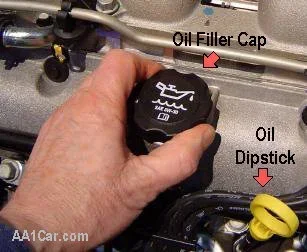
Another great resource is the oil cap on your engine. Many manufacturers stamp the oil capacity right on the oil fill cap. If you open the hood and look at the cap, you might see something like “5W-30, 5 quarts.” That gives you a quick reference point.
You can also check online resources or contact your dealership. If you drive a Toyota, you might wonder can I get my Lexus oil change at Toyota? The answer is yes, and they can also help you confirm your exact oil capacity. For general questions about your vehicle, your local service center is always a good place to start.
How Much Oil Do Common Engines Take
While every engine is unique, there are general ranges that apply to most vehicles. Here is a rough breakdown of how much oil different engine types typically need.
Small Four-Cylinder Engines
Most compact cars and sedans have four-cylinder engines. These engines usually take between 3.5 and 5 quarts of oil. Common examples include the Honda Civic, Toyota Corolla, and Hyundai Elantra. These engines are efficient and do not require large amounts of oil, but they still need the right level to perform well.
Six-Cylinder and V6 Engines
V6 engines are found in many mid-size cars, trucks, and SUVs. These engines typically take between 5 and 7 quarts. Vehicles like the Toyota Camry V6, Ford Mustang, and Chevrolet Silverado 1500 with a V6 fall into this range. The extra cylinders mean more internal surfaces that need lubrication, so the oil capacity is higher.
Eight-Cylinder and V8 Engines
V8 engines are common in full-size trucks, performance cars, and large SUVs. These engines can take anywhere from 6 to 8 quarts or more. Think of vehicles like the Ford F-150 with a V8, the Chevrolet Corvette, or the Toyota Tundra. These powerful engines have large displacement and need more oil to keep everything properly lubricated.
Diesel Engines
Diesel engines have their own unique requirements. They often take more oil than gasoline engines of similar size. Diesel motor oil also has different properties. It handles higher compression ratios and combustion temperatures. If you drive a diesel truck or vehicle, always use the oil type and amount specified by the manufacturer.
| Engine Type | Typical Oil Capacity (quarts) | Common Vehicles |
|---|---|---|
| 4-Cylinder | 3.5 – 5 | Honda Civic, Toyota Corolla, Hyundai Elantra |
| V6 | 5 – 7 | Toyota Camry V6, Ford Mustang, Chevy Silverado |
| V8 | 6 – 8+ | Ford F-150 V8, Chevy Corvette, Toyota Tundra |
| Diesel | 7 – 12+ | Ford Powerstroke, Dodge Cummins, GM Duramax |
Note: Always double-check your specific vehicle. The table above is a general guide. Your engine might differ based on modifications, trim level, or model year.
How to Check Your Oil Level
Checking your oil level is one of the simplest maintenance tasks you can do. It takes about two minutes and can save you from serious engine problems. Here is how to do it the right way.
- Park on level ground. Make sure your car is on a flat surface. This ensures the oil dipstick gives an accurate reading.
- Turn off the engine and wait a few minutes. Let the oil settle back into the oil pan. Checking oil right after driving can give a false reading.
- Open the hood and locate the dipstick. It usually has a brightly colored handle, often yellow or orange.
- Pull the dipstick out and wipe it clean. Use a paper towel or rag. This removes any residual oil so you get a fresh reading.
- Reinsert the dipstick fully, then pull it out again. Look at the oil markings on the end of the stick. There are usually two lines or holes that indicate the minimum and maximum levels.
- Check the oil color and consistency. Fresh oil is amber or golden. Dark, gritty oil means it is time for an oil change.
If your oil level is below the minimum mark, you need to add oil. If it is above the maximum mark, you have overfilled and should have some removed. Keeping your oil in the sweet spot between the two marks is the goal.
Choosing the Right Oil for Your Engine
Not all motor oil is created equal. The right oil for your engine depends on several factors. Understanding these factors helps you make the best choice for your vehicle.
Conventional vs Synthetic Oil
Conventional oil is the traditional petroleum-based oil. It works well for most standard engines and is generally more affordable. Synthetic oil is engineered in a lab. It offers better protection at extreme temperatures and lasts longer between changes. Many modern vehicles require or recommend synthetic oil for optimal engine performance.
If you are deciding between the two, consider your driving habits. If you drive in extreme heat or cold, synthetic oil handles those conditions better. If you have a high-mileage engine, some synthetic blends include additives that help protect older engines. You might also wonder can you mix oil brands? The short answer is yes, in an emergency, but it is best to stick with one brand and type for consistent performance.
Understanding Oil Viscosity
Oil viscosity refers to how thick or thin the oil is at different temperatures. You see it on the oil bottle as something like 5W-30 or 10W-40. The first number (the “W” stands for winter) tells you how the oil flows in cold temperatures. The second number tells you how it flows at normal operating temperature.
Lower viscosity oils flow more easily in cold weather. This is important for cold starts when the engine needs immediate lubrication. Higher viscosity oils are thicker and provide better protection at high temperatures and under heavy loads. Always use the viscosity grade recommended in your owner’s manual. Using the wrong viscosity can affect oil consumption and engine performance.
Oil Filter Replacement
When you add or change oil, you should also replace the oil filter. The filter removes dirt, metal particles, and other contaminants from the oil. A clogged filter restricts oil flow and can cause low oil pressure. This puts your engine at risk.
During a routine oil change, a mechanic should always install a new filter. If you are doing it yourself, make sure you get the right filter for your vehicle. Not all filters are universal, and using the wrong one can lead to poor filtration or even oil leaks.
Common Oil-Related Mistakes and How to Avoid Them
Even careful car owners make mistakes when it comes to oil. Here are some of the most common ones and how to avoid them.
Ignoring the Oil Change Light
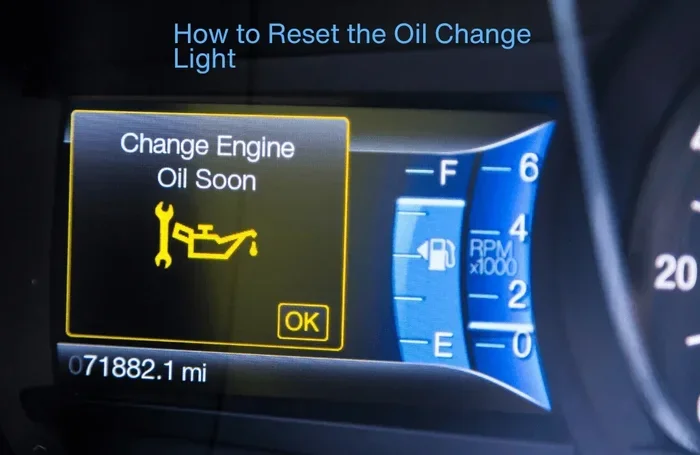
Your dashboard oil change light is there for a reason. Some people ignore it or reset it without actually changing the oil. This is a bad habit. Old oil breaks down and loses its lubricating properties. Over time, it stops protecting your engine. Skipping oil changes can lead to engine overheating and costly repairs. If you are wondering whether you can go extended periods without an oil change, the answer is generally no. Modern engines need regular oil changes to stay healthy.
Overfilling the Oil
It is easy to add too much oil, especially if you are pouring quickly. The extra oil gets churned up by the crankshaft and creates foam. Foamed oil cannot lubricate properly. If you accidentally overfill, do not drive far. Have the excess oil drained or removed at a service center. A quick trip to a quick-lube shop like Jiffy Lube can help you fix this safely.
Using the Wrong Oil Type
Every engine is designed for a specific oil type and viscosity. Using the wrong oil can lead to poor lubrication, increased wear, and reduced fuel economy. Always check your owner’s manual or ask a trusted mechanic. If you are unsure, a dealership can confirm the correct oil for your vehicle.
Neglecting to Check Oil Between Changes
Oil levels can drop between changes, especially in older engines or vehicles with higher mileage. Making a habit of checking your oil level once a month can catch problems early. A simple check with the oil dipstick takes minutes and can prevent major engine damage.
Expert Tips for Maintaining Optimal Oil Levels
Keeping your engine properly oiled does not have to be complicated. Here are some expert tips that make a big difference.
- Set a monthly reminder to check your oil level. It takes less than five minutes and can catch issues early.
- Keep a record of your oil changes. Write down the date, mileage, and type of oil used. This helps you stay on track and catch patterns in oil consumption.
- Use high-quality oil and filters. Cheap oil may save money upfront but can lead to premature engine wear. Invest in quality products for long-term protection.
- Warm up your engine before checking the oil. Let it run for a minute or two, then turn it off and wait a few minutes before checking. This gives the oil time to circulate and settle.
- Watch for warning signs. If your check engine light comes on, if you hear unusual engine noises, or if you notice oil spots under your car, get it checked right away. These can all be signs of low oil or other oil-related problems.
Taking care of your engine oil is one of the easiest ways to extend the life of your vehicle. A well-lubricated engine runs better, lasts longer, and costs less to maintain over time.
Final Thoughts on Engine Oil Capacity
So, how much oil does your engine take? The answer depends on your specific vehicle, engine size, and design. Most engines fall within the 4 to 8 quart range, but the exact number is always in your owner’s manual. The key takeaway is this: getting the right amount of oil is essential for engine performance and longevity.
Do not guess when it comes to your engine. Take the few minutes to check your manual, verify your oil capacity, and stick to a regular maintenance schedule. Your engine works hard for you every day. Give it the care it deserves with the right amount of quality motor oil.
Remember, small maintenance habits add up to big savings over time. A few dollars spent on the right oil and regular changes can prevent thousands of dollars in engine repairs. Keep your oil level in check, replace your filter, and drive with confidence knowing your engine is well-protected.
Frequently Asked Questions
Can I add oil to my car if it is low?
Yes, you can add oil if your level is low. Just make sure you use the correct oil type and viscosity for your engine. Adding oil is a simple fix, but if you find yourself needing to add oil frequently, it could signal a leak or excessive oil consumption. You should also check whether low oil can cause engine overheating, as running too low on oil puts your engine at serious risk.
How often should I check my oil level?
You should check your oil level at least once a month. It is also a good idea to check it before long trips. The process is quick and easy. Just pull out the oil dipstick, wipe it, reinsert it, and check the level against the markings. This simple habit can help you catch problems before they become expensive repairs.
What happens if I put too much oil in my engine?
Too much oil causes the crankshaft to spin through the excess, creating foam. Foamed oil loses its lubricating ability and can lead to increased engine wear. It can also cause oil pressure to build up and push oil past seals, resulting in leaks. If you overfill, have the excess oil removed as soon as possible to protect your engine.
Can I use conventional oil instead of synthetic oil?
It depends on your vehicle and driving conditions. Conventional oil works fine for many standard engines, especially older vehicles. However, synthetic oil offers better protection at extreme temperatures and lasts longer. Check your owner’s manual to see what your manufacturer recommends. If you are unsure about your engine specifications, your dealership can help you choose the right oil.
How do I know if my engine is burning oil?
Signs of oil burning include blue or gray exhaust smoke, a burning smell, and needing to add oil frequently between changes. Some oil consumption is normal, but excessive burning is not. If you notice these symptoms, have your engine inspected by a qualified mechanic. Early detection can prevent more serious and costly damage.
Does the oil filter need to be replaced every time I change the oil?
Yes, always replace the oil filter with every oil change. The filter traps contaminants and keeps your motor oil clean. A clogged or old filter restricts oil flow and reduces the protection it provides to your engine. A new filter ensures proper oil circulation and helps maintain optimal engine performance between changes.
=== CONCLUSION ===
Understanding how much oil your engine takes is fundamental to being a responsible car owner. From knowing your oil capacity to checking your oil level regularly, these small steps make a huge difference. Use the right type of motor oil, replace your filter on schedule, and never ignore warning signs. Your engine will reward you with years of reliable, powerful performance. Take the time to get it right, and your car will thank you every time you turn the key.