How Much Does It Cost to Fix a Trunk That Wont Open
The cost to fix a trunk that won’t open typically ranges from $50 to $500, depending on the root cause. Simple fixes like a broken latch or worn cable may cost under $150, while electrical or hydraulic issues can push the price higher. Understanding the problem early helps you avoid expensive repairs and get your trunk working again fast.
There’s nothing more frustrating than standing in a parking lot with a trunk that won’t budge. Maybe you just grabbed groceries, or perhaps you loaded up for a weekend road trip. Either way, a trunk that won’t open can throw a serious wrench into your plans. The good news? Most trunk problems are fixable, and the trunk repair cost is often much lower than you’d expect.
In this guide, we’ll walk through every angle of how much it costs to fix a trunk that won’t open. We’ll cover the most common reasons trunks get stuck, what mechanics charge for different repairs, and when you can handle the fix yourself. By the end, you’ll know exactly what to expect and how to make the best decision for your wallet and your vehicle.
Whether you drive a sedan, SUV, or truck, trunk problems don’t discriminate. From a simple trunk latch issue to a more complex electrical failure, we’ve got you covered. Let’s dive in and take the mystery out of trunk repair costs.
Key Takeaways
- Trunk repair costs vary widely: simple latch fixes run $50-$150, while hydraulic or electrical repairs can reach $300-$500.
- Common causes include worn cables, broken latches, dead key fob batteries, and hydraulic strut failure.
- DIY repairs can save you money: many trunk issues are fixable with basic tools and a little patience.
- Replacing a trunk actuator or hydraulic lift costs more but lasts longer and solves recurring problems.
- Regular maintenance prevents trunk issues: lubrication and timely cable replacements keep things running smoothly.
- Emergency trunk access is possible: you can manually open a stuck trunk from inside the vehicle in most models.
- Always get a professional diagnosis first: misdiagnosing the problem can lead to unnecessary spending.
📑 Table of Contents
Why Your Trunk Won’t Open: Common Causes
Before you can figure out the cost, you need to know what’s actually wrong. A trunk that won’t open usually comes down to a handful of common culprits. Let’s break them down so you can start narrowing things down.
Worn or Broken Trunk Release Cable
The trunk release cable connects your interior handle to the trunk latch. Over time, this cable stretches, frays, or even snaps completely. When that happens, pulling the inside handle does nothing. This is one of the most frequent reasons trunks refuse to cooperate, especially in older vehicles.
Replacing a trunk release cable is relatively affordable. Most mechanics charge between $50 and $150 for parts and labor combined. If you’re handy, you can buy the cable yourself for around $20 to $40 and do the swap in under an hour.
Faulty Trunk Latch Mechanism
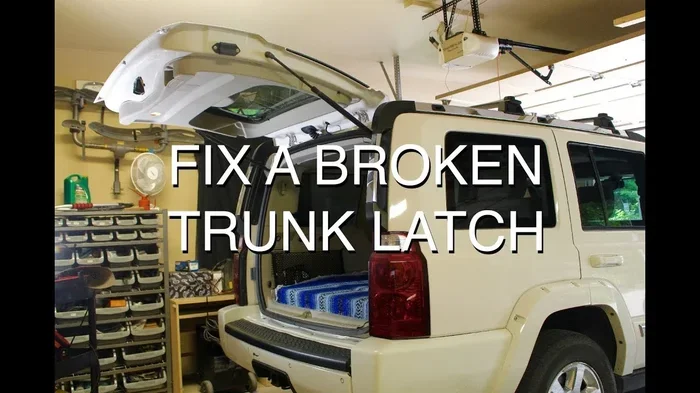
The trunk latch is the metal piece that secures the trunk shut. When the latch gets corroded, bent, or worn out, it can seize up and refuse to release. Dirt, road salt, and moisture all contribute to latch corrosion over time.
A trunk latch replacement typically costs between $100 and $250, depending on your vehicle’s make and model. Luxury cars and newer models with more complex latch systems tend to run on the higher end of that range.
Dead Key Fob Battery
Many modern cars let you open the trunk by pressing a button on the key fob. If the fob battery dies, the trunk won’t respond to the remote. This is a surprisingly common cause of a “stuck” trunk, especially if the key fob battery was recently replaced but the new one isn’t working properly.
Fixing this is the cheapest option on the list. A new key fob battery costs around $5 to $10, and you can usually swap it out yourself in seconds. If the trunk still won’t open after replacing the battery, the problem lies elsewhere.
Broken Hydraulic Lift Struts
Most trunks rely on one or two hydraulic lift struts to hold the trunk lid open and help it close smoothly. When a strut fails, the trunk lid may feel heavy, sag, or refuse to stay open. In some cases, a broken strut can also prevent the trunk from closing fully, which means the latch won’t engage.
Replacing a hydraulic lift strut costs between $100 and $300 per strut, including labor. Some vehicles have two struts, so the total could reach $400 or more if both need replacing. The good news is that this repair is straightforward and doesn’t require any specialized electrical work.
Electrical Issues with the Trunk Actuator
Electric trunk openers use a small motor called an actuator to release the latch. When the actuator goes bad, you might hear a clicking sound but the trunk still won’t open. Electrical problems can stem from a blown fuse, a wiring short, or a faulty actuator motor.
Replacing a trunk actuator typically costs between $150 and $400, with labor making up a significant portion of that. Electrical diagnostics can add another $50 to $100 to the bill if the mechanic needs to trace wiring issues. You can also check your vehicle’s fuse box first to see if a simple fuse swap solves the problem.
Sometimes electrical trunk problems are tied to broader vehicle issues. For example, a weak car battery can cause all sorts of strange electrical behavior, including trunk malfunctions. If you’ve noticed other electrical gremlins in your car, it’s worth checking whether a bad battery is triggering warning lights or other system failures.
Cost Breakdown: What to Expect for Trunk Repairs
Now that you know what causes trunk problems, let’s talk numbers. The cost to fix a trunk that won’t open depends heavily on the specific issue, your vehicle type, and where you live. Here’s a detailed look at what you can expect to pay for each type of repair.
Repair Cost Comparison Table
| Repair Type | Parts Cost | Labor Cost | Total Estimated Cost |
|---|---|---|---|
| Key fob battery replacement | $5 – $10 | $0 (DIY) | $5 – $10 |
| Trunk release cable replacement | $20 – $40 | $30 – $100 | $50 – $150 |
| Trunk latch replacement | $40 – $120 | $60 – $130 | $100 – $250 |
| Hydraulic lift strut replacement (1 strut) | $40 – $100 | $60 – $200 | $100 – $300 |
| Trunk actuator replacement | $50 – $150 | $100 – $250 | $150 – $400 |
| Full trunk hinge replacement | $80 – $200 | $100 – $200 | $180 – $400 |
| Trunk seal replacement | $30 – $80 | $50 – $100 | $80 – $180 |
| Electrical wiring repair | $20 – $60 | $80 – $200 | $100 – $260 |
As you can see, the range is pretty wide. A simple key fob battery fix costs almost nothing, while a full electrical repair or actuator replacement can hit $400 or more. The vehicle you drive plays a big role too. Luxury and imported vehicles almost always cost more for parts and labor than domestic models.
If you’re dealing with a trunk that won’t close properly, the cost might be lower than a trunk that won’t open at all. Many closing issues stem from misaligned latches or worn seals, which are simpler and cheaper to fix.
Factors That Influence Trunk Repair Costs
Several factors can push your trunk repair bill up or down. Here are the biggest ones to keep in mind:
- Vehicle make and model: Rare or luxury vehicles have more expensive parts and specialized labor requirements.
- Location: Repair shops in major cities typically charge more than those in rural areas.
- DIY vs. professional: Doing it yourself saves on labor costs entirely.
- Severity of the problem: A corroded latch is cheaper to fix than a seized mechanism that has caused secondary damage.
- Warranty coverage: Some newer vehicles may have trunk components covered under warranty, which can eliminate the cost entirely.
DIY vs. Professional Repair: Which Is Right for You?
One of the biggest decisions you’ll face is whether to tackle the repair yourself or visit a mechanic. Both options have clear advantages, and the right choice depends on your skill level, tools, and budget.
When DIY Makes Sense
If the problem is a dead key fob battery, a worn release cable, or a simple latch alignment issue, DIY is often the way to go. These repairs require basic tools like screwdrivers, pliers, and maybe a socket set. You can find step-by-step tutorials for almost any vehicle model on YouTube.
DIY repairs save you the labor cost, which is usually the most expensive part of any fix. For example, replacing a trunk release cable costs about $30 for the part, but a mechanic might charge $100 or more for the same job. That’s a significant savings if you’re comfortable working with your hands.
Just be honest about your skill level. If you’ve never worked on car components before, start with something simple before attempting a trunk repair. And always disconnect your vehicle’s battery before working on any electrical components.
When to Call a Professional
Some trunk problems really do need a professional’s touch. Electrical issues, hydraulic system failures, and anything involving the vehicle’s central locking system are best left to experienced mechanics. These repairs involve delicate wiring and specialized diagnostic equipment that most homeowners don’t have.
A professional also offers the advantage of a warranty on their work. If something goes wrong after the repair, you can go back and have it fixed at no additional cost. When you’re dealing with a trunk that won’t open and you’ve already spent money on parts, that peace of mind is worth a lot.
If you’re unsure about the root cause, consider paying for a diagnostic visit first. Many shops charge $50 to $100 for a diagnosis, but this fee is often waived if you proceed with the repair. A proper diagnosis ensures you don’t waste money replacing the wrong part.
How to Fix a Stuck Trunk: Step-by-Step Solutions
Sometimes you need to get that trunk open right now, and you can’t wait for a mechanic. Here are some practical steps you can try to free a stuck trunk, ordered from simplest to most involved.
Step 1: Try the Interior Emergency Release
Most vehicles have an emergency trunk release lever or handle located inside the cabin. In sedans and SUVs, you’ll usually find it on the driver’s side dashboard or on the driver’s seat. Pull this lever, and it should release the trunk latch mechanically, bypassing any electrical or remote issues.
If you can’t find the emergency release, check your owner’s manual. It will show you exactly where it’s located and how to use it. This simple step solves the problem in many cases, especially when the issue is a dead key fob or a tripped safety switch.
Step 2: Check the Key Fob and Remote
If the emergency release doesn’t work or isn’t available on your vehicle, try the key fob again. Make sure the battery is fresh and that you’re pressing the trunk button firmly. Some vehicles require you to hold the button for two or three seconds before the trunk responds.
You can also try using the physical key to unlock the trunk. Most trunks have a key lock hidden under a small cover on the trunk lid itself. Pop off the cover, insert the key, and turn. This bypasses the electronic system entirely and can get you back in when nothing else works.
Step 3: Inspect the Trunk Latch
If the trunk is stuck closed, look at the latch mechanism from behind the trunk lid. You may be able to see if the latch is misaligned, corroded, or jammed. A spray of penetrating lubricant like WD-40 can sometimes free up a stuck latch without any disassembly at all.
Have someone press the trunk release button inside the car while you watch the latch from behind. This helps you determine whether the problem is mechanical (the latch itself) or electrical (the signal isn’t reaching the actuator).
Step 4: Manually Access the Trunk from Inside the Vehicle
In many vehicles, you can fold down the rear seats and reach the trunk latch mechanism from inside the cabin. This gives you direct access to the release handle or cable. From there, you can manually trip the latch and pop the trunk open.
Just be careful not to force anything. If something feels stuck or resistant, stop and reassess. Forcing a mechanism can cause additional damage that turns a simple fix into an expensive one.
Step 5: Seek Professional Help
If none of the above steps work, it’s time to call in the pros. A qualified mechanic can diagnose the problem quickly and recommend the right fix. At this point, you’ll have a clearer picture of the trunk repair cost and can decide whether the repair is worth it.
And remember, if your trunk is stuck closed and you absolutely need to access what’s inside, some auto parts stores and locksmiths offer emergency trunk opening services for a reasonable fee. It’s always better to pay a small service call than to damage your trunk trying to force it open.
Preventing Future Trunk Problems
The best way to deal with trunk issues is to prevent them from happening in the first place. A little regular maintenance goes a long way toward keeping your trunk operating smoothly for years to come.
Lubricate the Latch and Hinges Regularly
Apply a silicone-based lubricant to the trunk latch, hinges, and any moving parts every six months. This prevents corrosion and keeps everything operating smoothly. Pay special attention to the latch mechanism, where dirt and moisture tend to build up over time.
Check the Trunk Seal for Damage
The rubber seal around the trunk lid keeps water and debris out of the trunk space. When this seal cracks or deteriorates, moisture can seep in and cause corrosion on the latch and other metal components. Inspect the seal regularly and replace it if you notice any cracks or gaps.
Don’t Overload the Trunk
Excessive weight on the trunk lid puts extra stress on the hydraulic struts and lift supports. Check your vehicle’s manual for the maximum trunk weight limit and try not to exceed it. Overloading is one of the most common causes of premature strut failure.
Replace Worn Components Before They Fail
If you notice your trunk feeling heavier than usual or not opening as smoothly as it used to, don’t wait for it to completely fail. Inspect the hydraulic struts, cables, and latch early. Replacing a worn part before it breaks completely is always cheaper and less inconvenient than dealing with a fully stuck trunk.
Address Electrical Issues Promptly
If your trunk starts behaving erratically — opening sometimes but not others, or requiring multiple attempts to open — don’t ignore it. These are early warning signs of electrical problems that will only get worse over time. A quick diagnostic visit can catch small issues before they become expensive repairs.
Sometimes trunk problems are connected to broader vehicle health. For instance, if your car won’t start after installing a new battery, the electrical system may be causing cascading issues throughout the vehicle, including the trunk release mechanism. Addressing the root electrical problem can solve multiple issues at once.
When to Replace Your Trunk Instead of Repairing It
In most cases, repairing a stuck trunk is the right call. But there are situations where a full trunk replacement makes more sense financially and practically.
If the trunk lid has been in a collision and is structurally damaged, replacement is usually the only safe option. Bent or cracked trunk lids can’t be reliably repaired and may compromise the seal, leading to water leaks and noise while driving. Similarly, if the trunk hinge points are severely corroded or bent, replacing the entire trunk assembly may be more cost-effective than trying to repair individual components.
The cost of a full trunk replacement is significantly higher — typically $500 to $1,500 or more, depending on the vehicle. But when the structural integrity of the trunk is compromised, the safety benefits justify the expense. Always consult with a trusted mechanic to get an honest assessment of whether repair or replacement is the better option for your situation.
Conclusion
Dealing with a trunk that won’t open is frustrating, but it’s rarely a sign of a catastrophic problem. Most trunk issues fall into one of a handful of common categories, and the cost to fix a trunk that won’t open is generally manageable — often between $50 and $300 for the most typical repairs.
Start by identifying the root cause using the troubleshooting steps we covered. Try the simplest fixes first, like replacing a key fob battery or checking the emergency release. If those don’t work, move on to more involved diagnostics and consider calling a professional for help.
Regular maintenance is your best defense against future trunk problems. A little lubrication, seal inspection, and prompt attention to early warning signs can keep your trunk operating smoothly for the life of the vehicle. And when repairs do come up, you’ll be armed with the knowledge to make smart decisions about your trunk repair budget.
Don’t let a stuck trunk ruin your day. Use the information in this guide to tackle the problem with confidence, save money where you can, and get back to enjoying your vehicle — trunk fully functional and ready for your next adventure.
Frequently Asked Questions
What is the most common reason a trunk won’t open?
The most common reason is a worn or broken trunk release cable. Over time, the cable stretches or frays, which means pulling the interior handle no longer trips the latch. A dead key fob battery is another very common cause, especially in vehicles with remote trunk openers. Both of these issues are inexpensive and easy to fix.
How much does it cost to replace a trunk latch?
A trunk latch replacement typically costs between $100 and $250, including both parts and labor. The exact price depends on your vehicle’s make and model, as well as the labor rates in your area. Luxury and imported vehicles tend to cost more for latch replacements than domestic models.
Can I open my trunk manually if the remote doesn’t work?
Yes, most vehicles have an emergency trunk release lever inside the cabin. It’s usually located on the driver’s side dashboard or on the driver’s seat. Pulling this lever releases the trunk latch mechanically, allowing you to open the trunk even when the remote or electrical system isn’t working. Check your owner’s manual if you can’t find it.
Is it safe to drive with a trunk that won’t close?
It’s not recommended. An open or improperly closed trunk can create aerodynamic drag, increase noise, and pose a safety hazard if cargo shifts while driving. If you must drive with the trunk open, secure all items tightly and drive at reduced speeds. Ideally, get the trunk repaired as soon as possible.
How can I prevent my trunk from getting stuck in the future?
Regular maintenance is the key. Lubricate the trunk latch and hinges every six months, inspect the trunk seal for cracks, and avoid overloading the trunk beyond its weight limit. Also, address any electrical issues promptly, since early warning signs like intermittent trunk operation often point to problems that worsen over time.
When should I consider replacing the entire trunk instead of repairing it?
Consider a full trunk replacement if the trunk lid is structurally damaged from a collision, if the hinge points are severely corroded or bent, or if multiple trunk components have failed at once. A mechanic can help you evaluate whether repair or replacement is the more practical and cost-effective option for your specific situation.