How Do I Know How Much PSI Is in My Tire Pressure
Knowing your tire pressure PSI is one of the easiest ways to stay safe and save money on fuel. You can check it with a simple gauge, read your TPMS light, or consult your vehicle owner manual. This guide walks you through every method so you can check tire pressure like a pro in just minutes.
Key Takeaways
- Check tire pressure when cold: Always measure PSI before driving for the most accurate reading.
- Use a tire pressure gauge: A basic digital or analog gauge costs under $15 and gives reliable results every time.
- Find your recommended PSI in the owner manual: Every vehicle has a specific tire pressure setting listed on the driver door jamb or manual.
- Pay attention to the TPMS light: Your tire pressure monitoring system alerts you when levels drop dangerously low.
- Low and high tire pressure both cause problems: Underinflated tires waste fuel, while overinflated tires wear out the center of the tread unevenly.
- Reset your TPMS after fixing pressure: If you reset your TPMS sensor, the warning light should turn off once pressure is corrected.
- Check tire pressure monthly: Regular checks prevent slow leaks from going unnoticed and keep your tire safety in top shape.
📑 Table of Contents
- Why Tire Pressure Matters More Than You Think
- What Does PSI Mean and Why Is It Important?
- How to Check Your Tire Pressure Manually
- Where to Find the Recommended PSI for Your Vehicle
- Understanding the TPMS Light and Warning Signs
- Common Tire Pressure Problems and How to Fix Them
- Tips for Keeping Your Tire Pressure in Check Year Round
- Conclusion
Why Tire Pressure Matters More Than You Think
Your tires are the only part of your car that touches the road. That means tire pressure affects everything from how smoothly you drive to how much fuel you use. Yet most people ignore their tires until something goes wrong.
When your tire pressure levels are off, you feel it. The car pulls to one side. The steering feels sluggish. You might even notice weird noises coming from the wheels. These are all signs that your proper tire inflation is out of balance.
The good news? Checking your PSI takes just a few minutes. You do not need to be a mechanic. With the right tools and a little know-how, anyone can master this basic tire pressure check. Let us walk through it together.
What Does PSI Mean and Why Is It Important?
PSI stands for pounds per square inch. It measures the amount of air pressure inside your tire. Every vehicle has a recommended PSI range. Staying within that range keeps your tires performing at their best.
Here is why PSI matters so much:
- Safety: Underinflated tires can overheat and blow out at highway speeds. Overinflated tires reduce grip on wet roads.
- Fuel efficiency: Tires with the right tire pressure settings roll more easily. This means your engine works less and you save gas.
- Tire life: Proper inflation prevents uneven tire wear. You get more miles out of every set of tires.
- Handling: Correct PSI gives you better steering response and shorter stopping distances.
Think of your tires like balloons. Too much air and they pop easily. Too little and they sag and wear out fast. The sweet spot is right in the middle, and that is exactly what your PSI number tells you.
How Low Tire Pressure Affects Your Drive
When your tires lose air, the sidewalls flex more than they should. This creates extra heat. Over time, that heat breaks down the rubber. You might notice your car feels sluggish or the steering pulls to the left or right. Low tire pressure also causes your tires to wear out on the outer edges of the tread faster than normal.
Many drivers do not realize that even a small drop in PSI can hurt fuel economy. A tire that is just 5 PSI below the recommended level can reduce your gas mileage by up to 3 percent. That adds up over months of driving.
How High Tire Pressure Affects Your Drive
Too much air is not great either. Overinflated tires sit on a smaller contact patch with the road. This means less grip and a harsher ride. The center of the tread wears down quickly, leaving you with uneven tire wear that shortens the life of your tires.
High PSI also makes your tires more vulnerable to punctures. A pothole or sharp object that might not bother a properly inflated tire can cause a blowout when the pressure is too high.
How to Check Your Tire Pressure Manually
The most reliable way to know your PSI is to measure it yourself. You do not need expensive tools. A basic tire pressure gauge works perfectly. Here is exactly how to do it.
Step-by-Step Guide to Using a Tire Pressure Gauge
Follow these simple steps and you will have an accurate reading in no time:
- Find a cool spot: Park your car in the shade or wait at least three hours after driving. Air inside warm tires expands, which gives you a false high reading.
- Remove the valve cap: Twist the small plastic cap off the tire valve stem. Keep it in your pocket so you do not lose it.
- Press the gauge firmly onto the valve: Push the gauge straight onto the valve stem. You will hear a brief hiss of air. That is normal. Hold it steady until the reading stabilizes.
- Read the number: The gauge will show you the current PSI. Compare it to the recommended number for your vehicle.
- Add or let out air as needed: If the PSI is low, use an air compressor at a gas station to add air. If it is too high, press the small pin inside the valve stem to release a little air.
- Replace the valve cap: Put the cap back on to keep dirt and moisture out of the valve.
Types of Tire Pressure Gauges
Not all gauges are the same. Here is a quick look at what is available:
- Stick gauge: The simplest and cheapest option. A small rod slides out to show the PSI. Very accurate if you read it correctly.
- Dial gauge: Has a round face with a needle that points to the PSI. Easy to read and slightly more precise than a stick gauge.
- Digital gauge: Shows a clear number on a screen. Most people find these the easiest to use. They usually cost between $10 and $25.
Any of these will get the job done. The best gauge is the one you will actually use. I recommend keeping one in your glove box so you always have it handy.
Where to Find the Recommended PSI for Your Vehicle
Every car has a specific recommended tire pressure number. It is not a one-size-fits-all situation. Here is where to look:
- Driver door jamb sticker: Open your driver door and look at the frame. There is usually a sticker or plate stuck there. It lists the PSI for both front and rear tires.
- Vehicle owner manual: Your manual has a section on tire specifications. Check the index for the word “tire” or “pressure.”
- Fuel door: Some manufacturers place the PSI sticker on the inside of the fuel door.
- Glove box: A few models have a small placard inside the glove compartment.
Pro tip: Never use the number printed on the tire sidewall. That number is the maximum PSI the tire can handle, not the recommended pressure for your vehicle. Using the wrong number can lead to a harsh ride and poor handling.
Understanding the TPMS Light and Warning Signs
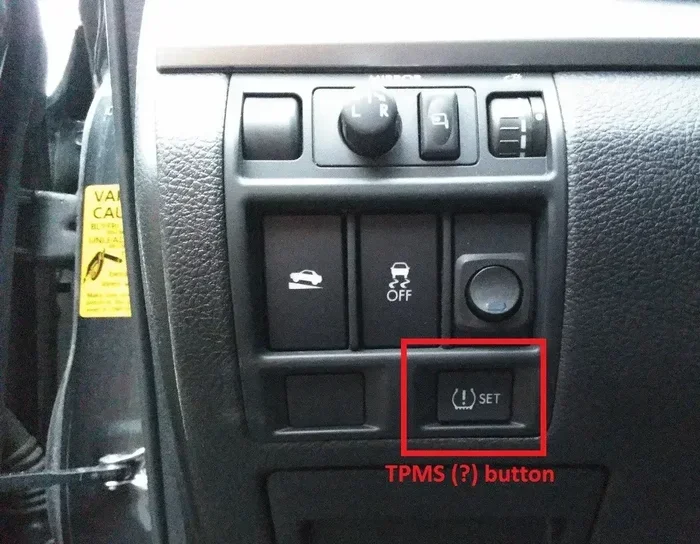
Most modern cars come with a tire pressure monitoring system, or TPMS. This is a sensor built into each wheel that watches your air levels. When the pressure drops too low, a light on your dashboard turns on.
What the TPMS Light Looks Like
The light usually looks like a horseshoe shape with an exclamation point in the middle. Sometimes it shows the letters “TPMS.” When you see this light, do not ignore it. It means at least one tire is significantly underinflated.
If the light comes on while you are driving, pull over safely and check your tires with a gauge. If you are not sure how to interpret the readings, you can always visit a service center. And if you have recently fixed a pressure issue but the light stays on, you may need to reset your TPMS sensor following the proper steps.
Common TPMS Warning Triggers
Several things can cause the TPMS light to activate:
- Temperature drops: Cold weather causes air inside tires to contract. This can lower PSI by 1 to 2 pounds for every 10 degrees Fahrenheit drop.
- Slow leaks: A tiny puncture or a worn valve stem lets air out slowly over days or weeks.
- Sensor battery failure: TPMS sensors have batteries that last about 5 to 10 years. When they die, the light comes on even if your pressure is fine.
- After a tire change: If you recently rotated your tires or installed new ones, the sensors may need recalibration.
Remember that the TPMS is a backup system, not a replacement for regular manual checks. It alerts you to serious problems but does not catch slow leaks early. That is why you should still do your own tire pressure check at least once a month.
Common Tire Pressure Problems and How to Fix Them
Even with regular care, tire pressure problems happen. Here are the most common issues and what you can do about them.
Slow Leaks
A slow leak is the sneaky enemy of good tire pressure. You might not notice any change for days or even weeks. One day you glance at your gauge and the PSI has dropped by several pounds.
Common causes of slow leaks include:
- A small nail or screw stuck in the tread
- A cracked or corroded valve stem
- A poor seal between the tire and the rim
- Temperature changes causing gradual air loss
If you suspect a slow leak, apply soapy water to the tire and valve. Watch for bubbles. They will form at the spot where air is escaping. You can then get the tire patched or replace the valve stem.
Pressure Drops After Filling
Sometimes you fill your tires to the right PSI and a day later the number is lower. This is normal to a small degree. Air molecules slowly seep through the rubber over time. A loss of 1 to 2 PSI per month is typical. If you are losing more than that, something is wrong and you should investigate.
What to Do When the Maintenance Required Light Comes On
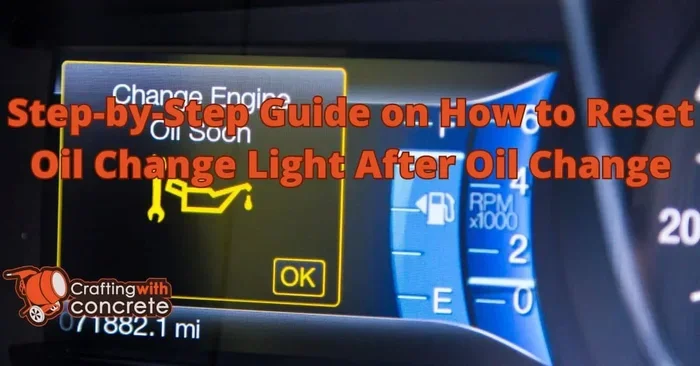
If your dashboard shows a maintenance warning along with low tire pressure, do not ignore it. A maintenance required alert can point to several issues, and tire pressure is one of the most common culprits. Checking and correcting your PSI often clears the light. However, if the warning persists, it may be time for a professional inspection.
Tips for Keeping Your Tire Pressure in Check Year Round
Staying on top of your tire pressure does not have to be a chore. A few simple habits make a huge difference.
Make It a Monthly Habit
Set a reminder on your phone to check your tires once a month. Pick a consistent day so it becomes routine. Keep your tire pressure gauge in the glove box or center console so it is always within reach.
Check Before Long Trips
Before any road trip, give all four tires a quick PSI check. Long drives put more stress on your tires, and proper inflation helps with fuel economy and handling. This small habit can prevent flats and blowouts on the highway.
Do Not Forget the Spare
Your spare tire also needs the right PSI. Many people forget about it until they need it and find it flat. Check your spare at least twice a year so it is ready if you ever need it.
Invest in a Portable Air Compressor
A small portable air compressor is a great tool to keep in your trunk. These devices plug into your car’s 12-volt outlet and let you add air anywhere. They are especially handy during road trips or in areas where air pumps are hard to find.
Watch the Seasons
Air pressure changes with temperature. In winter, your PSI can drop as the air gets cold. In summer, it can rise as the tires heat up from driving. Adjust your pressure accordingly and always measure when the tires are cold for the most accurate reading.
Taking care of your tires is one of the simplest forms of tire safety. It protects you, your passengers, and your wallet. A few minutes of attention each month pays off in better fuel economy, longer tire life, and peace of mind on the road.
Conclusion
Now you know exactly how to figure out how much PSI is in your tires. Whether you use a simple tire pressure gauge, rely on your TPMS light, or check the sticker on your door jamb, staying on top of your tire pressure is one of the best things you can do for your vehicle. It is fast, easy, and costs almost nothing.
Make it a habit to check your tire pressure levels regularly. Keep a gauge in your car. Know your recommended PSI. And never ignore warning signs like the TPMS light or a feeling that your car is not driving right. Your tires keep you safe, and proper tire pressure keeps your tires healthy.
Start today. Grab a gauge, check your tires, and enjoy the confidence that comes with knowing your car is road-ready. It is one of the smartest tire safety habits you can build.
Frequently Asked Questions
How often should I check my tire pressure?
You should check your tire pressure at least once a month. Temperature changes, slow leaks, and normal air loss can all affect your PSI over time. A quick monthly check keeps your tires in great shape and your tire safety strong.
Can I use the PSI number printed on my tire sidewall?
No. The number on the sidewall is the maximum PSI the tire can handle, not the recommended pressure for your vehicle. Always use the PSI listed on your driver door jamb or in your vehicle owner manual for the correct tire pressure settings.
Why does my TPMS light come on even when my tires look fine?
Several things can trigger the TPMS light, including cold weather, a dying sensor battery, or a slow leak. If your tire pressure looks correct, check the sensor battery or have a mechanic scan the system. You may also need to reset your TPMS sensor after correcting the pressure.
Is it safe to drive with the TPMS light on?
It is not recommended. The TPMS light means at least one tire is significantly underinflated, which can lead to poor handling, reduced fuel economy, and even a blowout. Check your tire pressure levels right away and inflate to the recommended PSI before driving long distances.
What should I do if I keep losing air in one tire?
Repeated air loss usually means there is a slow leak. Apply soapy water to the tire and valve to find the leak. You can get the tire patched at a tire shop or replace the valve stem. Ignoring a slow leak will lead to uneven tire wear and potential safety issues.
Does tire pressure affect fuel economy?
Yes, it does. Tires that are underinflated create more rolling resistance, which makes your engine work harder. Keeping your tire pressure at the recommended PSI can improve your fuel efficiency by up to 3 percent, saving you money at the pump over time.