Which Way Do You Unlock a Key The Simple Foolproof Way
Learning which way do you unlock a key is easier than you think. This guide walks you through the correct direction, common mistakes, and pro tips for every car key type. You will never struggle with your door lock again.
Have you ever stood in front of your car, key in hand, wondering which way do you unlock a key? It happens to the best of us. You grab your car key or key fob, shove it into the lock cylinder, and just hope for the best. But there is actually a simple method to this. Once you know the right key turning direction, you will never second-guess yourself again.
This guide covers everything you need to know about unlocking your car door the right way. We will look at different car key types, common problems, and easy fixes. Whether you use a traditional ignition key, a remote start fob, or a modern smart key, you will find clear answers here. Let us get into it.
Key Takeaways
- Turn the correct way: Most car keys unlock the door when you turn them to the left or counterclockwise.
- Know your key type: Traditional keys, key fobs, and smart keys all have different unlocking methods.
- Avoid common mistakes: Forcing the key or using the wrong direction can damage your lock cylinder.
- Follow simple steps: A few easy checks can save you from a car lockout situation.
- Maintain your key: Regular care keeps your key mechanism working smoothly for years.
- Seek help when needed: A locksmith can fix stubborn lock issues fast and affordably.
📑 Table of Contents
- Understanding Your Car Key and How It Works
- Which Way Do You Unlock a Key – The Correct Direction
- Different Types of Car Keys and Their Unlocking Methods
- Common Problems When Unlocking Your Car Key
- Step-by-Step Guide to Unlocking Your Car the Right Way
- Expert Tips to Keep Your Key Working Smoothly
- Comparison Table: Key Types and Unlocking Methods
- Key Takeaways
- Conclusion
Understanding Your Car Key and How It Works
Before we answer which way do you unlock a key, it helps to understand what is actually happening inside your lock mechanism. Your car door lock is a simple but clever piece of engineering. When you insert your key blade and turn it, you push tiny pins inside the cylinder. These pins line up and allow the lock to rotate. That rotation either locks or unlocks your car door.
Most car doors use a central locking system. This means one action unlocks all doors at once. But the manual key lock on the driver side works the same basic way. You insert the key, turn it, and the door lock button inside the mechanism moves to the unlocked position.
Why Direction Matters
The direction you turn your key matters a lot. Turning it the wrong way will not unlock the door. It can also wear out your lock cylinder over time. Some people force the key and end up bending or breaking it inside the lock. That is a car lockout situation nobody wants to deal with.
Understanding the key mechanism helps you avoid these problems. When you know exactly what to do, you save time and protect your vehicle security. It is one of those small things that makes a big difference in your daily routine.
Which Way Do You Unlock a Key – The Correct Direction
So, which way do you unlock a key? For most cars, you turn the key to the left, or counterclockwise. This is the standard unlock direction across many vehicle brands. When you face the car door and insert the key, a left turn releases the lock.
But here is the thing. Not every car follows the same rule. Some vehicles use a different setup. The good news is that once you learn the pattern for your car, it becomes second nature.
How to Check Your Car’s Unlock Direction
Not sure which way your car key turns? Try this simple test. Insert the key gently into the door lock cylinder. Apply light pressure and try turning it left first. If it does not move, try right. You will feel a slight click when the lock releases.
Another way to check is to look at your key blade shape. The thicker part of the key usually faces up when you insert it correctly. This aligns the pins inside the cylinder properly. If the key feels tight or stuck, do not force it. Remove it and try again with a different angle.
The Lock vs Unlock Confusion
Many people confuse the lock and unlock directions. On most cars, turning the key to the right locks the door. Turning it to the left unlocks it. But this is not a universal rule. Always double-check your vehicle manual if you are unsure.
This confusion is one of the top reasons people damage their lock cylinder. If you keep forcing the key in the wrong direction, you risk bending the key blade or wearing down the internal pins. Take it slow and find the right direction gently.
Different Types of Car Keys and Their Unlocking Methods
Not all car keys work the same way. The method you use to unlock car door depends on what type of key you have. Let us break down the most common car key types and how each one works.
Traditional Metal Keys
These are the classic ignition keys that have been around for decades. You insert the metal key blade directly into the door lock cylinder. To unlock car door, you turn the key counterclockwise, usually to the left. These keys have a simple lock and unlock mechanism with no electronics involved.
Traditional keys are reliable and easy to replace. They do not need batteries or programming. But they can wear out over time. If your key blade gets bent or the teeth become dull, the lock may not turn smoothly. In that case, a key repair or replacement is the best fix.
Key Fobs and Remote Keys
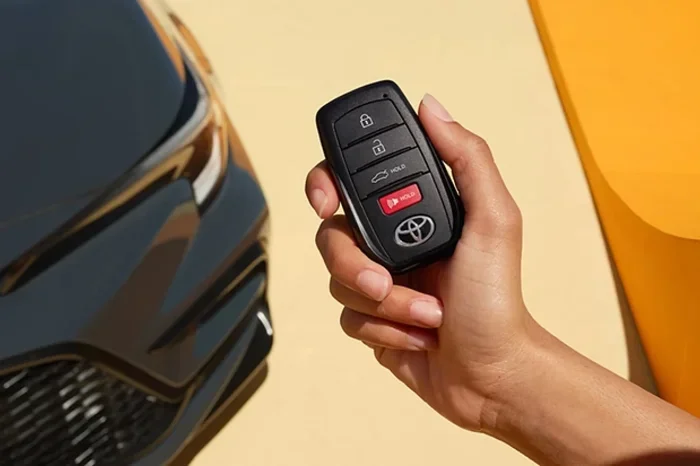
A key fob is a remote control that locks and unlocks your car from a distance. You press a door lock button on the fob to send a signal to your car. Most fobs have separate buttons for locking and unlocking. The unlock button is usually marked with an open door icon.
But what happens when the key fob battery dies? That is when you need to use the hidden key blade inside the fob. Pop open the fob case, pull out the metal key, and use it just like a traditional key. Remember, you still turn it the same direction to unlock car door.
Smart Keys and Push-Button Start
Modern cars often use smart keys or proximity keys. These do not need to be inserted into a lock at all. You just carry the fob in your pocket or bag and press a button on the door handle. The car detects the key and unlocks automatically.
Some smart key systems also offer remote start capabilities. You can start the engine from a distance using the fob. But even with these advanced systems, there is usually a backup manual key lock hidden inside the fob. It is always good to know where that backup key is and how to use it.
Transponder Keys
A transponder key has a small chip inside the key head. This chip communicates with your car’s vehicle security system. Without the correct signal, the car will not start. Transponder keys are common in newer vehicles and add an extra layer of protection against theft.
For unlocking the door, transponder keys work the same way as traditional keys. You insert the key into the lock cylinder and turn it. The chip only activates when you move to the ignition. So the key turning direction for the door lock stays the same as with any standard key.
Common Problems When Unlocking Your Car Key
Even when you know which way do you unlock a key, things can still go wrong. Let us look at the most common issues and how to fix them.
Key Stuck in the Lock
A key stuck in the lock cylinder is frustrating. This often happens when you try to remove the key before the lock fully engages. If the key feels jammed, do not pull hard. Gently wiggle it side to side while applying light pressure. This should release it.
Another cause is a worn-out lock mechanism inside the door. Over time, dirt and debris can build up inside the cylinder. A quick spray of lock lubricant can fix this. Just a small amount on the key blade and a few insert-and-turn cycles should do the trick.
Key Breaks Inside the Lock
This is a worst-case scenario. A key blade can snap inside the lock cylinder if it is old or weakened. If this happens, do not try to pull it out with tweezers. You risk pushing the broken piece deeper inside.
Instead, call a professional locksmith. They have special tools to extract broken key pieces safely. In many cases, they can also cut a new key on the spot. This is much faster and safer than trying a DIY fix.
Key Fob Not Working
If your key fob stops working, the first thing to check is the battery. A dead battery is the most common reason. Replace the battery with the correct type for your fob model. You can find this information in your vehicle manual.
Sometimes the issue is not the battery but a signal problem. Stand close to the car and try again. If the fob still does not work, you may need to reprogram it. Most dealerships and locksmiths can handle key fob replacement quickly and at a fair price.
Frozen Lock in Winter
Cold weather can freeze your lock cylinder shut. This is especially common in winter months. If your key will not turn, do not force it. Use a lock de-icer spray or a small amount of rubbing alcohol on the key.
Never pour hot water on a frozen lock. The sudden temperature change can crack the door lock mechanism. A lock de-icer is a small investment that saves you from big headaches during winter.
Step-by-Step Guide to Unlocking Your Car the Right Way
Follow these simple steps every time you need to unlock car door using your key. This works for most car key types and helps you avoid mistakes.
- Approach your car calmly. Do not rush. Take a moment to locate the key hole position on your door.
- Insert the key gently. Push it in until you feel it seat fully inside the lock cylinder.
- Check the key orientation. Make sure the key blade is aligned correctly. The thicker part should face up or toward you, depending on your car model.
- Apply light pressure. Turn the key slowly to the left, or counterclockwise. This is the standard unlock direction for most vehicles.
- Listen for the click. You will hear a soft click when the door lock button inside the mechanism releases.
- Pull the door handle. Open the door gently. If it does not open, try turning the key slightly more or in the opposite direction.
- Remove the key carefully. Turn the key back slightly and pull it straight out. Do not yank it out while it is still turned.
Following these steps every time builds good habits. You protect your lock mechanism and extend the life of your key blade. It also makes the whole process faster and smoother.
Expert Tips to Keep Your Key Working Smoothly
Taking care of your car key and lock cylinder goes a long way. Here are some expert tips that keep everything working like new.
Keep Your Key Clean
Dirt and grime build up on your key blade over time. Wipe it down regularly with a soft cloth. Clean keys slide into the lock cylinder more easily and reduce wear on the internal pins.
Use the Right Lubricant
A dry lock lubricant is your best friend. Apply a small amount to your key blade and insert it into the lock a few times. This keeps the lock mechanism smooth and prevents sticking. Avoid using WD-40 as a long-term solution. It can attract dust and gum up the works over time.
Replace Key Fob Batteries on Schedule
Do not wait until your key fob dies completely. Replace the battery every 12 to 18 months. This ensures your remote start and central locking features work without interruption. Most fob batteries are CR2032 or CR2025, which are easy to find and inexpensive.
Carry a Spare Key
Always keep a spare key in a safe place. A car lockout can happen to anyone. Having a backup saves you time, money, and stress. Store the spare key at home or give one to a trusted family member.
Visit a Locksmith for Complex Issues
If your key mechanism feels off, do not ignore it. A professional locksmith can diagnose problems early. They can also handle car key replacement, transponder key programming, and key repair tasks safely. It is always better to fix a small issue before it becomes a big one.
Comparison Table: Key Types and Unlocking Methods
| Key Type | Unlock Direction | Battery Needed? | Backup Method |
|---|---|---|---|
| Traditional Metal Key | Turn left (counterclockwise) | No | None needed |
| Key Fob with Remote | Press unlock button | Yes | Hidden key blade inside fob |
| Smart Key / Proximity Key | Press door handle button | Yes | Hidden key blade inside fob |
| Transponder Key | Turn left (counterclockwise) | No | None needed |
Use this table as a quick reference whenever you are unsure. It covers the most common car key types and their unlock direction. Keep it handy in your glove box for easy access.
Key Takeaways
- Turn left to unlock: For most traditional keys, turning counterclockwise unlocks the door.
- Know your key type: Key fobs, smart keys, and transponder keys each have their own method.
- Never force the key: Forcing can damage the lock cylinder and lead to costly repairs.
- Maintain your lock: Regular lubrication and cleaning keep the key mechanism working well.
- Carry a spare: A backup key prevents car lockout situations when you least expect them.
- Call a locksmith when stuck: Professional help is fast, affordable, and saves you from further damage.
Conclusion
Knowing which way do you unlock a key is one of those simple skills that everyone should have. It saves you time, protects your car key and lock mechanism, and prevents frustrating car lockout moments. Whether you use a traditional ignition key, a key fob, or a modern smart key, the basic principles stay the same.
Remember to turn left for most standard locks. Keep your keys clean and lubricated. Replace key fob batteries on time. And always have a spare key ready. These small habits make a huge difference in your daily routine.
If you ever run into a stubborn lock or a broken key, do not hesitate to call a trusted locksmith. They have the tools and expertise to handle any key repair or car key replacement quickly. Your vehicle security depends on a well-functioning lock cylinder, so take care of it.
Now that you know the simple foolproof way, you can walk up to your car with confidence every single time. No more guessing, no more forcing, no more frustration. Just a quick, smooth unlock every time you approach your door.
Frequently Asked Questions
Which way do you turn a key to unlock a car door?
For most cars, you turn the key to the left, or counterclockwise, to unlock the door. This is the standard direction across many vehicle brands. Always check your vehicle manual if you are unsure about your specific model.
Can forcing a key damage the lock cylinder?
Yes, forcing a key can bend the key blade or wear down the internal pins inside the lock cylinder. This leads to a sticky or broken lock over time. Always insert the key gently and turn it with light, steady pressure.
What should I do if my key fob stops working?
First, check the battery in your key fob and replace it if needed. If a new battery does not fix the issue, try standing close to the car and pressing the button again. If the fob still does not work, you may need reprogramming or a key fob replacement from a locksmith or dealer.
How do I unlock my car if the key fob battery dies?
Most key fobs have a hidden key blade inside the casing. Pop open the fob, pull out the metal key, and use it to unlock the door manually. Turn the key to the left in the door lock cylinder to release the lock.
Why does my key get stuck in the lock during winter?
Cold weather can freeze moisture inside the lock cylinder, causing the key to stick. Use a lock de-icer spray or a small amount of rubbing alcohol to thaw the lock. Never force the key or pour hot water on the lock, as this can cause damage.
How often should I replace my key fob battery?
Replace your key fob battery every 12 to 18 months for best performance. Most fobs use a CR2032 battery, which is widely available and easy to replace. Keeping a spare battery in your glove box is a smart habit.