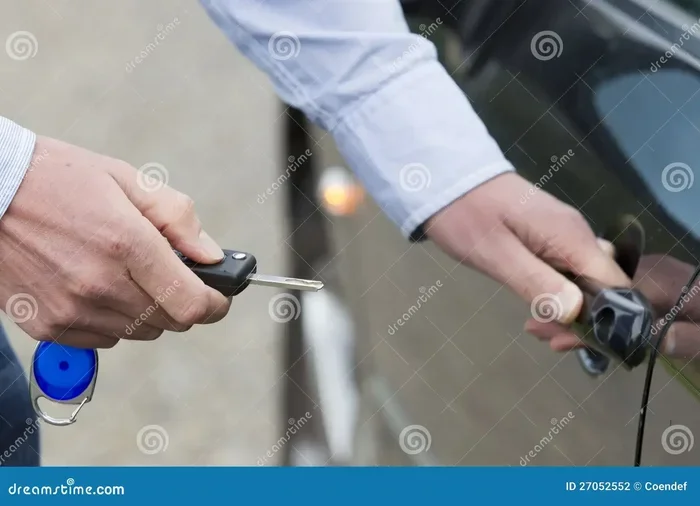
How Do You Unlock a Locked Car Key Without a Locksmith
Getting your car key locked can be frustrating, but you don’t always need a locksmith. This guide walks you through practical methods to unlock a locked car key safely. You will learn home remedies, prevention tips, and when to call for help.
There is nothing worse than standing next to your car, keys in hand, and realizing they are locked inside. Whether you left them on the roof or they simply jammed in the ignition, a locked car key can ruin your entire day. The good news is that you do not always need to call a locksmith and spend hundreds of dollars.
This guide will show you exactly how to unlock a locked car key on your own. We will cover simple DIY tricks, common causes, and smart prevention tips. By the end, you will feel confident handling a lockout like a pro. Let us get started.
Key Takeaways
- Try the spare key first: It is the fastest and safest way to unlock a locked car key.
- Check the key fob battery: A dead battery often causes lockout issues with modern keys.
- Use the manual override: Many cars have a hidden key slot or physical key option.
- Avoid forceful methods: Prying or breaking locks can cause expensive damage.
- Know when to call a pro: Transponder and smart keys often need specialized programming.
- Prevent lockouts: Spare keys and key trackers save time and money in the long run.
📑 Table of Contents
Why Do Car Keys Get Locked?
Understanding why your key gets locked is the first step to fixing it. Most lockouts happen because of simple human error or a mechanical issue. Let us look at the most common reasons.
Human Error
We have all done it. You set your keys down for a second and walk away. Then you lock the door and realize your car key is sitting on the kitchen counter. This is the number one cause of lockouts. Distractions, rushing, and multitasking all play a role.
Another common mistake is leaving the key in the ignition. Some cars lock automatically when you walk away. If your key is still in the switch, you are stuck. This happens more often than people think, especially during busy mornings.
Mechanical Failures
Sometimes the problem is not you. The lock mechanism itself can fail. Dirt, rust, or worn parts can cause the lock to jam. When this happens, your key may get stuck or not turn at all.
Cold weather makes things worse. Metal contracts in low temperatures, and keys can freeze inside the lock. A locked car key in winter is a very common problem in colder climates. The key sticks, and no amount of wiggling helps.
Electronic Issues
Modern cars use key fobs and remote systems. These rely on batteries and signals. When the battery dies, your remote stops working. You might think your key is locked, but really the fob just cannot communicate with the car.
Signal interference is another culprit. Parking near tall buildings or electronic towers can block your keyless entry signal. The car does not hear your command, and you end up locked out. It sounds strange, but it happens more than you would think.
How to Unlock a Locked Car Key at Home
Now let us get to the good part. Here are practical methods you can try right now. These tips work for most vehicles and do not require special tools. Always start with the simplest solution first.
Method 1: Use Your Spare Key
This sounds obvious, but many people forget they have a spare. Before trying anything else, check if you have a spare car key. It might be at home, with a family member, or in your office.
Having a spare key saved on your phone as a photo can also help. The key code or key number makes replacement faster. Keep this information in a safe place, not in your car.
If you do not have a spare, do not worry. There are other options below.
Method 2: Replace the Key Fob Battery
A dead battery is the most common reason a key fob stops working. The good news is that replacing it is easy and cheap. Most fobs use a small CR2032 coin battery.
Here is how to do it:
- Find the small seam on the back of your fob.
- Pry it open gently with a flathead screwdriver or a coin.
- Remove the old battery and note the orientation.
- Insert a new battery with the positive side up.
- Snap the fob back together and test it.
This simple fix solves a surprising number of locked car key situations. Always keep a spare battery in your glove box.
Method 3: Use the Manual Key Override
Many cars have a hidden manual key slot on the door handle. This is a small hole or flap that lets you insert a physical key even when the electronic system fails.
Check your driver side door for a small cover. Pop it off and insert your metal key blade. Turn it gently to unlock the door. Once inside, you can open the trunk or hood to retrieve your locked car key.
Not sure if your car has this feature? Check your owner manual. Most vehicles from the last 20 years include a manual override option.
Method 4: Try the Inflatable Wedge Technique
This method works for older cars with manual locks. You use a thin plastic wedge to create a gap between the door and the frame.
Here is the process:
- Place the wedge at the top of the door.
- Gently pump it up to create a small gap.
- Slide a long rod or hook through the gap.
- Reach up and pull the lock rod or button.
Be very gentle with this method. Too much force can damage the weather stripping or the lock mechanism. This technique works best on vehicles with manual door locks, not power locks.
Method 5: Call a Roadside Assistance Service
If DIY methods do not work, roadside assistance can help. Services like AAA, insurance roadside packages, or even your car manufacturer’s helpline often provide lockout assistance.
These services use professional tools that do not damage your vehicle. They can handle transponder keys and smart keys that regular methods cannot. It costs less than a locksmith in most cases.
Common Causes of a Locked Car Key
Knowing what causes lockouts helps you prevent them. Here are the top reasons people end up with a locked car key problem.
Worn-Out Key Blades
Over time, the metal teeth on your key wear down. A worn key does not turn smoothly in the lock. Eventually, it can break off inside the ignition or lock cylinder.
If your key feels loose or wobbly, get it inspected. A simple key duplication or replacement can save you from a costly lockout later.
Faulty Lock Cylinder
The lock cylinder is the part where you insert your key. When it wears out, the key does not turn properly. Dirt and debris can also clog the cylinder.
Regular maintenance helps. Spray a small amount of graphite lubricant into the lock once or twice a year. This keeps the mechanism smooth and prevents jams.
Immobilizer and Anti-Theft Systems
Modern cars have immobilizer systems that prevent the engine from starting without the correct key. These systems use a chip inside the key that communicates with the car.
If the chip is damaged or not programmed correctly, your car will not start. This can feel like a lockout, but the real issue is with the key programming. Only a dealer or specialized locksmith can fix this.
Smart Key and Proximity Sensor Issues
Cars with smart key systems rely on proximity sensors. The car detects the key fob nearby and unlocks automatically. If the fob battery is low, the sensor might not detect it.
Some cars have a backup slot near the steering column. You can place the fob directly against it to start the engine. Check your owner manual for the exact location on your vehicle.
When to Call a Professional vs. DIY
Not every lockout requires a locksmith, but not every lockout should be a DIY project. Here is how to decide.
Try DIY When
- You have a spare key available.
- The issue is a dead fob battery.
- Your car has a manual override slot.
- The key is stuck but not broken.
- You are dealing with an older vehicle with manual locks.
Call a Professional When
- The key is broken inside the ignition.
- You have a transponder key or smart key.
- The lock cylinder is damaged or seized.
- DIY methods have failed after two attempts.
- You need key programming or replacement.
Forcing a lock open without the right tools can cause serious damage. A professional uses specialized techniques like lock decoding and key extraction that protect your vehicle. If you are unsure, it is always safer to call an expert.
Preventing Future Key Lockouts
The best way to deal with a locked car key is to never have one in the first place. Prevention is simple and saves a lot of stress. Here are the best habits to build.
Always Keep a Spare Key
This is the golden rule of car ownership. Keep a spare car key in a safe place at home or with a trusted person. Some people even keep a spare in their office or gym locker.
Consider getting a key duplication done every time you get a new key. The cost is small compared to the hassle of a lockout.
Use a Key Tracker
Bluetooth key trackers like Tile or Apple AirTag are game changers. Attach one to your keychain, and you can find it using your phone. If you ever misplace your keys, you know exactly where they are.
These small devices cost under 30 dollars and can save you hundreds in locksmith fees. They are especially useful for people who set their keys down in unusual places.
Replace Fob Batteries Regularly
Do not wait for the battery to die completely. Replace your key fob battery every 12 to 18 months. Most fobs give a warning signal before the battery dies completely, but do not rely on it.
Keep spare batteries in your glove box. This way, you can swap them out immediately and avoid a lockout situation.
Practice Good Key Habits
Simple habits make a big difference. Always check that you have your keys before closing the door. Do not leave keys on the roof of your car, even for a second. Make it a routine to touch your keys before you walk away.
Also, avoid hiding spare keys outside your car. Thieves know the common hiding spots. Instead, keep spares with someone you trust or in a secure location.
Key Takeaways
- Spare keys save the day: Always have a backup key in a safe location.
- Battery issues are common: A dead fob battery is often the real culprit behind a locked car key.
- Manual overrides exist: Most cars have a hidden key slot for emergencies.
- DIY works for simple lockouts: Wedge techniques and spare keys handle most situations.
- Know your limits: Transponder and smart keys need professional help.
- Prevention beats cure: Key trackers, spare batteries, and good habits prevent lockouts.
Final Thoughts on Unlocking a Locked Car Key
Dealing with a locked car key is never fun, but it is almost always solvable. You have many options, from simple DIY tricks to professional help. The key is to stay calm and work through the steps methodically.
Start with the easiest solutions. Check for a spare key, replace the fob battery, and try the manual override. If those do not work, roadside assistance or a locksmith is always there as a backup.
More importantly, take steps to prevent future lockouts. Keep spares, replace batteries on schedule, and consider a key tracker. These small investments pay off big time when you are in a rush or dealing with bad weather.
Remember, a locked car key is a temporary problem, not a permanent one. With the right knowledge and a little preparation, you will be back on the road in no time. Stay calm, stay prepared, and you will handle any lockout like a pro.
Now that you know how to deal with a locked car key, share this guide with friends and family. You never know when they might need it. And if you have your own tips or experiences, we would love to hear them in the comments below.
Frequently Asked Questions
Can I unlock my car key with a tennis ball?
This old trick involves poking a hole in a tennis ball and pressing it against the lock. While some people claim it works, there is no scientific proof it is effective. It can also damage your lock or paint. Stick to proven methods like spare keys or manual overrides instead.
How much does a locksmith charge to unlock a car?
Lockout service costs typically range from 50 to 150 dollars. The price depends on your location, time of day, and type of key. Calling your insurance roadside assistance or AAA can save you money since many plans include free lockout service.
Will a locksmith damage my car when unlocking it?
A professional locksmith uses specialized tools that do not damage your vehicle. They use techniques like lock decoding and air wedges that are safe for your car. Always hire a licensed and insured locksmith to avoid unnecessary repairs.
How do I know if my car key battery is dead?
Signs of a dead fob battery include reduced range, needing to press the button multiple times, or the key fob not working at all. If your keyless entry stops responding, replacing the battery is the first thing to try. Most fob batteries last 12 to 18 months.
What should I do if my key breaks in the ignition?
Do not try to pull the broken piece out with pliers. This can push it deeper or damage the ignition switch. Instead, call a locksmith who can extract the broken key safely. They can also cut a new key and program it on the spot.
Can I prevent my car key from locking inside the car?
Yes, you can. Always check for your keys before closing the door. Keep a spare key in a safe place, use a key tracker, and replace your fob battery regularly. These simple habits reduce your chances of a locked car key situation significantly.