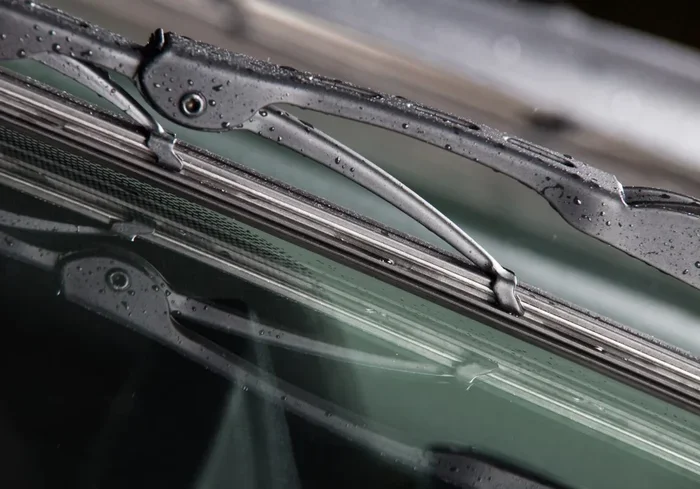
How to Turn Off the Rear Windshield Wiper on a Volkswagen
Turning off the rear windshield wiper on a Volkswagen is simple once you know where to look. Whether you drive a Jetta, Tiguan, or Passat, the process involves locating the wiper stalk, checking your settings, or resetting the control module. This guide walks you through every method with clear steps and helpful tips.
This is a comprehensive guide about How to Turn Off Rear Windshield Wiper on Volkswagen.
Key Takeaways
- Locate the wiper stalk on the left side of the steering column to access rear wiper controls on most Volkswagen models.
- Switch the rear wiper to the “off” position by pushing the stalk down or toggling the button on the dashboard.
- Check the fuse box if the rear wiper will not turn off, as a blown fuse can cause it to stay active.
- Reset the wiper control module by disconnecting the battery for a few minutes to clear any error codes.
- Rain-sensing wiper systems on newer Volkswagens may need a software reset or manual override to disable the rear wiper.
- Regular maintenance of your wiper blades and fluid system helps prevent unexpected wiper behavior.
[FEATURED_IMAGE_PLACEHOLDER]
How to Turn Off the Rear Windshield Wiper on a Volkswagen
If you own a Volkswagen and the rear windshield wiper keeps running when you do not want it to, you are not alone. This is a common issue that many VW drivers face. The good news is that fixing it is usually straightforward. Whether your rear wiper is stuck on or you simply want to disable it, this guide has you covered. We will walk you through every method step by step.
The rear windshield wiper on a Volkswagen serves an important purpose. It clears rain, snow, and debris from the back window while you drive. But sometimes it becomes a nuisance. Maybe it turns on by itself, or perhaps you just do not need it during dry weather. Whatever the reason, knowing how to turn it off gives you more control over your driving experience. Let us dive into the details.
Why Does the Rear Wiper Turn On by Itself?
Before we get into the solutions, it helps to understand why the rear wiper might be acting up. Several factors can cause this behavior. A faulty wiper relay is one of the most common culprits. The relay controls the electrical current that powers the wiper motor. When it malfunctions, the wiper may keep running even when you turn it off.
Another reason could be a stuck wiper switch. The switch on your steering column or dashboard sends signals to the wiper motor. Over time, wear and tear can cause the switch to get stuck in the “on” position. Moisture inside the switch can also cause short circuits that keep the wiper active.
In some Volkswagen models, the rain-sensing wiper system is to blame. These advanced systems use sensors to detect rain on the windshield. When the sensor detects moisture, it automatically activates the wipers. If the sensor is dirty or malfunctioning, it may trigger the rear wiper at the wrong times. A blown wiper fuse can also cause strange wiper behavior that seems unrelated to the actual problem.
Method 1: Use the Wiper Stalk to Turn Off the Rear Wiper
The most common way to control the rear windshield wiper on a Volkswagen is through the wiper stalk. This is the lever located on the left side of your steering column. Almost all Volkswagen models use this system, including the Jetta, Passat, Tiguan, and Golf. Learning how to use it properly solves most wiper issues.
Here is how to turn off the rear wiper using the stalk:
- Step 1: Park your Volkswagen in a safe, stationary position.
- Step 2: Locate the wiper stalk on the left side of the steering column.
- Step 3: Push the stalk downward toward the floor of the car.
- Step 4: Hold it in the downward position for about two seconds.
- Step 5: Release the stalk and check if the rear wiper has stopped.
On most Volkswagen models, pushing the stalk down once activates the rear wiper for a single swipe. Pushing it down repeatedly cycles through different wiper modes. The bottom position usually turns the wiper off completely. If your wiper is still running after this, move on to the next method.
Some Volkswagen models have a rotary dial instead of a stalk. If your car has one, simply rotate the dial to the “off” position. This is usually marked with a wiper icon with a line through it. The dial is typically located near the steering column on the left side of the dashboard.
Wiper Stalk Positions Explained
Understanding the different positions on your wiper stalk helps you troubleshoot more effectively. Here is what each position typically does on a Volkswagen:
- Off: The wiper is completely disabled. No movement occurs.
- Interval: The wiper operates at timed intervals, usually adjustable by turning a dial.
- Low Speed: The wiper moves at a slower, steady pace.
- High Speed: The wiper moves quickly across the windshield.
- Single Wipe: The wper performs one swipe and stops automatically.
Knowing these positions helps you identify where the stalk might be stuck. Sometimes the stalk rests between two positions, causing the wiper to behave unpredictably. Gently move the stalk through all positions to ensure it clicks firmly into the “off” setting.
Method 2: Disable the Rear Wiper Through the Dashboard Controls
Many newer Volkswagen models come equipped with dashboard controls that allow you to manage the rear wiper separately from the front wipers. This is especially common in models like the Volkswagen Tiguan, Atlas, and Arteon. These vehicles often feature digital dashboard displays that give you more granular control over your wiper settings.
To access the rear wiper controls through the dashboard:
- Step 1: Start your Volkswagen and press the menu button on the dashboard.
- Step 2: Navigate to the “Vehicle Settings” or “Car Settings” menu.
- Step 3: Look for the “Wiper Settings” or “Windshield” option.
- Step 4: Select the rear wiper toggle and switch it to “Off.”
- Step 5: Confirm the setting and exit the menu.
On some Volkswagen models, you may need to hold the wiper button on the dashboard for three seconds to access the rear wiper settings. The button is usually located near the steering wheel on the right side. It may have a wiper icon with a small arrow pointing to the rear of the vehicle.
If you cannot find the rear wiper setting in the dashboard menu, check your owner’s manual. Every Volkswagen model has slight differences in how the controls are laid out. The manual will show you exactly where to look and what each setting does. You can also find this information on the Volkswagen website by entering your specific model and year.
What If the Dashboard Controls Do Not Work?
If the dashboard controls do not respond, there may be a deeper issue at play. A faulty control module could be preventing the signal from reaching the wiper motor. The control module is the small computer that manages all electronic functions related to the wiper system. When it fails, the wipers may ignore your commands entirely.
In this case, you may need to reset the wiper control module. We will cover how to do that in the next section. Before attempting any electrical work, always make sure your Volkswagen is turned off and the key is removed from the ignition.
Method 3: Reset the Wiper Control Module
Resetting the wiper control module is one of the most effective ways to fix a rear wiper that will not turn off. The control module manages all communication between the wiper switch, the fuse, and the wiper motor. When it gets confused or develops an error, the wiper may keep running no matter what you do.
Here is how to reset the module:
- Step 1: Turn off your Volkswagen and remove the key from the ignition.
- Step 2: Open the hood and locate the car battery.
- Step 3: Using a wrench, disconnect the negative battery cable first.
- Step 4: Wait for at least five minutes.
- Step 5: Reconnect the negative battery cable and tighten it securely.
- Step 6: Start the car and test the rear wiper.
This simple reset clears any error codes stored in the wiper control module. It also resets all electronic systems in your Volkswagen to their default settings. Most drivers find that this resolves the issue completely. If the rear wiper still will not turn off after the reset, there may be a hardware problem that needs professional attention.
Important: Always disconnect the negative battery cable first. This prevents short circuits and protects your vehicle’s electrical system. Reconnecting the positive cable first can cause sparks and damage sensitive electronics.
When to Seek Professional Help
Sometimes the problem goes beyond a simple reset. If you notice any of the following signs, it is time to visit a mechanic or Volkswagen dealership:
- The rear wiper makes grinding or scraping noises.
- The wiper blade moves erratically or jumps across the glass.
- You see visible damage to the wiper motor or linkage.
- The wiper fuse blows repeatedly after you replace it.
- The dashboard displays a wiper-related warning light.
These symptoms suggest a more serious electrical or mechanical issue. A trained technician can diagnose the problem using specialized tools and replace any damaged components. Trying to fix these issues yourself could void your warranty or cause further damage to your vehicle.
Common Mistakes When Trying to Turn Off the Rear Wiper
Many Volkswagen owners make mistakes when trying to disable the rear windshield wiper. Avoiding these common errors saves you time and frustration. Here are the mistakes to watch out for:
Mistake 1: Ignoring the Fuse Box
Before trying any complex fixes, always check the fuse box first. A blown wiper fuse is one of the most common reasons a rear wiper stays on or behaves strangely. The fuse box in a Volkswagen is usually located under the dashboard on the driver’s side or in the engine compartment. Refer to your owner’s manual to find the exact location of the wiper fuse.
If the fuse is blown, replacing it is a quick and inexpensive fix. You can buy replacement fuses at any auto parts store for just a few dollars. Make sure to replace the fuse with one that has the same amperage rating. Using the wrong fuse can cause electrical problems or even damage the wiper motor.
Mistake 2: Forcing the Wiper Stalk
Some drivers try to force the wiper stalk into different positions when it is not working. This is a bad idea. Applying too much pressure can break the stalk or damage the switch underneath. If the stalk feels stuck or does not click into place, stop trying to force it. Instead, take your Volkswagen to a mechanic who can replace the switch safely.
Mistake 3: Neglecting Wiper Blade Maintenance
Worn or damaged wiper blades can cause the wiper system to work harder than it should. This extra strain can lead to motor burnout or electrical issues. Replacing your wiper blades regularly keeps the entire system running smoothly. Most experts recommend changing your wiper blades every six to twelve months.
If you are unsure which wiper blade size to use, check your owner’s manual or ask a parts specialist at an auto store. Using the wrong size blade can reduce visibility and put unnecessary stress on the wiper motor.
Mistake 4: Not Consulting the Owner’s Manual
Every Volkswagen model has unique features and settings. The owner’s manual is the best resource for understanding how your specific vehicle’s wiper system works. Skipping this step can lead to confusion and wasted effort. Take a few minutes to read the wiper section of your manual. It will save you a lot of trouble in the long run.
Preventive Maintenance Tips for Your Volkswagen Wipers
Keeping your rear windshield wiper in good condition prevents most issues before they start. Regular maintenance is the key to a reliable wiper system. Here are some simple tips to follow:
- Clean your wiper blades regularly with a damp cloth to remove dirt and grime buildup.
- Replace wiper blades every six to twelve months or when you notice streaking.
- Check wiper fluid levels monthly and top off as needed.
- Inspect the wiper motor during routine oil changes or service visits.
- Keep the rear windshield clean to reduce the workload on the wiper system.
- Avoid using wipers on a dry windshield as this wears down the blades faster.
Following these tips extends the life of your wiper system and keeps you safe on the road. A well-maintained wiper system is especially important during rainy or snowy conditions when visibility matters most.
How to Know When Your Rear Wiper Blade Needs Replacement
Your rear wiper blade shows clear signs when it needs replacing. Look out for these indicators:
- Streaking: The wiper leaves streaks or smears across the glass.
- Skipping: The blade skips across the windshield instead of gliding smoothly.
- Chattering: The blade makes a chattering or squeaking noise during operation.
- Splitting: You can see visible cracks or splits in the rubber edge of the blade.
- Reduced Coverage: The blade does not cover the full width of the rear window.
Replacing a wiper blade is one of the easiest car maintenance tasks you can do at home. You simply lift the blade away from the windshield, press the release tab, and slide the new blade into place. It takes just a few minutes and costs around $10 to $20 per blade.
FAQ
Can I legally drive without a rear windshield wiper on my Volkswagen?
In most states and countries, you must have a working rear wiper if your vehicle originally came equipped with one. Laws vary by location, so check your local regulations. If you are unsure, you can visit the relevant page on whether you legally have to have a rear wiper to learn more about the requirements in your area. Driving without a required rear wiper could result in a citation or failed inspection.
Why does my Volkswagen rear wiper keep turning on by itself?
This is usually caused by a faulty wiper relay, a stuck wiper switch, or a malfunctioning rain-sensing system. A blown fuse or a glitch in the wiper control module can also trigger this behavior. Try resetting the control module first. If the problem persists, have a professional inspect the electrical components of your wiper system.
How much does it cost to fix a rear wiper that will not turn off?
The cost depends on the root cause. Replacing a wiper fuse costs just a few dollars. A new wiper switch typically runs between $50 and $150 for parts and labor. Replacing the wiper control module can cost anywhere from $150 to $400 depending on your Volkswagen model. Always get a quote from a trusted mechanic before proceeding with repairs.
Can I use a different size wiper blade for my Volkswagen rear wiper?
No, you should always use the wiper blade size recommended for your specific Volkswagen model. Using the wrong size can reduce visibility, damage the wiper arm, and put extra strain on the motor. Check your owner’s manual or consult a parts specialist to find the correct blade size. You can also learn more about wiper blade sizing and compatibility in our guide on whether you can use a 21 wiper blade instead of a 20 for more context on blade sizing.
Does rain-sensing wiper technology work on the rear windshield of a Volkswagen?
Yes, many newer Volkswagen models equipped with rain-sensing wipers include the rear wiper in the sensor system. The sensor detects moisture on the rear glass and activates the wiper automatically. If the sensor is dirty or malfunctioning, the rear wiper may activate at inappropriate times. Cleaning the sensor with a soft cloth often resolves this issue.
How do I know if my Volkswagen rear wiper fuse is blown?
A blown fuse is one of the easiest problems to identify. Open the fuse box and locate the wiper fuse using your owner’s manual. Remove the fuse and inspect the metal filament inside. If the filament is broken or melted, the fuse is blown. Replace it with a new fuse of the same amperage rating. If the new fuse blows immediately, there is a deeper electrical issue that needs professional diagnosis.
Conclusion
Knowing how to turn off the rear windshield wiper on a Volkswagen is an essential skill for every VW owner. Whether you use the wiper stalk, the dashboard controls, or a control module reset, the steps are simple and doable for most drivers. Regular maintenance of your wiper system keeps everything running smoothly and prevents unexpected issues on the road.
Start with the simplest solution, which is adjusting the wiper stalk or dashboard settings. If that does not work, check the fuse box and try resetting the control module. And if none of these fixes solve the problem, do not hesitate to seek professional help. A qualified mechanic can diagnose and repair even the most stubborn wiper issues.
Taking care of your Volkswagen means taking care of every detail, including the rear windshield wiper. With the right knowledge and a little patience, you can keep your wiper system working exactly the way you want it. Drive safely and enjoy clear visibility in all conditions.
Frequently Asked Questions
What is How to Turn Off Rear Windshield Wiper on Volkswagen?
How to Turn Off Rear Windshield Wiper on Volkswagen is an important topic with many practical applications.