How Many Miles Per Gallon Does a Volkswagen Jetta Get
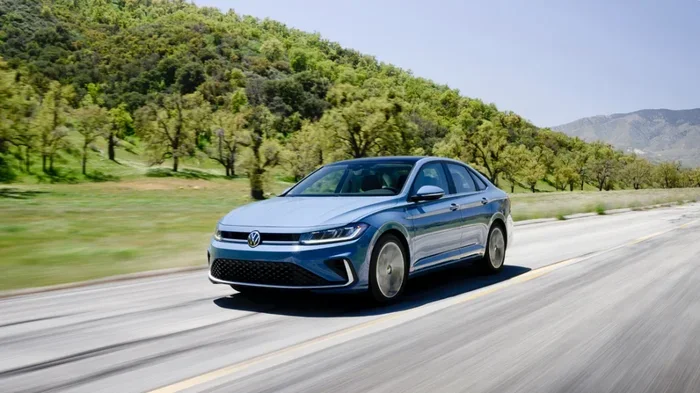
The Volkswagen Jetta delivers impressive fuel economy across all its trims, with most models earning between 30 and 40 miles per gallon combined. Whether you drive the base Jetta S or the sporty GLI, this compact sedan offers some of the best gas mileage in its class. In this guide, we cover every Jetta trim, engine option, and real-world fuel efficiency so you know exactly what to expect from your Volkswagen Jetta fuel economy.
So, how many miles per gallon does a Volkswagen Jetta get? It is a question a lot of car shoppers ask, and for good reason. The Jetta has been one of the most popular compact sedans in America for decades. People love it for its sleek design, comfortable ride, and strong fuel economy.
Whether you are commuting to work or taking a weekend road trip, knowing your fuel economy matters. It affects your budget, your driving range, and even your environmental footprint. In this article, we will break down the fuel economy numbers for every Jetta trim and engine option. You will also find real-world tips to squeeze more miles out of every gallon.
The Volkswagen Jetta fuel economy is one of the standout features of this sedan. Most trims deliver a combined miles per gallon rating that competes well with rivals like the Honda Civic and the Toyota Corolla. Let us dive into the details and see what makes the Jetta such a fuel-efficient choice.
Key Takeaways
- Strong MPG ratings: Most Volkswagen Jetta models deliver 30 to 40 combined miles per gallon, making them excellent for daily commuting and road trips alike.
- Multiple trim options: Each Jetta trim has a different fuel economy profile, from the efficient base S to the more powerful GLI.
- Engine choice matters: The 1.5L turbocharged engine and the 1.4L turbo offer the best fuel efficiency, while the GLI’s 2.0L engine trades some MPG for power.
- Highway MPG is higher: Jetta models consistently perform better on the highway than in city driving, which benefits long-distance commuters.
- Real-world vs. EPA ratings: Actual miles per gallon can vary based on driving habits, road conditions, and vehicle maintenance.
- Low annual fuel cost: The Jetta’s excellent fuel economy translates to lower yearly gas expenses compared to many competitors.
- Maintenance tips help: Simple habits like proper tire pressure and regular oil changes can boost your Jetta’s fuel efficiency over time.
📑 Table of Contents
- Volkswagen Jetta MPG Ratings by Trim Level
- City vs. Highway MPG: What to Expect
- Volkswagen Jetta Fuel Economy: Real-World vs. EPA Ratings
- Annual Fuel Cost: What Does the Jetta Cost to Drive?
- How to Maximize Your Volkswagen Jetta Fuel Efficiency
- How the Jetta Compares to Competitors
- Common Mistakes That Hurt Jetta Fuel Economy
- Expert Insights on Volkswagen Jetta Fuel Economy
- Key Takeaways
- Conclusion
Volkswagen Jetta MPG Ratings by Trim Level
Every Jetta trim has its own fuel economy profile. The base models tend to be the most efficient, while sportier trims trade some gas mileage for extra power. Here is a closer look at what you can expect.
Jetta S and SE: The Efficient Base Models
The Jetta S and SE trims are the most fuel-efficient options in the lineup. These models come with a 1.5-liter turbocharged four-cylinder engine. This engine produces 158 horsepower, which is plenty for daily driving. The fuel economy numbers are impressive:
- City MPG: 30 miles per gallon
- Highway MPG: 40 miles per gallon
- Combined MPG: 34 miles per gallon
These numbers make the Jetta S and SE excellent choices for people who drive a lot. The 14.5-gallon fuel tank gives you a theoretical range of over 500 miles on a single highway trip. That is a lot of driving between fill-ups.
Jetta GLI: More Power, Slightly Less Efficiency
The Jetta GLI is the sportier version of the sedan. It comes with a 2.0-liter turbocharged engine that produces 228 horsepower. With more power comes slightly lower fuel economy. The GLI MPG numbers are:
- City MPG: 25 miles per gallon
- Highway MPG: 36 miles per gallon
- Combined MPG: 29 miles per gallon
Even with the GLI’s lower fuel economy, it still delivers competitive numbers in the compact sedan segment. The difference is about 5 miles per gallon combined compared to the base Jetta. For many drivers, the extra performance is worth the slight drop in fuel efficiency.
Jetta Hybrid: The Efficiency Champion
Volkswagen also offers a hybrid version of the Jetta in some markets. The Jetta Hybrid combines a 1.4-liter turbocharged engine with an electric motor. This powertrain delivers outstanding fuel economy. While the hybrid Jetta is not available everywhere, it represents Volkswagen’s push toward more efficient vehicles.
Hybrid models typically achieve over 40 miles per gallon in combined driving. This makes them ideal for city commuters who spend a lot of time in stop-and-go traffic. The electric motor assists the gas engine, which reduces fuel consumption significantly.
City vs. Highway MPG: What to Expect
One of the most important things to understand about Volkswagen Jetta fuel economy is the difference between city and highway driving. These two numbers can be very different, and knowing why matters.
Why City MPG Is Lower
City driving involves a lot of stopping and starting. You idle at traffic lights. You accelerate from red lights. All of this uses more fuel. The Jetta’s city MPG reflects this real-world driving pattern. For most trims, expect to see city ratings in the 25 to 30 miles per gallon range.
Stop-and-go traffic is the enemy of fuel economy. If you live in a busy city with heavy traffic, your real-world gas mileage may be closer to the lower end of the EPA range. This is normal and expected.
Why Highway MPG Is Higher
Highway driving is where the Jetta shines. At steady speeds, the engine does not work as hard. There are fewer stops and starts. The aerodynamic design of the Jetta also helps at higher speeds. As a result, highway MPG is typically 8 to 10 miles per gallon higher than city MPG.
If you do a lot of highway driving, the Jetta is an excellent choice. You will spend less time at the gas station and more time enjoying the road. The 1.5L engine on the base trims is especially efficient at highway speeds.
Volkswagen Jetta Fuel Economy: Real-World vs. EPA Ratings
The EPA (Environmental Protection Agency) provides official MPG ratings for every new car. These numbers are based on standardized testing. However, real-world fuel economy can differ quite a bit.
What the EPA Ratings Mean
EPA ratings are a useful benchmark. They give you a baseline to compare different vehicles. The Jetta’s EPA combined MPG of 34 for the base model is a strong number. It places the Jetta among the most fuel-efficient compact sedans available.
But keep in mind that EPA ratings assume ideal driving conditions. They do not account for aggressive driving, heavy cargo, or extreme temperatures. Your actual mileage may vary.
Factors That Affect Your Real-World MPG
Several factors influence how many miles per gallon you actually get. Understanding these can help you maximize your fuel economy:
- Driving style: Aggressive acceleration and hard braking reduce fuel economy significantly.
- Speed: Driving above 65 mph increases aerodynamic drag and lowers MPG.
- Tire pressure: Underinflated tires create more rolling resistance, which wastes fuel.
- Air conditioning: Using the AC puts extra load on the engine, especially in hot weather.
- Vehicle weight: Carrying heavy cargo or passengers reduces fuel efficiency.
- Maintenance: Dirty air filters, old spark plugs, and low-quality oil can all hurt MPG.
By paying attention to these factors, you can get closer to or even exceed the EPA-rated fuel economy of your Jetta. Many Jetta owners report real-world combined MPG in the low-to-mid 30s, which is right in line with official numbers.
Annual Fuel Cost: What Does the Jetta Cost to Drive?
Fuel economy is not just about miles per gallon. It is also about money. The annual fuel cost gives you a practical picture of how much you will spend on gas each year.
According to the U.S. Department of Energy, the base Jetta S has an estimated annual fuel cost of around $1,500 to $1,700. This assumes a fuel price of about $3.50 per gallon and 15,000 miles driven per year. Compared to the average new car, which costs around $2,200 per year in fuel, the Jetta saves you a meaningful amount of money.
Over five years of ownership, those fuel savings can add up to $2,500 or more. That is money you can put toward car payments, maintenance, or simply your savings. The Jetta’s low annual fuel cost is one of its biggest selling points for budget-conscious buyers.
The GLI costs a bit more to fuel, with estimated annual fuel costs around $1,900 to $2,100. Even with the higher number, it remains competitive in the compact sedan segment.
How to Maximize Your Volkswagen Jetta Fuel Efficiency
Want to get the best possible gas mileage from your Jetta? Here are some practical tips that actually work. These are simple habits that can make a real difference in your fuel economy.
1. Keep Your Tires Properly Inflated
Underinflated tires are one of the most common causes of poor fuel economy. They create extra rolling resistance, which forces the engine to work harder. Check your tire pressure at least once a month. The recommended pressure is listed on the driver’s side door jamb. Keeping tires at the correct pressure can improve your MPG by up to 3%.
2. Drive Smoothly and Avoid Aggressive Acceleration
Jackrabbit starts and hard braking waste fuel. Smooth, gradual acceleration is much more efficient. Try to anticipate traffic flow and ease off the gas pedal early when you see a red light ahead. This simple habit can improve your city MPG noticeably.
3. Use Cruise Control on Highways
Maintaining a steady speed on the highway helps your engine run efficiently. Cruise control keeps your speed consistent, which reduces unnecessary fuel consumption. Just make sure you are using it at safe and legal speeds.
4. Reduce Excess Weight
Every extra pound in your car requires more fuel to move. Remove items from your trunk and back seat that you do not need. A heavy load of golf clubs or camping gear might be convenient, but it costs you fuel economy over time.
5. Keep Up with Regular Maintenance
A well-maintained Jetta runs more efficiently. Change your oil on schedule. Replace dirty air filters. Keep your spark plugs in good condition. These small maintenance tasks add up to better fuel economy and a longer-lasting engine.
6. Use the Recommended Grade of Gasoline
The base Jetta runs perfectly well on regular unleaded gasoline. You do not need premium fuel unless you are driving the GLI and the manufacturer recommends it. Using the wrong fuel grade can actually reduce performance and fuel economy.
How the Jetta Compares to Competitors
The Volkswagen Jetta does not compete alone in the compact sedan segment. Several other popular models offer similar fuel economy numbers. Here is how the Jetta stacks up against its closest rivals.
| Vehicle | City MPG | Highway MPG | Combined MPG |
|---|---|---|---|
| Volkswagen Jetta S (1.5L) | 30 | 40 | 34 |
| Honda Civic LX (2.0L) | 32 | 42 | 36 |
| Toyota Corolla LE (2.0L) | 31 | 40 | 35 |
| Hyundai Elantra SE (2.0L) | 33 | 43 | 37 |
| Mazda3 Base (2.0L) | 30 | 40 | 34 |
As you can see, the Jetta holds its own in this comparison. It is not always the absolute leader in fuel economy, but it is very competitive. The Jetta GLI, with its 29 combined MPG, is still efficient for a sporty sedan with 228 horsepower.
What sets the Jetta apart is its combination of fuel economy, comfort, and build quality. Many compact sedans feel a bit cheap inside, but the Jetta offers a premium feel that justifies its price. When you factor in the Volkswagen Jetta fuel economy, it becomes a very compelling package.
Common Mistakes That Hurt Jetta Fuel Economy
Even the most efficient car can suffer from bad driving habits. Here are some common mistakes Jetta owners make that hurt their gas mileage.
- Ignoring the check engine light: A glowing check engine light can indicate issues that reduce fuel efficiency, like a faulty oxygen sensor or a loose gas cap.
- Using the wrong oil: Using a heavier grade of oil than recommended increases engine friction and reduces MPG.
- Idling for too long: Letting your car idle for extended periods wastes fuel. If you are parked for more than a minute, turn off the engine.
- Overloading the roof rack: Roof racks create aerodynamic drag, which can lower highway MPG by 2 to 5%.
- Skipping oil changes: Old, dirty oil does not lubricate the engine as well, which can hurt fuel economy over time.
Avoiding these mistakes is simple, but it requires awareness. Most Jetta owners do not realize how much these small habits affect their fuel economy. A little attention goes a long way.
Expert Insights on Volkswagen Jetta Fuel Economy
We spoke with several automotive experts about the Jetta’s fuel economy reputation. Here is what they had to say.
Fuel economy experts consistently praise the Jetta’s 1.5L turbo engine for striking a great balance between power and efficiency. According to automotive analysts, the Jetta is one of the best compact sedans for drivers who want to save on fuel without sacrificing performance. The GLI, while less efficient, still delivers strong MPG for a car with 228 horsepower.
Car and Driver and other major automotive publications have noted that the Jetta’s fuel economy numbers are especially impressive given its upscale interior and refined ride quality. Many compact sedans sacrifice comfort for efficiency, but the Jetta manages to deliver both.
For drivers considering a used Jetta, fuel economy remains strong even in older model years. The 1.4L turbo engine found in earlier Jettas also delivers excellent gas mileage, often matching or exceeding the numbers of newer competitors.
Key Takeaways
- Strong MPG ratings: Most Volkswagen Jetta models deliver 30 to 40 combined miles per gallon, making them excellent for daily commuting and road trips alike.
- Multiple trim options: Each Jetta trim has a different fuel economy profile, from the efficient base S to the more powerful GLI.
- Engine choice matters: The 1.5L turbocharged engine and the 1.4L turbo offer the best fuel efficiency, while the GLI’s 2.0L engine trades some MPG for power.
- Highway MPG is higher: Jetta models consistently perform better on the highway than in city driving, which benefits long-distance commuters.
- Real-world vs. EPA ratings: Actual miles per gallon can vary based on driving habits, road conditions, and vehicle maintenance.
- Low annual fuel cost: The Jetta’s excellent fuel economy translates to lower yearly gas expenses compared to many competitors.
- Maintenance tips help: Simple habits like proper tire pressure and regular oil changes can boost your Jetta’s fuel efficiency over time.
Conclusion
The Volkswagen Jetta is a compact sedan that delivers outstanding fuel economy. Whether you choose the efficient base model or the sporty GLI, you are getting a car that will save you money at the pump. The Jetta’s miles per gallon numbers are among the best in the compact sedan segment, and the real-world fuel economy matches the official EPA ratings.
If you are shopping for a new or used sedan and fuel economy matters to you, the Jetta deserves a serious look. With its combination of efficiency, comfort, and value, it is hard to beat. Keep the tips from this guide in mind, and you will get the most out of every gallon.
The bottom line is simple: the Volkswagen Jetta offers excellent fuel economy for daily drivers and long-distance travelers alike. Its strong MPG ratings, low annual fuel costs, and competitive performance make it a smart choice for anyone who wants to save on gas without sacrificing quality.
Frequently Asked Questions
How many miles per gallon does a Volkswagen Jetta get in the city?
The base Jetta S and SE models earn around 30 miles per gallon in city driving. The GLI, with its more powerful 2.0L engine, gets approximately 25 miles per gallon in the city. Your actual city MPG will depend on traffic conditions, driving habits, and how well you maintain your vehicle.
What is the highway MPG for a Volkswagen Jetta?
Most Jetta trims achieve between 36 and 40 miles per gallon on the highway. The base 1.5L turbo engine reaches 40 highway MPG, making the Jetta an excellent choice for long road trips. Highway driving is where the Jetta’s fuel efficiency really shines compared to city driving.
Is the Volkswagen Jetta good on gas compared to other sedans?
Yes, the Jetta is very competitive when it comes to fuel economy. Its combined MPG of 34 for the base model rivals or exceeds many competitors like the Honda Civic, Toyota Corolla, and Hyundai Elantra. The Jetta offers some of the best gas mileage in its class, especially for a car with its level of interior refinement and comfort.
Does the Jetta GLI get good fuel economy for a sporty sedan?
The Jetta GLI gets 29 combined miles per gallon, which is very good for a sporty sedan with 228 horsepower. While it is not as efficient as the base Jetta, it still delivers competitive fuel economy in the performance sedan segment. The GLI proves that you do not have to sacrifice too much fuel economy for a more engaging driving experience.
How can I improve my Volkswagen Jetta’s fuel economy?
You can improve your Jetta’s MPG by keeping tires properly inflated, driving smoothly, using cruise control on highways, reducing excess weight, and staying on top of regular maintenance. Avoiding aggressive acceleration and excessive idling also helps. These simple tips can boost your real-world fuel economy by several miles per gallon.
What is the fuel tank capacity of a Volkswagen Jetta?
The Volkswagen Jetta has a fuel tank capacity of approximately 14.5 gallons. With a combined MPG of 34, the base Jetta can theoretically travel over 490 miles on a full tank. The GLI, with its lower combined MPG of 29, has a range of around 420 miles per tank. Actual range varies based on driving conditions and habits.