How Haval Prioritizes Safety for All Road Conditions
Haval has built its reputation on putting safety first in every vehicle it designs and engineers. From advanced driver assistance systems to strong body structures, Haval safety features are designed to protect drivers and passengers in real-world driving situations. This article breaks down exactly how Haval prioritizes safety across all road conditions, so you can feel confident every time you hit the road.
When you think about buying a new SUV, what matters most to you? For many drivers, the answer is simple: safety. And that is exactly where Haval shines. The brand has made it clear that protecting people on the road is not an afterthought. It is the foundation of every vehicle they build. Haval safety engineering goes far deeper than most buyers realize, touching everything from the frame to the software inside the cabin.
In this article, we will explore how Haval prioritizes safety for all road conditions. Whether you drive through heavy rain, navigate icy highways, or simply commute through busy city traffic, Haval has built systems to keep you protected. We will look at the technology, the engineering, and the real-world results that make Haval one of the most safety-focused brands in the SUV market today.
Key Takeaways
- Comprehensive Safety Design: Haval integrates safety into every stage of vehicle development, from frame engineering to electronic driver aids.
- Advanced Driver Assistance Systems: Features like collision avoidance, lane keeping assist, and adaptive cruise control help prevent accidents before they happen.
- Strong Structural Engineering: Haval vehicles use high-strength steel and smart crumple zones to absorb impact and protect occupants.
- All-Weather Safety Technology: Haval equips vehicles with systems that adapt to rain, snow, ice, and low-visibility driving conditions.
- Real-World Performance: Haval SUVs consistently earn strong safety ratings and positive reviews from crash test organizations worldwide.
- Continuous Innovation: Haval invests heavily in R&D to stay ahead of evolving safety standards and driver expectations.
📑 Table of Contents
- What Makes Haval Safety Different From Other Brands
- Advanced Driver Assistance Systems in Haval Vehicles
- Structural Engineering and Crash Protection
- Braking and Stability Technologies
- Haval Safety Features for All Weather Conditions
- Real-World Safety Performance and Ratings
- How Haval Continues to Innovate in Vehicle Safety
- Conclusion
What Makes Haval Safety Different From Other Brands
Haval does not treat safety as a checkbox. Instead, the company builds safety into the DNA of every vehicle from the very beginning. This approach sets Haval apart from competitors who bolt on safety features after the design phase is complete. Haval safety starts with a simple idea: every driver deserves to feel protected, no matter where the road takes them.
The company’s engineers focus on three core areas. First, they design strong structures that can absorb impact. Second, they develop smart electronic systems that help drivers avoid danger. Third, they test everything under extreme conditions to make sure it all works when it matters most. This three-part strategy is what gives Haval vehicles their strong reputation for reliability and protection.
A Safety-First Philosophy
Haval’s philosophy is straightforward. They believe safety should never be a luxury feature reserved for top trim levels. Instead, every Haval SUV comes loaded with essential safety equipment as standard. This means even their base models offer strong protection. The company understands that families need peace of mind, and they deliver that through thoughtful design and rigorous testing.
One reason Haval stands out is its global approach. The brand sells vehicles in dozens of countries, each with different road conditions and safety regulations. To serve all these markets, Haval engineers vehicles that exceed minimum standards. They aim for excellence, not just compliance. This global mindset pushes Haval to adopt the best safety practices from around the world.
Advanced Driver Assistance Systems in Haval Vehicles
Modern driving demands more than just a strong body. Today’s roads are full of distractions, unexpected obstacles, and dangerous situations that happen in a split second. Haval addresses this with a suite of advanced driver assistance systems, or ADAS. These smart technologies work together to keep you aware of your surroundings and help you react faster than human reflexes alone.
The Haval safety suite includes features that many drivers take for granted in newer vehicles. But what makes Haval stand out is how these systems work together seamlessly. They do not feel like separate gadgets bolted onto the car. Instead, they function as one integrated safety network that watches the road and responds when needed.
Collision Avoidance and Emergency Braking
Front collision warning and automatic emergency braking are at the heart of modern vehicle safety. Haval vehicles use radar and camera sensors to detect potential frontal collisions. When the system senses danger, it alerts the driver immediately. If the driver does not respond, the vehicle can apply the brakes automatically to reduce impact or avoid a crash entirely.
This technology is especially valuable in urban driving. City streets are full of pedestrians, cyclists, and sudden stops. Haval’s collision avoidance system is designed to recognize these vulnerable road users and react accordingly. The system works during both day and night, giving drivers confidence whether they are commuting in bright sunshine or driving home late at night.
Lane Keeping Assist and Lane Departure Warning
Lane departure is one of the leading causes of single-vehicle accidents. Fatigue, distraction, and daydreaming can cause a driver to drift out of their lane without realizing it. Haval addresses this with lane keeping assist, which gently guides the vehicle back into the correct lane if it begins to drift.
The lane departure warning system alerts the driver with visual and audible signals before any corrective action is needed. This gives the driver a chance to take control. But if they do not respond, the system steps in to help. For long highway drives or monotonous rural roads, this feature can make a real difference in preventing serious accidents.
Adaptive Cruise Control
Adaptive cruise control takes traditional cruise control to the next level. Instead of maintaining a fixed speed, Haval’s system adjusts your vehicle’s speed based on the traffic around you. If the car ahead slows down, your Haval slows down too. When the road clears, it accelerates back to the set speed.
This feature is a game-changer for highway driving. It reduces driver fatigue and helps maintain a safe following distance. Haval’s adaptive cruise control uses sensors to detect vehicles in the same lane and adjusts speed smoothly and naturally. The result is a more relaxed and safer driving experience, especially on long road trips.
Blind Spot Monitoring and Rear Cross-Traffic Alert
Changing lanes on busy highways can be stressful. Blind spots create dangerous zones that mirrors cannot always cover. Haval vehicles come equipped with blind spot monitoring that uses sensors to detect vehicles in your blind spots. A warning light appears on the side mirror or dashboard when a car is detected in your blind zone.
Rear cross-traffic alert is another valuable feature, especially when parking in crowded lots. When you are reversing out of a parking space, this system warns you of approaching vehicles from either side. It is a small feature that can prevent costly and dangerous accidents. Haval includes these systems as standard equipment in most trim levels, showing their commitment to all-around protection.
Structural Engineering and Crash Protection
Technology can only do so much. At the end of the day, the physical structure of a vehicle is the first line of defense in a crash. Haval invests heavily in structural engineering to ensure their SUVs can protect occupants in the worst-case scenarios. The result is a body that is both lightweight and incredibly strong.
The company uses high-strength steel and advanced materials in key areas of the vehicle. The passenger cabin, often called the safety cell, is built to remain rigid during a collision. Meanwhile, the front and rear sections are designed to crumple in a controlled way, absorbing energy and reducing the force transferred to the occupants. This approach is central to Haval safety engineering.
High-Strength Steel Framework
Haval uses a high percentage of high-strength and ultra-high-strength steel in their vehicle frames. This steel is much stronger than conventional steel used in older vehicles. It allows the vehicle to be lighter while still offering superior crash protection. The strategic placement of this steel creates a strong cage around the passenger compartment.
The frame design also considers how forces travel through the vehicle during a collision. Haval engineers carefully route crash forces away from the cabin and into the front and rear structures. This means the energy from an impact is managed and dissipated, rather than being transferred directly to the people inside. The result is significantly better crash protection compared to vehicles that use weaker or less intelligently designed frames.
Crumple Zone Design
Crumple zones are one of the most important safety features in any modern vehicle. These are areas of the car designed to deform and absorb energy during a collision. Haval designs crumple zones with precision, using computer simulations and real-world crash testing to get the performance just right.
The front crumple zone handles head-on collisions, while the rear crumple zone protects against rear-end impacts. Side structures are also reinforced to protect against T-bone crashes. Haval’s engineers pay attention to every angle, ensuring that no matter where a collision comes from, the vehicle is prepared. This comprehensive approach to crumple zone design is a hallmark of Haval safety standards.
Rollover Protection
SUVs have a higher center of gravity than sedans, which means rollover risk is a real concern. Haval addresses this with multiple layers of protection. Electronic stability control helps prevent rollovers by keeping the vehicle stable during sharp turns or sudden maneuvers. If a rollover does occur, the strong roof structure and reinforced pillars help maintain cabin integrity.
Haval also uses rollover sensing technology that can detect when a vehicle is about to tip. The system can apply brakes to individual wheels and reduce engine power to help stabilize the vehicle. Combined with strong structural design, this multi-layered approach gives Haval SUV occupants excellent protection in rollover scenarios.
Braking and Stability Technologies
Stopping power and vehicle stability are critical to avoiding accidents. Haval equips its vehicles with braking and stability systems that are designed to perform under pressure. These technologies work silently in the background, ready to act when the driver needs them most.
Electronic Stability Control
Electronic stability control, or ESC, is one of the most important safety features in any vehicle. It helps drivers maintain control during sudden maneuvers or on slippery surfaces. Haval’s ESC system uses sensors to monitor steering input, vehicle speed, and yaw rate. If the system detects that the vehicle is starting to slide or spin, it automatically applies brakes to individual wheels to help stabilize the vehicle.
This technology is especially valuable on wet roads, gravel, and icy surfaces. Many accidents happen because a driver loses control for just a split second. Haval’s ESC system acts faster than any human could, helping to correct the vehicle’s path and prevent a crash. It is one of those features you hope you never need, but will be incredibly grateful for if you do.
Brake Assist Technology
Brake assist detects when a driver is applying the brakes in an emergency. In a panic situation, many drivers do not press the brake pedal hard enough to activate the full braking power. Brake assist senses the urgency and boosts braking force to help the vehicle stop faster.
Haval’s brake assist system works hand in hand with electronic stability control and other safety features. Together, these systems create a comprehensive safety net that helps drivers avoid collisions. The technology is always active and always monitoring, which means you have an extra layer of protection every time you drive.
Traction Control for Slippery Roads
Driving on slippery surfaces like rain-soaked roads, ice, or loose gravel can be dangerous. Traction control helps prevent wheel spin when accelerating on low-grip surfaces. Haval’s traction control system works automatically, adjusting engine power and applying brakes to individual wheels to maintain grip.
This feature is particularly important for SUV drivers, since higher vehicles can be more susceptible to losing traction. Haval’s system helps keep the vehicle moving predictably, even in challenging conditions. Combined with all-wheel drive options available on many Haval models, traction control gives drivers confidence when road conditions are less than ideal.
Haval Safety Features for All Weather Conditions
Road conditions change constantly, and a truly safe vehicle must be ready for anything. Haval designs its safety systems to perform reliably in all weather conditions, from clear summer days to the harshest winter storms. This all-weather approach to safety is a key part of the Haval safety philosophy.
All-Weather Tire Technology
Tires are the only part of your vehicle that touches the road. Their condition and type have a huge impact on safety. Many Haval models come equipped with all-season tires designed to perform in a variety of conditions. These tires use specialized rubber compounds and tread patterns to maintain grip on wet, dry, and lightly snowy surfaces.
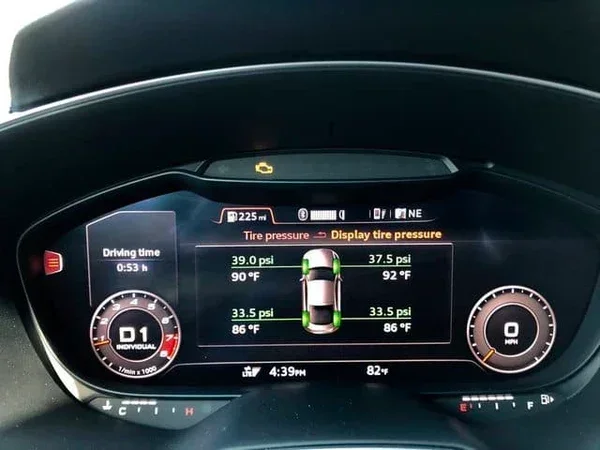
For buyers in colder climates, Haval offers models that can be fitted with winter tires. The company also includes tire pressure monitoring systems that alert drivers when tire pressure is low. Proper tire pressure is essential for safe handling and fuel efficiency. Haval makes it easy to stay on top of tire health with clear dashboard warnings and easy-to-read displays.
Visibility Enhancements
Good visibility is one of the most overlooked aspects of driving safety. Haval addresses this with several features designed to help drivers see clearly in all conditions. Heated windshield wipers, rain-sensing wipers, and auto-folding mirrors help keep your view clear during storms. Some Haval models also include heated seats and steering wheels, which help drivers stay comfortable and focused in cold weather.
Interior lighting is also carefully designed to reduce glare and eye strain during night driving. The dashboard layout uses high-contrast displays that are easy to read in bright sunlight or darkness. These small details add up to a safer, more comfortable driving experience in any weather.
All-Wheel Drive Systems
Haval offers intelligent all-wheel drive systems on many of its models. These systems automatically distribute power to the wheels that need it most, based on road conditions and driving behavior. On wet roads, power is sent to wheels with the best grip. On dry highways, the system may shift to two-wheel drive for better fuel efficiency.
The all-wheel drive system works seamlessly with Haval’s electronic stability control and traction control to keep the vehicle stable and responsive. This integrated approach means drivers do not need to make manual adjustments. The vehicle adapts to changing conditions automatically, providing consistent safety performance whether the road is dry, wet, or covered in snow.
Real-World Safety Performance and Ratings
All the technology in the world means little if it does not perform well in real-world testing. Haval vehicles have been put through rigorous crash tests and safety evaluations by organizations around the world. The results speak for themselves and reinforce Haval’s commitment to vehicle safety.
Several Haval models have earned top safety ratings from international crash test bodies. These ratings are based on tests that simulate real-world collisions, including frontal impacts, side impacts, and pole tests. Haval vehicles consistently perform well across all categories, earning praise from safety experts and consumers alike.
Crash Test Results
In independent crash tests, Haval SUVs have demonstrated strong structural integrity and excellent occupant protection. The passenger cabin remains well-preserved even in severe frontal and side impact scenarios. Airbags deploy with precise timing and force, cushioning occupants without causing injury from the airbag itself.
These results are no accident. They are the product of years of research, testing, and refinement. Haval engineers use data from every crash test to improve future designs. This continuous improvement cycle ensures that each new generation of Haval vehicles is safer than the last.
Customer Safety Reviews
Beyond official crash tests, real-world customer experiences also highlight Haval’s safety strengths. Many Haval owners report feeling confident and secure in their vehicles, even during challenging driving conditions. Owners frequently mention the peace of mind that comes from knowing their vehicle is equipped with modern safety technology.
Positive customer reviews are a testament to how well Haval’s safety features work in everyday driving. From families using Haval SUVs for road trips to commuters relying on their vehicles daily, the feedback consistently points to strong safety performance and reliable protection.
How Haval Continues to Innovate in Vehicle Safety
Safety is not a destination; it is an ongoing journey. Haval continues to invest in research and development to push the boundaries of what is possible in vehicle safety. The company’s engineers are constantly exploring new technologies and refining existing systems to stay ahead of emerging road safety challenges.
Looking ahead, Haval is focusing on several areas of innovation. These include improved pedestrian detection systems, more sophisticated driver monitoring technology, and enhanced connectivity features that can alert drivers to hazards in real time. The company is also exploring the use of artificial intelligence to make safety systems even more intuitive and responsive.
Future Safety Technologies
Haval is actively researching vehicle-to-vehicle communication, which would allow cars to share information about road conditions and potential hazards. This technology could revolutionize road safety by giving drivers advance warning of dangers they cannot yet see. While some of these features are still in development, Haval’s commitment to innovation ensures they will be part of the next generation of vehicles.
The company is also investing in autonomous driving technology that could reduce human error, which remains the leading cause of accidents worldwide. While fully autonomous vehicles are still on the horizon, Haval’s incremental advances in driver assistance are making roads safer today and laying the groundwork for an even safer tomorrow.
Global Safety Standards
Haval designs its vehicles to meet or exceed safety standards in every market where it sells. This includes regulations from Europe, Asia, North America, and other regions. By building to the highest global standards, Haval ensures that every vehicle delivers a consistent level of protection regardless of where it is sold.
The company also participates in international safety forums and collaborates with safety organizations to stay at the forefront of vehicle safety innovation. This global perspective helps Haval adopt best practices from around the world and apply them to their vehicles. For consumers, this means buying a Haval vehicle means buying a vehicle built to the best safety standards available.
Conclusion
Haval has proven time and again that safety is at the core of everything they do. From advanced driver assistance systems to strong structural engineering, every aspect of a Haval vehicle is designed with protection in mind. The brand’s commitment to Haval safety extends across all road conditions, all weather types, and all driving situations. Whether you are navigating a busy city intersection or cruising down a rural highway at night, Haval has the technology and engineering to keep you safe.
The combination of innovative technology, rigorous testing, and a genuine commitment to driver protection makes Haval one of the most compelling choices in the SUV market today. If you are looking for a vehicle that puts safety first without sacrificing style, comfort, or performance, Haval deserves a close look. With Haval, you are not just buying a car. You are investing in peace of mind for every journey ahead.
Frequently Asked Questions
What safety features come standard with Haval vehicles?
Most Haval models come standard with a comprehensive suite of safety features, including electronic stability control, multiple airbags, collision avoidance systems, and lane departure warning. The company believes that essential safety equipment should be available on every trim level, not just the most expensive ones. This commitment to standard safety equipment sets Haval apart from many competitors.
How does Haval perform in crash tests?
Haval vehicles consistently earn strong ratings in independent crash tests conducted by international safety organizations. The vehicles demonstrate excellent structural integrity, with the passenger cabin remaining well-preserved during impact tests. Airbag deployment is precise and effective, providing solid protection for occupants in frontal, side, and pole collision scenarios.
Are Haval SUVs safe for families?
Yes, Haval SUVs are designed with families in mind. They offer generous interior space, advanced safety technology, and strong crash protection. Many models include features like rear seat reminders, child safety seat anchors, and multiple airbags positioned to protect all occupants. The combination of technology and structural strength makes Haval SUVs a solid choice for family transportation.
Does Haval offer all-wheel drive for better safety in bad weather?
Yes, many Haval models offer intelligent all-wheel drive systems that automatically adjust power distribution based on road conditions. This helps maintain traction and stability on wet, icy, or gravelly surfaces. Combined with electronic stability control and traction control, Haval’s AWD systems provide confident handling in a wide range of weather conditions.
What makes Haval’s driver assistance technology unique?
Haval’s driver assistance technology stands out because it is designed to work as an integrated system rather than a collection of independent features. Radar, cameras, and sensors all communicate with each other to provide a comprehensive view of the road. This integration allows for smoother, more natural interventions that feel intuitive rather than intrusive, making the driving experience safer and more comfortable.
Is Haval investing in future safety innovations?
Absolutely. Haval is actively researching next-generation safety technologies, including vehicle-to-vehicle communication, advanced pedestrian detection, and autonomous driving features. The company invests heavily in R&D to ensure its vehicles stay at the forefront of automotive safety. This forward-thinking approach means Haval owners benefit from cutting-edge protection today while gaining access to even more advanced features in the future.