12v DC to 220V AC Car Power Inverter Guide and Tips
A 12v dc to 220v ac car power inverter lets you run household devices from your vehicle. This guide covers how they work, types available, and how to pick the right one. You will learn safety tips, top use cases, and maintenance basics. Car power inverters are essential for road trips, camping, and emergencies.
Have you ever been on a long road trip and wished you could plug in your laptop or charge your phone without hunting for a wall outlet? A 12v dc to 220v ac car power inverter solves that problem fast. It turns your car battery into a portable power station. This guide will walk you through everything you need to know.
You will learn how these devices work, what types exist, and how to pick the best one for your needs. We also cover safety tips, common mistakes, and practical uses. Whether you are a road tripper, a camper, or someone who wants backup power, this guide has you covered. Let us dive in.
## What Is a 12v DC to 220V AC Car Power Inverter?
A 12v dc to 220v ac car power inverter is a device that changes direct current (DC) from your car battery into alternating current (AC). Most household appliances run on AC power. Your car battery stores energy as DC power. The inverter bridges that gap so you can use normal electronics in your vehicle.
Think of it like a translator between your car and your devices. Your car speaks DC, and your laptop or TV speaks AC. The inverter makes them understand each other. This is incredibly useful when you are away from home.
### Why Do You Need One?
There are many situations where a car power inverter comes in handy. Road trips, camping adventures, and power outages are just a few examples. You can power small appliances like a mini fridge, a laptop, or even a coffee maker. Some people use them for their work vans or food trucks.
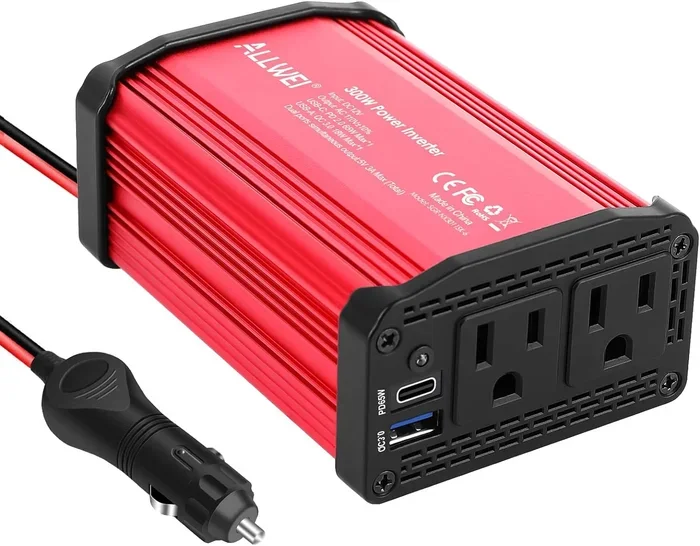
The beauty of a 12v to 220v inverter is its simplicity. You plug it into your cigarette lighter or connect it directly to the battery. Then you plug your device into the inverter. It works just like a wall outlet, but it runs on your car battery.
## How Does a Car Power Inverter Work?
Understanding how a dc to ac converter works helps you use it better. The process is simpler than you might think. Your car battery provides steady DC power. The inverter takes that DC power and flips it back and forth rapidly. This creates AC power that mimics what you get from a wall socket.
Inside the inverter, there are electronic components called transistors. These switch the current on and off thousands of times per second. This switching creates a wave pattern that resembles standard AC power. The better the wave pattern, the cleaner the power your devices receive.
### The Role of the Transformer
A transformer inside the inverter steps up the voltage. Your car battery produces 12 volts. Most household devices need 220 or 240 volts. The transformer increases the voltage from 12v to 220v. This is the core job of any inverter for vehicle use.
The transformer does not create energy. It just changes the voltage level. The power input and output stay roughly the same. This means if you pull 200 watts from the inverter, your battery loses about 200 watts. Efficiency losses are small but real.
## Types of Car Power Inverters
Not all inverters are the same. The two main types are pure sine wave and modified sine wave. Each has its strengths and weaknesses. Choosing the right one affects performance and safety.
### Pure Sine Wave Inverters
A pure sine wave inverter produces the smoothest, cleanest AC power. It closely matches the power from your home outlets. This makes it safe for sensitive electronics. Laptops, medical devices, and audio equipment all work best with pure sine power.
The downside is cost. Pure sine wave power inverters for car models are more expensive. They also tend to be larger and heavier. But if you need reliable, clean power, they are worth every penny. They also run quieter and produce less heat.
### Modified Sine Wave Inverters
A modified sine wave inverter produces a rougher AC waveform. It still works for many devices, but not all. Simple tools, phone chargers, and basic appliances handle it fine. However, some sensitive electronics may hum, overheat, or behave strangely.
Modified sine wave models are much cheaper. They are a good choice if you only need to charge phones or run basic devices. Just be careful with anything that has a motor or sensitive circuit board. The rougher waveform can shorten the life of some equipment.
## How to Choose the Right 12v to 220V Inverter
Picking the right 12v dc to 220v ac car power inverter depends on a few factors. You need to match the inverter to your actual power needs. Here is what to consider.
### Check Your Wattage Needs
Every device you want to power has a wattage rating. Check the label on your laptop, TV, or mini fridge. Add up all the wattages. Then choose an inverter with at least 20 to 30 percent more capacity. This buffer prevents the inverter from overloading.
For example, if your devices total 500 watts, get a 600 or 700 watt inverter. Going too small is a common mistake. It can cause the inverter to shut down or even damage your devices. Always plan for a little extra headroom.
### Continuous vs Peak Wattage
Inverters list two power ratings. Continuous wattage is what the inverter can handle forever. Peak wattage is the short burst it can handle when a device starts up. Motors and compressors need extra power at startup.
A mini fridge might draw 150 watts continuously but need 450 watts to start the compressor. If your inverter only handles 200 watts peak, it will trip. Always check both ratings. This is one of the most overlooked inverter usage tips.
### Portability and Size
Some portable power inverter models are small enough to fit in your glove box. Others are heavy units that mount in your trunk. Your choice depends on how you plan to use it. If you move the inverter between cars, go compact. If it stays in one vehicle, a larger model works fine.
Look for features like built-in USB ports, cooling fans, and LED displays. These add convenience. A built-in fan helps prevent inverter overheating, which we will cover soon.
## Safety Tips and Common Mistakes
Using a car battery inverter safely is extremely important. These devices draw a lot of power. If used incorrectly, they can cause problems. Here are the most important safety rules.
### Never Exceed the Wattage Limit
Every inverter has a maximum wattage rating. Exceeding it causes overheating and can damage the inverter. In extreme cases, it can even start a fire. Always stay below the rated continuous wattage. If your inverter keeps tripping, you are likely overloading it.
### Use the Right Cables
Thin cables cause voltage drops and heat buildup. Always use the thickest cables that fit your inverter. The cable length matters too. Longer cables lose more power as heat. Keep cable runs as short as possible for best results.
### Watch for Overheating
Inverter overheating is a real danger. If the unit feels too hot to touch, turn it off immediately. Let it cool down before using it again. Place the inverter in a well-ventilated area. Never cover it or put it near fabrics or plastics.
### Common Mistakes to Avoid
– Plugging in devices that exceed the wattage limit.
– Using damaged or frayed cables.
– Running the inverter with the car engine off for too long.
– Ignoring warning signs like strange smells or sounds.
– Forgetting to check the fuse rating.
Each of these mistakes can reduce the life of your inverter or create safety hazards. A blown inverter fuse is often the first sign of a problem. Check your fuse regularly and replace it with the correct rating.
## Best Uses for a Car Power Inverter
A 12v dc to 220v ac car power inverter opens up many possibilities. Here are the best and most popular uses.
### Road Trips and Camping
Road trips are the number one use for a car power inverter. You can charge laptops, run a GPS, power a small TV, or even make coffee. Campers love them because they let you enjoy home comforts in the wilderness. A small inverter powers lights, fans, and phone chargers all night long.
### Work and Business Use
Many professionals rely on inverters for road trips and work sites. Electricians, photographers, and delivery drivers often need AC power on the go. A portable power inverter keeps their tools and equipment running without a generator. It is quieter, cleaner, and cheaper than a gas generator.
### Emergency Backup Power
During power outages, a car inverter can keep essential devices running. Charge your phone, run a small fan, or power medical equipment. It is not meant to replace a whole-home generator. But for short-term needs, it works surprisingly well. Just make sure your car battery is charged.
### Food Trucks and Vans
Food truck owners and van dwellers use inverters for vehicle setups daily. They power blenders, microwaves, lights, and cooking equipment. These setups usually use larger inverters with direct battery connections. Proper wiring and fuse protection are essential in these permanent installations.
## Maintenance and Care Tips
Your car power inverter will last longer with basic care. Maintenance is simple and takes just a few minutes. Here is what you should do regularly.
First, keep the inverter clean. Dust and debris can block ventilation and cause overheating. Wipe it down with a dry cloth every few weeks. Check the cables for wear or damage. Replace any frayed cables right away.
Second, inspect the fan if your model has one. A blocked fan leads to inverter overheating and reduced efficiency. Use compressed air to clear any dust from the fan vents. This is one of the most overlooked inverter maintenance tips.
Third, check the connection points. Loose connections create heat and reduce power output. Tighten any terminals that feel wiggly. Use dielectric grease on connections to prevent corrosion. This simple step extends the life of your inverter significantly.
Fourth, do not run the inverter longer than necessary with the engine off. Your car battery will drain over time. If you need extended power, start the engine periodically to recharge the battery. A car battery inverter works best when the battery stays healthy.
## Key Takeaways
Here is a quick recap of everything we covered. A 12v dc to 220v ac car power inverter converts your car battery power into usable household electricity. Pure sine wave models deliver clean power for sensitive devices, while modified sine wave models are more budget-friendly. Always match the inverter wattage to your device needs and include a safety buffer. Safety tips like using proper cables, avoiding overloads, and watching for overheating are essential. The best uses include road trips, camping, work setups, and emergency backup power. With regular maintenance, your inverter will serve you reliably for years.
## Frequently Asked Questions
Can I run a microwave on a 12v dc to 220v ac car power inverter?
Microwaves draw a lot of power, usually 700 to 1200 watts. You would need a very large inverter and a powerful car battery. Most standard car inverters cannot handle a microwave for long periods. It is possible but not practical for everyday use.
How long can I run a car power inverter before the battery dies?
This depends on your battery size and the total wattage of your devices. A typical car battery has about 40 to 60 amp hours. A 200-watt inverter draws roughly 17 amps per hour. So a fully charged battery might last about 2 to 3 hours. Always monitor your battery voltage to avoid deep discharge.
Is a pure sine wave inverter really worth the extra cost?
Yes, if you plan to run sensitive electronics. Laptops, cameras, and medical devices work best with clean pure sine power. Modified sine wave inverters can cause humming, overheating, or performance issues with these devices. The extra cost is worth the protection and reliability.
Can I leave my inverter plugged in when the car is off?
You can, but only for short periods. Leaving it on drains your car battery over time. Most experts recommend turning the inverter off when the engine is not running. If you need overnight power, consider using a deep cycle battery instead of your starter battery.
What size inverter do I need for a laptop and phone charger?
A laptop uses about 50 to 100 watts, and a phone charger uses around 10 to 20 watts. That totals roughly 120 watts. A 300-watt inverter would handle this easily with plenty of room to spare. This is a great entry-level size for basic charging needs.
Do I need special wiring to install a car power inverter?
For small inverters under 300 watts, a cigarette lighter adapter works fine. For larger inverters, you should connect directly to the battery with thick cables. Always use an inline fuse near the battery. Proper wiring prevents voltage drops and reduces the risk of fire.
## Conclusion
A 12v dc to 220v ac car power inverter is one of the most useful automotive accessories you can own. It turns your vehicle into a mobile power station. Whether you are on a road trip, camping in the woods, or preparing for emergencies, it gives you reliable AC power on demand.
Choosing the right type, matching the wattage to your needs, and following safety rules will keep you and your devices safe. Pure sine wave models offer the best performance, while modified sine wave options are great for budget-conscious users. Regular maintenance keeps everything running smoothly.
Now that you understand how these inverters work and what to look for, you are ready to make the right choice. Car power inverters are simple, effective, and incredibly versatile. Pick the right one, use it safely, and enjoy the freedom of having household power wherever your vehicle takes you.
Key Takeaways
- Understand the basics: A 12v dc to 220v ac car power inverter converts DC battery power into AC household power.
- Choose the right type: Pure sine wave inverters deliver clean power, while modified sine wave models are more affordable.
- Match wattage to your needs: Always pick an inverter with higher wattage than your total device load.
- Safety comes first: Overheating, blown fuses, and wrong cable sizes are common risks to avoid.
- Maintenance matters: Regular checks keep your inverter running safely and efficiently for years.
- Portable options exist: Compact inverters are perfect for road trips, camping, and everyday use.
Frequently Asked Questions
What is 12v dc to 220v ac car power inverter?
12v dc to 220v ac car power inverter is an important topic with many practical applications.