Do Technicians Make More Than Mechanics Every Year
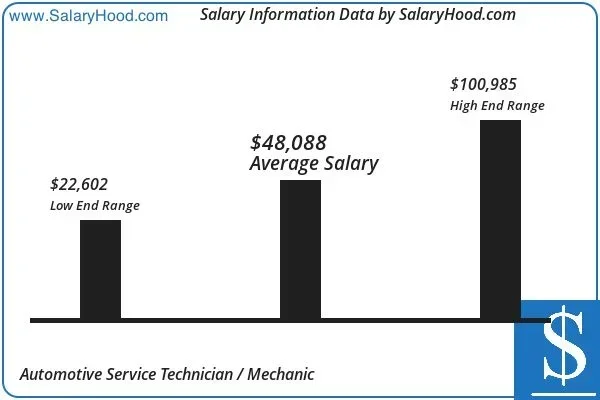
Do technicians make more than mechanics every year? The answer is often yes, but it depends on specialization, certifications, and work environment. Automotive technicians who hold advanced diagnostic certifications and work at dealerships frequently earn higher technician salaries than general mechanic earnings. Understanding the differences in job roles, education, and industry can help you choose the right automotive career path.
Key Takeaways
- Technicians often earn more: Specialized automotive technicians with ASE certifications and dealership roles typically command higher pay than general mechanics.
- Education matters: Formal training, trade school diplomas, and advanced degrees can significantly boost technician salaries compared to on-the-job mechanic training.
- Location and industry play big roles: Technician pay varies widely based on whether you work at a dealership, independent shop, or fleet maintenance center.
- Specialization increases earnings: Focusing on high-demand areas like diesel, hybrid systems, or advanced diagnostics can lead to top-tier mechanic earnings.
- Career growth is possible in both fields: Both technicians and mechanics can move into management, start their own businesses, or become instructors with experience.
- Certifications are key: ASE and manufacturer-specific credentials directly impact how much you can earn as a technician or mechanic.
- Job outlook is strong: The automotive industry continues to need skilled workers, making both career paths stable choices for the future.
📑 Table of Contents
Do Technicians Make More Than Mechanics Every Year?
Many people wonder about do technicians make more than mechanics when choosing a career. The short answer is yes, but with some important nuances. Automotive technicians often earn higher wages than general mechanic earnings because they handle more complex work. However, the gap closes when you look at experienced independent shop mechanic pay. Several factors shape these automotive industry salaries, including certifications, specializations, and where you work. This guide breaks down the real numbers and helps you understand the full picture of technician salary versus mechanic pay.
Before diving into the numbers, let us clarify the terms. A technician usually refers to an automotive service technician who diagnoses problems using advanced tools and computers. A mechanic traditionally focuses on hands-on repairs and maintenance. In today’s world, the line blurs. Many shops use both titles interchangeably. Still, the training and job duties can differ enough to affect your paycheck. Understanding these differences is the first step toward a smart automotive career path.
Technician vs Mechanic: What’s the Real Difference?
The difference often comes down to education and daily tasks. A diagnostic technician spends time reading error codes and running scans. A mechanic might spend more time changing oil, brakes, and belts. Both roles are essential. But the technician salary tends to be higher because diagnostic work requires deeper knowledge. Let us look at a quick comparison.
| Aspect | Technician | Mechanic |
|---|---|---|
| Primary Duties | Diagnostics, system repairs, electronic troubleshooting | Oil changes, brake jobs, routine maintenance |
| Typical Training | Associate degree or trade school certificate | On-the-job training or short certification programs |
| Average Starting Salary | $40,000 – $48,000 | $32,000 – $38,000 |
| Top Earners (10+ years) | $70,000 – $90,000+ | $55,000 – $70,000+ |
| Common Certifications | ASE, manufacturer-specific, hybrid/electric | ASE, EPA 608, basic specialist |
This table shows that do technicians make more than mechanics on average. But your personal pay depends on the path you choose. A highly specialized service technician at a luxury dealership can out-earn a master mechanic at a small independent shop. The key is knowing what drives those numbers.
What Exactly Does a Technician Do?
A modern automotive service technician does far more than turn wrenches. They use laptops, diagnostic scanners, and software to find problems. Many technicians specialize in specific systems like transmissions, engines, or electrical networks. The rise of hybrid and electric vehicles has created a new demand for technician specialization. These workers need to understand high-voltage systems and complex computer networks.
Most technicians complete a formal education program. They attend a trade school or community college for two years. Some earn an associate degree in automotive technology. During training, they learn to read wiring diagrams, test sensors, and repair fuel systems. This strong educational foundation often leads to higher starting technician salaries compared to mechanics who learn purely on the job.
Education and Certification Paths
Education plays a huge role in auto repair pay. A technician with a diploma from an accredited program has a clear advantage. They enter the workforce with practical skills already built. Many employers prefer candidates who hold ASE certification. The National Institute for Automotive Service Excellence offers exams in several areas. Passing these tests proves your expertise and often leads to raises.
Manufacturer-specific training is another big earners booster. Companies like Ford, Toyota, and BMW run their own certification programs. Technicians who complete these programs can earn dealership technician salary premiums. These roles often come with better benefits and stable hours. If you are choosing between trade school vs college, remember that a focused trade program can get you earning faster.
Online Learning and Trade School Options
Not everyone can attend a traditional trade school. Online courses offer a flexible alternative. Many reputable schools provide automotive technology certificates through virtual classrooms. These programs cover the same core topics as in-person classes. They include video lessons, interactive simulations, and remote diagnostics training. Online learning can be a great way to start your automotive career path. It allows you to earn while you learn. This option is especially helpful for those who need to work during the day.
Work Environment Differences
Technicians often work in dealerships or specialized repair centers. These shops handle newer vehicles with advanced computers. The environment is usually cleaner and more structured. Independent shop mechanic pay can vary widely because the shop owner sets the rates. Some independent shops pay well to retain good talent. Others pay minimum wage for entry-level auto mechanic income.
Technicians also face different physical demands. They spend a lot of time bent over engine bays, but they also use ergonomic tools and lifts. The work can be mentally taxing because you must solve puzzles. A diagnostic technician might spend hours tracking down an intermittent electrical fault. This mental effort is part of why technician salary tends to be higher.
The Rise of Mobile Technicians
Mobile technicians are a growing trend. They travel to customers’ homes or offices to perform repairs. This model offers flexibility and convenience. Mobile technicians often earn competitive technician salaries because they save shop overhead costs. However, they must handle their own tools and vehicle setup. The automotive service technician role is evolving. More workers are choosing this flexible path. It is an exciting development in the industry.
What About Mechanics? Understanding the Trade
The word “mechanic” brings to mind someone who fixes things with their hands. That image is still accurate. Many mechanics are highly skilled tradespeople. They perform oil changes, tire rotations, brake replacements, and exhaust repairs. These tasks form the backbone of vehicle maintenance. Without good mechanics, cars would not run safely.
Mechanic earnings have changed over the years. In the past, a mechanic could learn everything from a mentor. Today, vehicles are too complex for that approach alone. Even so, many excellent mechanics start with a high school diploma and learn on the job. They gain experience by working on friends’ cars or at quick-lube shops. Over time, they can earn skilled trades pay that rivals entry-level technicians.
Hands-On Repair and Maintenance
A mechanic loves working with their hands. They feel the vibration of a rough idle and hear the clunk of a loose suspension part. This tactile knowledge is valuable. Customers often trust a mechanic who can explain problems in simple terms. Many independent shop mechanic pay structures reward this personal touch. Shop owners who build a loyal customer base can earn very well.
Mechanics also handle a wide range of vehicles. One day they might work on a 1990s pickup truck. The next day, a modern SUV with advanced driver-assistance systems. This variety keeps the work interesting. However, it can also mean lower mechanic earnings if the shop does mostly low-margin maintenance jobs. Specializing in a niche area can change that.
The Changing Role of the Mechanic
Mechanics are no longer just wrench turners. They must understand complex electronics and software. Many modern vehicles have over 100 million lines of code. A mechanic who can navigate these systems is highly valuable. This evolution means mechanic earnings can rise with the right training. The mechanic job outlook remains strong because every vehicle needs maintenance. Adaptability is the key to long-term success in this field.
Certifications and Training for Mechanics
While formal education is less common for mechanics, certifications still matter. The ASE certification is the gold standard. A mechanic who passes the ASE
Frequently Asked Questions
What is Do Technicians Make More Than Mechanics??
Do Technicians Make More Than Mechanics? is an important topic with many practical applications.