Car Has No Power at All: What Could Be the Problem
When your car has no power at all, it can be a frightening and frustrating experience that leaves you stranded. Several culprits could be behind this issue, including a dead battery, a failing fuel pump, or a faulty ignition system. Understanding the root cause helps you act fast and avoid costly repairs. This guide breaks down every possible reason and gives you clear, actionable steps to diagnose and fix the problem. Whether you are dealing with a complete electrical failure or a sudden loss of engine power, you will find the answers you need right here.
There is nothing quite like the sinking feeling when you turn the key or press the start button and your car has no power at all. The dashboard stays dark. The engine refuses to crank. You are left standing in a driveway or a parking lot wondering what went wrong. This situation can happen to anyone, and it does not always mean you are facing a massive repair bill.
Understanding the possible reasons behind a total power loss can save you time, money, and a lot of stress. Sometimes the fix is as simple as cleaning a corroded battery terminal. Other times, it could be a failing fuel pump or a bad ignition switch. This guide walks you through every likely cause, step by step, so you know exactly what to look for and what to do next.
We will cover electrical problems, fuel system failures, ignition issues, sensor malfunctions, and more. By the end of this article, you will have a clear picture of what might be going on under the hood. You will also learn some quick checks you can do right at home before calling a mechanic. Let us dive in and figure out why your car has no power at all.
Key Takeaways
- Dead or corroded battery: The most common reason a car has no power at all, often caused by leaving lights on or extreme weather.
- Fuel pump failure: A bad fuel pump stops fuel from reaching the engine, causing a complete loss of power.
- Ignition switch problems: A worn ignition switch can prevent your car from starting or running properly.
- Starter motor issues: A failed starter motor means your engine simply will not turn over.
- Sensor and ECU faults: Modern cars rely on sensors and computers, and a fault in either can kill all power.
- Act fast and diagnose safely: Basic checks like testing the battery and inspecting fuses can save you time and money.
- Know when to call a pro: Some issues require professional tools and expertise, and that is perfectly okay.
📑 Table of Contents
- Common Reasons Your Car Has No Power at All
- Fuel System Problems That Cause Power Loss
- Ignition System Issues That Prevent Starting
- Electrical and Computer System Failures
- Diagnosing Your Car: Step-by-Step
- Prevention Tips to Avoid Future Power Loss
- When to Call a Professional
- Cost Overview for Common Repairs
- Final Thoughts
Common Reasons Your Car Has No Power at All
When a car loses all power, the cause usually falls into one of several main categories. Each category points to a different system in your vehicle. Let us explore the most common culprits in detail.
Dead or Failing Battery
The battery is the heart of your car’s electrical system. When it dies, your car has no power at all. Lights will not turn on. The radio will not work. The engine will not crank. A dead battery is the number one reason people find themselves stranded.
Batteries fail for many reasons. Leaving your headlights on overnight is a classic mistake. Extreme cold or hot weather can also kill a battery faster than expected. And over time, every battery simply wears out and needs replacement.
Here are some quick signs that your battery is the problem:
- No lights or dim dashboard when you turn the key
- Clicking sound when you try to start the engine
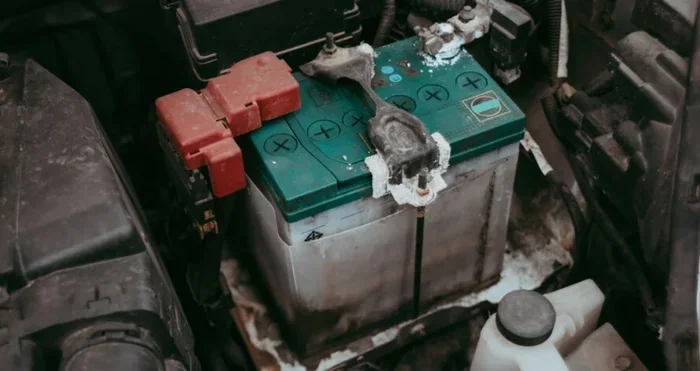
- Corroded or greenish terminals on the battery
- Battery age over three years without a recent replacement
Before you panic, try these simple steps. Check the battery terminals for corrosion. Use a wrench to clean them if needed. You can also try jump-starting the car with jumper cables or a portable jump starter. If the car starts and runs fine after a jump, your battery is likely the issue.
Keep in mind that a battery can die even if you did nothing wrong. Batteries have a limited lifespan, and they simply wear out over time. A standard car battery lasts about three to five years. If yours is older, it might be time for a replacement.
Faulty Alternator
The alternator charges your battery while the engine runs. When it fails, your car runs only on battery power until it dies completely. A bad alternator can cause your car has no power at all while driving, which is especially dangerous on highways.
Watch for these warning signs before a full alternator failure:
- Dashboard battery warning light glowing while driving
- Flickering or dimming headlights
- Electrical accessories slowing down, like power windows
- Battery warning light stays on after starting the car
If your alternator goes bad, jump-starting the car might work temporarily. But it will not stay running for long. You need a new alternator or a replacement. This repair typically costs between $300 and $600 depending on your vehicle model.
Quick Tip: Have your alternator tested at any auto parts store. Most stores offer free testing, and it only takes a few minutes.
Fuel System Problems That Cause Power Loss
Your car needs fuel to run. If fuel cannot reach the engine, you will experience a complete loss of power. Several components in the fuel system can fail and cause this exact issue.
Clogged Fuel Filter
The fuel filter keeps dirt and debris out of your engine. Over time, it gets clogged and restricts fuel flow. A severely clogged filter can cause your car has no power at all or won’t start completely.
Fuel filters are relatively cheap and easy to replace. Most mechanics recommend changing yours every 30,000 to 40,000 miles. Check your owner’s manual for the exact schedule. If you have not replaced yours in a while, this could be the culprit.
Failing Fuel Pump
The fuel pump pushes gasoline from the tank to the engine. When it fails, no fuel reaches the combustion chamber. Your engine will crank but not start, or it will simply die with no power.
Fuel pump failure often happens without warning. Here are some signs it might be going bad:
- Whining noise coming from the rear of the car near the gas tank
- Engine sputtering at high speeds
- Car stalls under heavy load or when going uphill
- Difficulty starting after the car has been sitting
Replacing a fuel pump is more expensive than a filter. The cost typically ranges from $400 to $800, including parts and labor. The pump itself is located inside the fuel tank, which adds to the complexity of the repair.
Empty Fuel Tank
It sounds silly, but running out of gas happens more often than you might think. If your fuel gauge is acting up, you might not realize you are on empty. Always keep at least a quarter tank of fuel, especially in winter or during long trips.
Ignition System Issues That Prevent Starting
The ignition system is what actually starts your engine. When something goes wrong in this system, your car will not turn over. Here are the most common ignition-related problems.
Worn Ignition Switch
The ignition switch is the part you turn or press when you start the car. Over time, the internal contacts wear out. A bad ignition switch can cause your car has no power at all, even with a good battery.
Signs of a failing ignition switch include:
- Dashboard lights flicker when you turn the key
- Car starts and then suddenly stalls
- Key does not turn smoothly in the ignition cylinder
- No response at all when you turn the key to the ON position
Replacing an ignition switch is usually not too expensive. Parts and labor combined typically cost between $150 and $300. However, the exact price depends on your vehicle make and model.
Bad Starter Motor
The starter motor is the electric motor that cranks your engine. When it fails, you might hear a single click or nothing at all when you turn the key. Your car has no power at all because the engine simply cannot turn over.
Starter motors tend to fail due to wear and tear. They also fail more often in cars with high mileage. A clicking sound when you try to start the car is a classic sign of a bad starter.
Replacing a starter motor costs between $300 and $600 on average. The exact price depends on the vehicle and whether the repair shop charges more for labor. Some cars have starters that are easy to access, while others require dropping the engine down, which adds to the cost.
Ignition Coil or Spark Plug Problems
Ignition coils and spark plugs create the spark that ignites fuel in the engine. A bad coil or worn spark plug can cause misfires or a complete failure to start. While this usually causes partial power loss first, it can progress to a total shutdown.
Spark plugs are relatively inexpensive and should be replaced regularly. Most manufacturers recommend changing them every 30,000 to 100,000 miles depending on the type. Ignition coils last longer but can fail unexpectedly.
Electrical and Computer System Failures
Modern vehicles are packed with electronics and computers. When one of these systems fails, it can cause your car has no power at all in surprising ways.
Blown Fuses and Fusible Links
Fuses protect your car’s electrical circuits from damage. When a major fuse blows, it can cut power to entire systems. A blown fuse might affect your starting system, fuel pump, or ignition system.
Checking fuses is one of the easiest things you can do. Your fuse box is usually located under the hood and inside the cabin. Look for a fuse that has a broken wire inside. Replace it with a fuse of the same amperage rating.
However, if a fuse keeps blowing, there is an underlying electrical problem you need to address. Simply replacing the fuse without finding the root cause will not solve the issue.
Crankshaft Position Sensor Failure
The crankshaft position sensor tells the engine computer where the crankshaft is located. This information is critical for timing fuel injection and ignition. When this sensor fails, your engine will not start, and your car has no power at all.
This sensor is relatively inexpensive to replace, usually costing between $100 and $250. The repair is straightforward for most mechanics. If your car cranks but does not start, a bad crankshaft position sensor is a common cause.
ECU or Engine Control Module Issues
The Engine Control Unit (ECU) is the brain of your car. It controls fuel delivery, ignition timing, and many other functions. When the ECU fails or has a software glitch, it can shut down your entire vehicle.
ECU problems are less common than the issues listed above. But they are more serious and expensive to fix. Replacing an ECU can cost anywhere from $500 to $1,500 or more. In some cases, a simple software update from the dealer can fix the problem without replacing the unit.
Diagnosing Your Car: Step-by-Step
When your car has no power at all, a systematic approach helps you find the cause faster. Follow these steps in order.
Step 1: Check the Battery
Open the hood and look at the battery terminals. Are they clean and tight? Use a multimeter to check the voltage. A healthy battery should read 12.6 volts or higher. Anything below 12.0 volts means the battery is weak or dead.
Step 2: Check the Fuses
Look at the fuse box under the hood. Inspect the main fuses and fusible links. Replace any blown fuses with the correct amperage rating.
Step 3: Try to Start the Car
Turn the key to the ON position without starting. Do the dashboard lights come on? Do the fuel pump and other accessories work? If nothing happens, the problem is likely electrical. If the dashboard lights work but the engine does not crank, the starter or ignition switch might be at fault.
Step 4: Listen for the Fuel Pump
Turn the key to the ON position (do not start). You should hear a faint humming sound from the back of the car near the fuel tank. This is the fuel pump priming. If you hear nothing, the fuel pump or its relay might be bad.
Step 5: Get a Diagnostic Scan
If basic checks do not reveal the problem, take your car to a mechanic or auto parts store. They can plug in a diagnostic scanner and read error codes from the ECU. These codes point directly to the failing component.
Common Mistakes to Avoid:
- Ignoring the battery age: Batteries have a limited lifespan. Do not keep replacing batteries without checking the alternator too.
- Assuming it is always the fuel pump: A clogged fuel filter can cause the same symptoms at a much lower cost.
- Neglecting fuse checks: A blown fuse is the cheapest and easiest fix, yet many people skip it.
- Trying to jump-start a car with a fuel pump issue: If the battery is good but the car still will not start, the problem is not the battery.
Prevention Tips to Avoid Future Power Loss
Once you fix the problem, you do not want it to happen again. Here are some simple habits that keep your car running strong.
- Get regular maintenance: Follow the service schedule in your owner’s manual. Change the oil, filters, and spark plugs on time.
- Keep your battery clean: Check the terminals for corrosion every few months. Clean them with a baking soda and water solution if needed.
- Do not ignore warning signs: Dimming lights, slow cranking, or flickering dashboard lights are early signals. Address them before they become bigger problems.
- Keep your fuel tank at least a quarter full: This keeps the fuel pump cool and reduces the risk of running out of gas unexpectedly.
- Have your electrical system tested yearly: A simple battery and alternator test at an auto parts store can catch problems early.
Taking these small steps can save you from the stress and expense of a car that has no power at all. Prevention is always cheaper than repair.
When to Call a Professional
Not every problem is a DIY fix. Some issues require professional tools and expertise. You should call a mechanic if:
- Your car has no power at all and basic checks do not reveal the cause
- You smell burning plastic or electrical insulation under the hood
- The check engine light is flashing along with a loss of power
- Your car dies while driving and will not restart
- You are not comfortable working with electrical components
A professional mechanic has access to advanced diagnostic tools that can pinpoint problems quickly. They also have the training to handle complex electrical and fuel system repairs safely. There is no shame in calling for help. It is a smart decision that protects both you and your vehicle.
Cost Overview for Common Repairs
Understanding the potential repair costs helps you plan and budget. Here is a quick comparison of common fixes for a car that has no power at all.
| Repair | Typical Cost Range | Difficulty Level |
|---|---|---|
| Battery Replacement | $100 – $300 | Easy |
| Alternator Replacement | $300 – $600 | Moderate |
| Starter Motor Replacement | $300 – $600 | Moderate |
| Fuel Pump Replacement | $400 – $800 | Difficult |
| Ignition Switch Replacement | $150 – $300 | Easy to Moderate |
| Crankshaft Sensor Replacement | $100 – $250 | Easy |
| ECU Replacement | $500 – $1,500 | Difficult |
Costs vary based on your vehicle make, model, and year. Labor rates also differ by location. Always get a quote before approving any major repair work.
Final Thoughts
Dealing with a car that has no power at all is stressful, but it does not have to be overwhelming. By understanding the common causes and following a systematic diagnostic approach, you can often find the problem yourself. A dead battery, a failed fuel pump, a bad ignition switch, or a faulty sensor are all manageable issues with clear solutions.
Start with the simplest checks first. Look at the battery, inspect the fuses, and listen for the fuel pump. These small steps can save you hours of guessing and potentially hundreds of dollars. And remember, prevention through regular maintenance is your best defense against unexpected power loss.
When in doubt, do not hesitate to reach out to a trusted mechanic. They have the expertise and tools to handle even the most complex electrical and fuel system problems. Your safety and your car’s reliability are always worth the investment.
Now that you know the possible reasons behind a total power loss, you are better prepared to handle the situation. Share this guide with a friend who might need it, and always keep a basic emergency kit in your car. Being prepared makes all the difference when something goes wrong on the road.
Frequently Asked Questions
Why does my car has no power at all but the lights still work?
This usually points to a problem with the starter motor, ignition switch, or a blown fuse in the starting circuit. The lights run on a separate circuit than the starter, so they can still work even when your car has no power to start the engine. Check the fuses and try turning the key to the ON position to see if the dashboard lights come on normally.
Can a bad fuel pump cause my car to have no power at all?
Yes, absolutely. A failed fuel pump stops fuel from reaching the engine, which means the engine will crank but not start. If you turn the key to ON and do not hear a brief humming sound from the back of the car, the fuel pump might be the issue. This is one of the most common reasons a car has no power at all while driving.
How do I know if my battery or alternator is causing the power loss?
A dead battery will show no signs of life at all when you turn the key. The dashboard will be dark and there will be no cranking sound. A failing alternator might let the car start but then it will stall shortly after. You can have both tested for free at most auto parts stores to determine which component is the culprit.
Is it safe to drive a car that has no power at all?
No, it is not safe. A car that loses all power while driving can cause you to lose steering and braking assistance. Pull over safely if this happens, turn on your hazard lights, and call for roadside assistance. Do not attempt to keep driving a car with no electrical or engine power.
How much does it cost to fix a car that has no power at all?
The cost depends entirely on the cause. A simple battery replacement might cost $100 to $300, while a fuel pump or ECU replacement can run $400 to $1,500 or more. Always get a detailed quote from a trusted mechanic before approving any repair work.
What should I keep in my car to handle power loss emergencies?
Keep jumper cables or a portable jump starter, a flashlight, a basic fuse assortment, and your owner’s manual in your car. These items can help you handle minor electrical issues on the spot. Also, keep the phone number of a reliable roadside assistance service saved in your phone for emergencies.