Can a Car Actually Be Totaled Due to Mechanical Failure
Can a Car Be Totaled Due to Mechanical Failure is a real possibility, even though most people associate total losses with crashes. When a major component like the engine or transmission fails, repair costs can exceed the vehicle’s market value, pushing it into total loss territory. Understanding how insurance decides and what a salvage title means helps you protect your investment and avoid costly surprises.
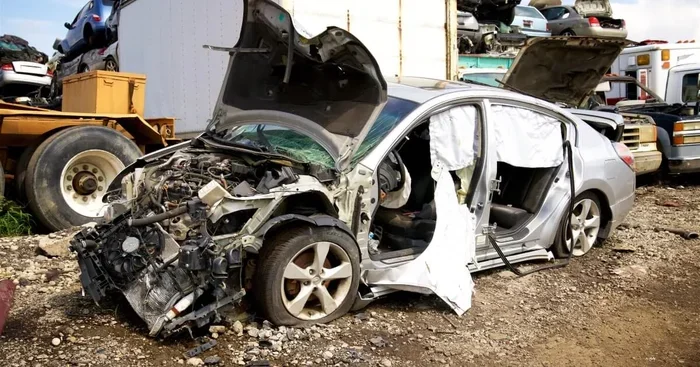
Most drivers assume a car gets totaled only after a bad accident. Yet Can a Car Be Totaled Due to Mechanical Failure is a question many car owners face when a major part gives out. A sudden engine seizure or a transmission failure can leave you stranded and wondering about the financial hit. The truth is, mechanical breakdowns can indeed push a vehicle into total loss status. This happens more often than you might think, especially with older cars or models with expensive repairs.
When a car suffers a severe mechanical failure, the decision to total it comes down to numbers. Insurance adjusters look at the cost to fix the problem compared to the vehicle’s current market value. If the repair bill outweighs the car’s worth, the insurer will declare it a total loss. This process is called a total loss claim. Understanding how this works can save you from unexpected out-of-pocket expenses and help you make smarter decisions about coverage.
In this guide, we’ll walk through exactly what happens when a car is totaled due to mechanical issues. You’ll learn how insurance companies evaluate the damage, what a salvage title means for your next vehicle, and the steps you can take if you find yourself in this situation. Whether you drive a new sedan or a used SUV, this information will help you navigate the process with confidence.
Key Takeaways
- Mechanical failure can total a car: If repair costs exceed the actual cash value, insurance may declare a total loss.
- Comprehensive coverage matters: This policy type often covers mechanical breakdowns, unlike collision-only plans.
- Salvage titles follow total loss: A totaled vehicle receives a salvage title, which affects resale value and insurance options.
- Repair vs. value is the key metric: Insurers compare repair estimates to the car’s depreciated market worth.
- You can dispute a total loss decision: Hiring an independent appraiser or providing repair quotes can change the outcome.
- Gap insurance helps with debt: It covers the difference between the payout and what you still owe on the loan.
📑 Table of Contents
- Can a Car Be Totaled Due to Mechanical Failure? Understanding Total Loss Basics
- Common Mechanical Failures That Lead to Total Loss
- How Insurance Companies Handle Mechanical Failure Claims
- The Aftermath: Salvage Titles and Rebuilt Vehicles
- What to Do If Your Car Is Totaled Due to Mechanical Failure
- Preventing a Total Loss from Mechanical Failure
- Expert Insights and Common Mistakes to Avoid
- Conclusion
Can a Car Be Totaled Due to Mechanical Failure? Understanding Total Loss Basics
What Does Total Loss Mean?
A total loss occurs when a vehicle is too damaged to repair safely or economically. In a crash, this is easy to picture. But mechanical failure can also lead to a total loss when the repair costs exceed a certain threshold. Most insurance companies use a total loss threshold, often around 70% to 100% of the vehicle’s actual cash value. If fixing the engine or transmission would cost more than the car is worth, the adjuster will likely total it.
Think of it like a used car you bought for $5,000. If a new engine costs $6,000, you’re better off replacing the whole vehicle. That’s the logic insurers apply. They don’t want to pour money into a depreciated asset. So yes, Can a Car Be Totaled Due to Mechanical Failure when the math doesn’t add up. The key is understanding what “actual cash value” means for your specific car.
How Insurers Calculate Actual Cash Value
Actual cash value isn’t what you paid for the car. It’s the fair market value at the time of the breakdown. Insurers look at factors like age, mileage, overall condition, and local demand for similar models. They use databases and recent sales of comparable vehicles. If your car has high mileage or pre-existing wear, its actual cash value drops. This makes it more likely that a repair will push the vehicle past the total loss threshold.
For example, a 2015 sedan with 120,000 miles might have an actual cash value of $8,000. A transmission rebuild could easily cost $3,500 or more. Add in labor, diagnostic fees, and rental car costs during repairs, and the total quickly approaches the vehicle’s value. That’s when the insurer will call it a total loss. The process is systematic and based on data, not emotion.
Common Mechanical Failures That Lead to Total Loss
Engine Failure and Seizure
The engine is the heart of your car. When it fails completely, the repair bill is often staggering. A seized engine might require a full replacement. New engines for modern cars can cost between $4,000 and $10,000, depending on the make and model. For older vehicles, the cost of a remanufactured engine can still exceed the car’s value. In these cases, Can a Car Be Totaled Due to Mechanical Failure becomes a clear yes.
Engine failure often happens without warning. Overheating, lack of oil, or a broken timing belt can cause catastrophic damage. Metal shavings circulate through the oil system, ruining bearings and cylinder walls. Once the engine seizes, towing becomes necessary. The combination of towing costs, diagnosis, and a replacement engine easily tips the vehicle into total loss territory.
Transmission Breakdown
A failing transmission is another common culprit. Transmission repairs are among the most expensive mechanical fixes. A full transmission replacement can range from $3,000 to $7,000 for a new unit, and $1,500 to $3,000 for a rebuild. If your car is already several years old, that cost can easily surpass its market value. Insurers will look at the repair quote and compare it to the actual cash value. If the number is too high, they’ll declare a total loss.
Transmission problems often start with subtle signs. You might notice slipping gears, delayed engagement, or strange noises. Ignoring these warnings can lead to a complete breakdown. A transmission that locks up while driving can also cause secondary damage, like differential or axle issues. These cascading repairs multiply the cost and increase the chance of a total loss decision.
Structural Frame Damage from Mechanical Issues
Not all mechanical failures are internal. A severe suspension failure or a broken steering component can warp the frame. Even if the engine is fine, a bent frame can total a car. Frame damage affects the structural integrity and safety of the vehicle. Repairing a twisted frame requires specialized equipment and expertise, driving costs very high.
In some cases, a car might suffer a mechanical failure that leads to a collision. For instance, a sudden steering loss could cause you to hit a guardrail. The resulting damage combines mechanical and collision costs. Insurers evaluate the entire picture. If the combined repairs exceed the value, the vehicle is totaled. This shows how mechanical issues can indirectly lead to a total loss through secondary accidents.
How Insurance Companies Handle Mechanical Failure Claims
Comprehensive vs. Collision Coverage
Your insurance policy type matters a lot here. Collision coverage pays for damage from accidents with other vehicles or objects. Comprehensive coverage pays for non-collision events, including theft, vandalism, fire, and certain mechanical failures. If your car breaks down due to a covered mechanical issue, comprehensive coverage is what kicks in.
However, standard auto policies often exclude mechanical breakdowns. They consider wear and tear or maintenance neglect as the owner’s responsibility. But if a sudden, accidental failure occurs—like an engine block cracking from a manufacturing defect—comprehensive coverage might apply. You’ll need to read your policy carefully and ask your agent about mechanical breakdown coverage or an extended warranty.
When Insurance Won’t Pay for Mechanical Repairs
Insurance companies are not in the business of covering maintenance. If your car needs a new clutch because you drove 150,000 miles without replacing it, that’s wear and tear. The claim will be denied. Similarly, if you ignored a check-engine light and the catalytic converter failed, the insurer will likely refuse the claim. They argue you could have prevented the damage.
To avoid this, keep up with regular maintenance. Change your oil, flush your coolant, and follow the manufacturer’s service schedule. Document every oil change and repair. If a mechanical failure does occur suddenly and without warning, you have a stronger case. You can argue it was a covered accident, not neglect. This distinction is crucial when you file a claim.
The Role of Gap Insurance
If you still owe money on your car loan or lease, a total loss can leave you in a tough spot. The insurance payout is based on actual cash value, which is often lower than what you owe. That’s where gap insurance comes in. It covers the difference between the payout and your remaining loan balance. Without gap insurance, you’d have to pay the deficit out of pocket.
Gap insurance is especially important for new cars that depreciate quickly. A brand-new SUV can lose 20% of its value in the first year. If it’s totaled due to a mechanical failure, the payout might be $20,000, but you still owe $25,000. Gap insurance would cover that $5,000 gap. Check your loan documents to see if gap coverage is included or if you need to purchase it separately.
The Aftermath: Salvage Titles and Rebuilt Vehicles
What Is a Salvage Title?
When a car is declared a total loss, the insurance company takes ownership. They issue a salvage title. This title indicates the vehicle has been totaled and is not roadworthy without repairs. A salvage title car cannot be registered or driven until it’s repaired and passes a state inspection. The title will always carry the salvage brand, which affects resale value significantly.
Salvage title vehicles are often sold at auction to auto recyclers or independent rebuilders. If you buy a car with a salvage title, you’re getting a deal on the surface, but there are risks. The damage might be more extensive than disclosed. Structural issues or hidden mechanical problems can surface later. Always get a pre-purchase inspection from a trusted mechanic before buying a salvage title vehicle.
Can You Rebuild a Totaled Car and Drive It Again?
Yes, you can rebuild a totaled car, but the process is strict. You must repair the vehicle to meet safety standards and pass a rebuilt title inspection. The car will then receive a rebuilt title, which stays with the vehicle for life. Insurance for a rebuilt title car is usually more expensive and may only offer liability coverage, not comprehensive or collision.
Many people rebuild totaled cars as a hobby or to save money. If you have mechanical skills, you can do the work yourself and save thousands. However, you must keep all receipts and documentation. The state requires proof of repair and a safety inspection. A rebuilt car can be a great value, but it’s not for everyone. Consider your budget, skills, and long-term plans before starting a rebuild.
What to Do If Your Car Is Totaled Due to Mechanical Failure
Immediate Steps After a Breakdown
If your car dies unexpectedly, pull over safely and turn on your hazard lights. Call roadside assistance or a tow truck. Do not attempt to drive a car that has a serious mechanical failure. You risk causing further damage or a dangerous situation. Once the car is towed to a repair shop, get a detailed written estimate of the repairs. This document is your most important piece of evidence.
Next, contact your insurance company right away. Report the breakdown and file a claim. Provide the repair estimate, photos of the damage, and your policy information. The adjuster will review the claim and assign an actual cash value to your vehicle. Be prepared to negotiate if you think the payout is too low. Having your own research on similar cars’ market value strengthens your position.
Negotiating a Fair Total Loss Payout
Insurance companies often start with a low offer. They want to minimize their payout. You have the right to dispute this. Gather evidence like Kelley Blue Book prints, local classified ads, and receipts for recent upgrades or repairs. Show the adjuster that your car’s value is higher than their initial offer. A strong negotiation can increase your payout by hundreds or even thousands of dollars.
If you disagree with the total loss decision itself, you can request a re-evaluation. Provide additional repair quotes from certified mechanics. Sometimes a second opinion shows the repairs are cheaper than the insurer estimated. You can also hire an independent appraiser. Their report can carry weight in negotiations. Stay calm, professional, and persistent. The goal is a fair settlement that lets you move forward.
Preventing a Total Loss from Mechanical Failure
Regular Maintenance Tips
The best way to avoid a total loss from mechanical failure is prevention. Follow your owner’s manual for service intervals. Change the oil every 5,000 to 7,500 miles. Replace the coolant, brake fluid, and transmission fluid as recommended. Check the battery terminals for corrosion and clean them regularly. These simple steps keep your car running smoothly and catch small problems before they become big ones.
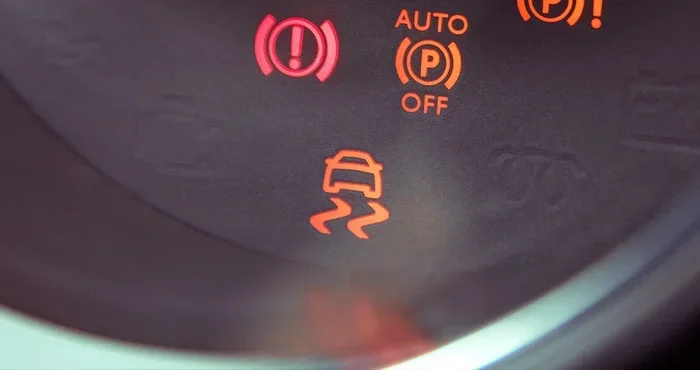
Pay attention to dashboard warning lights. A check-engine light is your car’s way of asking for help. Don’t ignore it. Have a mechanic hook up a diagnostic scanner to read the error codes. Fixing a small sensor issue costs a few dollars. Ignoring it can lead to a catalytic converter failure, which costs over $1,000. Regular maintenance is an investment that pays off in reliability and resale value.
Warning Signs You Shouldn’t Ignore
Certain symptoms signal serious trouble ahead. Listen for knocking or grinding noises from the engine. Feel for vibrations when braking or accelerating. Watch for smoke from the exhaust, especially blue or black smoke. Check for fluid leaks under the car. Coolant, oil, or transmission fluid puddles are red flags. Addressing these early can prevent a catastrophic failure that totals the car.
Also, monitor your temperature gauge. An overheating engine can warp the head gasket and crack the block. If the gauge climbs into the red, pull over immediately and shut off the engine. Let it cool before checking the coolant level. Towing is safer than driving an overheating car. These small habits add up and can save you from a total loss scenario.
Expert Insights and Common Mistakes to Avoid
Quick Tips from the Pros
Insurance adjusters and mechanics agree on a few key points. First, always get at least three repair estimates before agreeing to a total loss settlement. Second, keep a maintenance log in your glovebox. It proves you cared for the vehicle and strengthens your claim. Third, don’t rush to accept the first offer. Take your time, do the research, and negotiate confidently.
Another pro tip is to understand your state’s total loss formula. Some states use a strict threshold, like 75% repair cost to value. Others use a total loss threshold that varies by insurer. Knowing the rules in your state gives you leverage. If the repair cost is 70% of the value and your state uses a 75% threshold, you can argue against a total loss declaration.
Common Mistakes Drivers Make
The biggest mistake is assuming the insurer’s initial offer is final. It rarely is. Another mistake is failing to document the car’s condition before the breakdown. Take plenty of photos of the interior, exterior, and odometer. This creates a baseline for the adjuster. Also, don’t sign a release form until you’re sure the settlement covers your loss. Once you sign, you usually can’t ask for more money.
Some drivers also forget to remove personal belongings before the tow truck arrives. The tow company is not responsible for items left inside. Empty the trunk, glovebox, and back seat. Finally, don’t delay filing your claim. Most policies require prompt notice of a loss. Waiting too long can lead to a denial or a lower payout. Act quickly and stay organized throughout the process.
Conclusion
Can a Car Be Totaled Due to Mechanical Failure? Absolutely. When a major component fails and the repair costs exceed the vehicle’s actual cash value, insurance companies will declare a total loss. This outcome is more common than many drivers realize, especially for older cars or those with expensive parts. Understanding how the total loss process works empowers you to make informed decisions and advocate for a fair settlement.
From knowing your coverage types to recognizing the signs of impending mechanical failure, preparation is your best defense. Keep up with maintenance, document everything, and don’t be afraid to negotiate. If your car is totaled, a salvage title and rebuilt vehicle can still serve you well, provided you approach the situation carefully. The key takeaway is simple: a mechanical failure doesn’t have to be a financial disaster if you understand the system and act wisely.
Take the time to review your insurance policy today. Make sure you have the right coverage for your needs. And remember, a well-maintained car is less likely to suffer a catastrophic failure. Stay proactive, stay informed, and you’ll be ready for whatever the road throws at you.
Frequently Asked Questions
What does it mean when a car is totaled due to mechanical failure?
It means the insurance company has decided the cost to repair the vehicle exceeds its actual cash value. The car is declared a total loss and receives a salvage title. You’ll receive a payout based on the car’s depreciated market value, minus your deductible.
Will my insurance cover a mechanical breakdown?
It depends on your policy. Standard collision and liability coverage usually does not cover mechanical failures. Comprehensive coverage might cover sudden, accidental failures, but wear and tear is typically excluded. Consider adding mechanical breakdown insurance or an extended warranty for protection.
Can I keep my totaled car and repair it myself?
Yes, you can usually keep the salvage title and repair the car yourself. However, the vehicle must pass a rebuilt inspection before it can be registered and driven legally. You’ll also receive a reduced payout since the insurer keeps the salvage value.
How is the actual cash value of my car determined?
Insurers use databases that consider the car’s make, model, year, mileage, condition, and local market prices. They look at recent sales of similar vehicles. You can dispute the value by providing your own research, such as Kelley Blue Book or local classified ads.
Is gap insurance worth it for older cars?
Gap insurance is most valuable when you owe more on the loan than the car is worth. For older cars with low market value, the gap is often small or nonexistent. However, if you have a long loan term or rolled negative equity into the new loan, gap coverage can still be helpful.
What should I do immediately after my car breaks down?
Pull over safely, turn on hazard lights, and call for a tow. Do not attempt to drive the car further. Get a detailed repair estimate from a trusted mechanic, then contact your insurance company promptly. Document everything with photos and keep all receipts.