Car Gear Shift Problem Warning Signs You Should Never Ignore
A car gear shift problem can signal serious transmission trouble that gets worse fast. Watch for slipping gears, hard shifting, delayed engagement, and warning lights on your dash. Catching these signs early saves you money and keeps you safe on the road. This guide covers every warning sign you should never ignore.
Key Takeaways
- Slipping gears and hard shifting are top warning signs that your transmission needs attention right away.
- Burning smells and strange noises often point to low or dirty transmission fluid.
- Ignoring gear shift problems can lead to costly repairs — sometimes thousands of dollars.
- Automatic and manual transmissions show different symptoms, so know what to look for.
- Regular fluid checks and timely maintenance can prevent most gear shifting issues.
- The check engine light should never be ignored when it comes to gear problems.
- Early diagnosis saves money and extends the life of your vehicle.
📑 Table of Contents
- What Is a Car Gear Shift Problem?
- Common Warning Signs of Gear Shifting Issues
- What Causes a Car Gear Shift Problem?
- Automatic vs Manual Transmission Gear Shifting Issues
- How to Diagnose a Gear Shift Problem
- How to Prevent Gear Shifting Problems
- How Much Does a Transmission Repair Cost?
- When to See a Mechanic
- Final Thoughts
What Is a Car Gear Shift Problem?
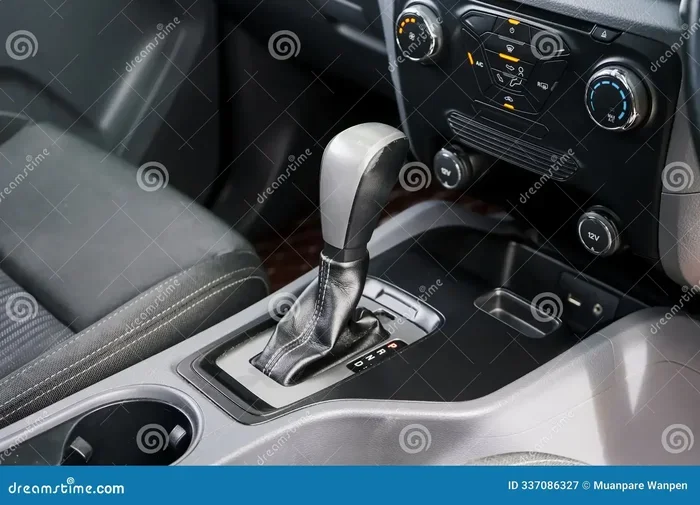
Your car’s transmission is one of the most important parts under the hood. It controls how power moves from the engine to the wheels. When something goes wrong with car gear shift behavior, it affects everything you do behind the wheel.
A car gear shift problem means your vehicle has trouble changing gears smoothly. This can show up in many ways. Sometimes it slips out of gear. Other times it resists moving into a new gear altogether. Either way, you will feel it.
Gear shifting issues can happen in automatic transmissions and manual ones too. The causes vary. Some are simple fixes. Others point to serious damage. The key is catching the problem early. That way, you avoid a breakdown or a massive repair bill.
Many drivers ignore early signs because they seem minor at first. A slight delay when shifting. A small bump going from one gear to the next. But these small signs add up fast. They often point to bigger issues inside the transmission.
This article walks you through every warning sign you should never ignore. You will learn what causes these problems, how to spot them, and what to do next.
Common Warning Signs of Gear Shifting Issues
Your car talks to you. It sends signals when something is wrong. You just need to know what to listen for and look out for. Here are the most common warning signs of a car gear shift problem.
1. Slipping Gears
Gear slipping is one of the scariest symptoms you can feel. Your engine revs up, but the car does not speed up as it should. Or the car suddenly pops out of gear while driving. This is a clear sign of transmission slipping.
Slipping usually happens under load. You might notice it when you accelerate hard or climb a hill. It means the gears are not gripping properly. Worn gear teeth or low transmission fluid often cause this.
Do not keep driving if your gears slip. It can become dangerous fast. You could lose power to the wheels right when you need them most.
2. Hard Shifting or Jerking Movements
Does your car jerk hard when it changes gears? This is called hard shifting. It feels harsh and abrupt. You might hear a loud clunk or bang when the gear engages.
Hard shifting often points to a problem with the transmission solenoid. It can also mean your transmission fluid is old or low. Either way, your transmission is not getting the smooth flow it needs.
In manual cars, hard shifting might mean a worn clutch. The clutch disc wears down over time. When it does, it becomes harder to slide the gears in smoothly.
3. Delayed Gear Engagement
When you shift from Park to Drive, you expect the car to move right away. But with delayed gear engagement, there is a long pause. The car sits idle for a second or two before it starts moving.
This delay is more than just annoying. It is a red flag. It often means your transmission fluid is worn out. Old fluid loses its ability to flow quickly and build pressure. That pressure is what engages the gears.
Some delay is normal in cold weather. But if the delay lasts more than a second or two, get it checked. Waiting too long can cause permanent damage.
4. Grinding Gears
Grinding gears are a loud and unmistakable sign. You hear a harsh metal-on-metal sound when you try to shift. This is especially common in manual cars.
Grinding usually means the clutch is not fully releasing. Or the gear synchronizers inside the transmission are worn out. Either way, grinding gears will only get worse over time.
If you hear grinding, stop shifting through that gear. Continuing to force it can destroy the entire gearbox. Gear grinding is not something you should try to tough out.
5. Burning Smell
A burning smell coming from under your hood is never good. When it comes to gear shifting issues, a burnt smell usually means your transmission fluid is overheating.
Transmission fluid has a job. It lubricates all the moving parts inside the transmission. When the fluid breaks down, it loses its ability to cool and protect. The result? A sharp, burning odor.
Check your fluid level and condition right away. Dark, burnt-smelling fluid is a sign it needs to be changed. In some cases, a fluid flush and replacement solves the problem quickly.
6. Warning Lights on the Dashboard
Your dashboard is full of smart sensors. When something goes wrong with the transmission, the check engine light often turns on. Do not ignore this light.
Some cars also have a dedicated transmission warning light. It looks like a gear icon with an exclamation mark. If you see either of these, scan your car for transmission error codes.
A code reader is cheap and easy to use. You can buy one at any auto parts store. The codes will tell you exactly what is going wrong. This saves time and money at the shop.
7. Strange Noises in Neutral
Put your car in neutral. Do you hear humming, buzzing, or clunking? These sounds are not normal. They often point to worn bearings or low fluid inside the transmission.
Even if the car drives fine, strange noises in neutral should not be ignored. They are early warning signs. Catching them now can prevent a full transmission failure later.
8. Fluid Leaks Under the Car
Transmission fluid is usually red or pink. If you see a puddle of this color under your car, you have a leak. Low fluid levels cause all kinds of shifting delay and gear problems.
Check under your car after it has been parked for a while. Even a small drip matters. Transmission fluid does not just disappear. Something is wrong if you are losing it.
Common leak spots include the transmission pan gasket, seals, and fluid lines. A mechanic can find and fix the leak before your fluid drops too low.
What Causes a Car Gear Shift Problem?
Now that you know the warning signs, let us talk about what causes them. Understanding the root cause helps you make smart decisions about repairs.
Low or Dirty Transmission Fluid
This is the number one cause of most gear shifting issues. Transmission fluid does three big jobs. It lubricates, cools, and creates hydraulic pressure for shifting.
When the fluid is low, there is not enough pressure to engage gears properly. When it is dirty, it cannot flow smoothly through the small passages inside the transmission.
Most manufacturers recommend changing transmission fluid every 30,000 to 60,000 miles. Check your owner’s manual. Staying on top of fluid changes prevents a lot of problems.
Worn Clutch Components
If you drive a manual car, your clutch takes a lot of wear and tear. The clutch disc, pressure plate, and throw-out bearing all work together every time you shift.
Over time, these parts wear down. A worn clutch causes slipping, grinding, and difficulty getting gears to engage. Replacing a clutch is a common repair, but it is not cheap.
The good news? You can extend clutch life with good driving habits. Avoid riding the clutch pedal. Do not use the clutch to hold the car on hills.
Failing Transmission Solenoids
Your transmission has solenoids that control fluid flow. These small electro-mechanical valves tell the transmission when and how to shift. When one fails, your automatic transmission will shift rough or not at all.
Solenoid failure often triggers error codes. A mechanic can test each solenoid and replace the bad one. This is usually a much cheaper fix than rebuilding the whole transmission.
Worn Gear Teeth or Synchronizers
Inside the transmission, gears mesh together to create different speeds. Over time, the teeth on these gears wear down. Synchronizers, which help gears engage smoothly, also wear out.
Worn gear teeth cause slipping, grinding, and vibration. Synchronizer wear makes it hard to slide gears in cleanly. Both problems need professional attention.
Software or Electrical Issues
Modern cars rely heavily on electronics. The transmission control module (TCM) manages shifting based on input from various sensors. A software glitch or a bad sensor can cause erratic shifting.
Sometimes a simple TCM reset or software update fixes the problem. Other times, a sensor needs replacement. Either way, electrical issues are often overlooked but very common.
Automatic vs Manual Transmission Gear Shifting Issues
Not all car gear shift problems are the same. Automatic and manual transmissions have different designs. They show different symptoms when things go wrong.
Automatic Transmission Problems
Automatic cars rely on fluid pressure and solenoids to shift. Common issues include:
- Delayed engagement when moving from Park to Drive or Reverse
- Slipping gears under acceleration
- Harsh or abrupt shifts between gears
- Failure to shift into certain gears
- Over-revving before a shift happens
Automatic transmissions are more complex. They have many more moving parts and electronic controls. This means more things can go wrong. But they also mean more sensors to help diagnose the issue.
Manual Transmission Problems
Manual cars give you direct control over the gears. Common issues include:
- Grinding gears when shifting
- Difficulty sliding gears into place
- Clutch slipping or not releasing fully
- Sticking to one gear or popping out of gear
- Clutch pedal feels spongy or loose
Manual transmissions are simpler in design. That often makes repairs less expensive. But ignoring problems still leads to major damage over time.
How to Diagnose a Gear Shift Problem
You do not need to be a mechanic to spot the early signs. A few simple checks can tell you a lot about what is going on.
Check Your Transmission Fluid
Pop the hood and find the transmission dipstick. Pull it out, wipe it clean, and reinsert it. Pull it out again and check the level.
The fluid should be pink and translucent. If it is dark brown or black, it is burnt and needs changing. If the level is low, top it off and watch for leaks.
Listen Carefully While Driving
Turn off the radio and pay attention. Do you hear whining, buzzing, or clunking? These sounds often point to internal transmission wear.
Note when the sounds happen. Do they occur only in certain gears? Only at certain speeds? This information helps a mechanic narrow down the cause.
Use an OBD2 Scanner
An OBD2 scanner plugs into your car’s diagnostic port. It reads error codes stored by the engine and transmission computers.
Look for codes that start with P07 or P08. These are transmission-related codes. They give you a starting point for understanding what is wrong.
Pay Attention to Driving Feel
Your body knows when something feels off. Does the car hesitate before moving? Does it jerk during shifts? Do you feel vibrations you did not feel before?
Trust your instincts. If something feels wrong, it probably is. A quick trip to the shop can confirm or rule out a serious problem.
How to Prevent Gear Shifting Problems
Prevention is always better than repair. Here are simple steps to keep your transmission healthy and avoid gear shift problems.
Check Fluid Regularly
Make transmission fluid checks part of your routine. Check it once a month or before a long road trip. Low or dirty fluid is the enemy of smooth shifting.
Follow the Maintenance Schedule
Your owner’s manual has a maintenance schedule. Follow it. Change the fluid and filter at the recommended intervals. This one habit can add years to your transmission’s life.
Do Not Ignore Small Symptoms
That small hesitation when shifting? The slight slip in third gear? Those are not normal. They are your car asking for help. Address small issues before they become big ones.
Drive Gently
Avoid jackrabbit starts and hard stops. Aggressive driving puts extra stress on the transmission. Smooth, steady driving extends the life of every component.
Warm Up Your Car in Cold Weather
In cold weather, transmission fluid thickens. It does not flow as well. Give your car a minute or two to warm up before driving hard. This lets the fluid circulate and do its job.
Get Regular Inspections
Have a trusted mechanic inspect your transmission at least once a year. They can spot problems you cannot feel or see. A small inspection fee can save you thousands in repair costs.
How Much Does a Transmission Repair Cost?
Cost is always a concern with transmission repair. The price depends on what is wrong and what type of car you drive.
A simple fluid change costs between $100 and $250. Replacing a solenoid runs $200 to $500. A clutch replacement for a manual car typically costs $800 to $1,500.
But major repairs can be expensive. A transmission rebuild can cost $2,500 to $4,500. A full replacement can go even higher. This is why early diagnosis matters so much.
The longer you wait, the worse the damage gets. A small fix today can prevent a rebuild tomorrow. Do not let pride or fear of cost keep you from getting help.
When to See a Mechanic
Some gear shift problems you can handle yourself. Checking fluid, topping it off, and resetting codes are things you can do at home. But other problems need a professional.
See a mechanic right away if you notice any of the following:
- Gears slipping while driving
- Burning smell that does not go away
- Check engine light with transmission-related codes
- Fluid leaks that keep coming back
- Grinding or clunking that gets worse
- Car will not shift into gear at all
A qualified mechanic has the tools and training to diagnose the real problem. They can also give you an honest estimate of what needs to be done.
Final Thoughts
A car gear shift problem is never something you should brush off. Whether it is a slight delay, a hard clunk, or a burning smell, your car is telling you something. Listen to it.
Understanding the warning signs puts you in control. You can catch problems early, save money, and stay safe on the road. Regular maintenance and quick action are your best tools.
Do not wait until your car refuses to shift at all. By then, the damage is often severe and the repair is expensive. Take action at the first sign of trouble. Your wallet and your safety will thank you.
Keep your transmission healthy. Keep your car running smoothly. And never ignore the signs that something is wrong with your gear shifting system.
Frequently Asked Questions
What are the first signs of a car gear shift problem?
The first signs usually include slipping gears, delayed engagement, hard shifting, and strange noises when changing gears. Your check engine light may also come on. These early symptoms are your best clue that something needs attention right away.
Can low transmission fluid cause gear shifting issues?
Yes, absolutely. Low transmission fluid is the most common cause of gear shifting problems. Without enough fluid, your transmission cannot build the pressure it needs to shift smoothly. Always check your fluid level if you notice any shifting issues.
How much does it cost to fix a car gear shift problem?
The cost depends on what is causing the problem. Simple fixes like a fluid change cost around $100 to $250. More complex repairs like solenoid replacement or clutch work can run $200 to $1,500. Major transmission rebuilds can cost $2,500 or more. Getting an early diagnosis saves you money.
Is it safe to keep driving with a gear shift problem?
It depends on the severity. A slight delay or minor hesitation might be manageable for a short drive. But slipping gears, grinding, or a complete failure to shift are dangerous. They can leave you stranded or cause an accident. When in doubt, get your car towed to a shop.
How often should I change my transmission fluid?
Most manufacturers recommend changing transmission fluid every 30,000 to 60,000 miles. Check your owner’s manual for the exact interval. If you drive in heavy traffic or tow heavy loads, you may need to change it more often.
Can a car gear shift problem be prevented?
Yes, to a large extent. Regular fluid changes, gentle driving habits, and timely inspections go a long way. Do not ignore small symptoms like slight delays or minor noises. Catching problems early is the best way to prevent expensive repairs down the road.
=== CONCLUSION ===
A car gear shift problem is your car’s way of asking for help. Slipping gears, hard shifting, burning smells, and warning lights are all signals you should take seriously. They do not go away on their own. And ignoring them almost always makes things worse.
The good news is that most gear shifting issues are fixable when caught early. A fluid change, a solenoid replacement, or a clutch repair can get you back on the road safely. The key is knowing what to look for and acting fast.
Stay on top of your maintenance schedule. Check your fluid regularly. Listen to your car. And never hesitate to see a mechanic when something feels off. Your transmission works hard for you every day. Give it the care it deserves, and it will keep you rolling for miles to come.