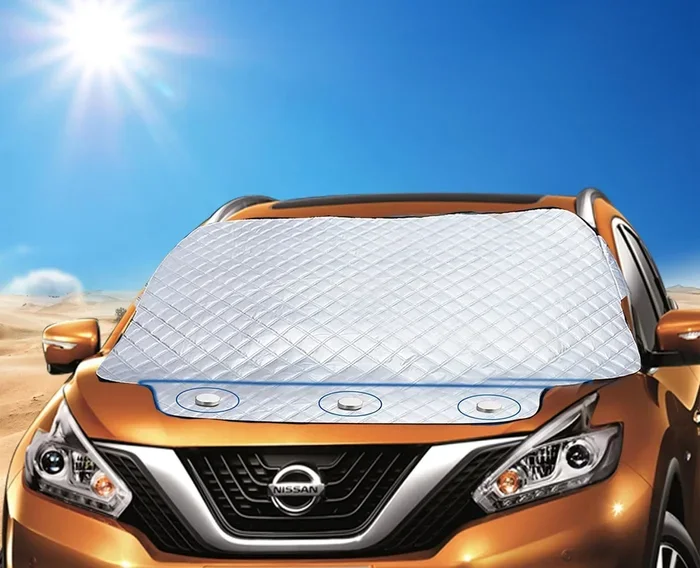
Car Front Glass Cover The Complete Buying and Care Guide
A car front glass cover is one of the smartest investments you can make for your vehicle. It shields your windshield from sun damage, frost, rain, and debris while keeping your car cooler and safer. This guide walks you through every type, brand, and care tip you need to know.
A car front glass cover might seem like a small accessory, but it does a big job. Whether you live in a hot desert climate or a freezing northern town, this simple tool protects your windshield and your entire car interior. Many drivers overlook the importance of covering their front glass, and they end up paying for repairs or replacements they could have avoided.
If you have ever stepped into a boiling hot car after a day at work, you know how brutal the sun can be. The dashboard cracks, the steering wheel burns your hands, and the windshield feels like a furnace. A quality car front glass cover changes all of that. It acts as a shield between your vehicle and the harsh outside elements.
But not all covers are created equal. Some are built for summer heat, others for winter frost, and a few work well in both seasons. The challenge is finding the right one for your car, your climate, and your budget. This guide breaks it all down so you can make a confident choice without guessing.
We will walk you through every type of cover, how to pick the best size, simple installation steps, and easy care routines. By the end, you will know exactly what to look for and why a car front glass cover belongs in your garage.
Key Takeaways
- UV and heat protection: A front glass cover blocks harmful rays that fade your dashboard and crack your windshield over time.
- Multiple cover types: From foldable sun shades to thermal winter covers, there is a cover for every season and need.
- Easy installation: Most covers attach with straps, suction cups, or simply lay flat on the windshield in seconds.
- Proper care extends life: Regular cleaning and dry storage keep your cover functional for years.
- Common mistakes cost money: Using the wrong size or storing a wet cover leads to mold and poor fit.
- Year-round value: A good cover saves you from interior fading, ice scraping, and even minor repair costs.
📑 Table of Contents
- What Is a Car Front Glass Cover and Why You Need One
- Types of Car Front Glass Covers Available
- How to Choose the Right Car Front Glass Cover
- Step-by-Step Guide to Installing Your Car Front Glass Cover
- Caring for and Maintaining Your Car Front Glass Cover
- Common Mistakes to Avoid with Car Front Glass Covers
- Expert Insights on Car Front Glass Covers
- How a Car Front Glass Cover Compares to Other Windshield Protectors
- Final Thoughts on Car Front Glass Covers
What Is a Car Front Glass Cover and Why You Need One
A car front glass cover is a protective panel designed to fit over your windshield when the car is parked. It rests on the outside of the glass and holds itself in place using straps, clips, or a custom shape. Some covers are thin and reflective, while others are thick and insulated. The purpose stays the same: protect your windshield and interior from damage.
Most drivers think of a windshield cover as a summer tool. And yes, blocking the sun is a huge benefit. But these covers also work wonders in winter. They prevent frost buildup, reduce ice formation, and keep snow from sticking to your glass. That means less time scraping ice off your windshield on a cold morning.
The Hidden Damage UV Rays Cause
Ultraviolet rays do more than give you a sunburn. They slowly break down the materials inside your car. The dashboard fades, the steering wheel cracks, and the leather seats dry out. Your windshield itself can suffer from micro-fractures caused by heat expansion. Over months and years, this adds up to expensive repairs. A car front glass cover blocks up to 99 percent of UV rays, keeping your interior looking new for longer.
How a Cover Saves You Money
Think of a windshield cover as insurance for your car interior. The cost of a good cover ranges from fifteen to fifty dollars. Compare that to the cost of replacing a cracked windshield, which can run anywhere from two hundred to over a thousand dollars. Even something as simple as a faded dashboard can lower your car resale value. A car front glass cover pays for itself many times over.
Types of Car Front Glass Covers Available
The market offers several styles of car front glass covers. Each type serves a different purpose, and choosing the right one depends on your climate, parking habits, and personal preferences. Let us look at the most popular options.
Reflective Sun Shades
Reflective sun shades are the most common type of windshield cover. They feature a shiny, metallic surface that bounces sunlight away from your car. These covers are lightweight, foldable, and easy to store. They work best in hot climates where heat buildup is the main concern.
Most reflective shades use a foam or cardboard core with a reflective film on both sides. They are affordable and widely available. If you park outside every day in direct sun, a reflective car front glass cover is a smart starting point.
Thermal and Insulated Covers
Thermal covers are thicker and designed for extreme temperatures. They use multi-layer materials that trap air and create an insulation barrier. These covers work in both hot and cold weather. In summer, they keep the interior cooler. In winter, they prevent frost and ice from forming on the glass.
Thermal covers are heavier than reflective shades, but the protection they offer is far superior. If you live in a place with harsh winters or scorching summers, a thermal car front glass cover is worth the extra weight.
Winter Frost Covers
Winter frost covers are built specifically for cold weather. They are usually made of thick fleece or wool-like material that sits on top of the windshield and traps heat from the car’s residual warmth. This prevents moisture from freezing on the glass overnight.
These covers are easy to put on and take off. Most strap around the side mirrors or door frames. They are a must-have for anyone who deals with icy mornings and wants to skip the scraping routine.
Custom-Fit and Universal Covers
Custom-fit covers are shaped to match a specific car model. They sit perfectly on the windshield and leave no gaps. Universal covers, on the other hand, are adjustable and fit a wide range of vehicles. Custom covers tend to look better and stay in place more securely, but they cost more.
Universal car front glass covers are a great budget-friendly option. They may not look as sleek, but they do the job well. If you drive multiple vehicles or want one cover to fit them all, a universal option makes sense.
How to Choose the Right Car Front Glass Cover
With so many options on the market, picking the right car front glass cover can feel overwhelming. Here are the key factors to consider before you buy.
Size and Fit
The most important thing is getting the right size. A cover that is too small will not protect the full windshield. One that is too big will be bulky and hard to store. Measure your windshield carefully before purchasing. Most product listings list compatible vehicle sizes or model years.
If you are between sizes, go with the slightly larger option. Many covers have adjustable straps or foldable edges that help you get a snug fit. A proper fit also prevents the cover from flying off in windy conditions.
Material Quality
Not all materials are created equal. Cheap covers may tear after a few months of use. Look for covers made from durable, weather-resistant fabrics. Reflective mylar, heavy-duty polyester, and thermal fleece are all excellent choices. The stitching and strap quality matter too. Strong grommets and reinforced edges mean the cover will last longer.
Ease of Use
You want a cover that is easy to put on and take off. If it takes five minutes and a struggle every time, you will stop using it. Look for covers that fold compactly and come with clear instructions. Spring-loaded frames are the easiest option, but they cost more. A simple strap-style car front glass cover works great for most drivers.
Storage and Portability
Where will you store the cover when it is not in use? Some covers fold into a small pouch that fits in the glove box. Others are too bulky for a compact car trunk. If storage space is limited, choose a foldable or roll-up design. Portability also matters if you travel often and want to use the cover at different locations.
Seasonal Needs
Think about what you need most. If you live in a hot area, prioritize UV protection and heat reflection. If you deal with cold winters, look for thermal insulation and frost prevention. Some drivers buy two covers, one for summer and one for winter. This is a smart approach if you want maximum protection year-round.
Step-by-Step Guide to Installing Your Car Front Glass Cover
Installing a car front glass cover is simple, but doing it the right way makes a big difference in how well it works and how long it lasts. Follow these steps for a secure fit every time.
Step One: Clean Your Windshield
Before placing the cover, wipe the outside of your windshield with a clean microfiber cloth. Remove any dust, dirt, or debris. A clean surface helps the cover sit flat and prevents scratches. This step takes just thirty seconds but makes a real difference.
Step Two: Position the Cover Correctly
Hold the cover up to the windshield and align it with the edges. Make sure the reflective side faces outward if you are using a sun shade. For winter covers, the soft side should face the glass to trap heat. Take a moment to center the cover properly. A crooked cover leaves gaps and reduces protection.
Step Three: Secure the Straps or Clips
Most covers come with straps that hook around the side mirrors or attach to the door frames. Pull each strap tight but do not overstretch them. The cover should feel snug against the glass without any flapping. For covers with suction cups, press each one firmly into place.
Step Four: Check for Gaps and Wind Resistance
Walk around the car and check all edges. Run your hand along the border to feel for gaps. If wind is a concern in your area, consider using additional clips or bungee cords. A cover that flies off in a storm will not protect anything. A few extra seconds to secure it properly saves you from a frustrating cleanup later.
Quick Tips for First-Time Users
- Practice putting the cover on once or twice before you need it in an emergency.
- Keep the cover folded in a specific spot in your trunk so you always know where it is.
- Use a cover bag or storage pouch to keep it clean and prevent damage.
- Check the straps regularly for wear and replace them if they become loose.
Caring for and Maintaining Your Car Front Glass Cover
A car front glass cover lasts longer when you take care of it properly. Good maintenance keeps the material strong and the reflective coating effective. Here is how to keep your cover in top shape.
Cleaning Your Cover Regularly
Dust and dirt build up on the cover over time. Wipe it down with a damp cloth at least once a month. For reflective covers, use a gentle cleaner and avoid harsh chemicals that can damage the reflective layer. For thermal or fleece winter covers, check the care label. Most can be hand washed or machine washed on a gentle cycle.
Drying and Storage Best Practices
Never store a wet cover. Moisture leads to mold and mildew, which creates unpleasant smells and can damage the material. After washing or using the cover in the rain, let it air dry completely before folding it up. Store it in a cool, dry place away from direct sunlight. Sun damage weakens the fabric over time, even when the cover is not in use.
Inspecting for Wear and Tear
Every few months, inspect your car front glass cover for signs of wear. Check the straps, grommets, and seams. If you notice tears, fraying, or loose stitching, repair them early. A small fix now prevents the cover from falling apart during a storm. Most covers come with replacement parts, or you can use simple household items like zip ties for a quick repair.
When to Replace Your Cover
Even with good care, every cover has a lifespan. If the reflective coating peels off, the insulation feels flat, or the cover no longer fits snugly, it is time for a replacement. A worn-out cover gives you false protection. Replace it before it fails when you need it most.
Common Mistakes to Avoid with Car Front Glass Covers
Even experienced car owners make mistakes when it comes to using windshield covers. Here are the most common errors and how to avoid them.
Buying the Wrong Size
The biggest mistake people make is choosing a cover without measuring their windshield. A cover that does not fit properly leaves large sections exposed. Always check the product dimensions against your vehicle specifications. When in doubt, measure twice and buy once.
Ignoring the Weight Rating
Lightweight covers work fine in mild weather, but they fail in strong winds. If you live in a windy area, invest in a heavier cover with secure fastening systems. A cover that blows off your car in a storm can cause damage to your vehicle or the cars around you.
Using a Summer Cover in Winter
Reflective sun shades are not designed to handle snow and ice. Using one as a winter cover can cause it to freeze to the windshield, making removal difficult and potentially cracking the glass. Use the right cover for each season to avoid damage and get the best protection.
Forgetting to Remove the Cover Before Driving
This sounds obvious, but it happens more often than you think. Driving with a windshield cover on blocks your view and is extremely dangerous. Always remove the cover before starting the engine. Make it a habit to check that the cover is off every single time.
Storing the Cover Improperly
Leaving a cover folded in a damp trunk or piled in a hot garage ruins the material over time. Store it clean, dry, and loosely folded. Avoid crushing it under heavy items. Proper storage keeps the cover ready to use whenever you need it.
Expert Insights on Car Front Glass Covers
Automotive experts agree that a car front glass cover is one of the most underrated car accessories available. According to many mechanics and auto care professionals, the interior temperature of a car can reach over one hundred fifty degrees Fahrenheit on a sunny day. A quality cover can reduce that temperature by up to forty percent, protecting everything from the dashboard to the electronic systems under the steering column.
Experts also highlight the safety benefits. A car front glass cover that prevents frost buildup ensures clear visibility from the moment you start driving. In winter conditions, clear visibility is not just a comfort, it is a safety requirement. Many accidents happen because drivers take too long to scrape ice or wait for the defroster to work.
For those who live in areas with extreme temperature swings, experts recommend owning two covers. A reflective shade for summer and a thermal cover for winter. This dual-cover approach gives your windshield the best protection in every season and extends the life of both the glass and the car interior.
How a Car Front Glass Cover Compares to Other Windshield Protectors
There are several ways to protect your windshield. Let us compare the most common options to help you decide what works best for you.
- Car front glass cover: Full windshield protection, blocks UV rays, prevents frost, easy to install, reusable, affordable.
- Windshield tint film: Permanent or semi-permanent, reduces UV and heat, but does not prevent frost, requires professional installation.
- Windshield umbrella: Portable and compact, blocks sun and rain, but can be unstable in wind and takes up trunk space.
- Parking in a garage: The best overall protection, but not always practical or affordable for daily use.
- Windshield resin coating: Adds a layer of protection against chips and cracks, but does not block heat or frost.
Each option has its strengths. But for most drivers, a car front glass cover offers the best balance of protection, convenience, and cost. It is the only solution that addresses both summer heat and winter frost with a single, easy-to-use product.
Final Thoughts on Car Front Glass Covers
A car front glass cover is a small purchase that delivers big results. It protects your windshield from UV damage, keeps your interior cool in summer, prevents frost in winter, and saves you money on potential repairs. Whether you choose a reflective sun shade, a thermal cover, or a custom-fit model, the key is to use it consistently.
Take a few minutes to measure your windshield, pick the right type of cover, and follow the care tips in this guide. Your car will thank you with a longer-lasting interior, better resale value, and fewer headaches on harsh weather days. A car front glass cover is one of those simple things that makes a real difference, and now you have everything you need to get the most out of it.
Start today. Protect your windshield, protect your investment, and enjoy a cooler, clearer drive no matter what the season brings.
Frequently Asked Questions
Can I use a car front glass cover while driving?
No, you should never drive with a windshield cover on. It blocks your view and creates a serious safety hazard. Always remove the cover before starting the engine and hitting the road.
How long does a car front glass cover last?
With proper care, most covers last between two and five years. Reflective shades may wear out faster, while thermal covers tend to hold up well over time. Regular cleaning and dry storage make a big difference.
Will a car front glass cover fit any vehicle?
Universal covers are designed to fit a wide range of vehicles, but custom-fit covers offer the best match. Always check the product dimensions against your specific vehicle to ensure a proper fit.
Can a windshield cover prevent cracks in my glass?
A cover cannot prevent cracks from impacts like rocks or debris. However, it does reduce thermal stress caused by extreme heat and cold, which is a common cause of windshield cracks over time.
How do I clean a reflective car front glass cover?
Wipe it down with a damp cloth and mild soap. Avoid abrasive cleaners or scrubbers that can damage the reflective coating. Let it air dry completely before storing it away.
Is a car front glass cover worth the cost?
Absolutely. A quality cover costs between fifteen and fifty dollars, but it can save you hundreds in interior damage, windshield repairs, and paint fading. It is one of the most affordable car accessories with real, measurable benefits.
=== CONCLUSION ===
A car front glass cover is a simple yet powerful tool that every car owner should have. It shields your windshield from sun damage, frost, rain, and debris. It keeps your interior cool in summer and ice-free in winter. With the right cover, proper installation, and regular care, you protect your vehicle for years to come.
Use the tips in this guide to choose the best cover for your needs, install it correctly, and maintain it with ease. A small step today saves you time, money, and stress tomorrow. Your windshield works hard for you, and a car front glass cover is the easiest way to return the favor.