Car Front Bumper Camera Tips Every Driver Should Know
A car front bumper camera is one of the most useful safety upgrades you can make. It helps you see what is ahead, park with confidence, and avoid collisions. This guide covers everything from choosing the right model to proper installation and daily use. Whether you drive a sedan, SUV, or truck, these tips will help you get the most from your front bumper camera.
A car front bumper camera is a small but powerful tool that changes the way you drive. It sits at the front of your vehicle and gives you a live view of what is straight ahead. Think of it as an extra set of eyes that never gets tired.
More drivers are adding this type of camera every year. The reason is simple. It makes driving safer, parking easier, and reversing less stressful. Whether you are navigating a narrow city street or pulling into a tight garage spot, a front bumper camera helps you see what you might otherwise miss.
In this article, we will walk you through everything you need to know. From the different types available to installation tips and daily best practices, we have you covered. Let us dive in.
Key Takeaways
- Better Visibility: A front bumper camera gives you a clear view of the road ahead, especially in tight spots and low light.
- Safer Parking: Parking becomes easier when you can see curbs, obstacles, and pedestrians clearly.
- Smart Choice: Pick a camera with a wide-angle lens, good night vision, and easy installation.
- Proper Setup Matters: Correct placement and wiring make a big difference in performance and durability.
- Avoid Common Errors: Skipping waterproofing, ignoring alignment, and using cheap mounts cause problems.
- Regular Care: Cleaning and checking your camera now and then keeps it working at its best.
📑 Table of Contents
- What Is a Car Front Bumper Camera and Why Does It Matter?
- Types of Front Bumper Cameras Available
- How to Choose the Right Front Bumper Camera for Your Vehicle
- Installation Tips and Best Practices for Your Car Front Bumper Camera
- Common Mistakes to Avoid with Front Bumper Cameras
- Maintenance and Care Tips for Your Front Bumper Camera
- Conclusion
What Is a Car Front Bumper Camera and Why Does It Matter?
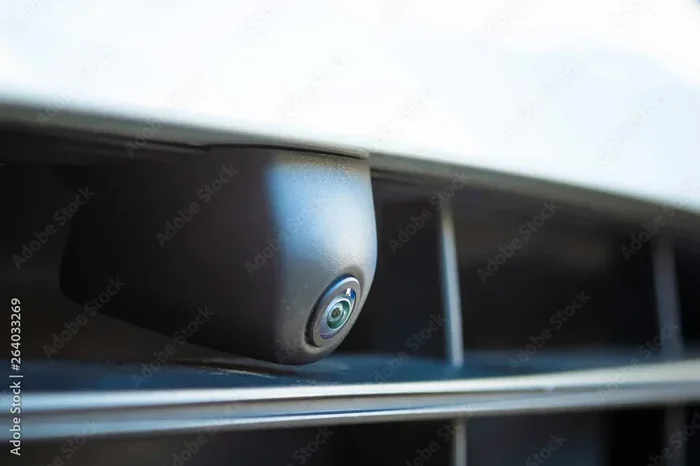
A car front bumper camera is a small camera unit that mounts to the front bumper of your vehicle. It connects to your dashboard display or a separate monitor. When you turn on the ignition or press a button, you get a live video feed of the road ahead.
These cameras are part of a broader vehicle camera system. Many modern cars come with built-in front-end camera systems. But aftermarket options work great too, and they are often more affordable. You can find them in everything from budget-friendly models to premium units with advanced features.
The main goal is simple. Better visibility means fewer accidents. A front bumper camera helps you spot pedestrians, cyclists, animals, and obstacles before they become problems. It is especially useful in poor weather, at night, or in crowded areas.
Why More Drivers Are Choosing Front Bumper Cameras
There are several reasons why car front bumper cameras have become so popular. Let us look at the biggest ones.
First, safety. A front-facing camera gives you a wider view than your mirrors ever could. You can see low objects, small children, and pets that might be hidden from your line of sight.
Second, convenience. Parallel parking on a busy street is much easier when you can see the curb on your monitor. You do not have to guess or lean forward to get a better view.
Third, insurance benefits. Some insurance companies offer discounts for vehicles equipped with driver assistance technology. A front bumper camera can count toward these savings.
Fourth, peace of mind. Knowing you have extra visual help makes every trip feel a little calmer. This is especially true for new drivers or anyone who drives in unfamiliar areas often.
How a Front Bumper Camera Compares to Other Camera Types
People often confuse a front bumper camera with a dash cam or a reverse camera. While they share some similarities, each serves a different purpose.
A dash cam records what happens ahead while you drive. It is mainly for evidence in case of an accident. A reverse camera helps you see behind the car when backing up. A front bumper camera gives you a live forward view while driving and parking.
Some advanced systems combine all three into one unit. This is called a 360-degree camera setup. But if you are on a budget, a single front bumper camera still offers huge benefits.
Types of Front Bumper Cameras Available
Not all car front bumper cameras are the same. Different types offer different features. Let us break them down so you can find the right fit.
Built-In Factory Cameras
Many new vehicles come with a front-end camera already installed. These are part of the car’s original driver assistance package. They are usually high quality and integrate smoothly with the vehicle’s display.
The downside? You cannot upgrade or replace them easily. If your car has one, you may still want an aftermarket unit for extra features like recording or wider angles.
Aftermarket Front Bumper Cameras
These are cameras you buy separately and install yourself or with a professional. They come in many shapes and sizes. Some mount on the bumper, while others go behind the grill or under the hood.
Aftermarket options are great because you can choose exactly what features you want. You are not stuck with whatever came with the car.
Wireless vs. Wired Front Bumper Cameras
Wired cameras connect directly to your car’s electrical system. They tend to be more reliable and offer better image quality. However, installation is more involved because you need to route cables through the firewall.
Wireless cameras send a signal to your display without physical cables. They are easier to install and look cleaner. The trade-off is that wireless signals can sometimes experience interference or slight delay.
Camera Modules with Recording Capability
Some front bumper cameras double as dash cams. They record video while you drive and save it to an SD card. This gives you both live visibility and a recording for safety. These combo units are becoming very popular among drivers who want the best of both worlds.
How to Choose the Right Front Bumper Camera for Your Vehicle
Picking the right car front bumper camera can feel overwhelming. There are so many options on the market. But if you focus on a few key factors, the decision becomes much easier.
Consider Your Camera Lens Type
The lens is the most important part of any front bumper camera. A wide-angle lens gives you a broader view of the road ahead. This is ideal for city driving and tight parking situations.
A narrower lens offers more detail at a distance but covers less area. For most drivers, a wide-angle lens between 120 and 150 degrees is the sweet spot. It gives you enough coverage without distorting the image too much.
Look for Good Night Vision
Driving at night is when a front bumper camera really earns its keep. Look for cameras with night vision capability or infrared sensors. These features let you see clearly even in complete darkness.
Cheap cameras without good low-light performance will give you a grainy, useless image when the sun goes down. Always check the specifications for low-light or night mode support.
Check the Resolution and Display Quality
Higher resolution means a clearer picture. Look for cameras that offer at least 1080p resolution. Anything below that may look blurry, especially when you need to read street signs or see small details.
The display matters too. A dashboard monitor with good brightness and contrast makes it easy to see the camera feed in direct sunlight. Some systems connect to your factory screen, which is a great option if your car supports it.
Waterproof and Weather Resistance
Your front bumper camera will face rain, snow, heat, and dust every single day. Make sure the unit you choose is rated IP67 or higher for waterproofing. This ensures it can handle harsh weather without failing.
A camera that is not properly sealed will fog up, short out, or degrade over time. Never skip this spec, no matter how good the rest of the camera looks.
Think About Field of View and Angle Adjustability
The field of view determines how much of the road you can see. A wider field of view is great for spotting obstacles close to the car. But too wide an angle can distort the edges of the image.
Some front bumper cameras allow you to adjust the angle after installation. This is a handy feature because you can fine-tune the view to match your driving style and vehicle height.
Compatibility with Your Vehicle’s Display System
Before buying, make sure the camera works with your car’s display. Some vehicles have a dedicated backup camera input that can also accept a front camera signal. Others may need a separate monitor or an aftermarket head unit.
Check the wiring harness and connection type. Plug-and-play systems are the easiest to set up. If you are not comfortable with wiring, look for a system that includes all the necessary cables and a simple installation guide.
Installation Tips and Best Practices for Your Car Front Bumper Camera
Installing a car front bumper camera is one of the most rewarding DIY car projects. With the right approach, you can have it done in under an hour. Here are the tips that make the biggest difference.
Choose the Right Mounting Location
The camera needs a clear, unobstructed view of the road. The best spot is usually the center of the front bumper, just below the grill. This position gives you the most balanced view.
Avoid mounting the camera too high or too low. Too high and you lose sight of low obstacles. Too low and the camera can get damaged by road debris or water.
Clean the Bumper Surface Before Mounting
This is a step many people skip. Before you attach the camera, clean the bumper area thoroughly with rubbing alcohol. Any dirt, wax, or grease will weaken the adhesive bond.
A clean surface ensures the mount stays secure. A loose camera can vibrate and shake, giving you a shaky image that is hard to watch.
Route Wires Safely and Neatly
For wired cameras, you need to run the cable from the front bumper to the dashboard display. Use cable clips and trim clips to keep the wire neat and secure.
Avoid running wires near sharp edges or hot exhaust components. A wire that gets pinched or melted will fail. Take your time with this step. A clean wire route looks better and lasts longer.
Test the Camera Before Finalizing the Mount
Once you have the camera positioned and the wires connected, test it before you fully secure the mount. Turn on the ignition and check the image on your display.
Make sure the image is clear, well-framed, and not upside down. Most cameras have a flip setting in the menu. Adjust the angle and position until the view looks perfect. Only then should you finalize the mount.
Use Weatherproof Connectors
If your camera has external connections, always use weatherproof connectors. These small rubber-coated plugs keep moisture out and prevent corrosion.
This is a small detail that makes a huge difference over time. A corroded connection can cause intermittent signal loss or complete failure of the front bumper camera.
Consider Professional Installation for Complex Setups
If your vehicle requires cutting into the bumper or running wires through the firewall, consider professional installation. A certified installer will do the job cleanly and safely.
Many auto parts stores and car audio shops offer installation services for a reasonable fee. This is a smart choice if you are not confident in your wiring skills.
Common Mistakes to Avoid with Front Bumper Cameras
Even with the best intentions, drivers make mistakes with their car front bumper cameras. Here are the most common ones and how to avoid them.
Skipping Waterproofing
This is the number one mistake. A front bumper camera sits right at the front of the car, exposed to rain, car washes, and road spray. If your camera is not properly waterproofed, it will fail sooner or later.
Always check the IP rating. IP67 or IP68 is ideal. And never skip using weatherproof connectors during installation.
Mounting the Camera Too High or Too Low
A badly positioned camera gives you a poor view of the road. If it is too high, you lose sight of low objects. If it is too low, the camera may get damaged by bumps or debris.
Take the time to find the sweet spot. The center of the bumper, at bumper height, is usually the best position for most vehicles.
Ignoring the Camera Angle
A camera that is pointed too far up or too far down will not show you what you need. An incorrect angle can also cause glare from headlights or the sun.
Adjust the angle carefully during testing. A properly angled front bumper camera should show you the road about 10 to 20 feet ahead of the vehicle.
Using a Cheap or Incompatible Power Source
Some drivers plug their camera into a low-quality power source or an unstable fuse tap. This can cause the camera to flicker, shut off randomly, or even damage the electrical system.
Always use a reliable power source. A dedicated fuse adapter with an inline fuse is the safest option. It protects both the camera and your car’s wiring.
Forgetting to Clean the Lens Regularly
A dirty lens makes everything look blurry and washed out. Bugs, road grime, and winter salt can build up on the camera lens quickly.
Make it a habit to wipe the lens with a soft microfiber cloth every few weeks. This simple step keeps your car front bumper camera performing at its best.
Not Updating Firmware or Software
Many modern vehicle camera systems receive firmware updates that improve image quality, fix bugs, and add new features. If your camera connects to an app or a smart display, check for updates regularly.
Ignoring updates means you might miss out on improvements that make your camera work better.
Maintenance and Care Tips for Your Front Bumper Camera
A car front bumper camera is built to last, but it still needs regular care. A little maintenance goes a long way in keeping your camera working perfectly.
Clean the lens at least once a week. Use a soft, lint-free cloth. Avoid harsh chemicals that can scratch the lens coating. A simple damp cloth works great for most dirt and grime.
Check the wiring connections every few months. Look for loose plugs, corrosion, or frayed wires. Tighten any loose connections and replace damaged cables right away.
Inspect the mount and adhesive. Over time, heat and vibration can loosen the camera. If the mount feels wobbly, clean the surface and reapply the adhesive or switch to a screw mount for a more secure hold.
Test the camera regularly. Turn on your car and check that the image is clear and the feed is stable. Catching a problem early is much easier than fixing one later.
Store replacement parts if you can. Keep a spare mount, a cable, and a lens cloth in your trunk. If something goes wrong on the road, you will be glad you are prepared.
When to Replace Your Front Bumper Camera
Even with good care, a front bumper camera will eventually need replacing. Signs that it is time include a blurry image, flickering display, intermittent signal loss, or physical damage to the camera housing.
If you notice any of these issues, do not wait. A failing camera defeats the purpose of having one in the first place. Replace it promptly to keep your car safety features working at full capacity.
Conclusion
A car front bumper camera is one of the smartest upgrades you can make to your vehicle. It improves visibility, enhances safety, and makes parking a breeze. With so many options available today, there has never been a better time to add one to your car.
By choosing the right type, installing it properly, and maintaining it regularly, you get years of reliable service from your front bumper camera. Follow the tips in this guide, avoid the common mistakes, and enjoy the confidence that comes with better visibility on the road.
Take action today. Whether you are a daily commuter or an occasional road tripper, a car front bumper camera is a small investment that pays big dividends in safety and peace of mind. Drive smarter, drive safer, and let your front bumper camera do the extra watching for you.
Frequently Asked Questions
Can I install a car front bumper camera myself?
Yes, most aftermarket front bumper cameras come with everything you need for a DIY installation. If you are comfortable with basic wiring and mounting, you can usually finish the job in under an hour. Wireless models are the easiest to install since they do not require running cables through the firewall.
Do front bumper cameras work in rain and snow?
Absolutely. Most quality car front bumper cameras are rated IP67 or higher, which means they are fully waterproof and can handle rain, snow, and even car washes. Just make sure the connectors are weatherproof and the mount is secure before driving in harsh conditions.
Will a front bumper camera void my car warranty?
In most cases, no. Aftermarket car safety features like a front bumper camera generally do not void your warranty. However, if the installation involves cutting into the bumper or modifying the electrical system, it could affect related coverage. Check with your dealer to be sure.
What resolution should I look for in a front bumper camera?
Look for at least 1080p resolution for a clear and detailed image. Some premium front bumper cameras offer 4K resolution, but 1080p is more than enough for most driving situations. Higher resolution is especially helpful for reading street signs and license plates at night.
How much does a car front bumper camera cost?
Prices range from about $30 for basic models to $300 or more for advanced units with recording and 360-degree camera integration. A good mid-range front bumper camera with solid features typically costs between $80 and $150. This is a small price for the added safety and convenience it provides.
Can I use a front bumper camera as a dash cam?
Some front bumper cameras double as dash cams and can record video while you drive. These combo units are a great value if you want both live visibility and recorded footage. Look for models with an SD card slot and loop recording for the best results.