Car Bonnet Stand Holder Guide For Safe And Easy Storage
A car bonnet stand holder is an essential tool that keeps your vehicle’s hood securely open while you work on the engine. It provides safe and stable support, prevents accidental closures, and gives you hands-free access to the engine bay. Whether you are a DIY mechanic or a car enthusiast, using the right bonnet stand holder makes maintenance safer and far more convenient.
Owning a car comes with regular maintenance tasks. Some are simple, like checking tire pressure. Others require you to open the hood and dive into the engine bay. Whether you are topping up coolant, replacing a air filter, or inspecting belts, you need your hood to stay open safely. This is where a car bonnet stand holder becomes invaluable. It is a small but mighty accessory that every car owner should have in their garage.
A bonnet stand holder does exactly what the name suggests. It holds your car’s hood securely in an open position while you work. Without one, you might rely on a flimsy prop rod or hope the hood latch holds. Both options are risky. A sudden drop can damage the paint, crack the windshield, or even hurt you badly. A proper hood stand holder eliminates all that risk with a secure, stable support system.
In this guide, we will cover everything you need to know about car bonnet stand holders. We will explore the different types available, how to choose the right one, and how to use it safely. We will also share common mistakes to avoid and expert tips that make a real difference. By the end, you will know exactly which bonnet support holder works best for your vehicle and your needs.
Key Takeaways
- Safety First: A car bonnet stand holder prevents sudden hood drops that can cause serious injury or damage.
- Multiple Types Available: From hydraulic struts to manual prop rods, there is a holder for every vehicle and budget.
- Easy Installation: Most holders attach in minutes with basic tools and no professional help needed.
- Protects Your Vehicle: Proper storage with a stand holder reduces wear on the hood and hinges over time.
- Cost-Effective Solution: A quality stand holder is a small investment compared to repair costs from hood damage.
- Universal Compatibility: Many holders fit a wide range of vehicle makes and models with adjustable designs.
- Quick Access: Using a stand holder lets you pop the hood anytime without struggling with latches or props.
📑 Table of Contents
- What Is a Car Bonnet Stand Holder and Why You Need One
- Types of Car Bonnet Stand Holders Available
- How to Choose the Right Bonnet Stand Holder for Your Vehicle
- Step-by-Step Guide to Using a Car Bonnet Stand Holder
- Common Mistakes to Avoid with Bonnet Stand Holders
- Benefits of Using a Bonnet Stand Holder for Your Vehicle
- Expert Insights on Bonnet Stand Holder Maintenance and Care
- Key Takeaways
- Conclusion
What Is a Car Bonnet Stand Holder and Why You Need One
A car bonnet stand holder is a mechanical device designed to keep your vehicle’s hood raised and locked in an open position. It connects to the hood or the engine bay and provides a sturdy support point. This allows you to access the engine compartment safely without worrying about the hood falling shut.
The basic concept is simple. A rod or bracket extends from a fixed point on the car and locks the hood at the desired angle. Some models use gas struts for smooth operation, while others rely on manual locking mechanisms. Regardless of the design, the goal is the same: safe, hands-free hood access during maintenance or inspection.
You might wonder why you need a dedicated stand holder when your car already has a hood prop rod. The truth is, prop rods have significant limitations. They are often short, unstable, and prone to slipping. They can also scratch your hood or engine bay if they shift. A bonnet stand holder solves all these problems with a purpose-built design that is far more reliable and secure.
Who Benefits from a Bonnet Stand Holder
Almost every car owner can benefit from using a car bonnet stand holder. Here are some examples of who needs one the most:
- DIY Mechanics: If you perform your own oil changes, filter replacements, or fluid checks, a stand holder keeps the hood open hands-free.
- Car Enthusists: People who love working on their vehicles in the garage need reliable hood support for longer tasks.
- Professional Mechanics: Even in shops, a sturdy hood support stand speeds up work and improves safety.
- Classic Car Owners: Older vehicles often have weak or broken hood struts. A stand holder provides a safe alternative.
- Daily Drivers: Even if you rarely open the hood, having a stand holder ready for emergencies is always smart.
Types of Car Bonnet Stand Holders Available
Not all bonnet stand holders are created equal. There are several types on the market, each with its own advantages. Understanding the differences helps you pick the best option for your vehicle and budget.
Gas Strut Bonnet Holders
Gas strut holders use compressed gas to assist the hood in staying open. They are the most popular type for modern vehicles. The strut attaches near the hood hinge and provides smooth, controlled support. You can adjust the angle easily, and the gas pressure keeps the hood steady even in windy conditions.
These holders are excellent for daily use. They feel natural to operate and require minimal effort. However, gas struts can lose pressure over time and may need replacement after a few years of heavy use.
Manual Prop Rod Holders
The classic prop rod is the simplest form of bonnet support. It is a metal rod that slots into a hole on the hood or the radiator support. While inexpensive and easy to install, manual prop rods have drawbacks. They can slip out accidentally, and they take up space in the engine bay. They also do not offer the same smooth, adjustable support as gas strut models.
Clamp-Style Bonnet Stands
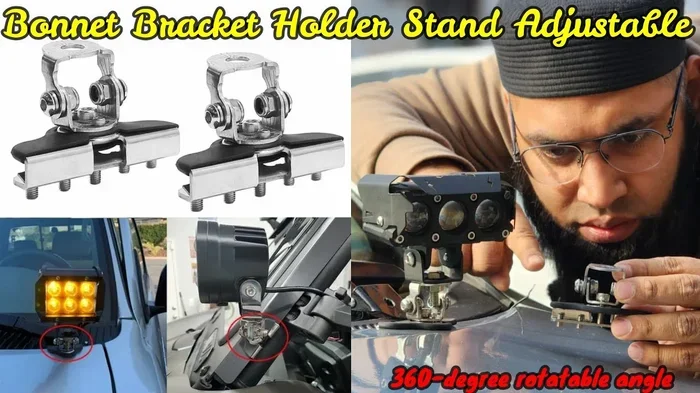
Clamp-style holders attach directly to the hood edge using a padded clamp. They are adjustable and work well on vehicles where the traditional strut mount is missing or damaged. The padded clamp protects the hood finish from scratches. These stands are versatile and portable, making them a great option for roadside emergencies.
Hydraulic Bonnet Support Systems
Hydraulic systems are the most heavy-duty option. They use fluid pressure to hold the hood in place with incredible strength. These systems are common on larger vehicles, trucks, and performance cars. They provide the most reliable support but are also the most expensive. If you work on large engines or do heavy-duty maintenance, a hydraulic car bonnet stand holder is worth the investment.
Comparison Table: Types of Bonnet Stand Holders
| Type | Ease of Use | Durability | Price Range | Best For |
|---|---|---|---|---|
| Gas Strut Holder | Very Easy | High | $$$ | Modern vehicles, daily use |
| Manual Prop Rod | Easy | Medium | $ | Budget-friendly, simple tasks |
| Clamp-Style Stand | Easy | Medium-High | $$ | Versatile fit, portable use |
| Hydraulic System | Moderate | Very High | $$$$ | Heavy-duty, large vehicles |
How to Choose the Right Bonnet Stand Holder for Your Vehicle
Choosing the right car bonnet stand holder depends on several factors. It is not just about picking the most expensive option. You need to consider your vehicle, your needs, and your budget. Here is what to look for when making your decision.
Check Vehicle Compatibility
Not every holder fits every car. Before you buy, check the product specifications for compatibility with your vehicle make and model. Some holders are universal and fit a wide range of cars. Others are designed for specific brands or chassis types. Always verify the fitment before purchasing. A holder that does not match your hood geometry will not work properly, no matter how good its quality is.
Consider the Material and Build Quality
The material of your bonnet stand holder matters a lot for longevity and safety. Look for holders made from stainless steel or heavy-duty aluminum. These materials resist rust and corrosion, which is especially important if you live in a humid or coastal area. Avoid cheap plastic components that can crack under pressure. A well-built holder from quality materials will last for years without compromising safety.
Think About Your Usage Frequency
How often do you open your hood? If you work on your car regularly, invest in a premium car bonnet stand holder with gas strut or hydraulic support. For occasional use, a manual prop rod or clamp-style stand may be perfectly sufficient. Matching the holder to your usage level ensures you get the right value for your money.
Evaluate the Mounting System
The mounting system determines how securely the holder attaches to your vehicle. Look for holders with sturdy mounting brackets and secure locking mechanisms. Some models use bolts for a permanent installation, while others use clamps for easy removal. Both approaches work well, but bolt-mounted holders tend to be more stable and vibration-free during driving.
Budget Considerations
Price ranges for bonnet stand holders vary widely. You can find basic prop rods for under $15, while premium gas strut systems can cost $100 or more. Set a realistic budget based on your needs. Remember that a hood stand holder is a safety device. Spending a little extra on quality can prevent costly damage to your vehicle and protect you from injury.
Quick Tips for Choosing the Right Holder
- Always measure your hood opening before purchasing a holder.
- Read customer reviews to learn about real-world performance.
- Choose a holder with a weight rating that exceeds your hood weight.
- Look for models with rubber or foam padding to protect your hood finish.
- Consider a holder that doubles as a storage solution when the hood is closed.
Step-by-Step Guide to Using a Car Bonnet Stand Holder
Using a car bonnet stand holder is straightforward, but proper installation and operation are essential for safety. Follow these steps to get the most out of your holder.
Step 1: Park on a Level Surface
Before you open the hood, make sure your car is parked on a flat, level surface. Engage the parking brake. This prevents the vehicle from rolling and ensures the hood stand remains stable. Working on a slope can cause the holder to shift or the hood to close unexpectedly.
Step 2: Open the Hood Normally
Release the hood latch from inside the vehicle. Lift the hood to the first stop and secure it with the safety catch. Take a moment to inspect the area around the hood hinges and the engine bay for any obstructions or debris.
Step 3: Install the Stand Holder
Attach the bonnet stand holder according to the manufacturer’s instructions. For gas strut models, connect the mounting bracket to the designated point on the hood or the firewall. For clamp-style holders, position the padded clamp along the hood edge and tighten securely. Make sure all bolts and fasteners are snug but do not overtighten, as this can damage the mounting points.
Step 4: Adjust the Hood Angle
Release the safety catch and let the stand holder support the hood at your preferred angle. Gas strut holders allow smooth adjustment, while manual prop rods require you to set the angle by hand. The hood should be stable and not wobble when you apply light pressure.
Step 5: Test Stability Before Working
Before you start any work, gently push the hood to test the holder’s stability. The hood should not shift or lean. If it feels loose, recheck the mounting and adjustment. A properly installed car bonnet stand holder should feel rock solid.
Step 6: Close the Hood Safely
When you finish working, release the stand holder and lower the hood slowly. Make sure the hood latches fully and the stand holder is disengaged. Never close the hood while the holder is still attached, as this can damage the mechanism or the vehicle’s paint.
Expert Insight
Automotive technicians recommend always double-checking the stand holder before leaning into the engine bay. A quick stability test takes only a few seconds but can prevent a serious accident. Experienced mechanics also suggest lubricating the mounting points every six months to keep the mechanism operating smoothly.
Common Mistakes to Avoid with Bonnet Stand Holders
Even with the best bonnet stand holder, mistakes can happen. Being aware of common errors helps you avoid damage to your vehicle and stay safe while working.
Skipping Compatibility Checks
The most common mistake is buying a holder without checking if it fits your vehicle. A universal holder may not align properly with your hood’s support points. This leads to instability and potential damage. Always verify compatibility before you buy.
Overtightening Mounting Bolts
It is tempting to crank down the bolts as tight as possible. But overtightening can strip the threads or crack the mounting surface. Use a torque wrench if the manufacturer specifies a torque value. Tighten firmly but gently.
Ignoring Wear and Tear
Like any car component, hood support stands wear out over time. Gas struts lose pressure, bolts loosen, and rubber padding deteriorates. Inspect your holder regularly for signs of wear. Replace worn parts immediately to maintain safe operation.
Using the Wrong Type for the Task
Not every holder suits every job. Using a lightweight prop rod for heavy-duty engine work is a recipe for disaster. Match the holder type to the task at hand. For extended work sessions, choose a gas strut or hydraulic system that provides reliable, hands-free support.
Forgetting to Disengage Before Driving
This mistake can be dangerous. Driving with the stand holder still attached can cause the hood to shift at highway speeds or damage the holder itself. Always double-check that the holder is fully disengaged before you start the engine and drive.
Benefits of Using a Bonnet Stand Holder for Your Vehicle
A car bonnet stand holder offers benefits that go far beyond just holding the hood open. Here are the key advantages every car owner should know about.
Enhanced Safety
The primary benefit of a bonnet stand holder is safety. A hood that stays securely open means no surprise closures and no risk of injury. You can work comfortably knowing the hood will not drop on you or your tools.
Hands-Free Convenience
With a stand holder in place, both of your hands are free for the task at hand. You do not need to wedge a prop rod in place or hold the hood up manually. This makes any engine bay task faster and more efficient.
Protection for Your Vehicle
A quality holder protects your hood from dents, scratches, and paint damage. The padded clamps and smooth mounting brackets prevent the metal from rubbing or scratching during use. Over time, this protection helps maintain your vehicle’s appearance and resale value.
Improved Access to the Engine Bay
A properly positioned stand holder gives you full access to the entire engine bay. You can reach every component without the hood blocking your view or movement. This is especially helpful for tasks like replacing spark plugs, inspecting the intake manifold, or checking the serpentine belt.
Cost Savings Over Time
Preventing hood damage with a car bonnet stand holder saves you money in the long run. Hood repairs, windshield replacements, and paint touch-ups can cost hundreds of dollars. A quality stand holder is a small investment that pays for itself by protecting your vehicle from accidental damage.
Quick Tips for Maximizing Your Stand Holder’s Lifespan
- Clean the holder regularly to remove grease and road grime.
- Store the holder in a dry place when not in use.
- Check mounting bolts monthly and retighten if needed.
- Apply a light coat of rust inhibitor to metal parts.
- Replace gas struts or hydraulic components at the first sign of weakness.
Expert Insights on Bonnet Stand Holder Maintenance and Care
Taking care of your car bonnet stand holder ensures it performs reliably for years. Regular maintenance is simple and only takes a few minutes. Here is what the experts recommend.
Start by inspecting the holder every few months. Look for loose bolts, rust spots, or worn rubber padding. Tighten any loose fasteners and replace any damaged components immediately. For gas strut models, listen for any hissing sounds, which indicate a pressure leak. If you notice the hood not holding its position as firmly as before, it may be time to replace the strut.
Cleaning is also important. Road salt, dirt, and moisture can accelerate corrosion on metal parts. Wipe down the holder with a damp cloth after washes or during routine garage cleaning. A light application of silicone spray on moving parts keeps the mechanism operating smoothly.
For owners who live in coastal areas or regions with harsh winters, extra care is necessary. Salt air and road salt are particularly damaging to metal components. Consider using a holder with stainless steel or powder-coated parts for better corrosion resistance. Applying a protective wax coating to exposed metal surfaces adds an extra layer of defense.
Finally, always follow the manufacturer’s maintenance schedule. Each holder type has specific care requirements, and sticking to them maximizes the product’s lifespan and keeps your vehicle safe during every hood-up session.
Key Takeaways
- Essential Safety Tool: A car bonnet stand holder prevents hood drops and keeps you safe during engine work.
- Multiple Types to Choose From: Gas strut, manual prop, clamp-style, and hydraulic holders each serve different needs and budgets.
- Vehicle Compatibility Matters: Always check that the holder fits your specific make and model before purchasing.
- Easy Installation: Most holders can be installed in minutes with basic tools and no professional assistance.
- Regular Maintenance Extends Life: Simple inspections and cleaning keep your holder working reliably for years.
- Protects Your Investment: Using a stand holder prevents costly hood and windshield damage over time.
- Hands-Free Convenience: A quality holder lets you work freely without holding the hood up manually.
Conclusion
A car bonnet stand holder is one of those small accessories that makes a huge difference. It keeps you safe, protects your vehicle, and makes engine bay work faster and more comfortable. Whether you are a seasoned mechanic or a casual car owner, investing in a quality bonnet stand holder is a decision you will not regret.
Take the time to choose the right type for your vehicle. Follow the installation steps carefully. Maintain your holder regularly, and it will serve you reliably for years to come. Safe hood storage starts with the right stand holder. Make the smart choice today and enjoy peace of mind every time you open your hood.
Frequently Asked Questions
What is a car bonnet stand holder used for?
A car bonnet stand holder keeps your vehicle’s hood securely open while you work on the engine. It provides stable support, prevents accidental closures, and gives you hands-free access to the engine bay for maintenance and inspections.
Are bonnet stand holders compatible with all car models?
Many holders are universal and fit a wide range of vehicles, but compatibility varies by model. Always check the product specifications and confirm the holder fits your specific make, model, and year before purchasing.
How do I install a car bonnet stand holder?
Installation is straightforward for most models. You will need basic tools like a wrench and screwdriver. Attach the mounting bracket to the designated point on the hood or firewall, secure all bolts, and adjust the angle. Refer to the manufacturer’s instructions for specific guidance.
Can I drive with a bonnet stand holder attached?
No. Always remove or fully disengage the stand holder before driving. Leaving it attached can cause the hood to shift at speed, damage the holder, or obstruct your view through the windshield.
How long does a bonnet stand holder last?
With proper care and maintenance, a quality car bonnet stand holder can last for many years. Gas strut models may need strut replacement after several years of heavy use, while manual prop rods and clamp-style stands tend to last even longer with basic upkeep.
What is the best type of bonnet stand holder for DIY mechanics?
For most DIY mechanics, a gas strut holder offers the best balance of convenience, stability, and durability. It provides smooth, adjustable support and is easy to operate. If you work on your car frequently, this is the most worthwhile investment for your garage.