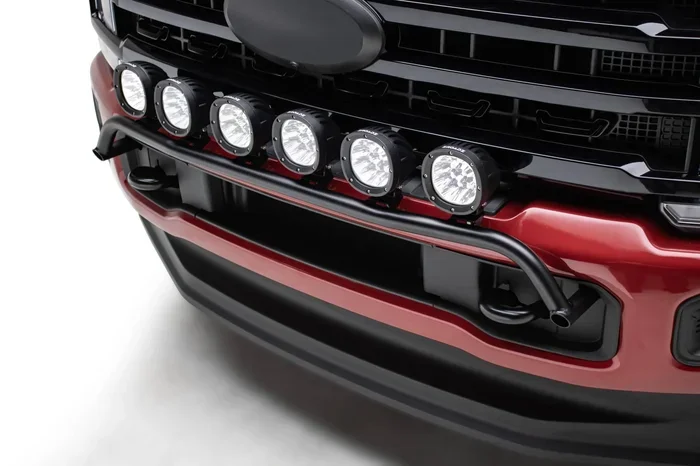
Bumper Light for Car How to Find the Right One for You
A bumper light for car is one of the most practical and stylish upgrades you can make to your vehicle. Whether you need better visibility on dark roads or want to give your car a modern look, the right bumper light makes a huge difference. This guide walks you through every step of finding, choosing, and installing the perfect bumper light for car. You will learn about the different types available, what features matter most, and how to avoid common buying mistakes.
Every driver knows the frustration of poor visibility at night. A dim factory light or a burnt-out bulb can make even a short drive feel dangerous. That is exactly why more people are turning to a bumper light for car as their go-to solution. These lights mount right onto your front bumper and throw extra light onto the road ahead.
The great thing about bumper lights for car is how versatile they are. You can use them for daily commuting, off-road adventures, or just making your vehicle look sharper. With so many options on the market today, finding the right one does not have to be overwhelming. This guide breaks everything down into simple, easy-to-follow steps. By the end, you will know exactly what to look for and how to make the best choice for your ride.
Key Takeaways
- LED bumper lights offer the best brightness and energy efficiency for most drivers.
- Off-road and fog lights serve different purposes, so choose based on your driving needs.
- Proper installation and wiring are essential for safety and long-term performance.
- Weatherproof ratings like IP67 or IP68 ensure your lights last in all conditions.
- Matching your vehicle’s voltage prevents electrical issues and blown fuses.
- Aftermarket bumper lights can boost both safety and your car’s resale value.
- Reading real reviews helps you avoid low-quality products that fail quickly.
📑 Table of Contents
- What Is a Bumper Light for Car and Why Do You Need One?
- Types of Bumper Lights Available for Cars
- How to Choose the Right Bumper Light for Your Car
- Installation Tips for Bumper Lights on Your Car
- Common Mistakes People Make When Buying Bumper Lights
- Expert Tips for Getting the Most from Your Bumper Lights
- Conclusion
What Is a Bumper Light for Car and Why Do You Need One?
A bumper light for car is a lighting unit designed to attach to the front bumper of your vehicle. Unlike standard headlights, these lights are usually smaller and positioned lower on the front end. They serve a few key purposes that make them really valuable for everyday driving.
First, they improve visibility while driving in low-light conditions. Fog, rain, and dark highways all become safer when you have extra illumination. Second, they act as a visual signal to other drivers. Third, they simply make your car look better. A clean set of LED bumper lights gives any vehicle a modern, updated appearance.
Many drivers also use bumper lights for car as a backup to their main headlamps. If your headlight replacement is pending or your factory lights are dimming, a bumper-mounted light can fill the gap. They are especially popular among truck and SUV owners who want extra reach on dark country roads.
How Bumper Lights Differ from Standard Headlights
Standard headlights are built into the car’s body and controlled by the dashboard switch. Bumper lights for car are separate units that mount externally. This means they can be positioned to shine at different angles and cover different areas of the road.
Here are the main differences you should know:
- Position: Bumper lights sit lower on the front end, while headlights are higher up.
- Beam pattern: Bumper lights often produce a wider or more focused beam depending on the type.
- Brightness: Many LED bumper lights are brighter than stock halogen headlights.
- Installation: Bumper lights are usually bolt-on or plug-and-play, while headlights may require more wiring.
- Purpose: Headlights handle the main job of night driving, while bumper lights add supplementary illumination.
Types of Bumper Lights Available for Cars
Not all bumper lights for car are the same. Understanding the different types helps you narrow down your options. Each type has its own strengths and ideal use cases.
LED Bumper Lights
LED bumper lights are the most popular choice today. They use light-emitting diodes to produce a bright, white beam. These lights are energy efficient lights that draw very little power from your car’s electrical system. They also last a long time, often up to 50,000 hours or more.
LED lights turn on instantly, which is a big plus for signaling. They also produce less heat than older bulb types. If you want a reliable, modern option, LED bumper lights are the way to go.
Halo Ring Bumper Lights
Halo ring lights feature a circular LED ring around the main light element. They look stunning and give your car a premium appearance. Many drivers choose halo ring lights for their vehicle lighting upgrade because they combine function with style.
The halo ring creates a distinctive glow that is visible from a distance. This adds an extra layer of safety during night driving. These lights are commonly available in white, amber, and blue tones.
Fog Lights for Car (Bumper Mounted)
Fog lights for car are a specific type of bumper-mounted light designed for adverse weather. They produce a wide, flat beam that cuts through fog, rain, and snow without reflecting back into your eyes.
If you live in an area with frequent fog or heavy rain, fog lights for car mounted on the bumper are a smart addition. They are typically amber or yellow in color, which helps penetrate dense moisture better than white light.
Off-Road Bumper Lights
Off-road enthusiasts love bumper lights for car because they provide illumination in unlit trails and fields. These lights are usually more rugged and weather-resistant than standard options. They often come with a led light bar or multiple beam angles for maximum coverage.
Off-road bumper lights are built to handle vibrations, mud, and water exposure. If you frequently drive on unpaved roads or go camping in remote areas, these are a must-have piece of car accessories.
Driving Lights for Bumper Mount
Driving lights for car are designed to extend your view beyond what standard headlights cover. They produce a long-range beam that reaches farther down the road. This is especially useful on dark highways where you need more reaction time.
Driving lights are typically larger than fog lights and have a more focused beam pattern. They work best when mounted on the bumper at a slight upward angle to maximize road coverage.
How to Choose the Right Bumper Light for Your Car
Choosing the right bumper light for car comes down to understanding your needs. There are several factors to consider before you buy. Taking the time to evaluate these will save you money and frustration later.
Consider Your Driving Environment
Think about where and when you drive the most. Do you commute on dark city streets? Do you travel rural highways at night? Do you go off-road on weekends? Your driving environment determines the type of light you need.
For city driving, a simple set of LED bumper lights with a wide beam works well. For highway driving, driving lights for car with a longer reach are better. For off-road use, you want rugged, high-output units with strong weatherproof lighting ratings.
Check the Light Output and Beam Pattern
Light output is measured in lumens. The higher the lumen count, the brighter the light. For a bumper light for car, you typically want something between 2,000 and 6,000 lumens per light. This provides enough brightness without blinding oncoming traffic.
The beam pattern matters just as much as brightness. A wide beam covers more area close to the car. A focused beam reaches farther down the road. Some bumper lights offer a combo beam that does both. Look for lights that clearly state their beam type in the product description.
Match the Voltage and Wiring Requirements
Most bumper lights for car operate on a 12-volt system, which is standard for passenger vehicles. However, if you drive a truck or a vehicle with a different electrical setup, check the voltage requirements before purchasing.
Proper wiring ensures your lights work safely and reliably. Many bumper lights for car come with a plug-and-play harness. This makes light installation much easier. If the lights do not include a wiring kit, you may need to purchase one separately or consult a professional.
Look for Weatherproof and Durable Construction
Your bumper lights will face rain, snow, dust, and road debris every time you drive. That is why build quality matters so much. Look for lights with an IP rating, which measures resistance to water and dust.
Here is a quick comparison of common IP ratings:
- IP65: Protected against low-pressure water jets. Good for light rain.
- IP67: Can be submerged in water up to 1 meter for 30 minutes. Excellent for most drivers.
- IP68: Can handle prolonged submersion. Ideal for off-road and heavy-duty use.
For most drivers, an IP67 rating offers the best balance of protection and value. This level of weatherproof lighting ensures your lights keep working in all seasons.
Choose the Right Bulb Type
The bulb types used in bumper lights affect brightness, lifespan, and energy use. Here is a quick look at the most common options:
- LED: Brightest, most energy efficient, longest lasting. The top choice for most drivers.
- HID (Xenon): Very bright with a bluish-white glow. Uses more power than LED.
- Halogen: Affordable and widely available. Produces more heat and less light than LED.
- Incandescent: The oldest type. Rarely used in modern bumper lights due to low efficiency.
For a bumper light for car, LED is the clear winner in almost every category. They are the standard in modern automotive lighting and offer the best overall performance.
Compare Brands and Read Reviews
The aftermarket lights market has many brands, and quality varies widely. Some brands cut corners on materials or use low-grade LEDs that dim quickly. Always read real customer reviews before making a purchase.
Look for brands that offer a solid warranty. A good warranty shows the manufacturer stands behind their product. Brands with at least a one-year warranty are generally more reliable. Also, check for certifications like E-mark or DOT compliance, which confirm the lights meet safety standards.
Set a Budget and Stick to It
Bumper lights for car range in price from around $20 to over $200 per pair. Your budget depends on how many lights you need and what features matter most to you.
For a solid set of LED bumper lights, expect to spend between $40 and $100 for a pair. This price range gives you good brightness, decent build quality, and a reliable warranty. Spending more does not always mean better performance, so focus on specs and reviews rather than price alone.
Installation Tips for Bumper Lights on Your Car
Installing a bumper light for car is one of the most manageable DIY projects you can tackle. With the right tools and a little patience, you can have your new lights working in under an hour.
What You Will Need for Installation
- Socket wrench set
- Screwdrivers (Phillips and flathead)
- Wire strippers and crimp connectors
- Electrical tape
- Mounting brackets (if not included)
- Drill with appropriate bits (if drilling new holes)
Step-by-Step Installation Process
Follow these steps for a clean, safe light installation:
- Disconnect the battery: Always start by disconnecting the negative terminal. This prevents electrical shorts.
- Plan the mounting location: Hold the light up to the bumper and mark the drill holes with a marker.
- Drill the mounting holes: Use a drill bit that matches the bolt size. Clean up any burrs with a file.
- Mount the light bracket: Secure the bracket to the bumper using the provided bolts and a socket wrench.
- Connect the wiring: Match the positive and negative wires from the light to your vehicle’s wiring. Use crimp connectors and electrical tape to secure the connections.
- Mount the light unit: Attach the light to the bracket and tighten all screws securely.
- Reconnect the battery: Turn on your vehicle and test the lights. Make sure both high and low beam functions work correctly.
Common Installation Mistakes to Avoid
Even with clear instructions, mistakes can happen during light installation. Here are the most common errors:
- Drilling holes in the wrong spot: Always double-check measurements before drilling. Holes in the wrong place weaken the bumper structure.
- Ignoring the wiring harness: Never splice wires directly without a proper connector. This can cause shorts and electrical fires.
- Over-tightening bolts: This can crack the bumper or strip the threads. Tighten just enough to hold the light firmly in place.
- Forgetting to seal the holes: Apply a small amount of silicone around any drilled holes to prevent water from entering the bumper.
Common Mistakes People Make When Buying Bumper Lights
Buying a bumper light for car should be a straightforward process, but many buyers make avoidable mistakes. Learning from these errors helps you make a smarter purchase.
Buying Based on Price Alone
The cheapest option is not always the best value. Low-priced bumper lights often use poor-quality LEDs that dim within months. They may also lack proper weatherproof lighting protection, meaning they fail quickly in rain or snow.
Instead of chasing the lowest price, look for the best value. A slightly more expensive set of LED bumper lights with good reviews and a warranty will last much longer and perform better.
Ignoring the Beam Pattern
Many buyers focus only on brightness and ignore the beam pattern. A light with 5,000 lumens is useless if the beam scatters in all directions and creates glare for oncoming drivers.
Always check the beam pattern before buying. A well-designed bumper light for car should have a focused beam that illuminates the road without blinding others. This is especially important for road safety during night driving.
Skipping the Weatherproof Rating
Some buyers forget to check the IP rating of the lights. Without proper protection, moisture can seep into the light housing and short-circuit the LEDs. This is one of the most common reasons bumper lights fail early.
Always choose lights rated at least IP65. For anyone who drives in rain or snow regularly, IP67 is the sweet spot for durability and value.
Not Checking Compatibility with Your Vehicle
Not every bumper light for car fits every vehicle. The bumper shape, mounting points, and wiring setup vary between makes and models. Before you buy, confirm that the lights are compatible with your specific car or truck.
Many manufacturers list compatible vehicle models on their product pages. If you are unsure, contact the seller and ask. Taking five minutes to verify compatibility saves hours of frustration later.
Expert Tips for Getting the Most from Your Bumper Lights
Once you have installed your new bumper light for car, a few simple tips will help you get the best performance and longest lifespan.
Clean Your Lights Regularly
Dirt, mud, and road grime build up on bumper lights over time. This film reduces brightness and makes your lights less effective. Wipe them down with a damp cloth every time you wash your car.
For off-road lights that take a beating, use a mild automotive cleaner and a soft microfiber cloth. Avoid abrasive materials that can scratch the light housing and cloud the lens.
Check Wiring Connections Every Few Months
Vibrations from driving can loosen wiring connections over time. Every few months, inspect the connections at the bumper light and the fuse box. If you notice any corrosion or loose wires, clean or replace them immediately.
Good wiring maintenance is one of the easiest ways to extend the life of your vehicle lighting. It also keeps your electrical system running safely.
Use a Relay for High-Output Lights
If you install high-lumen LED bumper lights, consider adding a relay to the circuit. A relay draws power directly from the battery, reducing strain on your car’s wiring. This prevents blown fuses and ensures consistent brightness.
Relays are inexpensive and easy to install. They are especially important for truck bumper lights or any setup with multiple high-power lights.
Align Your Lights Properly
Even the best bumper light for car will not perform well if it is pointed in the wrong direction. After installation, check the alignment by parking your car about 25 feet from a wall.
The light beam should hit the wall at a slight downward angle. If the light is pointing too high, it will blind oncoming drivers. If it is too low, you lose valuable road illumination. Adjust the mounting bracket until the beam is aimed correctly.
Conclusion
Finding the right bumper light for car does not have to be complicated. By understanding the different types, knowing what features matter, and avoiding common buying mistakes, you can make a confident choice. Whether you pick LED bumper lights, fog lights for car, or rugged off-road lights, the key is to match the light to your driving needs.
Take the time to compare options, read reviews, and follow proper light installation steps. A quality set of bumper lights for car will improve your visibility while driving, boost road safety, and add a modern look to your vehicle. The investment is small compared to the benefits you get every time you turn on the lights.
Start your search today. With the right information and a clear idea of what you need, you will find the perfect bumper light for car in no time. Drive safer, drive brighter, and enjoy the confidence that comes with better vehicle lighting.
Frequently Asked Questions
What is the best type of bumper light for car for daily driving?
LED bumper lights are the best choice for daily driving. They are bright, energy efficient, and long-lasting. They also produce a clean white light that improves visibility without blinding other drivers. A standard set of LED bumper lights handles city and highway driving with ease.
Can I install a bumper light for car myself?
Yes, most bumper lights for car are designed for DIY installation. They usually come with mounting brackets and a plug-and-play wiring harness. As long as you have basic tools and follow the wiring diagram, you can complete the light installation in under an hour.
Are bumper lights legal in all states?
Most states allow bumper lights for car as long as they meet certain brightness and color standards. White and amber lights are generally legal. Red and blue lights are restricted because they resemble emergency vehicle lights. Always check your local regulations before installing aftermarket automotive lighting.
How long do LED bumper lights last?
Quality LED bumper lights can last between 30,000 and 50,000 hours. That is several years of daily use without needing a replacement. The lifespan depends on build quality, driving conditions, and how well you maintain the wiring connections.
Do bumper lights drain the car battery?
LED bumper lights for car draw very little power, usually between 10 and 30 watts per light. This is minimal and will not drain your battery during normal use. However, if you leave the lights on for extended periods with the engine off, it can drain the battery over time.
What should I look for in the weatherproof rating of bumper lights?
Look for an IP rating of at least IP65 for basic weather protection. IP67 is the best choice for most drivers because it handles heavy rain and even brief submersion. For off-road use or vehicles exposed to harsh conditions, IP68-rated weatherproof lighting provides the highest level of protection.