Black Colour Spray for Car Everything You Need to Know
Black colour spray for car is one of the easiest and most affordable ways to transform your vehicle’s look. Whether you want a matte finish or a glossy shine, this spray paint option gives you professional results at home. In this guide, you will learn everything from choosing the right product to applying it like a pro. We cover brands, techniques, common mistakes, and maintenance tips to keep your finish looking sharp for years.
Have you ever looked at your car and thought it could use a fresh look? Maybe the old paint is fading, or maybe you simply want a new vibe. Whatever the reason, black colour spray for car has become one of the most popular ways to upgrade a vehicle without spending a fortune. It is quick, accessible, and surprisingly effective when done right.
In this guide, we will walk you through everything you need to know about using spray paint on your car. From picking the right product to applying it smoothly, we have got you covered. By the end, you will feel confident enough to tackle the job yourself. Let us dive in.
Key Takeaways
- Easy DIY Solution: Black colour spray for car lets you refresh your vehicle’s look without visiting a costly auto shop.
- Multiple Finish Options: You can choose from matte, gloss, satin, and metallic black finishes to match your style.
- Proper Prep Is Key: Sanding, cleaning, and priming your surface ensures the paint adheres well and lasts longer.
- Top Brands Matter: Choosing a trusted automotive spray paint brand leads to better coverage and durability.
- Clear Coat Protects: Always apply a clear coat over your black paint to shield it from UV rays and road debris.
- Common Mistakes Are Avoidable: Rushing the process or skipping primer are the top reasons spray paint jobs fail.
📑 Table of Contents
- What Is Black Colour Spray for Car?
- Benefits of Using Spray Paint on Your Car
- How to Choose the Right Black Spray Paint
- Step-by-Step Application Guide
- Common Mistakes to Avoid
- Maintenance Tips for Long-Lasting Results
- Expert Insights on Black Car Paint Spray
- Quick Tips for the Best Black Spray Paint Job
- Conclusion
What Is Black Colour Spray for Car?
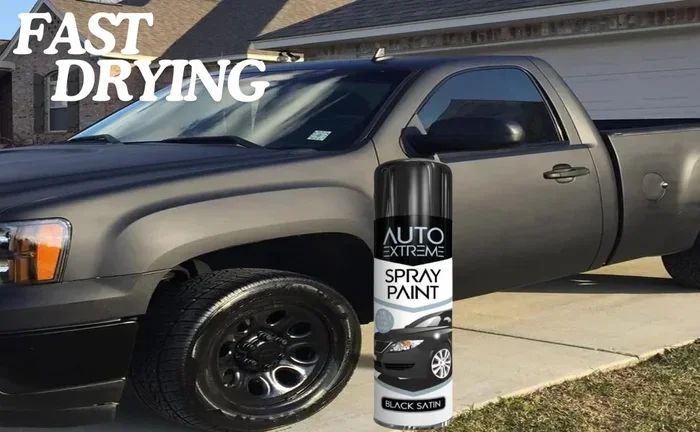
Black colour spray for car refers to aerosol or can-based paint designed specifically for automotive surfaces. Unlike regular craft spray paint, automotive formulas are built to handle the demands of driving. They resist weather, UV rays, and minor scratches much better.
You can find these sprays in different finishes. Matte black gives a sleek, modern look. Gloss black offers a shiny, classic appearance. Satin falls somewhere in between. Metallic black adds tiny flecks for extra depth and shimmer. Each option serves a different style preference.
How Automotive Spray Paint Differs from Regular Paint
Regular spray paint is made for walls, paper, or wood. It does not hold up well under sunlight or rain. Automotive spray paint, on the other hand, contains resins and pigments designed for metal and plastic car parts. These formulas flex with the body of the car, which helps prevent cracking.
Another big difference is coverage. Car spray paint is engineered to go on smoothly and evenly. It also dries with a harder shell, which means better protection. If you want a lasting finish, always choose a product made for vehicles, not general-purpose cans.
Why Black Is a Popular Car Colour Choice
Black has always been a classic car colour. It looks elegant, bold, and timeless. Many car owners choose black because it makes a vehicle stand out. A fresh black paint job can make an older car look brand new again.
Black is also versatile. It pairs well with chrome accents, body kits, and custom wheels. Whether your car is a compact hatchback or a large SUV, black works on almost every shape and size. That versatility is a big reason why black spray paint for cars sells so well every year.
Benefits of Using Spray Paint on Your Car
There are many reasons why people choose spray paint over other methods. Let us look at the biggest advantages.
Cost Savings
A professional paint job at an auto body shop can cost anywhere from five hundred to several thousand dollars. Using automotive spray paint at home costs a fraction of that. A few cans of quality paint and some primer can transform your car for under a hundred dollars.
You also save on labour costs. When you do it yourself, you pay only for materials, not for someone else’s time. This makes spray painting one of the most budget-friendly ways to refresh your car’s appearance.
Ease of Application
You do not need special tools or training to use spray paint. All you need is a well-ventilated space, some sandpaper, masking tape, and the paint cans. The process is straightforward enough for beginners, and most people complete a full panel in just a couple of hours.
The cans are lightweight and easy to hold. You can reach tight spots and curved surfaces without any trouble. This makes spray paint ideal for small touch-up jobs or full-body transformations.
Quick Drying Time
Most automotive spray paints dry to the touch within fifteen to thirty minutes. You can apply multiple coats in a single day. Full curing usually takes about twenty-four to forty-eight hours. This fast turnaround means you get back on the road quickly.
Compare this to traditional brush or roller methods, which can take days to fully dry. Spray paint saves you a lot of waiting time, which is a huge advantage for busy car owners.
Wide Range of Finishes and Shades
Black is not just one colour. There are dozens of shades and finishes available. You can find deep jet black, charcoal black, and even black with a blue or purple undertone. This variety lets you customise your car exactly the way you want it.
Some brands also offer colour-match sprays for specific car models. This means you can find a close match to your original factory colour if you are just doing a touch-up rather than a full repaint.
How to Choose the Right Black Spray Paint
Not all spray paints are created equal. Choosing the right one makes a huge difference in the final result. Here is what to look for.
Check the Paint Type
Look for cans labelled “automotive” or “for cars.” These are specifically formulated for vehicle surfaces. Enamel-based paints tend to be more durable. Acrylic lacquer paints dry faster but may need more careful handling.
Some brands use a combination of both, known as urethane enamel. These offer the best of both worlds: durability and easy application. Always read the label to confirm the paint is safe for automotive use.
Decide on a Finish
Your choice of finish depends on the look you want. Here is a quick breakdown:
- Matte Black: Flat, non-reflective finish. Gives a modern, stealthy look.
- Gloss Black: High shine and reflection. Classic and eye-catching.
- Satin Black: Subtle sheen between matte and gloss. A popular middle-ground choice.
- Metallic Black: Contains fine metal flakes for extra depth and sparkle.
Each finish has its own charm. Matte is trendy and hides minor imperfections well. Gloss looks premium but shows every flaw. Satin is a great compromise if you cannot decide between the two.
Consider the Brand and Quality
Not every brand delivers the same quality. Some well-known names in automotive spray paint include Rust-Oleum, Dupli-Color, VHT, and Krylon. These brands have years of experience and positive user reviews behind them.
Cheaper options might save you money upfront, but they often require more coats and may not last as long. Investing in a reputable brand saves you time and frustration in the long run. Read reviews from other car enthusiasts before making your purchase.
Look for Primer Compatibility
Some spray paint kits come with a built-in primer. This is convenient because it saves you a step. However, separate primer and paint often give better results. A dedicated automotive primer helps the paint adhere to the surface and prevents peeling.
If your car has bare metal or old paint that is flaking, always use a separate primer. For minor touch-ups on intact paint, a primer-and-paint combo can work just fine.
Step-by-Step Application Guide
Applying black colour spray for car properly is the key to a smooth, lasting finish. Follow these steps carefully for the best results.
Step One: Gather Your Supplies
Before you start, make sure you have everything ready. Here is a checklist of what you will need:
- Automotive spray paint (black, as many cans as needed)
- Automotive primer spray
- Clear coat spray for protection
- Sandpaper in various grits (320, 600, 1000, 2000)
- Tack cloth or microfiber cloth
- Masking tape and newspaper or plastic sheeting
- Rubbing compound and polish
- Safety gear: gloves, goggles, and a respirator mask
Having everything prepared before you start keeps the process smooth. It also prevents delays that can cause dust or debris to settle on wet paint.
Step Two: Prepare the Surface
Surface preparation is the most important step. If you skip this, the paint will not stick properly. Start by washing the area with soap and water to remove dirt and grease. Dry it thoroughly with a clean cloth.
Next, use sandpaper to scuff the surface lightly. Start with 320-grit sandpaper to remove the old finish. Then move to 600-grit to smooth things out. Wipe the area with a tack cloth to remove all dust particles. The surface should feel rough to the touch, which helps the primer grip.
Step Three: Apply Primer
Hold the primer can about ten to twelve inches from the surface. Apply thin, even coats in a sweeping motion. Start and stop the spray off the edge of the panel to avoid drips. Allow each coat to dry for about ten to fifteen minutes before applying the next.
Two to three coats of primer usually work best. Let the final coat dry for at least thirty minutes before moving on. The primer creates a smooth base that helps the black paint look rich and even.
Step Four: Apply the Black Paint
Now comes the fun part. Use the same spraying technique as with the primer. Keep the can moving at all times to avoid buildup. Apply thin coats rather than one thick coat. Three to four light coats will give you the best coverage and depth.
Wait about ten to fifteen minutes between coats. The paint should feel dry to the touch before you add the next layer. In warm, dry weather, drying times are shorter. In humid conditions, give each coat extra time.
Step Five: Apply Clear Coat
The clear coat is what gives your paint its shine and protection. Apply two to three thin coats of clear coat, just like you did with the paint. This step is essential because it seals the colour and adds a layer of UV protection.
Without a clear coat, your black paint will fade and dull quickly. The clear coat also makes the surface easier to clean and maintain. Let the final clear coat cure for at least twenty-four hours before touching the surface.
Step Six: Buff and Polish
Once the paint is fully cured, use a rubbing compound to remove any minor imperfections. Apply it with a soft cloth in circular motions. Follow up with a polish to bring out the shine.
This final step makes a big difference. It smooths out any orange peel texture and gives the finish a professional, showroom-quality look. Take your time with this step, as it is what separates a good paint job from a great one.
Common Mistakes to Avoid
Even with the best paint, mistakes can ruin your results. Here are the most common errors and how to avoid them.
Skipping Surface Preparation
This is the number one mistake people make. If you do not clean and sand the surface properly, the paint will peel off within weeks. Always take the time to prep the area thoroughly. It is boring but absolutely essential.
Applying Too Thick a Coat
Thick coats cause drips, runs, and uneven texture. They also take longer to dry and are more prone to cracking. Always apply thin, even coats and build up the colour gradually. Patience pays off here.
Painting in Bad Conditions
Never spray paint in direct sunlight or on a windy day. Dust and debris will land on the wet paint and create bumps and specks. Ideal conditions are a shaded, sheltered area with temperatures between sixty and eighty-five degrees Fahrenheit.
Humidity is also a factor. High humidity slows drying times and can cause a cloudy appearance in the clear coat. Check the weather forecast before you start your project.
Forgetting the Clear Coat
Some people stop after the black paint dries and skip the clear coat. This is a huge mistake. The clear coat protects the colour and adds durability. Without it, your beautiful black finish will dull and show signs of wear very quickly.
Not Letting Paint Cure Fully
Dry and cured are not the same thing. Paint may feel dry to the touch in a few hours, but full curing takes days. Avoid washing your car or parking under trees for at least a week after painting. Give the paint the time it needs to harden completely.
Maintenance Tips for Long-Lasting Results
Your new black paint job will last longer if you take proper care of it. Here are some simple maintenance tips.
Wash Gently and Regularly
Use a pH-neutral car wash soap and a soft microfiber mitt. Avoid harsh chemicals or abrasive sponges that can scratch the paint. Wash your car in the shade and rinse thoroughly to remove all soap residue.
Waxing your car every few months adds an extra layer of protection. Use a quality car wax that is safe for painted surfaces. This helps maintain the deep black colour and keeps the clear coat looking glossy.
Park in the Shade When Possible
Prolonged exposure to direct sunlight can cause any paint to fade over time. Black paint is especially prone to showing sun damage. Whenever you can, park in a garage or under a carport. If that is not possible, consider using a car cover for long-term parking.
Address Chips and Scratches Quickly
Even with a clear coat, small chips can happen. If you notice any damage, touch it up quickly to prevent rust from forming. Keep a spare can of your black colour spray for car on hand for minor repairs. A small can of touch-up paint costs very little and can save you from bigger problems down the road.
Use a Ceramic Coating for Extra Protection
If you want maximum protection, consider applying a ceramic coating after the paint has fully cured. Ceramic coatings create a hard, hydrophobic barrier that repels water, dirt, and UV rays. They can extend the life of your paint job by several years and make washing your car much easier.
Expert Insights on Black Car Paint Spray
Professional auto painters often share the same advice when it comes to spray painting at home. The key is patience and preparation. They emphasise that rushing through any step will lead to poor results.
Many experts also recommend doing a test spray on a piece of cardboard or a hidden panel first. This lets you check the colour match and spray pattern before committing to the car. It is a small step that can save you from a lot of headaches.
Another pro tip is to keep the can warm before spraying. Cold paint does not atomise well and can leave a rough texture. Store your spray cans in a warm area before use, or even place them in warm water for a few minutes. This simple trick improves the spray quality noticeably.
Quick Tips for the Best Black Spray Paint Job
- Always work in a dust-free, well-ventilated area.
- Shake the can vigorously for at least two minutes before each use.
- Keep the can twelve inches from the surface at all times.
- Use sweeping side-to-side motions for even coverage.
- Apply more thin coats rather than fewer thick ones.
- Allow proper drying time between each coat.
- Never paint in direct sunlight or high humidity.
- Wear a respirator mask to protect your lungs from fumes.
Following these tips will dramatically improve your results. Even if you are a complete beginner, these simple guidelines will help you achieve a smooth, professional-looking finish.
Conclusion
Black colour spray for car is a fantastic way to refresh, restore, or completely transform your vehicle’s appearance. It is affordable, accessible, and delivers impressive results when done correctly. Whether you are touching up a small area or giving your entire car a new look, spray paint gives you the control and flexibility to get exactly what you want.
The secret to success lies in preparation, patience, and using the right products. Take the time to prep your surface, apply thin even coats, and always finish with a clear coat. Avoid the common mistakes that beginners make, and do not rush the process. With a little effort and care, your car will look like it rolled straight off the showroom floor.
Now that you have all the information you need, it is time to take action. Pick up some quality spray paint, set aside a weekend, and give your car the fresh look it deserves. You will be amazed at the difference a simple black spray paint job can make. Happy painting!
Frequently Asked Questions
Can I use regular spray paint instead of automotive spray paint?
It is not recommended. Regular spray paint is not formulated to withstand the conditions cars face on the road. Automotive spray paint contains special resins and pigments that provide durability, UV protection, and flexibility. Using the wrong type of paint will lead to peeling and fading within a short time.
How many cans of black spray paint do I need for a full car?
For a full car, you typically need between six and twelve cans depending on the brand and the size of your vehicle. Larger vehicles like trucks and SUVs will need more cans. It is always better to buy a few extra cans than to run out mid-project and risk a colour mismatch.
Do I need to sand the entire car before spraying?
You do not need to sand the entire car unless you are doing a full repaint with significant paint removal. For most projects, you only need to sand the specific panels or areas you are painting. Scuffing the surface lightly with 600-grit sandpaper is usually enough to help the primer and paint adhere properly.
How long does black spray paint take to fully cure?
Most automotive spray paints dry to the touch within thirty minutes to an hour. However, full curing takes about seven days. During this time, avoid washing the car, parking under trees, or exposing it to heavy rain. The paint continues to harden and strengthen during this curing period.
Is it better to spray paint a car indoors or outdoors?
Ideally, you should work in a well-ventilated garage or outdoor sheltered area. Indoor spaces need proper ventilation to avoid inhaling fumes. Outdoor areas should be shaded and free from wind and dust. Avoid painting in direct sunlight or on humid days for the best results.
Can I apply black spray paint over existing paint without sanding?
You can, but only if the existing paint is in good condition and firmly adhered to the surface. Light scuffing with fine-grit sandpaper helps the new paint bond better. If the old paint is peeling or flaking, you must sand it down completely before applying any new paint. Skipping this step will result in poor adhesion and early peeling.
=== SEO TITLE ===
Black Colour Spray for Car Everything You Need to Know
=== META TITLE ===
Black Colour Spray for Car: Complete Guide
=== URL SLUG ===
black-colour-spray-for-car-guide