Baby on Board Car Sign Why Every Parent Should Have One
A baby on board car sign is a small but powerful safety tool every parent should have. It alerts other drivers and emergency responders that a newborn or infant is on board, which can make a life-saving difference during a crash or roadside emergency. In this guide, we cover everything you need to know about choosing, placing, and using your baby on board car sign effectively.
Every parent wants to keep their little one safe. You buy the best car seat. You install it correctly. You never leave your baby unattended in the vehicle. But have you ever thought about a simple sticker that could save your child’s life in an emergency?
A baby on board car sign is one of those small accessories that makes a huge difference. It sits on your rear window or back bumper and sends a clear message to every driver on the road: there is a precious cargo inside this vehicle. Emergency responders, other drivers, and even passersby all benefit from knowing an infant is on board.
In this article, we will walk you through everything you need to know about the baby on board car sign. From the different types available to placement tips and common mistakes, you will find all the answers right here. Let us dive in.
Key Takeaways
- Enhanced Safety: A baby on board car sign alerts drivers and first responders to the presence of an infant, which can lead to faster and more careful emergency responses.
- Multiple Styles Available: From classic window decals to magnetic signs and LED displays, there is a baby on board car sign for every vehicle and parent preference.
- Proper Placement Matters: Where you put your sign affects visibility and effectiveness. Learn the best spots for maximum impact.
- Not Just for Newborns: These signs benefit toddlers, infants in car seats, and even pets or elderly passengers with medical conditions.
- Affordable and Easy to Use: Most baby on board car signs cost under $20 and require no installation beyond sticking or clipping them on.
- Legal and Practical: While not required by law in most places, a baby on board car sign is a smart, practical addition to your vehicle.
📑 Table of Contents
- What Is a Baby on Board Car Sign and Why Does It Matter?
- How Baby on Board Car Signs Improve Road Safety
- Types of Baby on Board Car Signs Available
- Where and How to Place Your Baby on Board Car Sign
- Choosing the Best Baby on Board Car Sign for Your Family
- Common Mistakes Parents Make with Baby on Board Signs
- Key Takeaways
- Frequently Asked Questions
- Conclusion
What Is a Baby on Board Car Sign and Why Does It Matter?
A baby on board car sign is a decal, sticker, or magnetic sign that you place on your vehicle to indicate that an infant or young child is traveling inside. These signs come in many shapes, sizes, and designs. Most feature the words “Baby on Board” or “Newborn on Board” in bold lettering, often with a cute baby graphic or a heart symbol.
You might wonder why such a small sign matters so much. The answer is simple: visibility saves lives. When emergency crews arrive at the scene of a car accident, every second counts. A baby on board car sign immediately tells them to check for an infant passenger. This can change the way they approach the vehicle and prioritize their rescue efforts.
How Emergency Responders Use These Signs
Firefighters, paramedics, and police officers are trained to look for indicators of vulnerable passengers. A baby on board car sign acts as a visual cue that triggers specific protocols. For example, responders may:
- Check for a rear-facing car seat more quickly.
- Administer infant-specific first aid if needed.
- Prioritize extraction if the baby’s position suggests danger.
- Alert the hospital to prepare for a pediatric patient.
These are not hypothetical scenarios. There are real cases where a newborn safety sticker helped first responders act faster and more effectively. The sign does not guarantee safety, but it adds a critical layer of awareness that every parent would want in an emergency.
More Than Just a Sticker
Beyond emergencies, a baby on board car sign also serves as a gentle reminder to other drivers. When people see that an infant is on board, they tend to drive more cautiously. They keep a safer following distance. They are more patient at intersections. It is a small signal that encourages protective driving from everyone around you.
How Baby on Board Car Signs Improve Road Safety
Road safety is a shared responsibility. Every driver on the road plays a role in keeping everyone safe. When you add a baby on board car sign to your vehicle, you are not just protecting your own child. You are communicating with every other driver out there.
The Psychology Behind the Sign
Behavioral research shows that visual cues influence driver behavior. When a driver sees a baby on board car sign, their brain registers a higher level of caution. They may slow down. They may avoid sudden lane changes near your vehicle. They may give you more space at traffic lights. This subtle shift in awareness can reduce the risk of accidents involving your car.
Think about it this way. You would not drive as fast or as aggressively next to a school bus full of children. A baby on board car sign creates a similar mental checkpoint for other drivers. It reminds them that fragile lives are inside the vehicle they are sharing the road with.
Real-World Benefits for Parents
Parents who use a baby on board car sign report feeling more confident and secure while driving. Here are some of the real-world benefits they mention:
- Peace of mind knowing that other drivers are more alert.
- Faster emergency response if an accident occurs.
- Better communication with first responders about passenger needs.
- Increased awareness from nearby drivers in parking lots and traffic.
- A sense of community with other parents who recognize and respect the sign.
Do These Signs Really Work?
Some people question whether a simple decal can make a measurable difference. The truth is that no single safety tool is foolproof. But a baby on board car sign is a low-cost, high-impact addition to your overall child safety in car strategy. It works best when combined with a properly installed car seat, safe driving habits, and regular vehicle maintenance. Every layer of protection counts.
Types of Baby on Board Car Signs Available
Not all baby on board car signs are the same. Different types offer different benefits depending on your vehicle, your style, and your needs. Let us explore the most popular options so you can find the right fit for your family.
Classic Window Decals
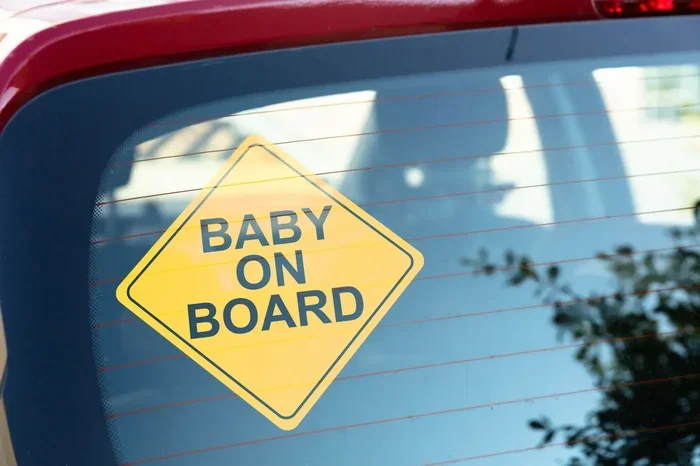
The most traditional type is the window decal for baby. These are adhesive stickers that you apply to the rear windshield or side windows. They are usually made of durable vinyl material that withstands sun, rain, and wind. Classic decals are affordable, easy to apply, and come in a wide range of designs. You can find them with cartoon characters, pastel colors, or minimalist text styles.
One of the best things about a window decal for baby is that it is always visible. Unlike a magnetic sign that can shift in strong winds, a decal stays put. It provides consistent visibility from both behind and beside your vehicle.
Magnetic Signs
If you do not want to leave adhesive residue on your car, a magnetic baby on board sign is a great alternative. These signs attach to the metal surface of your vehicle using strong magnets. You can easily remove them when you are not traveling with your baby, and reapply them when needed.
Magnetic signs are especially useful for parents who share a vehicle with someone who does not have a child. You can take the sign with you or leave it at home depending on who is driving. Popular magnetic options include:
- Round magnetic decals with bold lettering.
- Rectangular signs that fit standard bumper areas.
- Reflective magnetic signs for added nighttime visibility.
LED and Light-Up Signs
For maximum visibility, consider an LED baby on board sign. These illuminated displays light up at night, making your vehicle stand out in low-light conditions. They are battery-operated and can be mounted on your dashboard, rear window, or bumper. LED signs are particularly helpful during winter months when daylight is short and road conditions are challenging.
Custom and Personalized Signs
Many parents love the idea of a custom baby on board car sign that reflects their personality. You can order signs with your baby’s name, a special message, or a unique design. Custom signs make great gifts for new parents too. They combine safety with a personal touch that standard decals cannot match.
| Type | Best For | Average Price | Durability |
|---|---|---|---|
| Window Decal | Permanent, low-cost solution | $5 – $15 | High (1-3 years) |
| Magnetic Sign | Removable, reusable option | $8 – $20 | Medium (1-2 years) |
| LED Light-Up Sign | Nighttime visibility | $12 – $30 | Medium (6 months – 2 years) |
| Custom/Personalized | Personal touch and gifting | $10 – $25 | Varies by material |
Where and How to Place Your Baby on Board Car Sign
Placement matters just as much as the sign itself. A baby on board car sign is only effective if other drivers and emergency responders can see it clearly. Here is where you should place it and what to avoid.
Best Placement Locations
The most effective spots for a baby on board car sign include:
- Rear windshield – This is the most visible location from behind. Almost every driver and responder looks at the rear window first.
- Back bumper – A magnetic sign on the bumper catches the eye of drivers behind you, especially at traffic lights and in stop-and-go traffic.
- Side rear window – This helps drivers approaching from the side see the sign, which is useful at intersections and in parking structures.
Placement Mistakes to Avoid
Even with the best intentions, some parents place their baby on board car sign in ineffective spots. Common mistakes include:
- Placing it too high on the windshield where it blocks your view.
- Covering the rearview mirror with a large decal.
- Putting it on the front windshield where it may violate local laws.
- Using a faded or damaged sign that is hard to read.
Quick Tips for Maximum Visibility
Follow these simple tips to get the most out of your baby on board car sign:
- Choose a sign with bold, high-contrast colors like black on white or red on yellow.
- Make sure the text is large enough to read from at least 50 feet away.
- Clean the surface before applying any decal or magnet.
- Replace your sign if it becomes faded, peeling, or cracked.
- Consider a reflective or LED sign for nighttime driving.
Choosing the Best Baby on Board Car Sign for Your Family
With so many options on the market, choosing the right baby on board car sign can feel overwhelming. But it does not have to be. By focusing on a few key factors, you can find a sign that is safe, visible, and right for your family.
What to Look For
When shopping for a baby on board car sign, keep these criteria in mind:
- Material quality: Look for weather-resistant vinyl or durable plastic that will not crack or fade quickly.
- Adhesive strength: A good decal should stick firmly without leaving residue when removed.
- Visibility: Choose bright colors and large fonts that are easy to read from a distance.
- Size: The sign should be large enough to notice but small enough not to obstruct your view.
- Design: Pick a style you love. You will be looking at that sign every day, so make sure it fits your taste.
Top Features to Consider
Some baby on board car signs come with extra features that add real value. These include:
- Reflective backing for nighttime visibility.
- Waterproof construction for all-weather use.
- Dual-sided printing so the message reads correctly from either direction.
- Easy-remove adhesive for clean repositioning.
- Built-in LED lights for enhanced attention-grabbing power.
Budget vs. Premium Options
You do not need to spend a lot of money on a baby on board car sign. Basic decals start at around $5 and work perfectly well for most families. If you want extra features like reflectivity or LED lighting, expect to pay between $15 and $30. Premium custom signs with personalized designs can go up to $40, but they are a worthwhile investment if you want something unique.
The most important thing is that your sign is clearly visible and in good condition. A $5 decal that is bright and properly placed does more good than a $40 premium sign that is faded and hidden behind a sunshade.
Common Mistakes Parents Make with Baby on Board Signs
Even the best baby on board car sign will not help if it is used incorrectly. Here are the most common mistakes parents make and how to avoid them.
1. Using a Faded or Damaged Sign
Over time, sun exposure can fade the ink on your baby on board car sign. A faded sign is almost as bad as no sign at all because it does not grab attention. Check your sign regularly and replace it when the colors start to dull or the adhesive begins to peel.
2. Placing It Where It Cannot Be Seen
Some parents stick their sign behind a diaper bag, a sunshade, or a cargo organizer. If the sign is hidden, it cannot do its job. Always make sure your baby on board car sign is fully visible from the outside of the vehicle.
3. Forgetting to Remove It When Not Needed
If you are not traveling with your baby, there is no need to display the sign. Leaving it on your car year-round can actually reduce its effectiveness because other drivers become desensitized to it. Take it off when your baby is not on board, and put it back on when you travel with your little one.
4. Ignoring Local Regulations
While a baby on board car sign is legal in most areas, some jurisdictions have rules about window decals and obstructed views. Check your local laws to make sure your sign placement complies with regulations. When in doubt, place the sign on the rear bumper or side window where it does not interfere with your driving visibility.
5. Assuming the Sign Replaces Safe Driving
A baby on board car sign is a helpful tool, but it is not a substitute for safe driving practices. Always follow speed limits, maintain a safe following distance, and avoid distractions. The sign complements your efforts but does not replace them.
Key Takeaways
- Enhanced Safety: A baby on board car sign alerts drivers and first responders to the presence of an infant, which can lead to faster and more careful emergency responses.
- Multiple Styles Available: From classic window decals to magnetic signs and LED displays, there is a baby on board car sign for every vehicle and parent preference.
- Proper Placement Matters: Where you put your sign affects visibility and effectiveness. Learn the best spots for maximum impact.
- Not Just for Newborns: These signs benefit toddlers, infants in car seats, and even pets or elderly passengers with medical conditions.
- Affordable and Easy to Use: Most baby on board car signs cost under $20 and require no installation beyond sticking or clipping them on.
- Legal and Practical: While not required by law in most places, a baby on board car sign is a smart, practical addition to your vehicle.
Frequently Asked Questions
Is a baby on board car sign required by law?
In most places, a baby on board car sign is not legally required. However, some regions may have specific rules about window decals or obstructed views. It is always a good idea to check your local traffic laws before placing any sign on your vehicle. Even where it is not mandatory, using one is a smart and responsible choice for every parent.
Can I use a baby on board sign for pets or elderly passengers?
Absolutely. While these signs are most commonly associated with infants, they work just as well for pets, elderly family members, or anyone with a medical condition that requires special attention in an emergency. First responders appreciate any advance notice about vulnerable passengers in a vehicle.
How do I remove a baby on board decal without leaving residue?
Most quality baby on board car sign decals use a removable adhesive designed for clean detachment. To remove it, gently heat the decal with a hair dryer on a low setting. This softens the adhesive and allows you to peel it off slowly. If any residue remains, a small amount of rubbing alcohol or a dedicated adhesive remover will clean it up without damaging your car’s paint.
What is the best placement for a baby on board car sign?
The rear windshield is the most effective placement because it is the first thing drivers and emergency responders see when they look at the back of your vehicle. A magnetic sign on the back bumper is also excellent. Avoid placing the sign where it could block your view or interfere with your mirrors. Visibility from behind and from the sides is the goal.
How long does a typical baby on board car sign last?
A well-made baby on board car sign can last anywhere from one to three years, depending on the material and exposure to weather conditions. Vinyl decals tend to be the most durable. Magnetic signs may show wear after a year or two of regular use. If your sign starts to fade, crack, or peel, it is time for a replacement.
Are LED baby on board signs worth the extra cost?
LED signs are definitely worth considering if you frequently drive at night or in low-light conditions. The illumination makes your vehicle much more noticeable to other drivers and emergency responders. They are slightly more expensive than standard decals, but the added visibility they provide can be well worth the investment, especially during winter months or in areas with limited street lighting.
Conclusion
A baby on board car sign is one of the simplest, most affordable, and most effective safety tools a parent can add to their vehicle. It does not cost much. It takes seconds to install. And it can make a real difference in an emergency. From alerting first responders to encouraging cautious driving from others on the road, the benefits are clear and meaningful.
Every parent already does so much to protect their child. Adding a baby on board car sign to your vehicle is one more layer of protection that shows you care. Whether you choose a classic window decal, a magnetic sign, or an LED display, the most important thing is that you have one and that it is visible.
So do yourself a favor. Pick up a baby on board car sign today. Place it on your car. And drive with the confidence that comes from knowing you have done everything you can to keep your little one safe on the road. Your baby is worth it.