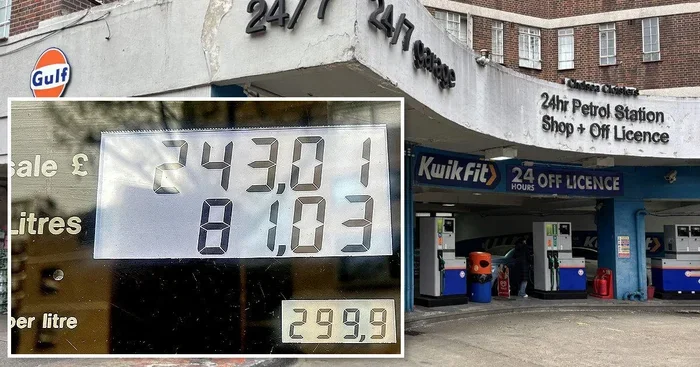
A Car Owner Buys Petrol at 750 and the Big Mistake
A car owner buys petrol at 750 and ends up losing more than just money. This guide reveals the common errors drivers make at the pump and how to avoid them. You will learn simple fuel-saving habits, how to compare petrol prices, and why fuel economy matters more than you think. Whether you are a new driver or a seasoned car owner, these tips will help you spend less and drive smarter.
A car owner buys petrol at 750 and thinks everything is fine. But a few weeks later, the fuel gauge drops faster than usual. The engine sounds off. The fuel cost keeps climbing. Sound familiar? This is a story many drivers know too well. It starts with a simple decision at the pump. But it ends with a costly lesson. In this guide, we break down exactly what went wrong. More importantly, we show you how to avoid the same big mistake yourself.
Petrol is one of the biggest vehicle expenses most car owners face every month. Whether you drive to work, run errands, or take weekend trips, fuel adds up fast. A bad decision at the filling station can cost you hundreds of dollars a year. The good news? A few smart changes can cut your fuel cost dramatically. Let us walk through everything you need to know.
Key Takeaways
- Know your fuel type: Using the wrong petrol can damage your engine and waste money.
- Compare prices before you fill up: A small difference per liter adds up fast over time.
- Timing matters: Filling up at the right time of day can save you real money.
- Bad driving habits burn fuel: Speeding, aggressive braking, and idling all increase your fuel cost.
- Regular maintenance helps: Clean fuel injectors and proper tire pressure improve fuel efficiency.
- Loyalty programs work: Many filling stations offer discounts and rewards for repeat customers.
- Don’t ignore warning signs: Strange noises or reduced mileage per liter mean something is wrong.
📑 Table of Contents
- What Happens When A Car Owner Buys Petrol at 750
- The Big Mistake Most Car Owners Make
- How to Spot a Bad Petrol Deal Before You Buy
- Tips to Save Money on Petrol Every Month
- Understanding Fuel Prices and Your Vehicle
- What to Do If You Have Already Made the Mistake
- Comparison: Good vs Bad Fuel Habits
- Long-Term Strategies for Lower Fuel Costs
- Common Mistakes That Drain Your Fuel Budget
- Conclusion
What Happens When A Car Owner Buys Petrol at 750
Understanding the Price Point
When we say a car owner buys petrol at 750, we are talking about the price per liter. In many markets, this price might seem normal. But it is not always the best deal. Petrol prices change based on many factors. Global oil supply, local taxes, and station competition all play a role. Sometimes a price of 750 per liter is high. Other times it is just average. The real question is: are you paying more than you need to?
Many drivers stop at the first station they see. They do not compare. They do not check nearby options. This habit alone can cost you extra money every single week. Over a year, those small differences add up to a surprising amount. Understanding petrol price trends in your area is the first step toward saving.
Why This Price Matters for Your Wallet
Let us do some quick math. Say you fill up 40 liters every week. If you pay 750 per liter, that is 30,000 per fill. Now imagine a station just 5 minutes away sells the same petrol for 720 per liter. That is a saving of 1,200 per fill. Over 52 weeks, that is 62,400 saved. Just by choosing a cheaper station! This is why fuel price comparison matters so much.
But price is not the only factor. The quality of petrol matters too. Some stations cut corners. They sell petrol with lower octane rating or impurities. This can harm your engine over time. A slightly higher price at a trusted station might save you from expensive car maintenance later. Always weigh price against quality.
The Big Mistake Most Car Owners Make
Common Fuel Buying Errors
The biggest mistake drivers make is not thinking about fuel at all. They just pull up, fill the fuel tank, and pay. No thought. No plan. This passive approach leads to overspending. Here are the most common errors people make when they buy petrol:
- Never comparing prices between nearby stations
- Filling up at the wrong time of day
- Using the wrong octane level for their car
- Ignoring fuel economy drops and warning signs
- Overfilling the tank past the automatic stop
- Loyalty to one station even when prices rise
Each of these mistakes might seem small on its own. But together, they create a big drain on your budget. The good news is that all of them are easy to fix. You just need to be more mindful at the pump.
Why People Fall for Bad Deals
Why do smart people make poor fuel decisions? It comes down to convenience and habit. We all have a go-to filling station near home or work. It is easy. It is familiar. But easy does not always mean cheap. Many stations charge more simply because they are convenient. They know you will keep coming back.
Another reason is a lack of information. Many drivers do not realize how much their driving habits affect fuel use. They do not know that tire pressure, engine health, and even air conditioning impact fuel consumption. Without this knowledge, it is hard to make smart choices. Education is the first step toward better fuel habits.
Expert Insight: According to automotive studies, drivers who actively track their fuel economy save an average of 10-15% on petrol costs each year. Simple awareness makes a huge difference.
How to Spot a Bad Petrol Deal Before You Buy
Red Flags at the Pump
Not all petrol is created equal. Some stations offer deals that look too good to be true. And often, they are. Here are red flags to watch for:
- Price is much lower than all other stations in the area
- No visible certification or quality labels on the pump
- Long lines of regulars who never seem to complain
- Unusual smell or color in the petrol
- No clear pricing display or confusing pricing structure
If you notice any of these, trust your gut. It is better to drive a little farther than to risk engine damage with cheap petrol that might be low quality.
What to Check Before Filling Up
Before you pull into any station, take a moment to check a few things. First, look at the octane rating on the pump. Make sure it matches what your car manual recommends. Next, check the station’s reputation online. A quick search can reveal complaints or praise from other drivers. Finally, compare the price with at least two other nearby stations. A few minutes of effort can save you real money.
Also, pay attention to the fuel pump condition. A well-maintained pump delivers clean fuel. A worn-out pump might introduce air or contaminants into your tank. These small details matter more than most drivers realize.
Tips to Save Money on Petrol Every Month
Simple Habits That Cut Fuel Costs
Saving money on fuel cost does not require expensive gadgets or major lifestyle changes. It starts with small, consistent habits. Here are practical tips that work:
- Plan your trips to combine errands and reduce total driving distance.
- Keep your tires properly inflated. Under-inflated tires increase rolling resistance and burn more fuel.
- Remove excess weight from your car. Heavy loads make the engine work harder.
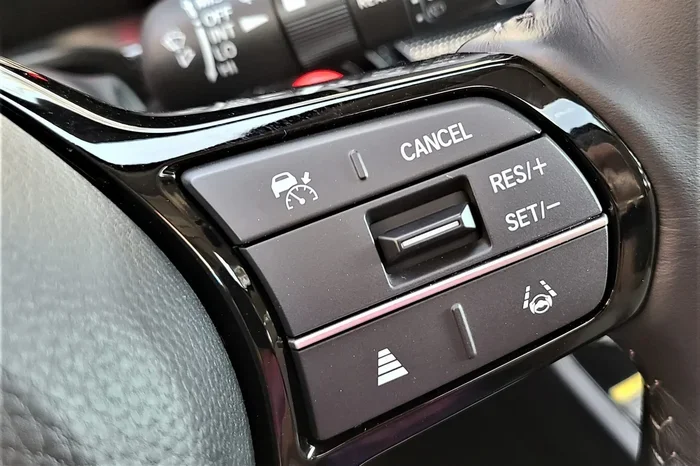
- Use cruise control on highways to maintain a steady speed and improve fuel efficiency.
- Turn off the engine when idling for more than 30 seconds.
- Use air conditioning sparingly. AC puts extra load on the engine, especially at low speeds.
- Fill up early in the morning or late at night when petrol is denser and you get more fuel per liter.
These habits might seem minor. But over months and years, they add up to significant savings. Think of them as small investments that pay off every time you drive.
When to Fill Up for Best Savings
Timing your fill-ups can make a real difference. Petrol is denser when it is cool, which means you get slightly more fuel for your money in the early morning or late evening. Also, watch for station promotions. Many filling stations run discount days or offer loyalty rewards. Signing up for these programs costs nothing and can save you a surprising amount over time.
Quick Tips:
- Use fuel price comparison apps to find the cheapest station near you
- Fill up before long trips instead of at highway rest stops where prices are higher
- Consider petrol vs diesel carefully based on your driving patterns and vehicle type
- Keep a fuel log to track your spending and identify trends
Understanding Fuel Prices and Your Vehicle
How Fuel Type Affects Your Car
Not all cars run the same way. Some need premium petrol. Others run fine on regular. Using the wrong type can hurt your fuel economy and even damage your engine. Always check your owner’s manual for the recommended octane rating. If your car requires premium, do not try to save money with regular petrol. The long-term costs will outweigh any short-term savings.
If your car works fine with regular petrol, there is no need to pay extra for premium. This is a common misunderstanding. Many drivers buy higher-octane fuel out of habit or fear. But unless your engine specifically needs it, you are just throwing money away.
The Real Cost of Cheap Petrol
We have all seen those stations with rock-bottom prices. They seem amazing. But very low prices can signal poor quality. Cheap petrol might contain more impurities or lower-grade compounds. Over time, this can clog your fuel injector and reduce engine performance. You might notice rough idling, hesitation during acceleration, or a drop in mileage per liter.
The real cost of cheap petrol is not just what you pay at the pump. It is what you pay in repairs later. A clogged fuel system or damaged engine parts cost far more than the savings from a slightly cheaper station. Always prioritize quality alongside price.
What to Do If You Have Already Made the Mistake
Steps to Minimize Damage
If you already bought petrol at 750 and suspect it was a bad deal, do not panic. Here is what you should do right away:
- Monitor your engine for any unusual sounds, vibrations, or performance drops.
- Check your fuel economy over the next few tanks. A sudden drop is a warning sign.
- Add a fuel system cleaner to help remove any impurities that may have entered your tank.
- Visit a trusted mechanic if you notice persistent issues. A professional inspection can catch problems early.
- Switch to a reliable station for your next fill-up and see if performance improves.
Most of the time, a single bad tank of petrol will not cause permanent damage. But repeated exposure to low-quality fuel can lead to serious issues. If you have been filling up at a questionable station for months, it is worth getting a thorough check-up.
When to Seek Professional Help
If your car shows signs of fuel system trouble, do not ignore them. Warning signs include difficulty starting, stalling, reduced power, or the check engine light coming on. These could indicate a clogged fuel injector or contaminated fuel reaching the engine. A mechanic can clean or replace affected parts before the problem gets worse. Early intervention saves money and keeps your car running smoothly.
Also, consider getting a fuel tank inspection if you suspect contamination. In rare cases, water or debris can enter the tank through a faulty pump. This is a serious issue that needs immediate attention. Do not wait for the problem to get worse.
Comparison: Good vs Bad Fuel Habits
| Habit | Good Practice | Bad Practice |
|---|---|---|
| Price Comparison | Check multiple stations before filling up | Always fill up at the first station you see |
| Fuel Type | Use the octane level recommended by your car manual | Guess or use whatever is cheapest |
| Fill-Up Timing | Fill up in the early morning or late evening | Fill up during peak afternoon heat |
| Station Loyalty | Stay loyal to stations with good quality and fair prices | Stick to one station regardless of price or quality |
| Maintenance | Regularly clean fuel injectors and check tire pressure | Ignore maintenance until something breaks |
| Driving Habits | Drive smoothly, avoid rapid acceleration and hard braking | Speed, idle excessively, and drive aggressively |
The table above shows how small changes in your daily habits can have a big impact on your fuel cost and overall car health. Good fuel habits protect both your wallet and your vehicle.
Long-Term Strategies for Lower Fuel Costs
Build a Fuel Budget and Track It
One of the most effective ways to control your fuel cost is to set a budget. Decide how much you can reasonably spend on petrol each month. Then track your actual spending. Apps and spreadsheets make this easy. When you see the numbers, you become more aware of your habits. This awareness naturally leads to better decisions at the pump.
Consider Fuel-Efficient Vehicles
If you are in the market for a new car, consider fuel economy as a top priority. Modern vehicles are far more efficient than older models. Hybrid and electric cars offer even greater savings over time. Even a small improvement in mileage per liter can save thousands of dollars over the life of a vehicle. Do your research before your next purchase.
The Power of Fuel Rewards Programs
Many filling stations now offer rewards programs. You earn points or cashback on every purchase. Over time, these rewards add up to meaningful savings. Some programs also offer discounts on car maintenance services. Signing up costs nothing and takes just a few minutes. It is one of the easiest ways to reduce your ongoing fuel expenses.
Another smart move is to join fuel club programs or use credit cards that offer bonus rewards on petrol purchases. These small perks compound over time and can offset a significant portion of your monthly fuel cost. The key is to be consistent and take advantage of every opportunity to save.
Common Mistakes That Drain Your Fuel Budget
Let us be honest. Most of us make fuel mistakes without realizing it. Here are the errors that quietly drain your budget:
- Ignoring the check engine light. It might be related to your fuel system.
- Driving with a nearly empty tank. This causes the fuel pump to overwork and can introduce sediment into the engine.
- Carrying roof racks or cargo boxes when not needed. They create drag and reduce fuel efficiency.
- Revving the engine before turning it off. This wastes petrol and puts unnecessary stress on components.
- Using the wrong gear at the wrong speed. This forces the engine to work harder than needed.
None of these mistakes happen overnight. They build up slowly. But over weeks and months, they can add hundreds of dollars to your fuel bill. The fix is simple: be more intentional about how you drive and how you refuel.
Expert Insight: Automotive engineers agree that proper driving habits can improve fuel economy by up to 30%. Smooth acceleration, steady speeds, and gentle braking are the three most impactful changes any driver can make.
Conclusion
A car owner buys petrol at 750 and the big mistake is not about the price alone. It is about the habits, the lack of awareness, and the small daily decisions that add up over time. When you understand your fuel cost, compare petrol prices, and adopt smart fuel habits, you take control of one of your biggest car expenses. The difference between a careless driver and a savvy one is not money. It is knowledge and consistency.
You do not need to make dramatic changes overnight. Start with one or two tips from this guide. Compare prices at nearby stations. Check your tire pressure. Track your fuel consumption for a month. You will be surprised at what you discover. Every small improvement compounds into real savings over time.
Your car is a big investment. Treating your fuel choices with care protects that investment and keeps you on the road longer. So the next time you pull up to a pump, take a moment. Think about what you are doing. Make the smart choice. Your wallet will thank you.
Frequently Asked Questions
Is petrol at 750 per liter expensive?
Whether 750 per liter is expensive depends on your local market and the quality of the fuel. Compare it with nearby stations and check the octane rating. If the price is higher than average but the fuel quality is excellent, it may be worth it. Always weigh price against quality to make the best decision for your car.
How can I improve my car’s fuel economy?
You can improve fuel economy by keeping tires properly inflated, removing excess weight, driving smoothly, and using cruise control on highways. Regular maintenance like cleaning fuel injectors and replacing air filters also helps. Small consistent changes make a big difference over time.
What happens if I use the wrong octane petrol?
Using the wrong octane rating can cause engine knocking, reduced performance, and long-term damage. If your car needs premium petrol, using regular fuel may void your warranty. Always follow your car manual’s recommendation for the best fuel efficiency and engine protection.
Are fuel rewards programs worth joining?
Yes, fuel rewards programs are worth joining because they cost nothing and offer real savings over time. Many programs provide cashback, discounts, or points redeemable at filling stations. Some also offer perks on car maintenance services. It is an easy way to reduce your monthly fuel cost.
Should I fill up in the morning or evening?
Filling up in the early morning or late evening is recommended because petrol is denser when it is cool. This means you get slightly more fuel per liter for your money. While the difference is small per fill-up, it adds up over many tanks and contributes to better fuel economy savings.
How often should I check my fuel system?
You should have your fuel system inspected at least once a year or every 15,000 kilometers, whichever comes first. Regular checks help catch clogged fuel injectors, dirty filters, or other issues early. Preventive maintenance keeps your car running efficiently and reduces unexpected repair costs.
=== CONCLUSION ===
A car owner buys petrol at 750 and learns a valuable lesson. The big mistake is not just about paying too much at the pump. It is about not having the knowledge and habits to make better choices. From comparing petrol prices to adopting fuel-efficient driving habits, every action counts. Your fuel cost is one of the most controllable expenses in car ownership. Take charge of it today and watch your savings grow. Drive smart, fill up wisely, and enjoy the road ahead with a fuller wallet and a happier car.