Why Is My EPB Stuck On And What Causes This Problem
Your EPB, or electronic parking brake, can get stuck due to worn brake pads, a faulty EPB motor, corroded wiring, or low brake fluid. This guide explains the most common reasons why your EPB is stuck on, how to diagnose the problem yourself, and when to visit a mechanic. We also share simple tips to prevent future EPB issues and keep your car safe.
You turn the key, press the gas, and your car rolls forward — but wait. That red or yellow warning light on the dash is still glowing. Your electronic parking brake won’t release. You’re stuck. This is one of the most frustrating problems drivers face, and it happens more often than you might think. The good news? In most cases, the fix is simpler than you expect.
Whether your EPB is stuck on after a cold morning or it refuses to let go after a long drive, this guide will walk you through every possible cause. We’ll cover the inner workings of the EPB system, the most common reasons it fails, and the exact steps you can take to get back on the road safely. Let’s dive in.
Key Takeaways
- Worn brake pads are the #1 cause: Thin pads can cause the EPB caliper to seize and stay engaged.
- A failed EPB motor or actuator can lock your rear brakes: This needs professional replacement in most cases.
- Corroded wiring and connectors are common in older cars: Rust and moisture break the electrical signal to the EPB system.
- Low brake fluid affects EPB operation: The electronic parking brake relies on proper hydraulic pressure.
- You can try simple resets at home: A brake service reset or EPB recalibration often fixes minor glitches.
- Driving with a stuck EPB damages your rear brakes: It causes overheating, uneven wear, and reduced fuel economy.
- Regular maintenance prevents most EPB problems: Inspect pads, fluid, and connectors every few months.
📑 Table of Contents
What Is an EPB and How Does It Work?
The Basics of an Electronic Parking Brake
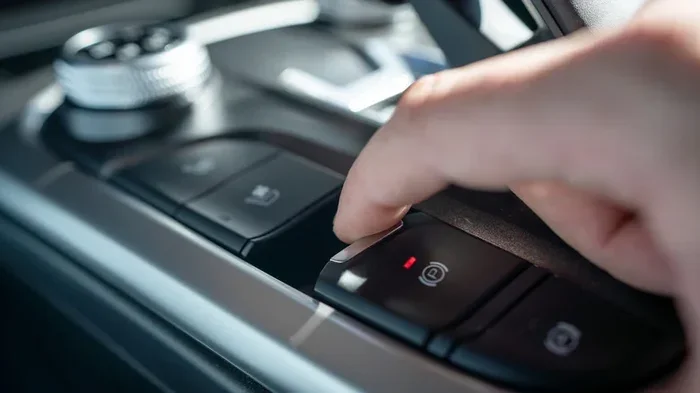
An electronic parking brake, also called an EPB, replaces the traditional lever or pedal you pull with a button. When you press it, a small motor inside the rear brake caliper engages the brake pads. When you release it, the motor pulls the pads back. It sounds simple, right? But several parts must work together perfectly for this to happen every time.
The EPB system connects to your car’s main computer, the ABS module, and the dashboard warning system. If any part of that chain breaks, your parking brake can stay locked even when you want it to release. Understanding how the system works helps you figure out why things go wrong.
Key Parts of the EPB System
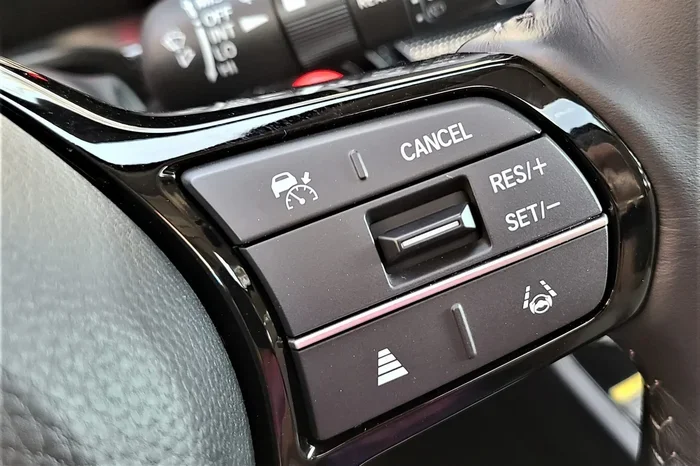
- EPB switch: The button you press on your center console or dashboard.
- EPB motor or actuator: The small electric motor inside each rear brake caliper that applies and releases the brake.
- Brake pads and calipers: The friction material that grips the rotor to stop the car.
- Wiring and connectors: The electrical pathways that carry signals between the switch, motor, and car computer.
- Brake fluid and hydraulic system: Fluid that transfers pressure through the brake lines to the calipers.
- ABS control module: The computer that monitors all brake-related sensors and systems.
When any one of these parts fails, the whole EPB release mechanism can stop working. That’s when you see the dreaded warning light and feel the brake staying engaged.
Common Reasons Why Your EPB Gets Stuck
Worn or Glazed Brake Pads
The most frequent reason for a parking brake stuck problem is worn brake pads. When the friction material on your pads gets very thin, the caliper piston can’t retract fully. The pads stay pressed against the rotor, and the EPB motor keeps pulling. Over time, the pads can even glaze over from heat, making them slick and uneven.
This is especially common in cars that sit for long periods or in humid climates where moisture builds up on the rotors. If you haven’t changed your pads in a while, this should be your first suspect.
Failed EPB Motor or Actuator
The EPB motor is a small but powerful electric motor built into the rear brake caliper. Like any motor, it can burn out, seize, or fail electrically. When the motor dies, it can either fail to engage or fail to release — and a stuck release is the more common and dangerous problem.
You might hear a grinding or clicking noise when you press the EPB switch. That’s the motor trying to work but failing. In some cases, the motor shaft strips or the gears inside the actuator break. This almost always requires a mechanic to replace the caliper or actuator assembly.
Corroded Wiring and Connectors
Your rear brake area is exposed to road salt, water, mud, and debris. Over time, the electrical connectors that link the EPB motor to the car’s wiring harness can corrode. When corrosion builds up, the electrical signal gets weak or cuts out entirely.
This is especially common in:
– Cars driven in coastal areas with salty air
– Vehicles that see winter road salt
– Older cars with more mileage and exposure
– Cars that sit outdoors without a garage
Corrosion doesn’t always mean a full replacement. Sometimes, cleaning the connector and applying dielectric grease fixes the problem quickly and cheaply.
Low Brake Fluid Level
Your electronic parking brake depends on proper brake fluid pressure to operate correctly. If your fluid level drops too low, the system may not have enough hydraulic force to release the calipers fully. This often triggers the EPB warning light alongside a low brake fluid warning.
Low brake fluid usually means one of two things: either you have a leak somewhere in the system, or your brake pads have worn down so much that the fluid level in the reservoir dropped. Either way, you should check this right away because low fluid affects your entire braking system.
Faulty EPB Sensor or Switch
The EPB switch on your console sends a signal to the car’s computer when you press or release it. If this switch goes bad — from wear, moisture, or a simple electrical fault — the computer may not receive the command to release the brake. The light stays on, and the brakes stay locked.
In some vehicles, the sensor is built into the actuator motor itself. In others, it’s a separate component near the center console. A mechanic can test the switch with a multimeter to see if it’s sending the right signal.
ABS Module or Computer Issues
Your car’s ABS control module manages the EPB system along with the regular brakes. If the module has a software glitch, a fault code, or a hardware failure, it might not send the release command to the EPB motor. This is less common but more serious.
Sometimes a simple battery disconnect and reconnect resets the module. Other times, you need a professional diagnostic tool to clear fault codes and reprogram the system. We’ll cover this more in the next section.
Frozen Caliper Slides or Pins
Your brake caliper slides on guide pins that allow it to move freely. When these pins get rusty, dirty, or dried out, the caliper can seize in place. A seized caliper means the brake pads stay pressed against the rotor, and the EPB system can’t release them. This is a mechanical problem, not an electrical one, but it still causes the same symptoms.
You might notice your car pulls to one side when braking, or you feel a vibration in the steering wheel. These are signs the caliper isn’t moving properly and needs attention.
How to Diagnose a Stuck EPB Problem
Step 1: Check the Dashboard Warning Lights
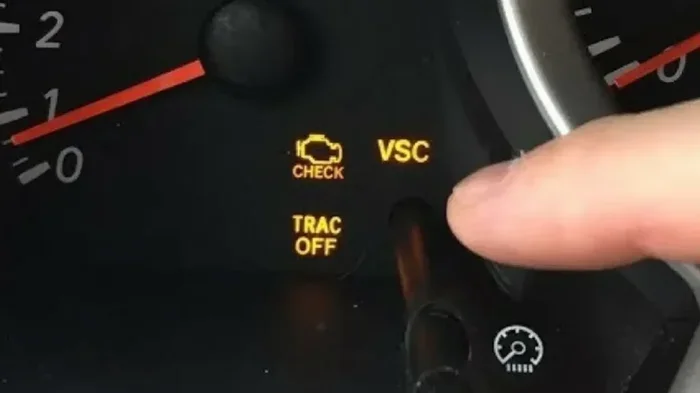
Start by looking at your dashboard. Is the EPB warning light on? Is the red brake warning light also glowing? These two lights tell you different things. The EPB light usually means a problem with the parking brake system specifically. The red brake light often means the hydraulic brake system has an issue, which is more urgent.
If both lights are on, stop driving and get your car towed. A hydraulic brake failure is extremely dangerous.
Step 2: Try the Manual Release
Many cars with an electronic parking brake have a manual release built into the rear of the center console or under the trunk trim. Check your owner’s manual for the exact location. Pulling this release can free the brakes temporarily so you can drive to a shop.
This is a great temporary fix, but don’t rely on it long-term. The manual release bypasses the motor, so you’ll need to manually release the brake every time you park.
Step 3: Check Brake Fluid Level
Open your hood and look at the brake fluid reservoir. The fluid should be between the MIN and MAX marks. If it’s low, top it off with the correct type of fluid listed in your owner’s manual. Then watch the level over the next few days. If it drops again, you have a leak that needs professional attention.
Step 4: Inspect the Rear Brakes Visually
If you can, look at the rear wheels. Are the brake pads visibly thin? Is there rust or corrosion around the caliper? Do the rear tires show uneven wear? These visual clues point you toward the likely cause.
You can also try spinning the rear wheels by hand (with the car in park and the engine off). If a wheel won’t turn or turns with difficulty, the caliper is likely seized or the pads are stuck to the rotor.
Step 5: Use an OBD2 Scanner
An OBD2 scanner is a small tool that plugs into your car’s diagnostic port and reads fault codes from the computer. Many auto parts stores let you borrow one for free. The scanner will tell you exactly which part of the EPB system has a fault code stored.
Common codes related to a stuck EPB include:
- C0034: EPB motor circuit malfunction
- C0035: EPB switch circuit failure
- C1234: EPB hydraulic pressure fault
- C0040: Rear brake caliper actuator fault
These codes give you a clear direction for what to fix next.
DIY Fixes You Can Try at Home
Reset the EPB System
Sometimes the EPB system just needs a reset. Here’s how to do it on most vehicles:
- Turn the ignition on (don’t start the engine).
- Press and hold the EPB switch for about 10 seconds.
- Release the switch, wait 5 seconds.
- Press and hold it again for another 10 seconds.
- Turn the ignition off and then back on.
- Try releasing the parking brake normally.
This simple reset clears minor glitches and recalibrates the system. It works surprisingly often for intermittent issues.
Clean the Brake Caliper Slides
If the caliper slides are sticky or corroded, cleaning them can restore free movement. You’ll need:
- A jack and jack stands or a lift
- A socket set and wrench
- Brake cleaner spray
- Lubricant rated for brake systems (never use regular grease)
Remove the rear wheel, take off the caliper, and clean the guide pins and boots thoroughly. Apply a thin layer of brake-specific lubricant, reassemble everything, and test the EPB release. This fix costs almost nothing and can save you hundreds in mechanic bills.
Replace the Brake Pads Yourself
If your pads are worn down, replacing them is a common DIY job. New pads give the caliper room to retract fully, which often solves a stuck EPB problem right away. Just make sure to use pads that match your vehicle’s specifications and follow the proper bedding-in procedure after installation.
Check and Clean Electrical Connectors
Unplug the EPB motor connector at the rear brake caliper. Inspect it for green or white corrosion. Clean it with electrical contact cleaner and a small wire brush. Apply a thin layer of dielectric grease before reconnecting. This simple step fixes many EPB problems caused by poor electrical connections.
Quick Tips for EPB DIY Fixes
- Always work on a flat surface with the car properly secured on jack stands.
- Never use regular household grease on brake components — it causes brake fade and failure.
- Take photos before disconnecting anything so you can reassemble correctly.
- Keep a brake cleaner spray handy — it removes grease and grime without damaging rubber seals.
- If a fix doesn’t work after two tries, move on to professional help.
When to See a Professional Mechanic
Signs You Need Expert Help
Not every EPB stuck problem is a DIY fix. You should visit a mechanic if:
- The EPB motor makes no sound at all when you press the switch
- You see brake fluid leaking under the car
- Both the EPB light and the red brake warning light are on
- The OBD2 scanner shows a motor or actuator fault code
- The caliper slides are severely corroded or damaged
- You’ve tried resetting and cleaning but the problem persists
These situations point to deeper issues that need specialized tools and expertise. A mechanic can replace the EPB motor, rebuild the caliper, or reprogram the ABS module safely.
What Repairs Typically Cost
Repair costs vary widely depending on your car and the exact problem:
- EPB reset or software update: Often free or under $50 at a shop
- Brake pad replacement: $100 to $300 per axle
- Caliper slide cleaning: $50 to $150 for parts and labor
- EPB motor replacement: $200 to $500 per caliper
- Full caliper replacement: $300 to $800 per side
- ABS module reprogramming: $100 to $300
Getting a clear estimate before any work starts helps you make informed decisions. Don’t be afraid to ask your mechanic to explain each repair step in plain language.
Preventing EPB Problems in the Future
Stick to a Regular Maintenance Schedule
The best way to avoid a parking brake stuck situation is prevention. Follow your car’s maintenance schedule for brake inspections, pad replacements, and fluid flushes. Most manufacturers recommend checking the brakes every 12,000 to 15,000 miles or at least once a year.
Drive Habits That Protect Your EPB
How you drive affects how long your EPB system lasts. Here are habits that help:
- Don’t engage the parking brake on steep hills in freezing weather — ice can freeze the pads to the rotor
- Release the EPB before driving if your car has a “auto hold” feature
- Avoid riding the brakes on long downhill drives — it overheats the system
- Park in a garage when possible to reduce exposure to moisture and salt
- Don’t ignore warning lights — address them immediately
Keep Your Brake Fluid Fresh
Brake fluid absorbs moisture over time, which leads to corrosion inside the EPB system and the rest of the brake lines. Most manufacturers recommend flushing and replacing brake fluid every 2 years or 30,000 miles. Fresh fluid keeps the system working smoothly and prevents expensive repairs down the road.
Use Quality Parts
When replacing brake components, use quality parts that match or exceed OEM specifications. Cheap brake pads may save money upfront but can cause uneven wear, noise, and premature caliper damage. Investing in good parts protects your entire brake system, including the EPB motor and actuator.
Key Takeaways
- Worn brake pads are the #1 cause: Thin pads can cause the EPB caliper to seize and stay engaged.
- A failed EPB motor or actuator can lock your rear brakes: This needs professional replacement in most cases.
- Corroded wiring and connectors are common in older cars: Rust and moisture break the electrical signal to the EPB system.
- Low brake fluid affects EPB operation: The electronic parking brake relies on proper hydraulic pressure.
- You can try simple resets at home: A brake service reset or EPB recalibration often fixes minor glitches.
- Driving with a stuck EPB damages your rear brakes: It causes overheating, uneven wear, and reduced fuel economy.
- Regular maintenance prevents most EPB problems: Inspect pads, fluid, and connectors every few months.
Conclusion
A stuck EPB is never fun, but it’s rarely a reason to panic. Most of the time, the cause is something simple — worn pads, a dirty connector, or a system that just needs a reset. By understanding how the electronic parking brake works and knowing the most common failure points, you can often diagnose and even fix the problem yourself.
Remember to check your brake pads, fluid level, and electrical connections first. Try a system reset before assuming the worst. And when the problem goes beyond a simple fix, don’t hesitate to visit a trusted mechanic. Your safety depends on a properly working brake system, and a stuck parking brake is not something to ignore.
Take care of your EPB system today, and it will take care of you every time you park. A little attention now saves big headaches later.
Frequently Asked Questions
Can I drive with my EPB stuck on?
You should avoid driving with the EPB stuck if possible. It causes the rear brakes to overheat, wears the pads unevenly, and can damage the rotors. If you must drive a short distance, go slowly and get the problem fixed as soon as you can. Pulling the manual release can help temporarily.
How much does it cost to fix a stuck EPB?
The cost depends on the cause. A simple reset or cleaning costs little to nothing. Replacing brake pads runs $100 to $300 per axle. An EPB motor or caliper replacement can cost $200 to $800 per side. Always get a detailed estimate before approving repairs.
What does the EPB warning light look like?
The EPB light usually shows a circle with the letter “P” inside and parentheses around it, or a parking brake symbol with an exclamation point. It may be yellow or red. A red light often signals a more urgent brake system issue that needs immediate attention.
Can cold weather cause the EPB to stick?
Yes, cold weather can cause the EPB to stick, especially if moisture gets between the brake pad and rotor and freezes overnight. This is more common in winter and in cars parked outside. Letting the car warm up or gently rocking it can sometimes free the brakes.
How do I reset my electronic parking brake?
To reset the EPB, turn the ignition on without starting the engine, press and hold the EPB switch for 10 seconds, release it, wait 5 seconds, and press it again for 10 seconds. Then turn the ignition off and back on. This recalibrates the system and often clears minor faults.
Is a stuck EPB a sign of a bigger problem?
Sometimes it is, but often it’s a small issue like worn pads or a dirty connector. However, if the problem keeps coming back, it could signal a failing motor, corroded wiring, or a deeper hydraulic issue. Getting it checked early prevents more expensive repairs later.