Where Is the TRAC Off Button Located on Your Vehicle
The TRAC off button controls your vehicle’s traction control system, and knowing exactly where to find it can save you time and frustration. Whether you need to disable traction control for off-road driving or reset a warning light, the TRAC off button is easy to locate once you know what to look for. In this guide, we will walk you through the TRAC off button location, what it does, and when you should use it.
The TRAC off button is a small but important switch that controls your vehicle’s traction control system. If you have ever seen a TRAC warning light on your dashboard and felt confused, you are in the right place. This guide will show you exactly where the TRAC off button is located on different vehicles and what it does. You will also learn when to turn traction control off and how to fix common problems with the system. Understanding the TRAC off switch can help you drive more safely and handle tricky road conditions with confidence.
Most modern vehicles come equipped with a traction control system designed to keep your car stable on slippery or uneven surfaces. The TRAC off button is part of this system and gives you the ability to disable traction control when needed. Whether you are driving a Toyota, Honda, Ford, or another brand, knowing where this button is can make a real difference in your driving experience.
Many drivers never touch the TRAC off button because they do not know it exists or what it does. However, there are specific situations where turning off the traction control system is helpful or even necessary. This article will walk you through everything you need to know about the TRAC off button location, its functions, and how to use it properly.
Key Takeaways
- Easy to Find: The TRAC off button is usually located near the steering wheel or on the center console, making it simple to access while driving.
- Important Safety Feature: The TRAC off switch lets you disable the traction control system when conditions require more wheel spin, such as off-road driving or getting stuck in snow.
- Brand Variations: Different vehicle brands place the TRAC button location in slightly different spots, so always check your owner’s manual for specifics.
- Warning Lights Matter: A dashboard warning light that stays on after startup could signal a traction control malfunction that needs professional attention.
- Use It Wisely: Turn off traction control only when needed and always turn it back on for normal driving to keep your driving safety features active.
- DIY Troubleshooting: Simple fixes like checking fuses or resetting the system can resolve minor TRAC off Toyota or brand-specific issues at home.
- Know the Difference: Understanding the difference between the TRAC light and the ABS light helps you respond correctly to each warning.
📑 Table of Contents
What Does the TRAC Off Button Do?
The TRAC off button is a direct switch for your vehicle’s traction control system. When the system is active, it monitors each wheel’s speed and intervenes when it detects wheel slippage. It does this by applying brakes to spinning wheels or reducing engine power. This process helps keep your car stable and prevents skid control situations on slippery roads.
How the Traction Control System Works in Normal Mode
When your vehicle’s traction control system is active, it works alongside the ABS system and the electronic stability control system. Together, these driving safety features form a network that keeps your car predictable and safe. The system uses sensors on each wheel to track speed. If one wheel spins faster than the others, the system steps in automatically.
Most of the time, you do not need to think about these systems because they work silently in the background. However, the traction control system can sometimes interfere with your driving. For example, if you are on a loose gravel road or in deep snow, the system may reduce engine power too early. This limits your ability to move forward. That is when knowing how to use the TRAC off button becomes valuable.
Why You Might Need to Turn TRAC Off
There are several common situations where turning off traction control is the right move. Understanding these scenarios will help you know when to press the TRAC off switch and when to leave it on.
- Off-road driving: When you are on dirt trails, gravel roads, or rocky terrain, your wheels need to spin freely. The traction control system may interfere by limiting engine power at the wrong time.
- Getting stuck in snow or mud: Spinning your wheels gently can help you rock free from a snowbank or muddy patch. With traction control on, the system keeps braking the spinning wheels, making it harder to escape.
- Installing snow chains: If you need to put chains on your tires, you will want to turn off the traction control system first to avoid any interference with the process.
- Testing or diagnostics: Mechanics may need to disable traction control when running certain tests or repairs on the vehicle.
- Towing or hauling: Heavy loads can change how your vehicle handles. Some drivers prefer to turn off the traction control system when towing to allow more natural wheel response.
Where Is the TRAC Off Button Located?
The TRAC button location varies depending on your vehicle make, model, and year. However, there are some common areas where you will almost always find this button. Let us explore the most typical spots so you can find yours quickly.
TRAC Off Button in Toyota and Lexus Vehicles
If you drive a Toyota or Lexus, the TRAC off button is usually located on the left side of the steering wheel or on the center console near the gear shift. In most Toyota models, you will find it on the far left side of the steering column, just below the dashboard panel. The button typically has the word “TRAC” printed on it or shows a symbol that looks like a car with wavy lines behind it.
For Toyota TRAC systems, the button is designed to be easy to reach while driving. You simply press it once to turn off traction control, and the TRAC warning light will appear on your dashboard. Pressing it again turns the system back on and the light goes off. This simple design makes it easy for anyone to use the TRAC off switch without needing to read the owner’s manual.
In some Toyota models like the 4Runner, Tacoma, and Land Cruiser, the TRAC off button may also be part of a multi-function switch pack on the steering wheel. These vehicles often have additional controls for the vehicle stability control system nearby. Always check your specific model’s owner guide if you are unsure about the exact TRAC off button location.
TRAC Off Button in Other Vehicle Brands
While Toyota popularized the TRAC system, many other brands use similar traction control features with different names and button placements. Here is a quick look at where you might find the traction control off button on popular brands:
- Honda: The traction control off button is typically found on the left side of the steering wheel or on the center console. Honda uses the term “VSA off” for its stability control system.
- Ford: Ford vehicles often have a traction control toggle on the center console near the climate controls or on the steering wheel column.
- Chevrolet: Most Chevrolet models place the traction control button on the center stack or near the gear shifter.
- Nissan: Nissan uses the “VDC off” label for its vehicle dynamic control system, and the button is usually on the left side of the steering wheel area.
- SUVs and Trucks: Larger vehicles like SUVs and trucks often have a dedicated traction control button on the center console, making it easy to access when hauling or towing.
What Happens When You Press the TRAC Off Button?
Pressing the TRAC off button does more than just turn off a light on your dashboard. It changes how your vehicle responds to slippery conditions and loss of traction. Understanding these changes will help you drive more safely when the system is disabled.
Dashboard Warning Lights You Will See
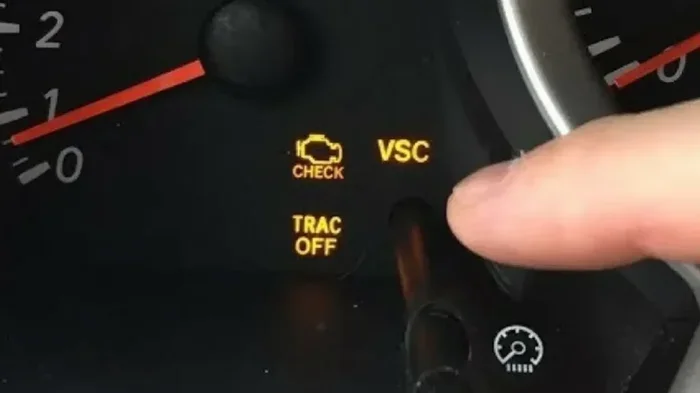
As soon as you press the TRAC off switch, a warning light will appear on your dashboard. This light usually looks like a car with squiggly lines behind it or simply says “TRAC OFF” in text. The dashboard warning light lets you know that the traction control system is no longer active.
If the traction control warning light stays on even when you have not pressed the button, this could indicate a problem. Common causes include a faulty wheel speed sensor, a problem with the ABS system, or a traction control malfunction. In some cases, a loose gas cap or a check engine light issue can also trigger the TRAC warning. If the light does not go away after restarting your vehicle, it is a good idea to have a mechanic check the system.
How TRAC Off Affects Vehicle Stability and Safety
When you turn off the traction control system, your vehicle loses one layer of active safety. The vehicle stability control system may also be partially disabled depending on your vehicle. This means that if your wheels start to slip on a wet road or during sharp turns, the system will not step in to help you.
However, turning off traction control does not mean your vehicle becomes unsafe. It simply means that the driver takes on more responsibility for managing wheel grip. In situations like off-road driving or when you are stuck in snow, having full control over wheel spin can actually help you get moving. Just remember to turn the traction control system back on when you return to normal driving conditions.
The electronic stability control system in modern vehicles works hand in hand with traction control. When you press the TRAC off button, some vehicles will also reduce the effectiveness of electronic stability control. This is an important safety consideration, especially on highways or in rainy conditions where traction can change quickly.
When Should You Turn Off the TRAC Off Button?
Knowing when to use the TRAC off switch is just as important as knowing where it is. Using it at the right time keeps you safe and gets the most out of your vehicle. Here are the most common and recommended situations where turning off traction control makes sense.
Off-Road Driving and Rough Terrain
When you take your vehicle off the paved road, the rules of driving change. Dirt, gravel, rocks, and mud create surfaces where the traction control system can actually work against you. The system is designed for paved roads and smooth surfaces. On rough terrain, it may constantly brake your wheels and limit engine power, making it hard to climb hills or navigate obstacles.
Turning off the traction control system allows your wheels to spin more freely. This gives you better control when navigating rocky trails or steep inclines. Many off-road enthusiasts always turn off traction control before hitting the trails. If you own a Toyota TRAC vehicle like a 4Runner or Tacoma, the TRAC off button is your first step in preparing for an off-road adventure.
Getting Unstuck in Snow, Ice, or Mud
One of the most common reasons drivers turn off traction control is when their vehicle gets stuck. In deep snow or thick mud, your wheels need to spin to dig out and gain traction. The traction control system will keep trying to stop the wheels from spinning, which can leave you stuck even longer.
By pressing the TRAC off button, you allow the wheels to spin freely. This can help you rock your vehicle back and forth to build momentum and escape the stuck position. A quick traction control reset after you get moving normally is a good practice. Simply press the button again to turn the system back on once you are on stable ground.
Driving on Slippery Roads with Chains or Special Tires
If you have installed tire chains or are using specialized off-road tires, the traction control system may not work as intended. Chains and aggressive tread patterns can cause the wheel speed sensors to read incorrectly. This can trigger false warnings or cause the system to brake unnecessarily.
In these cases, it is best to turn off the traction control system until you remove the chains or return to normal tires. This prevents the traction control warning light from coming on unnecessarily and keeps your vehicle responding predictably.
Common TRAC Off Button Problems and How to Fix Them
Like any vehicle component, the TRAC off button and the traction control system can develop issues over time. Here are the most common problems and what you can do about them.
The TRAC Light Stays On After Startup
If the TRAC warning light stays on after you start your vehicle and you have not pressed the TRAC off switch, there may be an underlying issue. The most common cause is a faulty wheel speed sensor. These sensors monitor how fast each wheel is spinning and send data to the traction control system. When one fails, the system cannot properly monitor wheel slippage and will trigger the warning light.
Another possible cause is a problem with the ABS system, since traction control relies on ABS components to function. If your ABS light is also on, the issue may be related to the ABS module or wiring. A traction control reset by disconnecting the battery for a few minutes may clear the light temporarily, but it will likely return if the root cause is not fixed.
The TRAC Off Button Does Not Respond
Sometimes you press the TRAC off button and nothing happens. The warning light does not come on, and the system does not turn off. This could be caused by a faulty button, a wiring issue, or a problem with the traction control module itself.
Start by checking your vehicle’s fuse box. A blown fuse related to the traction control system can prevent the button from working. If the fuses are fine, the issue may be with the button’s electrical connection or the control module. In this case, a visit to a qualified mechanic is the best next step.
Intermittent TRAC Warning Light
If the TRAC warning light comes and goes randomly, it could indicate an intermittent electrical issue. Loose wiring connections, corroded sensors, or moisture in the sensor housing can all cause this behavior. An intermittent traction control malfunction should not be ignored, as it can affect your vehicle’s driving safety features at unpredictable times.
A mechanic can use a diagnostic scanner to read the error codes stored in the traction control system. This will help pinpoint the exact cause and save you time and money on repairs. Regular cleaning of the wheel speed sensors can also help prevent intermittent issues from developing.
TRAC Off Light vs Other Dashboard Warning Lights
Your dashboard has many warning lights, and it can be confusing to tell them apart. Understanding the difference between the TRAC light and other common lights will help you respond appropriately to each situation.
How to Tell TRAC Light Apart from ABS Light
The TRAC warning light and the ABS warning light often look similar, which can cause confusion. The TRAC light usually shows a car with wavy lines behind it, while the ABS light typically shows the letters “ABS” inside a circle. Both lights relate to your vehicle’s braking and stability systems, but they serve different functions.
If both lights come on at the same time, it could indicate a shared component failure, such as a bad wheel speed sensor. The ABS system and the traction control system share many of the same sensors and components. When one fails, the other often follows. This is why it is important to address any warning light promptly, even if your vehicle seems to drive fine.
When to See a Mechanic About Your TRAC System
While a brief TRAC light flash during startup is normal (most vehicles do a quick system check when you turn the key), a light that stays on is not something to ignore. If your traction control warning light remains illuminated after startup, get the system checked. Similarly, if you notice that the TRAC off button does not respond when you press it, a professional inspection is warranted.
Regular maintenance can help prevent traction control system issues. Keeping your wheel sensors clean, checking for damaged wiring, and addressing warning lights promptly will keep your vehicle’s safety systems working properly. Remember that the traction control system is one of the key driving safety features that protects you and your passengers on the road. Do not ignore warnings from your vehicle stability control system.
Conclusion
The TRAC off button is a simple but powerful tool that gives you more control over your vehicle’s traction and stability. Whether you need to turn off traction control for off-road adventures, get unstuck in snow, or troubleshoot a warning light, knowing where the button is and how it works is essential. The TRAC off button location is different for every vehicle, but it is almost always easy to find on or near the steering wheel or center console.
Remember to turn the traction control system back on when you return to normal driving conditions. Keeping your driving safety features active is one of the best ways to protect yourself and others on the road. If you notice any persistent warning lights or unresponsive buttons, do not hesitate to have a professional check your vehicle.
Understanding your vehicle’s systems builds confidence and makes you a safer, more prepared driver. The TRAC off switch is just one of many tools your vehicle offers. Take the time to explore your dashboard, read your owner’s manual, and get to know the features that keep you safe every time you hit the road. A little knowledge goes a long way when it comes to vehicle maintenance and safe driving.
Frequently Asked Questions
Can I drive with the TRAC off light on?
You can drive with the TRAC off light on if you manually pressed the button to disable the system. However, if the light comes on by itself without you pressing the button, it may signal a problem with the traction control system. In that case, it is best to have a mechanic inspect your vehicle as soon as possible.
Will turning off TRAC affect my ABS system?
Turning off TRAC does not disable the ABS system directly. However, both systems share wheel speed sensors and some components. If there is a problem with one system, it can affect the other. The ABS system will still work independently to prevent your wheels from locking during braking.
How do I reset the TRAC off button after turning it back on?
Simply press the TRAC off button again to turn the system back on. The TRAC warning light on your dashboard should turn off within a few seconds. If the light stays on, try restarting your vehicle. If it still does not go off, there may be a sensor or system issue that needs professional diagnosis.
Is it safe to drive with TRAC off on the highway?
Driving with TRAC off on the highway is not recommended for most drivers. The traction control system helps maintain stability during sudden maneuvers or on slippery highway surfaces. Without it, your vehicle may be more prone to wheel spin or loss of control in unexpected situations. Turn it back on once you return to normal driving conditions.
Why does my TRAC light come on when it rains?
The TRAC light may come on in rainy conditions if the system detects wheel slippage and is actively working to correct it. This is normal behavior. However, if the light stays on constantly during or after rain, it could indicate a sensor issue or a problem with the traction control system that needs attention.
Do all vehicles have a TRAC off button?
Not all vehicles have a dedicated TRAC off button. Some brands use different names for their traction control systems, such as VSA, DSC, or VDC. Many vehicles also allow you to fully disable traction control through the infotainment system or vehicle settings menu. Check your owner’s manual to confirm whether your specific vehicle has a physical TRAC off button or an alternative way to disable the system.