These US Cars Are Made in China and You Will Be Surprised
Many US cars are made in China through joint ventures with Chinese automakers. Brands like GM, Ford, and Lincoln sell vehicles assembled in Chinese factories. You might already own or consider buying a US car built overseas.
You walk into a dealership. You pick out a shiny new American SUV. You hand over your money. Then you find out — it was built in China. This sounds strange, right? But it happens more than you think.
US cars made in China are a real and growing part of the global auto industry. Big brands like General Motors and Ford have deep ties to Chinese manufacturers. They build cars there to sell in the Chinese market. But some of those same vehicles also end up in the United States.
You might be surprised to learn which American cars are assembled in China. Some models you see on US roads every day could have rolled off a production line in Shanghai or Guangzhou. This is not a secret. It is just not something most people think about when car shopping.
In this article, we will break down everything you need to know. We will cover which US brands build cars in China. We will look at specific models. We will discuss trade policies and tariffs. And we will help you decide if a China-made American car is right for you.
Key Takeaways
- GM operates massive factories in China: It is one of the largest US automakers producing vehicles there.
- Ford builds cars in China too: Through partnerships with Changan and other local companies.
- Several popular US-branded models are China-made: Including certain Buick, Cadillac, and Lincoln vehicles.
- Trade tariffs affect pricing: US cars made in China may cost more when imported to America.
- Quality varies: China-made US cars meet different standards than domestic ones.
- Electric vehicles are a big focus: China is a hub for EV production, including for US brands.
- Always check where a car is built: The VIN number or vehicle label reveals the assembly location.
📑 Table of Contents
- Why Are US Cars Being Made in China?
- GM’s Big Presence in China
- Ford’s Role in China
- Which US-Branded Cars Are Actually Made in China?
- How Trade Policies Affect US Cars Built in China
- Should You Buy a US Car Made in China?
- Common Mistakes Buyers Make
- Expert Insights on US Cars Made in China
- Key Takeaways
- Conclusion
Why Are US Cars Being Made in China?
The story of US cars built in China starts with business. American automakers saw a huge opportunity in the Chinese market decades ago. China became the world’s largest car market. Selling cars there meant massive profits. But there was a catch.
China does not allow foreign automakers to fully own car companies inside its borders. Instead, they must form joint ventures with Chinese partners. This means US companies share ownership with local Chinese firms. In return, they gain access to the enormous Chinese consumer base.
Building cars in China also helps US brands avoid high import taxes. If a GM or Ford car ships from America to China, it faces heavy tariffs. But if it is made inside China, those taxes disappear. This makes foreign automakers in China very attractive from a business standpoint.
Over the past 20 years, this strategy has worked well. US brands now have a strong presence in China. They sell millions of vehicles there every year. But the story does not end in China. Some of these same cars come back to the US market.
How Joint Ventures Work
A joint venture is a partnership between two companies. In China, foreign automakers pair up with local Chinese firms. For example, GM partners with SAIC Motor. Ford partners with Changan Automobile. Together, they create a new company that operates inside China.
These joint ventures handle everything. They design cars. They source parts. They build vehicles. They sell them. The US brand gets a share of the profits. The Chinese partner gets access to American technology and brand prestige.
This system has been in place since the 1990s. It has shaped the entire automotive supply chain in China. Today, many of the cars sold in China by US brands are fully designed and built there.
GM’s Big Presence in China
General Motors is the largest US automaker with operations in China. Through its joint venture with SAIC, GM sells cars under several brand names. These include Buick, Chevrolet, and Cadillac in the Chinese market.
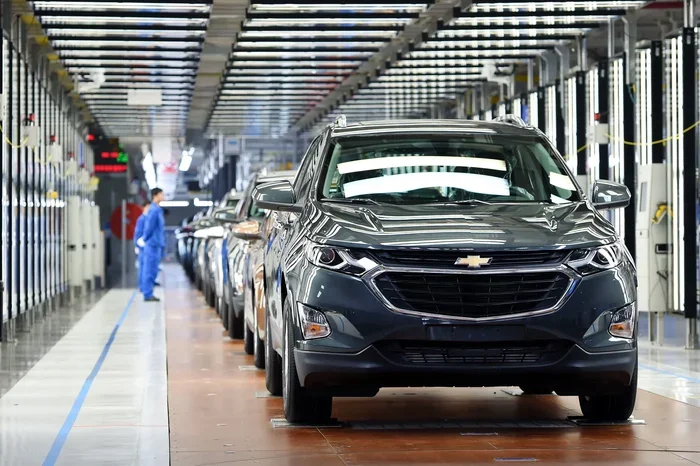
GM’s China operations are enormous. The company sells more cars in China than in the United States in some years. Its factories in China produce millions of vehicles annually. Many of these are GM China models built specifically for Chinese buyers.
But here is the interesting part. Some GM vehicles made in China have been exported to other countries. In recent years, there has been talk about bringing certain China-made GM models to the US market. This would be a big shift for the company.
Buick: A Brand Built on China Sales
Buick is a great example of how US cars made in China work. In the United States, Buick has a small but loyal following. But in China, Buick is a massive brand. It is one of the best-selling premium car brands in the country.
Many Buick models sold in China are designed and built there. The Buick Envision is one such vehicle. It was originally a China-made SUV that later became available in the US market. This made it one of the first mainstream US-brand cars built in China to be sold in America.
Another example is the Buick Encore. Some versions of this compact SUV were assembled in China. It was sold in the US as an affordable entry-level Buick model. Buyers often did not realize it was made overseas.
Cadillac’s China Strategy
Cadillac, GM’s luxury brand, also has a strong China presence. The Cadillac CT5 and CT4 models have been produced in China for the local market. Cadillac builds its vehicles at the SAIC-GM joint venture facility in Shanghai.
These China-made Cadillacs are designed with Chinese buyers in mind. They feature longer wheelbases and different styling details. But they share the same platform and many components as their US-built counterparts.
So far, most Cadillac China models stay in China. But as GM expands its global strategy, more cross-border sales could happen in the future.
Ford’s Role in China
Ford Motor Company is another major US brand with significant operations in China. Ford has a joint venture with Changan Automobile called Changan Ford. There is also a separate joint venture with Mazda called Changan Ford Mazda.
Through these partnerships, Ford builds and sells cars in China under its own brand. The company has invested billions of dollars in its Chinese operations. Ford sees China as a critical market for its future growth.
Ford’s China-made vehicles include sedans, SUVs, and electric cars. Some of these models are exclusive to the Chinese market. Others have found their way to global markets, including the United States.
Ford Models Built in China
Several Ford vehicles are produced at the Changan Ford factories. Here are some notable examples:
- Ford Taurus: This full-size sedan was produced in China for the Chinese market. It featured a longer body and more luxury features than the US version.
- Ford Edge: Certain generations of the Edge SUV have been assembled in China for local sales.
- Ford Escape: Some versions of the compact SUV are built at Chinese factories.
- Ford EcoSport: This small SUV was manufactured in China for emerging markets.
Most of these China-made Ford models are sold within China. However, Ford has explored exporting them to other markets. The company is always looking for ways to reduce costs and increase efficiency.
Lincoln and China
Lincoln, Ford’s luxury division, also has ties to China. While Lincoln does not have a full joint venture in China yet, it sells vehicles there through imports and limited partnerships. Some Lincoln models have been assembled or customized in China for specific buyers.
The Lincoln Aviator and Lincoln Corsair have been discussed as potential China-built models in the future. As luxury demand grows in China, more US luxury brands are likely to follow this path.
Which US-Branded Cars Are Actually Made in China?
Now let us get to the part that surprises most people. Which specific American cars assembled in China can you actually buy? The answer depends on whether you are looking at the Chinese market or the US market.
In China, dozens of US-branded vehicles are built locally. But in the United States, the number is smaller. Still, it is not zero. Several China-made vehicles have been sold in the US over the years.
The Buick Envision — A Flagship Example
The Buick Envision is perhaps the most well-known example of a US car made in China sold in America. It was first introduced in China in 2014. Then, in 2016, it launched in the United States.
The Envision is built at the SAIC-GM joint venture plant in Shenyang, China. It is then shipped to the US. This means American buyers were purchasing a China-built vehicle under a US brand name. The reaction was mixed. Some buyers did not care. Others were surprised.
For the 2023 model year, GM moved Envision production to the US. But the fact that it was ever China-made shows how common this practice has become.
Chevrolet and China
Chevrolet also has a presence in China through the SAIC-GM joint venture. Several Chevrolet models are built in China for the local market. These include the Chevrolet Sail and the Chevrolet Captiva.
However, most China-made Chevrolet vehicles are not sold in the US. They are designed specifically for Chinese consumers. The US market gets different Chevrolet models built domestically.
That said, the Chevrolet brand benefits from the manufacturing footprint in China. Parts and technology developed there flow back into global GM operations.
Electric Vehicles: A Growing Category
Electric vehicles are where US cars made in China are most likely to grow. China is the world leader in EV production. It has the largest EV battery supply chain in the world.
GM has invested heavily in electric vehicles in China. The Buick Velite 6 is an electric crossover built in China. While it is not sold in the US, it shows GM’s commitment to the China EV market.
Ford has also entered the China EV space. Through its Changan Ford joint venture, Ford produces electric vehicles for the Chinese market. As EV demand grows globally, more of these vehicles could cross borders.
How Trade Policies Affect US Cars Built in China
The relationship between the US and China in the auto industry is complicated. Trade policies play a huge role in determining which US cars are manufactured in China and where they end up.
The US-China Trade War
The trade war between the US and China began in 2018. Both countries imposed tariffs on each other’s goods. For the auto industry, this was a big deal. Cars imported from China to the US face a 27.5% tariff. That is a huge tax.
This tariff makes it expensive to bring China-made cars to the US. It is one reason why most US cars built in China stay in China. But it does not stop all exports. Some vehicles still make the journey because the cost savings from building in China are significant.
The US-China automotive trade relationship remains tense. Tariffs, regulations, and political tensions all affect how US brands operate in China. These factors directly impact which cars are made where.
USMCA and Automotive Rules
The USMCA (United States-Mexico-Canada Agreement) sets rules for North American auto manufacturing. It requires that a certain percentage of a vehicle’s components be made in North America to qualify for zero tariffs.
Cars made in China do not qualify under USMCA. This means they face higher tariffs when entering the US market. It also means that US brands must balance the cost of building in China against the cost of importing to the US.
For now, most China-made US cars are sold in China. But as global supply chains evolve, this could change.
Import Tariffs on Cars
Beyond the US-China bilateral tariffs, there are other import taxes to consider. The US imposes a 2.5% tariff on imported passenger cars. For vehicles from China, this stacks on top of the 27.5% tariff.
These combined tariffs can make a China-made car very expensive in the US. They are a major reason why most American brands keep their China production for the Chinese market.
Should You Buy a US Car Made in China?
This is the question many buyers ask. The answer depends on several factors. Let us break it down.
Quality and Reliability
China-made US cars generally meet the same quality standards as their domestic counterparts. GM and Ford have strict quality control processes. Their joint venture factories in China follow these same standards.
That said, there can be differences. Some China-made vehicles use different parts or materials. They may be tuned differently for Chinese road conditions and consumer preferences.
If you are considering a China-built American car, research the specific model. Read owner reviews. Check reliability ratings. Not every vehicle is the same.
Price Considerations
One advantage of China-made US cars is price. Building in China is often cheaper than building in the US. This can translate to lower sticker prices for consumers.
But tariffs can erase that savings. A China-made car imported to the US may end up costing more than a domestically built version. Always compare prices before making a decision.
Resale Value
Some buyers worry about resale value. Will a China-made US car hold its value as well as a domestic one? In most cases, yes. The brand, model, and condition matter more than the assembly location.
However, some buyers may have a bias against China-made vehicles. This could affect resale in certain markets. It is something to keep in mind.
Quick Tips Before You Buy
- Check the VIN: The vehicle identification number reveals where a car was assembled.
- Read the window sticker: It lists the country of origin.
- Ask the dealer: They should know where the vehicle was built.
- Compare models: Look at both China-built and US-built versions of the same car.
- Research warranty coverage: Make sure it applies regardless of build location.
Common Mistakes Buyers Make
When shopping for cars, many buyers make mistakes related to where vehicles are built. Here are a few to avoid.
- Assuming all US-branded cars are built in the US: This is not true. Many American brands build cars overseas.
- Ignoring the country of origin: Where a car is built can affect quality, price, and warranty.
- Not checking for import tariffs: If buying a vehicle imported from China, understand the extra costs involved.
- Overlooking electric vehicles: China-built EVs from US brands are becoming more common. Stay informed.
- Trusting marketing over facts: A brand’s American image does not mean every model is built in America.
Expert Insights on US Cars Made in China
Industry experts say the trend of US cars built overseas is only growing. As global markets become more connected, automakers will continue to build where it makes the most sense financially.
China offers several advantages. Lower labor costs. Access to local supply chains. A massive consumer base. These factors make it hard for US brands to ignore the Chinese market.
However, experts also note that geopolitical tensions could change this landscape. Trade disputes, sanctions, and regulatory changes could force US brands to rethink their China operations. The future of American cars assembled in China is uncertain but certainly interesting.
For consumers, the key is staying informed. Know where your car comes from. Understand the trade-offs. Make decisions based on facts, not assumptions.
Key Takeaways
- GM and Ford are the main US brands building cars in China: Through joint ventures with SAIC and Changan, respectively.
- The Buick Envision is a notable example: It was built in China and sold in the US market.
- Trade tariffs make it expensive to import China-made cars to the US: This limits cross-border sales.
- Electric vehicles are a growing category: Both GM and Ford are investing heavily in China EV production.
- Always check where a car is built: Use the VIN and window sticker to verify assembly location.
- Quality is generally comparable: China-made US cars meet the same standards as domestic models.
- The trend is likely to continue: Globalization means more US cars will be built overseas in the future.
Conclusion
US cars made in China are more common than most people realize. From GM’s Buick and Cadillac models to Ford’s SUVs and sedans, American brands have a deep footprint in China. Some of these vehicles stay in China. Others find their way to US dealerships.
The reasons are clear. China is a massive market. Building there makes financial sense. Joint ventures allow US brands to navigate China’s complex business environment. And the result is a steady flow of American cars assembled in China that end up on roads around the world.
If you are in the market for a new car, take a moment to check where it was built. You might be surprised by what you find. The era of US cars built overseas is here. Understanding it gives you an edge as a consumer.
Stay curious. Do your research. And remember — a car’s value comes from more than just its badge. Where it was made matters. How it was made matters. And what it means for you as a buyer matters most of all.
Frequently Asked Questions
Are US cars made in China safe to drive in America?
Yes, US cars made in China generally meet the same safety standards as domestically built vehicles. GM and Ford follow strict quality control processes at their China joint venture factories. However, it is always smart to research the specific model and read owner reviews before buying.
How can I tell if a car was made in China?
Check the vehicle identification number (VIN). The 11th character of the VIN indicates the assembly plant. You can also look at the window sticker, which lists the country of origin. Dealerships are required to disclose where a vehicle was built.
Why do US automakers build cars in China instead of the US?
US automakers build cars in China to avoid high import tariffs, access the massive Chinese consumer market, and take advantage of lower production costs. China also requires foreign brands to form joint ventures with local companies, which makes domestic production the most practical option.
Do tariffs make China-made US cars more expensive in the US?
Yes, China-made cars face a 27.5% tariff when imported to the United States. This is on top of the standard 2.5% import tariff for passenger cars. These taxes can significantly increase the final price, which is why most China-made US cars are sold in China rather than exported to America.
Which US car brands have the biggest presence in China?
General Motors and Ford are the two largest US automakers in China. GM operates through its SAIC joint venture and sells vehicles under the Buick, Chevrolet, and Cadillac brands. Ford works with Changan Automobile and sells vehicles under the Ford brand in the Chinese market.
Will more US cars be made in China in the future?
It is likely. China is the world’s largest car market and a leader in electric vehicle production. As US brands expand their EV offerings, more China-built vehicles could enter global markets. However, trade policies and geopolitical tensions will continue to shape this trend.
=== CONCLUSION ===
US cars made in China represent a fascinating intersection of global business and automotive manufacturing. From GM’s Buick Envision to Ford’s China-built SUVs, American brands have embraced the Chinese market in a big way. Understanding this landscape helps you make smarter buying decisions and gives you a deeper appreciation for how the modern auto industry works.