Can I Mix 87 and 89 Gas Here Is What You Need to Know
Can I Mix 87 and 89 Gas? Yes, you can safely combine these two fuel grades in most cases. Mixing 87 and 89 gasoline will not harm your engine, but it is always best to follow your vehicle manufacturer’s fuel recommendation. This guide covers everything you need to know about octane ratings, engine effects, and when mixing gas grades makes sense.
Have you ever pulled up to the gas pump and hesitated between 87 and 89 octane fuel? Maybe you were running low and only 89 was available. Or perhaps you heard a friend say mixing gas grades is a bad idea. Either way, the question can I mix 87 and 89 gas comes up more often than you might think.
The short answer is yes. You can mix 87 and 89 gasoline without worrying about immediate engine damage. But there is more to the story than a simple yes or no. Understanding octane ratings, how your fuel injection system works, and what your vehicle manufacturer recommends can help you make smarter fuel choices every time you fill up.
In this article, we will break down everything you need to know. We will cover what octane numbers mean, what happens inside your combustion chamber when you mix fuels, and whether mixing gas grades affects your fuel economy or engine performance. By the end, you will feel confident at the pump every single time.
Key Takeaways
- Mixing is safe: Combining 87 and 89 gas will not damage your engine or cause immediate problems.
- Octane rating matters: The number on the pump tells you the fuel’s resistance to engine knocking and pre-ignition.
- Check your owner manual: Your vehicle manufacturer specifies the best fuel type for optimal performance.
- No need to panic: Accidentally mixing gas grades happens all the time and is not a serious issue.
- Fuel economy can vary: Higher octane fuel may offer slight benefits in certain engines but not all.
- Mid-grade fuel exists for a reason: 89 octane sits between regular and premium and serves specific engine needs.
- When in doubt, stick with regular: Most modern cars run perfectly fine on 87 octane gasoline.
📑 Table of Contents
- What Do 87 and 89 Gas Mean?
- What Happens When You Mix 87 and 89 Gas?
- Can Mixing Different Octane Levels Damage Your Engine?
- When Should You Consider Mixing Gas Grades?
- How to Choose the Right Gas for Your Vehicle
- Common Myths About Mixing Gasoline Grades
- How Fuel Grades Affect Your Vehicle Over Time
- Final Thoughts on Mixing 87 and 89 Gas
What Do 87 and 89 Gas Mean?
The numbers on the gas pump represent the fuel’s octane rating. This number measures how well the fuel resists engine knocking, which is also called detonation. Knocking happens when the air-fuel mixture ignites too early or unevenly inside the combustion chamber. It can sound like a rattling or pinging noise and is something you never want to ignore.
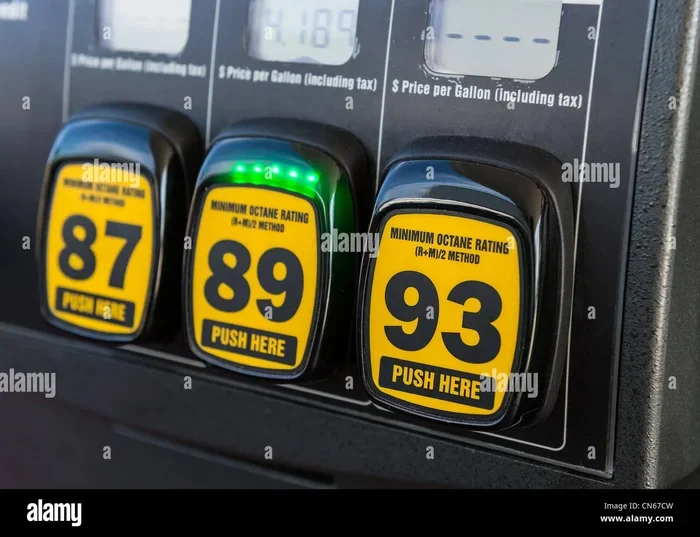
Here is a quick look at the most common gasoline grades you will find at the pump:
- 87 Octane (Regular): This is the most common gasoline grade sold across the country. It is the standard fuel type for most everyday vehicles.
- 89 Octane (Mid-Grade): Also called mid-grade fuel, this sits right between regular and premium. It offers slightly better knock resistance.
- 91-93 Octane (Premium): This is the highest octane level available at most stations. It is typically recommended for high-performance or luxury vehicles.
When you ask yourself can I mix 87 and 89 gas, you are really asking whether combining two different octane ratings will create a problem. The answer is straightforward. Your engine does not care whether you pour in pure 87, pure 89, or a blend of both. It simply burns whatever fuel you give it.
How Octane Ratings Work
The octane rating is not a measure of fuel quality in the way most people think. It does not mean higher octane is “better” fuel. Instead, it measures the fuel’s ability to resist premature ignition. A higher octane number means the fuel can handle more compression before it ignites on its own.
Engines with a high compression ratio need higher octane fuel to run properly. These engines are found in performance cars, turbocharged vehicles, and some luxury models. On the other hand, most standard sedans, SUVs, and trucks have lower compression ratios and work perfectly well with regular gas.
The key takeaway here is that octane rating is about compatibility, not superiority. Using the right fuel for your engine matters far more than using the most expensive fuel.
What Happens When You Mix 87 and 89 Gas?
Now let us get to the heart of the matter. What actually happens when you mix 87 and 89 gas in your tank? The short answer is very little.
When you combine two different octane fuels, you create a blended fuel mixture that falls somewhere between the two ratings. If you pour half a tank of 87 and half a tank of 89, you essentially get a fuel with an octane rating close to 88. Your engine will treat this blended fuel just like it would treat any other mid-grade gasoline.
Here is what you can expect when you mix these two grades:
- No engine damage: Mixing 87 and 89 will not harm your engine in any way.
- No check engine light: Your vehicle will not throw a warning light simply because you blended two fuel types.
- Smooth operation: The engine will continue to run as it normally does without any noticeable change.
- No immediate performance drop: You will not feel a loss of power or acceleration from mixing these grades.
The fuel injection system in modern cars is designed to adapt to different fuel conditions. Sensors monitor the combustion process in real time and adjust the air-fuel ratio accordingly. This means your car is smarter than most people give it credit for.
Does the Ratio Matter?
The ratio of 87 to 89 in your mix does not make a huge difference in most cases. Whether you add a little 89 to a tank of 87 or the other way around, the result is a blended fuel that your engine handles easily. The compression ratio of your engine determines how much octane it actually needs, not the exact blend you created at the pump.
Some drivers worry that mixing gas will create a “chemical reaction” inside the tank. This is not how gasoline works. Fuels do not react with each other the way some liquids might. They simply combine into a uniform mixture that burns the same way as any single-grade fuel would.
Can Mixing Different Octane Levels Damage Your Engine?
This is one of the most common fears people have about mixing fuel grades. The good news is that mixing 87 and 89 gas will not damage your engine. Let us explain why this fear exists and why it is mostly unfounded.
Engine damage from fuel typically comes from using the wrong octane for an extended period. For example, putting regular 87 fuel in a car that requires premium 91 or 93 can cause long-term problems. The engine will knock persistently, and over time, this can damage pistons, valves, and other internal components. But this scenario is the opposite of what happens when you mix 87 and 89.
When you mix a lower octane with a slightly higher octane, you are essentially moving the fuel rating closer to what the engine needs. If your car recommends 89 octane and you accidentally fill up with 87, adding some 89 to the tank brings the blended fuel closer to the recommended level. This is actually a better position to be in than running on pure 87 when your engine needs 89.
When Could Mixing Be a Problem?
There are very few situations where mixing 87 and 89 could cause issues. Here are some edge cases to be aware of:
- Older vehicles with carburetors: Older cars from the 1970s or earlier may not have modern fuel adjustment systems. These engines can be more sensitive to fuel grade changes.
- Severe engine knock: If you hear persistent knocking after mixing fuels, something else may be wrong. The fuel mix is rarely the cause, but it is worth getting checked out.
- Extremely rare fuel contamination: If one of the fuel grades at the station is contaminated or incorrect, mixing it with another fuel could create problems. This is extremely rare but not impossible.
For the vast majority of modern vehicles, these scenarios do not apply. Your engine performance will remain stable whether you use pure 87, pure 89, or a mix of both.
When Should You Consider Mixing Gas Grades?
There are some practical situations where mixing 87 and 89 makes sense. Understanding these scenarios can help you make informed decisions at the pump.
Running Low and Only One Grade Is Available
This is the most common reason people mix gas grades. You are on a long road trip and your tank is nearly empty. The station you stop at only has 89 octane, but your car usually runs on 87. In this case, filling up with 89 and mixing it with the remaining 87 in your tank is perfectly fine.
Can I mix 87 and 89 gas in this situation? Absolutely. You will use up the blended fuel over the next few tanks, and everything will be just fine. Do not stress about it.
Trying to Achieve a Specific Octane Level
Some drivers want a fuel grade that is not directly available at their local station. Maybe the station only offers 87 and 93, and you want something in between. Mixing 87 and 89 can help you achieve a fuel blend that falls closer to your target octane level.
However, this strategy is not always precise. The exact octane of your blended fuel depends on how much of each grade you add. In practice, the difference is so small that it rarely matters. Your engine will not notice a one-point octane difference.
Emergency Situations
If you are stranded or in an emergency and the only fuel available is a different grade than what you normally use, mixing is a perfectly acceptable solution. Your car will run. You can always switch back to your preferred fuel grade at the next fill-up.
Quick Tips for Mixing Gas Grades
- Do not overthink it: Mixing 87 and 89 is a non-issue for most vehicles.
- Stick to your routine: If your car runs great on 87, keep using 87. Mixing is only needed in specific situations.
- Check the pump labels: Every gas pump displays the octane rating clearly. Take a second to confirm before you fill up.
- Keep your owner manual handy: It contains the official fuel recommendation for your specific vehicle.
How to Choose the Right Gas for Your Vehicle
Choosing the right fuel is simpler than most people think. The answer starts with your vehicle manufacturer and ends at the gas pump. Here is how to make the best choice every time.
Read Your Owner Manual
Your owner manual is the ultimate guide for fuel selection. It will tell you the minimum octane rating required for your engine. Look for a section labeled “Fuel” or “Fuel Requirements.” Most manuals will specify whether your car needs regular, mid-grade, or premium fuel.
If the manual says “regular unleaded gasoline recommended,” you can safely use 87 octane. If it says “premium fuel required,” then you should stick with 91 or 93 octane. Using a lower grade than required can lead to engine knocking and reduced performance over time.
Look for the Fuel Door Sticker
Many vehicles have a sticker on the inside of the fuel door that displays the recommended fuel type. This is a quick reference you can check right at the pump. If the sticker says 87 octane is fine, then mixing 87 and 89 gas is not a concern.
Consider Your Driving Conditions
Driving conditions can affect how your engine uses fuel. If you frequently tow heavy loads, drive in extreme heat, or haul cargo, your engine may benefit from a slightly higher octane. However, most vehicles will still run well on regular 87 octane even under these conditions.
Some drivers believe that using premium fuel improves fuel economy in all vehicles. This is a common misconception. Premium fuel only improves economy in engines that are specifically designed to take advantage of higher octane. For most cars, the difference in gas mileage between 87 and 89 is negligible.
Expert Insights on Fuel Selection
According to automotive experts, the best fuel for your car is the one recommended by the vehicle manufacturer. Spending extra money on premium fuel when your car only needs regular will not give you better performance. It will simply cost you more at the pump.
Mechanics often see customers who switch to higher octane fuel hoping to fix engine problems. If your car is knocking, the issue is usually mechanical, not fuel-related. Switching to a higher octane level might quiet the knock temporarily, but it will not fix the underlying problem.
On the other hand, some drivers use octane boosters as a cheaper alternative to premium fuel. These additives can raise the effective octane of regular gasoline slightly. They are not a substitute for the right fuel grade, but they can help in a pinch.
Common Myths About Mixing Gasoline Grades
There are many myths floating around about mixing different fuel grades. Let us debunk some of the most common ones so you can fill up with confidence.
Myth 1: Mixing Gas Grades Will Ruin Your Engine
This is the biggest myth of all. Mixing 87 and 89 gas will not ruin your engine. Your fuel system is designed to handle a range of octane levels. Modern engines have knock sensors that adjust timing in real time to prevent damage from low-octane fuel.
Myth 2: Higher Octane Fuel Gives You More Power
Higher octane does not automatically mean more power. It means the fuel resists knocking better. If your engine does not require high octane, you will not feel any power difference between 87 and 89 fuel.
Myth 3: You Should Never Mix Different Gas Brands
Some people believe mixing gas from different stations will cause problems. All gasoline sold in the United States meets federal standards for quality and additives. Switching between brands or grades is perfectly safe.
Myth 4: Premium Fuel Cleans Your Engine Better
All gasoline grades contain cleaning additives. Premium fuel does not clean your engine any better than regular fuel. The cleaning agents are regulated by the EPA and are present in all gasoline grades.
Myth 5: Mixing Gas Is the Same as Using Bad Fuel
Blending two good fuel grades is not the same as using contaminated or low-quality fuel. As long as both fuels come from a reputable station, mixing them is completely safe.
How Fuel Grades Affect Your Vehicle Over Time
While mixing 87 and 89 gas is safe in the short term, it is worth understanding how fuel grades can affect your vehicle over the long haul. Consistent use of the right fuel grade contributes to better engine health, smoother operation, and potentially longer vehicle life.
If your vehicle is designed for 87 octane and you consistently use 89, you are spending extra money for no real benefit. The fuel economy and engine performance will be nearly identical. Over thousands of miles, this extra cost adds up without delivering any meaningful advantage.
Conversely, if your vehicle requires 89 octane and you consistently use 87, you may experience subtle performance issues over time. The engine may knock slightly under heavy load, and the fuel injection system will work harder to compensate. This is not catastrophic damage, but it is not ideal either.
The best approach is to use the fuel grade your vehicle manufacturer recommends and to stay consistent. Mixing grades occasionally is fine, but making it a habit when it is not necessary is not cost-effective.
Final Thoughts on Mixing 87 and 89 Gas
So, can I mix 87 and 89 gas? Yes, you absolutely can. It is safe, it will not damage your engine, and it is something that happens regularly at gas stations across the country. Whether you accidentally grabbed the wrong pump or intentionally blended fuels to achieve a specific octane level, your car will handle it just fine.
The most important thing you can do for your vehicle is to follow the fuel recommendation in your owner manual. Use the right octane rating for your engine, and do not worry too much about the occasional mix-up. Modern cars are built with advanced fuel injection systems and sensors that adapt to different fuel conditions with ease.
Next time you find yourself standing at the pump wondering whether to grab regular or mid-grade, remember what you have learned here. Mixing 87 and 89 is not something to fear. It is something to understand, and now you do. Drive safely, fill up with confidence, and enjoy the ride.
Frequently Asked Questions
What happens if I accidentally mix 87 and 89 gas?
Nothing bad will happen. Your engine will simply burn the blended fuel as it normally would. There is no need to drain the tank or take any special action. Just continue driving as usual and use up the fuel. Your vehicle manufacturer designed modern engines to handle different fuel grades with ease.
Will mixing 87 and 89 gas improve my fuel economy?
Not significantly. The fuel economy difference between 87 and 89 octane is minimal for most vehicles. Higher octane fuel only improves economy in engines that are specifically designed to benefit from it. For most cars, regular 87 octane delivers the same gas mileage as a blend of 87 and 89.
Can mixing different octane fuels cause engine knocking?
No, mixing 87 and 89 will not cause engine knocking. In fact, adding higher octane fuel to a tank of lower octane can reduce knocking if your engine is prone to it. Persistent knocking usually indicates a mechanical issue, not a fuel mixing problem.
Is it better to use pure 87 or mix it with 89?
For most vehicles, pure 87 octane is perfectly fine and is the recommended fuel type. Mixing with 89 is not better or worse, it is simply a different blended octane rating. Use the fuel grade your owner manual specifies and you will be in great shape.
Does mixing gas grades void my warranty?
No, mixing 87 and 89 gas does not void your warranty. Warranties cover defects in materials and workmanship, not fuel choices. As long as you follow your vehicle manufacturer’s fuel recommendations and do not use contaminated fuel, your warranty remains intact.
How often can I safely mix 87 and 89 gas?
You can mix these fuel grades as often as you like without any negative consequences. There is no limit or restriction on how frequently you blend different gasoline grades. The key is to ensure both fuels come from a reputable station and meet federal quality standards.
=== CONCLUSION ===
Can I mix 87 and 89 gas? The answer is a clear and reassuring yes. Mixing these two fuel grades is completely safe for your engine and will not cause any damage or performance issues. The octane rating on the pump simply tells you about the fuel’s resistance to knocking, and blending two different grades creates a fuel that falls somewhere in between.
Always check your owner manual for the recommended fuel type for your specific vehicle. Use the octane level your vehicle manufacturer suggests, and do not stress about the occasional mix-up. Whether you are blending fuels out of necessity or curiosity, your car is built to handle it.
Remember, the best fuel for your car is the one that matches its compression ratio and engine design. Stay consistent, drive confidently, and enjoy the peace of mind that comes from understanding your vehicle. You now know everything you need to know about mixing 87 and 89 gas, and that knowledge will serve you well every time you pull up to the pump.