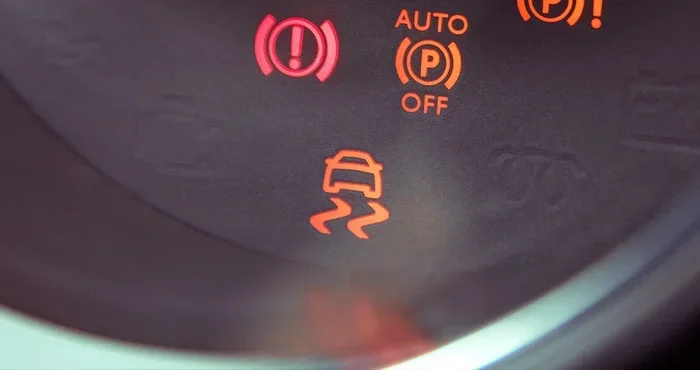
Can I Drive With My TRAC Off And What You Need To Know
Yes, you can drive with TRAC off in certain situations, but it is not always safe. TRAC stands for Traction Control, and turning it off can help when your car is stuck in snow, mud, or sand. However, driving with TRAC off on normal roads increases the risk of wheel slip and loss of control. Always understand what TRAC does and when to use TRAC off before making the choice.
Have you ever been driving and noticed a little light on your dashboard that says TRAC OFF? It can be a bit scary, especially if you are not sure what it means. Many drivers see this light and immediately wonder if their car is broken or if it is safe to keep going.
The truth is, driving with TRAC off is something many people do without fully understanding what it means. TRAC stands for Traction Control. It is a safety system that helps your car maintain grip when the road is wet, icy, or uneven. But there are times when you might actually want to turn it off.
In this article, we will explain everything you need to know about the TRAC off button. We will cover what TRAC does, when it is safe to turn it off, what happens when you do, and how to avoid common mistakes. Whether you drive a Toyota, Honda, Ford, or any other brand, this guide will help you feel confident behind the wheel.
Key Takeaways
- TRAC stands for Traction Control: It helps keep your wheels from spinning on slippery surfaces.
- You can drive with TRAC off temporarily: It is safe in specific off-road or stuck situations.
- The TRAC off light on your dashboard: Tells you the system has been deactivated.
- Driving with TRAC off on wet roads is risky: It reduces vehicle stability and increases accident chances.
- TRAC off and VSC off are connected: Turning one off often affects the other system too.
- Check your owner manual: Every vehicle has specific guidelines for using TRAC off mode.
- Reset TRAC after use: Always turn it back on when road conditions improve.
📑 Table of Contents
- What Does TRAC Off Mean?
- Can I Drive With My TRAC Off?
- What Happens When You Drive With TRAC Off?
- How to Turn TRAC Off and Back On
- Common Mistakes People Make With TRAC Off
- Quick Tips for Driving With TRAC Off
- Expert Insights on TRAC Off Driving
- TRAC Off and Different Vehicle Types
- What to Do If TRAC Off Light Appears Unexpectedly
- Conclusion
What Does TRAC Off Mean?
TRAC is short for Traction Control. It is an electronic system built into your vehicle. Its job is to prevent your wheels from spinning out when you accelerate. The system works by reducing engine power or applying the brakes to individual wheels. This helps your car stay stable and move smoothly.
When the TRAC off light comes on, it means the traction control system has been turned off. Your car will no longer use electronic help to manage wheel spin. You are relying entirely on your driving skills and the natural grip of your tires.
How Does the TRAC System Work?
Your car has sensors on each wheel. These sensors monitor how fast each wheel is spinning. If one wheel starts spinning faster than the others, the TRAC system kicks in. It either reduces engine power or applies a small amount of brake force to that wheel. This brings the spinning wheel back under control.
The whole process happens in milliseconds. You might not even notice it working. But when TRAC is off, your car loses this automatic intervention. The engine sends full power to the wheels, and the car does not brake individual wheels to regain grip.
TRAC Off vs VSC Off — What Is the Difference?
Many people confuse TRAC off with VSC off. VSC stands for Vehicle Stability Control. While both systems are related, they serve slightly different purposes. TRAC focuses on wheel spin during acceleration. VSC focuses on keeping your car stable during turns and sudden maneuvers.
In many vehicles, especially Toyotas, turning off TRAC also disables VSC. The TRAC off and VSC off lights often appear together on the dashboard. Always check what exactly has been deactivated before you drive.
Can I Drive With My TRAC Off?
The short answer is yes. You can drive with TRAC off. But the better question is whether you should. The answer depends on your driving conditions, road type, and weather. Let us break this down so you can make the right call every time.
When It Is Safe to Drive With TRAC Off
There are certain situations where turning off TRAC actually helps you. Here are the most common scenarios:
- Off-road driving: When you are on dirt trails, gravel roads, or rocky terrain, TRAC can interfere with your momentum. Turning it off lets your wheels spin freely, which can help you navigate rough paths.
- Deep snow or mud: If your car is stuck in snow or mud, TRAC might prevent you from rocking the vehicle free. With TRAC off, you can spin the wheels gently to build momentum and escape the trap.
- Sand driving: Beach driving or dune trips often require wheel spin to move through loose sand. TRAC off gives you the freedom to maintain speed in these conditions.
- Winter tire fitting: Some drivers prefer to manage traction manually when using winter chains or studded tires. In these cases, TRAC off can give a more natural driving feel.
In all of these situations, the key is to drive carefully. Even with TRAC off, you still need to respect the limits of your vehicle and the road surface.
When It Is NOT Safe to Drive With TRAC Off
There are plenty of situations where you should keep TRAC on. Here are the most important ones:
- Wet or rainy roads: Rain creates a thin layer of water on the pavement. Without TRAC, your wheels are more likely to hydroplane and lose grip.
- Ice and freezing conditions: Black ice and icy patches are extremely dangerous. TRAC helps you maintain control when you accidentally hit a slick spot.
- Highway driving: At higher speeds, losing traction can be catastrophic. TRAC provides a safety net that keeps your car stable during sudden acceleration or gusts of wind.
- City streets with heavy traffic: Stop-and-go traffic requires constant speed adjustments. TRAC helps manage wheel spin during quick starts and stops.
- Curvy or mountainous roads: Sharp turns demand precise traction control. Without TRAC, your rear wheels may slide outward during a turn, causing a skid.
As a general rule, keep TRAC on for everyday driving. Only turn it off when you have a specific reason and you understand the risks involved.
What Happens When You Drive With TRAC Off?
Understanding the consequences of driving with TRAC off is important for your safety. The system is designed to protect you, so disabling it changes how your car behaves on the road.
Increased Risk of Wheel Spin
Without TRAC, your wheels can spin freely when you press the gas pedal. On a wet or icy surface, this means your tires may lose contact with the road entirely. You could end up sliding instead of moving forward. This is especially dangerous at intersections and on uphill roads.
Reduced Vehicle Stability
TRAC works hand in hand with your car’s stability systems. When TRAC is off, your vehicle may feel less predictable. You might notice the car feels “loose” during sharp turns or sudden lane changes. This is because the system is no longer correcting wheel slip in real time.
Longer Braking Distances
Some drivers assume that turning off TRAC also affects braking. While TRAC primarily manages acceleration, it works alongside the ABS (Anti-lock Braking System). When TRAC is off, the ABS still functions normally. However, the overall stability of the car during emergency braking can be slightly compromised on low-grip surfaces.
Impact on Fuel Efficiency
Interestingly, driving with TRAC off can sometimes reduce fuel efficiency. Without the system managing wheel spin, your engine may work harder to maintain speed. This is especially true on loose or slippery surfaces where the wheels waste energy spinning in place.
How to Turn TRAC Off and Back On
Turning TRAC off is usually very simple. Most vehicles have a dedicated button for this. Here is a general guide:
- Locate the TRAC OFF button. In most Toyotas, it is on the left side of the steering wheel. In other vehicles, it may be on the center console or dashboard area.
- Press the button while the car is running. The TRAC OFF light will appear on your dashboard.
- Drive carefully in the appropriate conditions. Remember to turn TRAC back on when conditions improve.
- To turn TRAC back on, press the same button again. The light should disappear and the system will reactivate.
What If the TRAC Off Light Stays On?
If the TRAC off light stays on even after you turn the system back on, there might be a deeper issue. This could indicate a traction control malfunction. Common causes include a faulty ABS sensor, a problem with the wheel speed sensors, or an issue with the TRAC control module.
Do not ignore a persistent TRAC off light. Here is what you should do:
- Check if the button is fully released.
- Look for other warning lights on the dashboard.
- Have a mechanic diagnose the issue with an OBD-II scanner.
- Check the owner manual for specific troubleshooting steps.
Common Mistakes People Make With TRAC Off
Even experienced drivers make mistakes when using the TRAC off feature. Here are the most common ones and how to avoid them:
Mistake 1: Leaving TRAC Off for Too Long
Some drivers turn off TRAC and forget to turn it back on. This can be dangerous if you drive into wet or icy conditions without realizing the system is disabled. Always make it a habit to check your dashboard lights before every trip.
Mistake 2: Turning Off TRAC on Highways
Highways are one of the worst places to drive with TRAC off. Speeds are higher, and road conditions can change quickly. A sudden patch of wet road or a quick lane change can become very dangerous without traction control active.
Mistake 3: Confusing TRAC Off with a Malfunction
Many drivers see the TRAC off light and panic, thinking something is broken. Remember, if you pressed the button yourself, the light is normal. It only becomes a concern if the light appears on its own or stays on after you turn the system back on.
Mistake 4: Ignoring the VSC Light
As mentioned earlier, TRAC off and VSC off are often linked. If you see both lights on, understand that both stability and traction systems are disabled. This significantly reduces your car’s safety margin, especially on challenging surfaces.
Mistake 5: Using TRAC Off as a Performance Hack
Some drivers turn off TRAC thinking it will make their car faster. While it is true that the engine can deliver full power without the system limiting wheel spin, this does not mean you will be quicker in a straight line. On most normal roads, TRAC off will not improve your speed — it only increases risk.
Quick Tips for Driving With TRAC Off
Here are some practical tips to keep in mind whenever you use TRAC off:
- Check your mirrors frequently. Without stability control, your car may react differently than you expect.
- Drive at lower speeds. Reduce your speed significantly when TRAC is off, especially on unfamiliar roads.
- Increase following distance. Braking distances may be longer without the full stability system active.
- Use gentle throttle inputs. Avoid sudden acceleration, which can cause wheel spin and loss of control.
- Know when to turn it back on. As soon as road conditions improve, reactivate TRAC immediately.
- Keep your owner manual handy. Different vehicles have different TRAC systems and specific recommendations.
Expert Insights on TRAC Off Driving
We spoke with automotive experts about the TRAC off and driving safety topic. Here is what they had to say:
“TRAC is one of the most important safety features in modern vehicles. We always recommend keeping it on unless you have a very specific reason to turn it off. For off-road enthusiasts or drivers in extreme winter conditions, TRAC off can be useful — but only when used with caution.” — Certified Automotive Technician
“The biggest mistake we see is drivers leaving TRAC off and not realizing it. Always glance at your dashboard before you start driving. It takes two seconds and can prevent a lot of trouble.” — Road Safety Instructor
TRAC Off and Different Vehicle Types
Not all vehicles handle TRAC off the same way. Let us look at how different vehicle types are affected:
| Vehicle Type | TRAC Off Impact | Recommended Use |
|---|---|---|
| Sedan | Reduced stability on wet roads | Off-road only, deep snow |
| SUV | Higher center of gravity increases rollover risk | Mild off-road, stuck situations |
| Truck | More wheel spin on acceleration | Off-road, sand, mud recovery |
| Sports Car | Rear-wheel spin likely on hard acceleration | Track driving, dry conditions only |
| Minivan/Crossover | Noticeable loss of stability in turns | Avoid TRAC off on public roads |
As you can see, the impact of turning TRAC off varies by vehicle type. Heavier vehicles and those with a higher center of gravity are more affected. Always consider your specific vehicle when deciding whether to use TRAC off.
What to Do If TRAC Off Light Appears Unexpectedly
Sometimes the TRAC off light comes on by itself, even if you did not press the button. This is a sign that something may be wrong with your traction control system. Here is what you should do step by step:
- Stay calm. The light does not mean your car will stop working. Your vehicle is still safe to drive, but with reduced stability assistance.
- Check the dashboard for other warning lights. If the check engine light or ABS light is also on, there may be a shared sensor issue.
- Drive to a safe location. Pull over if you feel the car behaving unusually.
- Restart the engine. Sometimes a simple restart resets the system and turns the light off.
- Visit a mechanic if the light persists. A professional can run diagnostics and identify the exact problem.
Regular maintenance can help prevent TRAC system issues. Make sure your ABS sensors are clean, your tire pressure is balanced, and your brake fluid is at the proper level. These simple steps keep your traction control system working properly.
Conclusion
So, can you drive with TRAC off? Yes, you can. But now you also know that it comes with real risks and responsibilities. TRAC off is a useful feature when used correctly. It helps you get unstuck in snow, navigate rough terrain, and maintain control in specific driving scenarios. But on everyday roads, in rain, on ice, or at highway speeds, keeping TRAC on is the safest choice.
Always pay attention to your dashboard lights. Understand what each warning means before you hit the road. And remember, the TRAC system exists to protect you. Use TRAC off only when you have a clear reason and the conditions justify it.
Drive safely, stay aware, and never hesitate to refer to your vehicle’s owner manual for specific guidance. Your car’s safety systems are there to work with you, not against you.
Frequently Asked Questions
What does TRAC off mean on my dashboard?
The TRAC off light means your traction control system has been deactivated. Your car will no longer automatically manage wheel spin during acceleration. You can turn it back on by pressing the TRAC OFF button again.
Is it illegal to drive with TRAC off?
No, it is not illegal to drive with TRAC off. However, it may violate vehicle safety standards in some regions if the system is disabled due to a malfunction rather than by choice. Always keep your safety systems active unless you have a valid reason.
Can driving with TRAC off damage my car?
Driving with TRAC off will not directly damage your car. However, frequent use on normal roads can lead to increased tire wear and reduced stability. The system is designed to protect your vehicle and passengers, so use it wisely.
Why is my TRAC off light on even when I did not press the button?
This usually indicates a sensor issue or a malfunction in the traction control system. Common causes include a faulty ABS sensor, low brake fluid, or a problem with the TRAC control module. Have a mechanic inspect your vehicle as soon as possible.
Should I drive with TRAC off in the rain?
No, you should not drive with TRAC off in the rain. Wet roads significantly increase the risk of wheel slip and hydroplaning. TRAC helps maintain grip and stability, which is critical during rainy conditions.
How do I reset the TRAC off light after turning the system back on?
Simply press the TRAC OFF button again while the engine is running. The light should disappear within a few seconds. If it stays on, try restarting the engine. If the light persists, there may be a system fault that needs professional diagnosis.