Are Old Toyota Tundras Reliable And Worth The Money
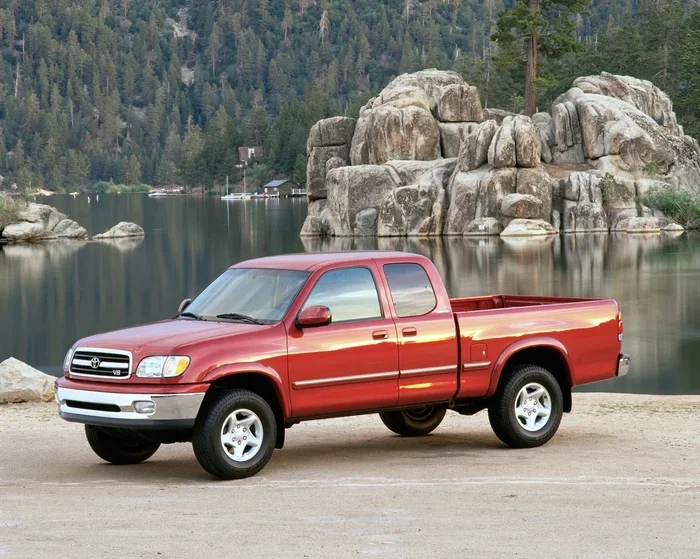
Old Toyota Tundras have earned a reputation as some of the most dependable trucks on the road. With solid build quality, simple mechanics, and strong resale value, these trucks hold up remarkably well over time. However, like any older vehicle, they come with a few known issues you should know about before buying.
When it comes to full-size pickup trucks, few names carry the weight of trust that Toyota does. Old Toyota Tundras have become a staple on job sites, ranches, and suburban driveways across America. But the real question most buyers ask is simple: are these trucks actually reliable, and are they worth the money?
The answer is a resounding yes for most owners. Old Toyota Tundras have a track record of durability that few competitors can match. They are built with straightforward engineering, durable components, and a no-nonsense approach to truck building. That said, no vehicle is perfect, and understanding both the strengths and weaknesses of old Toyota Tundras helps you make a smarter buying decision.
In this guide, we will break down everything you need to know. From common problems to maintenance costs, resale value, and which model years shine the brightest, we have got you covered. Whether you are looking at a first-generation model from the early 2000s or a second-generation truck from the late 2010s, this article will give you the full picture.
Key Takeaways
- Proven Reliability: Old Toyota Tundras are built to last, with many examples surpassing 300,000 miles with proper care.
- Strong Resale Value: These trucks hold their value exceptionally well compared to competitors like the Ford F-150 and Chevrolet Silverado.
- Common Issues Exist: Frame rust, transmission wear, and electrical gremlins can appear on higher-mileage examples.
- Maintenance Costs Are Manageable: Parts are widely available, and repairs tend to be straightforward and affordable.
- Best Years Matter: The 2000-2006 and 2007-2021 generations offer different strengths for buyers to consider.
- Worth the Investment: A well-maintained old Toyota Tundra delivers excellent long-term value for truck owners.
📑 Table of Contents
- Why Old Toyota Tundras Have Built a Strong Reputation
- Common Problems With Old Toyota Tundras
- Maintenance Costs and Ownership Expenses
- Are Old Toyota Tundras Worth The Money?
- Which Generation of Old Toyota Tundra Is the Most Reliable?
- Tips for Buying a Used Toyota Tundra
- Expert Insights on Old Toyota Tundra Ownership
- Key Takeaways
- Frequently Asked Questions
- Final Thoughts
Why Old Toyota Tundras Have Built a Strong Reputation
The Toyota Brand Legacy
Toyota has spent decades earning a reputation for building vehicles that simply last. The company’s philosophy centers on reliability, durability, and practical engineering. This mindset shows up clearly in old Toyota Tundras, which were designed to be workhorses first and showpieces second.
Unlike some competitors who chase flashy features, Toyota focused on what matters most in a truck. Strong frames, proven engines, and simple transmissions made old Toyota Tundras easy to maintain and hard to break. This approach resonated with buyers who needed a truck they could depend on every single day.
The Toyota brand also benefits from a massive global dealer network. This means parts are easy to find, service is widely available, and resale values stay strong. All of these factors contribute to the lasting reputation of old Toyota Tundras in the used truck market.
What Makes a Truck Reliable?
Reliability in a truck comes down to a few key factors. First, the engine and transmission need to be robust and well-proven. Old Toyota Tundras typically came equipped with the 4.7-liter V8 or the 5.7-liter V8, both of which are known for their longevity. These engines are not overly complex, which makes them easier to diagnose and repair when issues do arise.
Second, the frame and body construction matter a lot. Toyota used high-strength steel in the frames of old Toyota Tundras, giving them excellent structural integrity. This is why many examples still look and feel solid even after 15 or 20 years of use.
Third, simplicity works in favor of reliability. Fewer electronic gadgets and complex systems mean fewer things that can go wrong. Old Toyota Tundras are refreshingly straightforward compared to modern trucks loaded with screens, sensors, and advanced driver aids. This simplicity is a big reason why they age so well.
Common Problems With Old Toyota Tundras
No truck is without flaws, and old Toyota Tundras are no exception. Being aware of potential issues helps you avoid costly surprises down the road. Here are the most common problems owners have reported over the years.
Frame Rust and Corrosion
Frame rust is one of the most talked-about issues with old Toyota Tundras, especially models from the early 2000s. The frame rails can develop surface rust, which, if left untreated, can progress to structural corrosion. This is more common in northern states where road salt is heavily used during winter months.
Regularly washing the undercarriage of your truck can help prevent rust from taking hold. Inspect the frame rails closely when buying a used old Toyota Tundra, paying special attention to areas near the cab and rear axle. Minor surface rust can be treated, but deep frame corrosion is a serious safety concern.
Transmission and Electrical Issues
Some owners of old Toyota Tundras have reported transmission concerns, particularly with the 4-speed automatic found in earlier models. The 4-speed unit can sometimes show wear around the 150,000-mile mark, leading to rough shifting or delayed engagement.
Electrical gremlins are another area where old Toyota Tundras can fall short. Issues with power window regulators, door lock actuators, and dashboard lights have been reported on higher-mileage examples. Most of these problems are minor and inexpensive to fix, but they can be annoying for daily drivers.
Suspension Wear Over Time
Suspension components on old Toyota Tundras wear out over time just like any other truck. Ball joints, tie rod ends, and control arm bushings are common wear items that may need replacement. These repairs are not overly expensive, but they do add up as the truck accumulates miles.
Regular alignment checks and suspension inspections can help catch worn parts early. If you buy a higher-mileage old Toyota Tundra, factor in the cost of suspension refresh as part of your ownership budget.
Maintenance Costs and Ownership Expenses
Routine Maintenance Costs
One of the biggest advantages of owning old Toyota Tundras is that routine maintenance is straightforward and affordable. Oil changes, brake pads, tires, and air filters are all standard maintenance items that do not break the bank. Toyota parts are widely available, which keeps costs competitive.
Here is a quick look at typical annual maintenance costs for old Toyota Tundras:
- Oil Change: $50-$80 every 5,000-7,500 miles
- Brake Pads and Rotors: $200-$400 per axle
- Tire Replacement: $600-$1,000 for a full set
- Timing Chain (if needed): $800-$1,500
- Annual Maintenance Average: $500-$1,000
Compared to domestic competitors, old Toyota Tundras tend to be slightly more affordable to maintain over the long haul. The simplicity of the powertrain and chassis design means fewer things can go wrong, which translates to lower repair bills over time.
Major Repair Costs to Watch For
While routine maintenance is affordable, major repairs can still happen. The most expensive repairs on old Toyota Tundras typically involve the engine, transmission, or frame. A transmission rebuild can cost anywhere from $1,500 to $3,000, depending on the model year and labor rates in your area.
Engine repairs are less common but can be costly when they do occur. A blown head gasket or cracked engine block on a 5.7-liter V8 can set you back $3,000 or more. However, these issues are relatively rare on well-maintained old Toyota Tundras with regular oil changes.
The frame rust issue mentioned earlier can also lead to expensive repairs if left unaddressed. Welding and frame reinforcement can cost several thousand dollars, which is why prevention through regular washing and inspection is so important.
Are Old Toyota Tundras Worth The Money?
Resale Value and Long-Term Investment
When it comes to holding value, old Toyota Tundras are among the best in the full-size truck segment. A well-maintained Tundra from the 2000s or 2010s will retain a surprisingly high percentage of its original value. This is partly due to Toyota’s reputation and partly due to the enduring demand for reliable used trucks.
Compared to the Ford F-150 and Chevrolet Silverado, old Toyota Tundras often depreciate at a slower rate. This means that when the time comes to sell or trade in, you lose less money. For buyers looking for a long-term truck, this strong resale value is a huge advantage.
The cost of ownership over 10 years for old Toyota Tundras tends to be lower than many competitors. Lower repair frequency, affordable parts, and strong resale value all work together to make these trucks a smart financial choice.
Comparing Costs to Other Full-Size Trucks
Let us put things into perspective with a quick comparison of ownership costs:
- Toyota Tundra: Lower repair frequency, strong resale, moderate maintenance costs
- Ford F-150: More model variations, higher repair complexity, decent resale
- Chevrolet Silverado: Similar maintenance costs, average resale, more electrical issues
- GMC Sierra: Nearly identical to Silverado, slightly higher price point
While old Toyota Tundras may not always have the lowest sticker price when buying used, the total cost of ownership over time often comes out ahead. The combination of durability, low repair frequency, and strong resale value makes them a compelling choice for budget-conscious buyers.
Which Generation of Old Toyota Tundra Is the Most Reliable?
Toyota produced two main generations of the Tundra, and each has its own strengths. Understanding the differences helps you decide which old Toyota Tundra is the right fit for your needs and budget.
First Generation (2000-2006)
The first-generation Toyota Tundra is often considered the sweet spot for reliability. These trucks were simpler, lighter on electronics, and backed by Toyota’s proven V8 engines. The 4.7-liter V8 and the 5.7-liter V8 both proved to be remarkably durable in old Toyota Tundras from this era.
The downsides of first-generation models include a higher susceptibility to frame rust and a less refined ride compared to later generations. The 4-speed automatic transmission, while reliable, is not as smooth as the 6-speed unit found in later models. Overall, first-generation old Toyota Tundras are excellent choices for buyers seeking simplicity and proven durability.
Second Generation (2007-2021)
The second-generation Tundra brought significant improvements in comfort, power, and capability. The introduction of the 6-speed automatic transmission was a welcome upgrade. The 5.7-liter V8 became the standard engine, delivering strong towing capacity and smooth power delivery.
However, second-generation old Toyota Tundras also introduced more complex systems that can be pricier to repair. The infotainment electronics, while improved, added potential failure points that were not present in the first generation. Frame rust remains a concern for these models as well, particularly in harsh climates.
For most buyers, the second generation offers a better balance of capability and comfort. The 2007-2013 models are particularly well-regarded, while later models (2014-2021) offer more modern features but may come with higher price tags.
Tips for Buying a Used Toyota Tundra
What to Inspect Before Buying
Buying a used old Toyota Tundra requires a bit of diligence. Start by getting a full vehicle history report to check for accidents, title issues, and service records. A clean history goes a long way in establishing trust with a used truck.
Next, inspect the truck in person or have a trusted mechanic do a pre-purchase inspection. Pay close attention to these areas:
- Frame Condition: Look for rust, weld marks, or signs of previous damage
- Engine Oil: Check the color and consistency for signs of neglect
- Transmission: Test drive and feel for harsh shifts or slipping
- Suspension: Listen for clunks and check for worn bushings
- Electrical Systems: Test all windows, locks, lights, and gauges
- Tires: Uneven wear can indicate alignment or suspension problems
Taking the time to thoroughly inspect a used old Toyota Tundra before buying can save you thousands of dollars in unexpected repairs. Never skip the pre-purchase inspection, no matter how good the truck looks on the surface.
Best Years to Buy
When shopping for old Toyota Tundras, certain model years stand out as the best buys. The 2000-2004 first-generation models offer simplicity and durability at an affordable price point. The 2007-2013 second-generation models provide a great balance of capability, comfort, and reliability.
Avoid trucks with documented frame damage, major accident history, or signs of severe neglect. A well-documented service history is one of the most valuable things you can find when shopping for old Toyota Tundras. It shows that the previous owner took the time to maintain the truck properly.
Expert Insights on Old Toyota Tundra Ownership
Automotive experts consistently rate Toyota trucks among the most reliable in the full-size segment. Consumer Reports, J.D. Power, and various truck review outlets have given old Toyota Tundras high marks for dependability and owner satisfaction.
One expert from a leading automotive publication noted that old Toyota Tundras are “the last of the true simple trucks.” He highlighted that the straightforward design makes them easier for DIY owners to work on, which adds to their long-term value.
Another common theme among truck forums and owner communities is the emotional connection people have with their Tundras. Many owners report driving their old Toyota Tundras well past the 300,000-mile mark with only routine maintenance and minor repairs. This kind of longevity is rare in the truck world and speaks volumes about the quality of these vehicles.
Key Takeaways
- Proven Reliability: Old Toyota Tundras are built to last, with many examples surpassing 300,000 miles with proper care.
- Strong Resale Value: These trucks hold their value exceptionally well compared to competitors like the Ford F-150 and Chevrolet Silverado.
- Common Issues Exist: Frame rust, transmission wear, and electrical gremlins can appear on higher-mileage examples.
- Maintenance Costs Are Manageable: Parts are widely available, and repairs tend to be straightforward and affordable.
- Best Years Matter: The 2000-2006 and 2007-2021 generations offer different strengths for buyers to consider.
- Worth the Investment: A well-maintained old Toyota Tundra delivers excellent long-term value for truck owners.
Frequently Asked Questions
Are old Toyota Tundras good daily drivers?
Old Toyota Tundras make excellent daily drivers for those who need a dependable and capable truck. They are comfortable, reliable, and easy to maintain. The simple design of these trucks means fewer things can go wrong, which makes them stress-free for everyday use.
What is the most reliable year for old Toyota Tundras?
The 2000-2006 first-generation models are widely considered the most reliable. They are simpler, lighter on electronics, and backed by proven Toyota V8 engines. However, the 2007-2013 second-generation models also have strong reliability records and offer more modern features.
How long do old Toyota Tundras last?
With proper maintenance, old Toyota Tundras routinely last 250,000 to 300,000 miles or more. Many owners report pushing their trucks well past the 300,000-mile mark. Regular oil changes, timely fluid replacements, and prompt attention to small issues are the keys to maximizing longevity.
Are old Toyota Tundras expensive to maintain?
No, old Toyota Tundras are generally affordable to maintain. Routine services like oil changes, brake jobs, and tire replacements are reasonably priced. Parts are widely available through Toyota dealerships and aftermarket suppliers, which keeps costs competitive compared to many competitors.
Do old Toyota Tundras have frame rust problems?
Frame rust can be an issue with old Toyota Tundras, especially in northern states where road salt is common. The first-generation models from 2000-2006 are more susceptible to this problem. Regular undercarriage washing and prompt rust treatment can help prevent serious frame corrosion.
Is it worth buying a high-mileage old Toyota Tundra?
Yes, buying a high-mileage old Toyota Tundra can be worthwhile if the truck has been well-maintained. Look for documented service records, clean engine oil, and no signs of major neglect. A pre-purchase inspection by a qualified mechanic is always recommended before finalizing the purchase.
Final Thoughts
Old Toyota Tundras stand as one of the most reliable full-size trucks you can buy on the used market. They combine durability, simplicity, and strong resale value in a package that is hard to beat. While they are not without their flaws, the overall ownership experience is positive for most buyers.
If you are in the market for a dependable truck that will serve you well for years to come, old Toyota Tundras deserve a serious look. Do your homework, inspect the truck carefully, and prioritize maintenance history above all else. A well-chosen old Toyota Tundra will reward you with countless miles of dependable service and strong resale value when the time comes to move on.
The bottom line is clear: old Toyota Tundras are reliable, worth the money, and a smart choice for anyone who values longevity and dependability in a full-size pickup truck. Take your time, shop smart, and you will find a truck that will keep you going for miles to come.