
Car Wont Start With a New Battery Here Are the Fixes
A new battery should solve your starting problems, but sometimes it doesn’t. If your car won’t start with a new battery, the issue could be a corroded terminal, a bad starter motor, or a faulty ignition switch. This guide walks you through every possible cause and gives you clear, step-by-step fixes you can do yourself.
You just bought a brand-new battery. You slapped it in there with confidence. You turned the key. And nothing happened. That sinking feeling is all too real for car owners everywhere. A car won’t start with a new battery, and it makes you wonder if you wasted your money. But here’s the good news: a new battery doesn’t always fix the problem, because the issue might not be the battery at all.
This article breaks down every reason your engine might refuse to turn over, even with a fresh battery. We’ll cover the symptoms to watch for, the parts to check, and the fixes you can handle yourself. By the end, you’ll know exactly what to do and how to get back on the road.
Key Takeaways
- A new battery doesn’t always mean a solved problem: several other components can prevent your car from starting.
- Corroded battery terminals are one of the most common and easiest-to-fix causes.
- A faulty starter motor or solenoid can mimic battery problems even with a fresh battery installed.
- Check your battery cables and ground strap before assuming the battery is defective.
- Parasitic draw and security system issues are sneaky culprits that drain a new battery fast.
- Knowing when to call a mechanic can save you time and money.
📑 Table of Contents
- Why Your Car Won’t Start With a New Battery
- How to Diagnose Why Your Car Won’t Start
- Common Mistakes That Cause Starting Problems
- Quick Tips for Fixing a Car That Won’t Start
- When to Call a Professional Mechanic
- Preventing Starting Problems With Your New Battery
- Understanding Your Car’s Electrical System
- Comparison Table: New Battery vs. Other No-Start Causes
- Key Takeaways
- Conclusion
Why Your Car Won’t Start With a New Battery
It’s tempting to blame the battery, especially when you just replaced it. But a new battery only solves starting problems if the battery was actually the root cause. Several other components play a role in getting your engine running. When any one of them fails, you get the same frustrating symptom: you turn the key, and nothing happens.
Understanding how your car starts helps you pinpoint the real issue. When you turn your ignition key, the battery sends power to the starter motor. The starter motor cranks the engine. The fuel pump delivers gas. The spark plugs ignite the fuel. All of these steps must work together. If even one part fails, your engine stays silent. That’s why a dead battery is only one piece of the puzzle.
Let’s look at the most common reasons this happens. Each one comes with clear symptoms that help you identify the problem fast.
Corroded or Loose Battery Terminals
This is the number one culprit people overlook. Even with a shiny new battery installed, corroded terminals block the electrical connection. You might see a white or greenish crust on the battery posts. Or the terminal clamps might feel loose. Without a solid connection, electricity can’t flow from the battery to the rest of the car.
Quick tip: Before you assume anything else, pop the hood and inspect your terminals. Clean them with a wire brush or a baking soda solution. Tighten the clamps securely. This simple step fixes the problem more often than you’d think.
Faulty Starter Motor or Solenoid
The starter motor is the electric motor that cranks your engine. The solenoid acts as a switch that sends power to the starter. When either one fails, you get a no crank condition. Your battery voltage might be perfect, but the starter simply won’t engage.
You might hear a single click when you turn the key. Or you might hear nothing at all. A clicking noise usually points to a bad solenoid. No sound at all could mean a dead starter motor. Either way, the starter motor needs attention, not a new battery.
Bad Battery Cables or Ground Strap
Your battery cables carry electricity from the battery to the starter and the rest of the car. Over time, these cables can crack, fray, or corrode on the inside. You might not see any visible damage from the outside. But inside, the wire could be broken. A bad ground strap causes similar problems. The ground strap connects the battery to the car’s chassis. Without it, the electrical circuit stays incomplete.
Check your cables for swelling or brittleness. Inspect the ground strap for rust or looseness. Replacing a damaged cable or strap is inexpensive and often solves the problem quickly.
Ignition Switch Problems
The ignition switch is the part you interact with every time you turn your key. It sends a signal to the starter motor and activates the car’s electrical systems. When the ignition switch goes bad, your car won’t start even with a perfectly healthy battery. You might notice your dashboard lights flicker or your accessories stop working intermittently.
Ignition switch failure is more common in older vehicles. But it can happen in newer cars too. A mechanic can test the switch with a multimeter to confirm if it’s the cause.
Fuel Pump or Fuel System Issues
Sometimes the problem isn’t electrical at all. If your engine cranks but won’t fire up, the fuel pump might be to blame. The fuel pump delivers gasoline from the tank to the engine. When it fails, your engine turns over but never catches. You might hear a faint hum from the back of the car when you turn the key to the on position. No hum usually means the pump isn’t working.
Other fuel system issues include a clogged fuel filter, empty fuel tank (yes, this happens more than you’d think), or bad fuel injectors. These all prevent the engine from starting, regardless of how good your new battery is.
Security System or Immobilizer Glitch
Modern cars have sophisticated security systems. These systems use a chip in your key or key fob to verify your identity before allowing the engine to start. Sometimes the system glitches. It refuses to recognize your key, even if the key is perfectly valid. The result? Your car won’t start, and the dashboard lights might flash in a specific pattern.
Try using your spare key. Sometimes the chip in your primary key has lost its programming. You can also try turning the key to the on position and waiting ten seconds before starting. This gives the security system time to reset. If neither works, a dealer or locksmith can reprogram your key.
Parasitic Draw Draining Your New Battery
A parasitic draw happens when something in your car continues to pull power from the battery after you turn off the engine. A small draw is normal. Your clock and alarm system need a tiny amount of power at all times. But a large parasitic draw drains a new battery fast. You might drive home, park the car, and find it dead the next morning.
Common causes of parasitic draw include a stuck relay, a faulty module, or an interior light that won’t turn off. Mechanics use a special tool called a multimeter to measure the draw and find the culprit.
How to Diagnose Why Your Car Won’t Start
Diagnosing a no-start situation doesn’t require a degree in engineering. You can follow a simple process to narrow down the cause. Start with the easiest checks and work your way toward more complex ones.
Step 1: Check the battery voltage. Use a multimeter to test the battery. A healthy battery voltage should read 12.6 volts or higher when the engine is off. If it reads below 12 volts, your new battery might be defective or not fully charged.
Step 2: Inspect the terminals and cables. Look for corrosion, looseness, or damage. Clean and tighten everything. This step alone solves a surprising number of no-start problems.
Step 3: Listen for the starter. Turn the key to the start position. Do you hear a click? Do you hear a grinding noise? Do you hear nothing at all? Each sound tells you something different about what’s going wrong.
Step 4: Check the fuel system. Turn the key to the on position (not start). You should hear a brief hum from the back of the car. That’s the fuel pump pressurizing the system. No sound could mean a failed fuel pump.
Step 5: Test the ignition switch. If your dashboard lights don’t come on when you turn the key, the ignition switch might be faulty. A simple swap test with a known-good switch confirms this.
Step 6: Rule out the security system. Try your spare key. Wait ten seconds before starting. Check for flashing dashboard lights that indicate a security lockout.
Following these steps helps you eliminate possibilities one by one. You’ll likely find the answer without ever needing a mechanic.
Common Mistakes That Cause Starting Problems
Even experienced car owners make mistakes that lead to starting issues. Here are the most common ones to avoid:
- Not tightening the battery terminals enough: A loose connection looks fine from the outside but prevents electricity from flowing properly.
- Ignoring corrosion on old cables: A new battery paired with old, corroded cables still won’t deliver power effectively.
- Forgetting to check the ground strap: This small wire is easy to overlook but essential for completing the electrical circuit.
- Assuming a clicking noise means a dead battery: A single click usually points to a bad starter solenoid, not the battery.
- Not priming the fuel system: After replacing a fuel pump or running low on gas, you may need to cycle the key several times to build fuel pressure.
- Overlooking a blown fuse: A blown fuse in the starter circuit or fuel pump circuit can mimic a battery problem perfectly.
Quick Tips for Fixing a Car That Won’t Start
Here are some fast fixes you can try right now before diving into deeper diagnostics:
- Wiggle the key or key fob: Sometimes the ignition switch needs a little wiggling to make proper contact. Try turning the key while gently wiggling the steering wheel back and forth.
- Tap the starter motor: A light tap with a hammer on the starter motor can free a stuck gear. This old trick works more often than you’d expect.
- Try a jump start: Even with a new battery, a jump start from another car can provide the extra boost needed to overcome a weak connection or a partially failed component.
- Shift to neutral and try again: Some cars have a neutral safety switch that prevents starting if the transmission isn’t in park or neutral. Shifting to neutral might bypass this issue.
- Check the fuel gauge: It sounds silly, but a faulty fuel gauge can show full when the tank is actually empty. Add a gallon of fuel and try again.
When to Call a Professional Mechanic
Not every problem is a DIY fix. Some situations call for a trained professional. You should call a mechanic if:
- You’ve checked the battery, terminals, cables, and starter, and the car still won’t start.
- You smell burning insulation or see smoke under the hood. This indicates an electrical short that could be dangerous.
- Your car won’t start and you hear a grinding noise that gets louder each time you try. This could mean the starter gear is damaging the engine’s flywheel.
- The security system light stays on and flashing, and you can’t clear it with the spare key.
- You’ve confirmed a parasitic draw but can’t find the source after checking obvious culprits like interior lights and aftermarket accessories.
A qualified mechanic has specialized tools like a battery tester, oscilloscope, and scan tool that can read error codes from your car’s computer. These tools make diagnosing complex issues faster and more accurate. Don’t hesitate to seek help when the problem goes beyond basic checks.
Preventing Starting Problems With Your New Battery
Once you’ve fixed the issue, you’ll want to prevent it from happening again. Here’s how to keep your car starting smoothly:
- Clean your battery terminals every six months: A quick wipe-down with a wire brush prevents corrosion buildup.
- Check your battery voltage regularly: A healthy battery should read 12.6 volts or above. Anything below 12.4 volts means it’s time to recharge or replace the battery.
- Avoid short trips when possible: Short drives don’t give your alternator enough time to fully recharge the battery. The alternator charges the battery while you drive, and frequent short trips can lead to a sulfated battery over time.
- Turn off all accessories before shutting off the engine: Lights, radio, and phone chargers left on can create a parasitic draw that slowly drains your battery overnight.
- Replace your battery every three to five years: Even if your battery tests fine, age degrades its capacity. Proactive replacement prevents unexpected failures.
These simple habits extend the life of your new battery and keep your car reliable day after day.
Understanding Your Car’s Electrical System
Your car’s electrical system works as a team. The battery provides the initial power to start the engine. The alternator takes over once the engine is running, charging the battery and powering all the electrical systems. The starter motor converts electrical energy into mechanical energy to crank the engine. The ignition switch controls the flow of electricity to the starter and ignition system.
When one component fails, the whole chain breaks. That’s why a car won’t start with a new battery sometimes. The new battery is healthy, but another part of the electrical system is holding it back. Understanding this chain helps you think like a diagnostician and find the real problem faster.
The Role of the Alternator
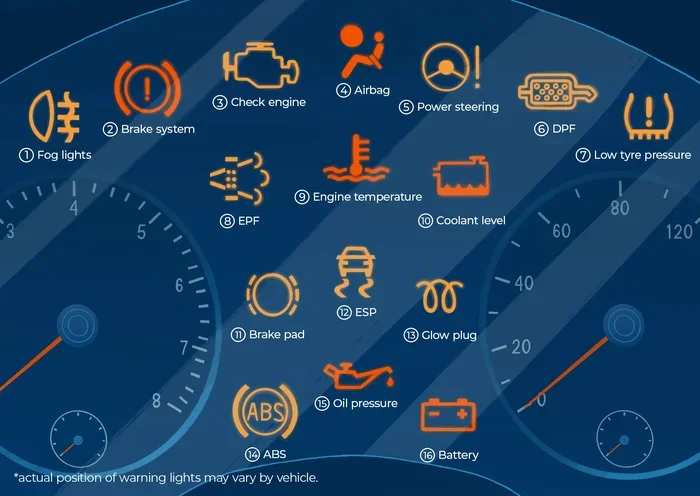
Your alternator is often called the car’s rechargeable power station. It converts mechanical energy from the engine into electrical energy. If your alternator is failing, your new battery will eventually drain because the alternator can’t keep it charged. Signs of a failing alternator include dimming headlights, a battery warning light on the dashboard, and electrical accessories working poorly.
The Role of the Solenoid
The solenoid is a small but mighty component. It sits between your battery and the starter motor. When you turn the key, the solenoid receives a small electrical signal and uses it to close a heavy electrical contact. This sends a large surge of power to the starter motor. A faulty solenoid breaks this chain, and your engine won’t crank even with a brand-new battery.
Comparison Table: New Battery vs. Other No-Start Causes
| Symptom | Most Likely Cause | DIY Fix Difficulty |
|---|---|---|
| No sound at all when turning key | Bad starter motor or solenoid | Moderate |
| Single click, engine doesn’t crank | Faulty solenoid or corroded terminals | Easy |
| Rapid clicking sound | Low battery voltage or bad ground strap | Easy |
| Engine cranks but won’t start | Fuel pump failure or no spark | Moderate to Hard |
| Dashboard lights don’t come on | Ignition switch or blown fuse | Easy to Moderate |
| Car starts then dies immediately | Parasitic draw or security system lockout | Moderate |
| Clicking after sitting overnight | Parasitic drain or defective new battery | Moderate |
This table gives you a quick reference to match your symptoms with the likely cause. Use it as a starting point for your diagnosis.
Key Takeaways
- A new battery doesn’t always fix a no-start problem: several other components in the starting system can be the real cause.
- Corroded terminals and loose connections are the easiest to check and the most common fix.
- A faulty starter motor or solenoid creates symptoms that mimic a bad battery even when the battery is brand new.
- Check your battery cables and ground strap thoroughly before replacing anything else.
- Security system glitches and parasitic draws are sneaky causes that often get overlooked.
- Follow a systematic diagnostic process to eliminate possibilities and find the real problem.
- Call a professional when basic checks don’t reveal the issue or when you notice dangerous signs like smoke or burning smells.
Conclusion
A car won’t start with a new battery doesn’t mean you bought a defective part. It means something else in the starting system needs attention. Whether it’s corroded terminals, a bad starter motor, a faulty ignition switch, or a security system glitch, the fix is almost always findable. You now have the knowledge to diagnose the problem step by step and apply the right solution.
Start with the simple checks. Clean your terminals. Inspect your cables. Listen for the starter. Work your way through the list systematically. Most of the time, the fix is something you can handle yourself with basic tools and a little patience. And if the problem turns out to be beyond a DIY fix, you’ll know exactly what to tell the mechanic, which saves you time and money.
Don’t let a no-start situation keep you stranded. Use the tips in this guide, tackle the problem with confidence, and get back behind the wheel. Your new battery deserves to do its job, and now you know exactly how to make sure it does.
Frequently Asked Questions
Why won’t my car start even with a new battery?
The problem is likely not the battery itself. Corroded terminals, a faulty starter motor, bad battery cables, or a security system glitch can all prevent your car from starting. Check these components first before assuming the new battery is defective.
What does it mean when my car clicks but won’t start with a new battery?
A clicking sound usually means your starter solenoid is receiving power but the starter motor isn’t engaging. This could be caused by a bad solenoid, a faulty starter motor, or insufficient battery voltage due to a loose or corroded connection.
Can a new battery be defective right out of the box?
Yes, it’s possible but rare. New batteries can sit on shelves for months and lose charge. If your new battery reads below 12.4 volts, try charging it fully before installing it. Also double-check that it’s the correct size and type for your vehicle.
How do I know if my starter motor is bad?
Signs of a bad starter include a single loud click when you turn the key, no sound at all, or a grinding noise. You can have a mechanic test the starter with a voltage drop test. If the starter draws too much current or doesn’t engage, it needs replacement.
What should I do if my car won’t start but the lights and radio work?
If your accessories work but the engine won’t crank, the issue is likely in the starting circuit specifically. Check the starter motor, solenoid, ignition switch, and the fuses related to the starting system. A parasitic draw test can also reveal if something is draining the battery.
How long should a new car battery last?
A quality car battery typically lasts three to five years. Extreme temperatures, short trips, and leaving accessories on can shorten that lifespan. Regular maintenance like cleaning terminals and testing voltage helps your battery last as long as possible.


One Comment