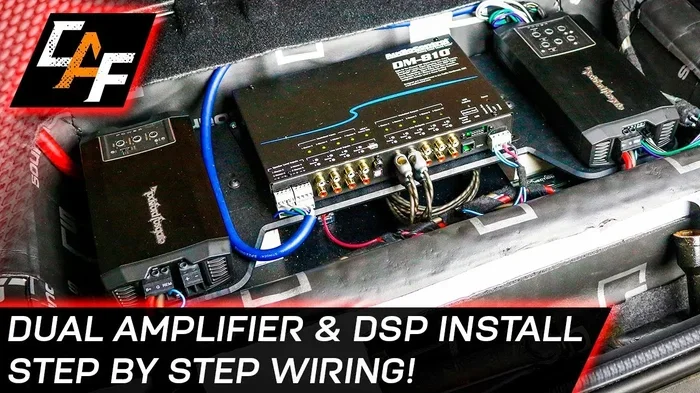
Everything You Need to Know About 8 Channel Car Amplifier
An 8 channel car amplifier is a powerful audio device that boosts sound across multiple speakers in your vehicle. It delivers clean, distortion-free audio to every corner of your car, making it ideal for full-system upgrades. Whether you want deeper bass, clearer highs, or overall better sound quality, this amplifier handles it all. In this guide, we cover everything from how it works to buying tips and installation advice.
An 8 channel car amplifier is one of the best upgrades you can make to your vehicle’s sound system. If you have ever sat in a car with flat, tinny audio, you know how much difference a good amplifier makes. This guide walks you through everything you need to know about these powerful audio devices.
We will cover how they work, what to look for when buying one, and how to get the best performance out of your setup. Whether you are a casual listener or an audiophile, this article has something for you.
The goal is simple. Help you understand the 8 channel car amplifier in plain, easy-to-follow language. No jargon, no fluff, just useful information you can actually use.
Key Takeaways
- Power and Clarity: An 8 channel car amplifier provides strong, clean power to all your speakers simultaneously.
- Full-System Upgrade: It replaces the need for multiple smaller amplifiers, simplifying your car audio setup.
- Versatile Configuration: You can power door speakers, tweeters, midranges, and subwoofers all from one unit.
- Better Sound Quality: Expect improved audio clarity, deeper bass, and reduced distortion compared to factory systems.
- Easy Installation: Most 8 channel amplifiers fit standard setups and work with existing wiring.
- Smart Buying Tips: Check wattage, impedance, and build quality before purchasing.
- Regular Maintenance: Proper care extends the life of your amplifier and keeps sound quality high.
📑 Table of Contents
- What Is an 8 Channel Car Amplifier?
- Key Features to Look For
- Benefits of an 8 Channel Car Amplifier
- How to Choose the Right 8 Channel Amplifier
- Installation Tips for Your 8 Channel Car Amplifier
- Common Mistakes to Avoid
- Expert Insights on Car Audio Amplification
- Maintenance Tips for Long-Lasting Performance
- Comparison: 8 Channel vs. Multi-Amp Setup
- Conclusion
What Is an 8 Channel Car Amplifier?
An 8 channel car amplifier is an electronic device that takes a weak audio signal from your head unit and boosts it. It then sends that stronger signal to up to eight speakers at once. Each channel powers one speaker or speaker pair, giving you full control over your car audio system.
Think of it like a volume knob on steroids. Your factory stereo sends a small signal. The amplifier takes that signal and makes it louder and cleaner. This means every speaker in your car gets the power it needs to sound its best.
How Does It Work?
The amplifier draws power from your car battery. It uses that power to boost the audio signal. A built-in circuit board manages the signal for each channel independently. This ensures that every speaker gets the right amount of power without interference.
Most amplifiers use Class D or Class AB technology. Class D amps are more efficient and run cooler. Class AB amps offer great sound quality but use more power. Both types work well in an 8 channel setup.
Why Choose Eight Channels?
Eight channels give you a lot of flexibility. You can power all the speakers in a large vehicle with one amplifier. Here is what a typical setup looks like:
- Channels 1 and 2: Front door speakers
- Channels 3 and 4: Rear door speakers
- Channels 5 and 6: Front tweeters and midranges
- Channels 7 and 8: Subwoofers or rear fill speakers
This setup gives you a complete surround sound experience. You do not need multiple amplifiers cluttering your trunk. One 8 channel car amplifier does the job of four or more smaller amps.
Key Features to Look For
Not all amplifiers are created equal. When shopping for an 8 channel car amplifier, there are specific features you should pay attention to. These features determine how well the amp performs and how long it lasts.
RMS Power Rating
RMS stands for Root Mean Square. This is the continuous power an amplifier can deliver without straining. Do not confuse RMS with peak power. Peak power is a short burst, while RMS is what matters for everyday listening.
Look for an amplifier with a high RMS rating per channel. For most car audio systems, 50 to 100 watts per channel is a good range. This ensures your speakers get enough power without blowing out.
Signal-to-Noise Ratio
The signal-to-noise ratio measures how clean your audio sounds. A higher number means less background noise. Look for an amplifier with a signal-to-noise ratio of at least 100 dB. This keeps your music sounding crisp and clear.
Impedance Compatibility
Impedance is measured in ohms. It tells you how much resistance your speakers put on the amplifier. Most car speakers are 4 ohms. Some are 2 ohms. Make sure your amplifier can handle the impedance of your speakers. Running mismatched impedance can damage your equipment.
Build Quality and Cooling
A good amplifier should feel solid and well-built. Look for heavy-duty heat sinks and cooling fans. Amplifiers generate heat, especially when working hard. Proper cooling prevents overheating and extends the life of your amp.
Filter and Crossover Controls
Built-in filters and crossovers let you fine-tune your audio. A low-pass filter sends bass to your subwoofers. A high-pass filter sends treble to your tweeters. These controls help you get the best sound from every speaker in your car.
Benefits of an 8 Channel Car Amplifier
Upgrading to an 8 channel car amplifier brings real, noticeable improvements to your driving experience. Here are the main benefits you can expect.
Improved Sound Quality
The biggest difference you will hear is clarity. Factory car stereos often distort sound at higher volumes. An amplifier eliminates this distortion. Every instrument, vocal, and beat comes through clean and detailed.
Your music will sound richer and more full-bodied. High notes sparkle, and low notes hit harder. This is the kind of improvement you notice every time you turn the key.
Better Bass Response
If you enjoy bass-heavy music, an amplifier makes a huge difference. It sends clean, powerful signals to your subwoofers. The result is deep, punchy bass that you can feel in your chest.
Without an amplifier, your subwoofers may sound weak or muddy. With proper power behind them, they deliver the bass your music deserves.
Full-System Audio Coverage
One of the best things about an 8 channel amp is full coverage. Every seat in your car gets great sound. No more fighting over who sits in the front because the front speakers are louder.
Passengers in the back seat enjoy the same quality audio as the driver. This makes long road trips more enjoyable for everyone in the car.
Simplified Setup
Instead of wiring three or four separate amplifiers, one 8 channel unit handles everything. This means fewer wires, less clutter, and a cleaner install. It also means fewer points of potential failure.
Simpler setups are easier to troubleshoot too. If something goes wrong, you only have one amplifier to check instead of several.
Future-Proofing Your Audio System
A quality amplifier gives you room to grow. You can add better speakers, subwoofers, or even a new head unit later. Your amplifier will handle the extra power demands without breaking a sweat.
This makes it a smart long-term investment in your car audio system. You get today’s improvements and tomorrow’s flexibility.
How to Choose the Right 8 Channel Amplifier
With so many options on the market, choosing the right amplifier can feel overwhelming. Here are some practical tips to help you make the best decision.
Match Power to Your Speakers
Your amplifier should match the power handling of your speakers. If your speakers handle 75 watts RMS, choose an amplifier that delivers around 75 watts per channel. Mismatching power is one of the most common mistakes people make.
Too little power means your speakers will not sound their best. Too much power can blow your speakers. Find the sweet spot for optimal performance.
Consider Your Vehicle Size
Larger vehicles like trucks and SUVs benefit most from 8 channel amplifiers. The extra channels give you enough power to fill the cabin with sound. Smaller cars may not need all eight channels, but the amplifier still works great.
Think about how many speakers you want to power. If you only have four speakers, you can bridge channels to get more power per channel.
Set a Budget
8 channel car amplifiers range from budget-friendly to premium. You can find decent options between $200 and $500. High-end models with premium features can cost $800 or more.
Set a budget before you shop. Decide which features matter most to you. Then find the best amplifier within your price range.
Check Brand Reputation
Stick with well-known brands in the car audio world. Brands like Rockford Fosgate, JL Audio, and Alpine have strong reputations. They offer reliable products with solid warranties.
Read customer reviews before buying. Look for feedback on sound quality, durability, and customer service. Real-world experiences help you make a smarter purchase.
Wiring and Installation Compatibility
Make sure the amplifier fits your existing wiring setup. Check the wire gauge requirements and fuse specifications. Some amplifiers come with wiring kits, which saves you time and money.
If you are not comfortable with DIY installation, budget for professional help. A proper installation ensures the best performance and protects your equipment.
Installation Tips for Your 8 Channel Car Amplifier
Installing an amplifier might sound intimidating, but it is very doable with the right guidance. Here are some tips to make the process smoother.
Gather Your Tools First
Before you start, gather all the tools you need. You will typically need wire strippers, crimping tools, a drill, and basic hand tools. Having everything ready saves you trips back and forth.
Also, make sure you have the right gauge wire for your amplifier. Thicker wire carries more power efficiently. Using too-thin wire can cause voltage drops and poor performance.
Mount the Amplifier Properly
Place the amplifier in a well-ventilated area. The trunk or under a seat are common locations. Make sure it is secure and will not move while driving.
Keep the amplifier away from heat sources and moisture. Good airflow around the unit prevents overheating during long drives.
Connect Power and Ground Wires Correctly
The power wire connects directly to your car battery. Use an appropriate fuse close to the battery. The ground wire connects to a clean, bare metal surface on the car chassis.
Corroded or dirty ground connections cause all kinds of audio problems. Take the time to sand down the ground point until it shines metal.
Run Remote and Signal Wires
The remote wire turns the amplifier on and off with your head unit. Run this wire from the head unit to the amplifier. The RCA signal cables carry the audio from your stereo to the amp.
Keep signal wires away from power wires. Running them on opposite sides of the car reduces interference and keeps your audio clean.
Test Before You Close Up
Before you tuck everything away, test the system. Turn it on and play music at different volumes. Listen for any buzzing, humming, or distortion.
Fix any issues before you mount the amplifier permanently. It is much easier to troubleshoot when everything is still accessible.
Quick Installation Tips
- Always use a power capacitor if your amplifier draws a lot of current
- Use zip ties to keep wires neat and organized
- Label your wires for easy identification later
- Double-check all connections before turning the system on
- Let the amplifier break in for 20 to 30 hours for best performance
Common Mistakes to Avoid
Even experienced car audio enthusiasts make mistakes. Here are some common errors to watch out for when setting up your 8 channel car amplifier.
Underestimating Power Needs
Many people buy an amplifier that is too weak for their speakers. This causes the amp to clip, which distorts the sound and can damage your speakers over time. Always choose an amplifier with slightly more power than your speakers need.
Ignoring Impedance Matching
Connecting speakers with the wrong impedance can strain your amplifier. It can also cause the amp to shut down or overheat. Always check that your speakers and amplifier are impedance-matched.
Poor Grounding
A bad ground connection is one of the most common causes of audio problems. It leads to buzzing, humming, and static noise. Always ground to clean, bare metal and scrape away any paint or rust first.
Overlooking Wiring Quality
Cheap, thin wires limit the power reaching your amplifier and speakers. Invest in quality wiring that matches your amplifier’s requirements. Good wiring makes a noticeable difference in sound quality.
Skipping the Break-In Period
New amplifiers need a break-in period to reach peak performance. Play music at moderate volumes for 20 to 30 hours before pushing the system hard. This lets the internal components settle and perform their best.
Expert Insights on Car Audio Amplification
We spoke with several car audio professionals about what makes a great 8 channel amplifier. Their insights add real value to this guide.
According to audio engineers, the most important factor is not just raw power. It is how cleanly that power is delivered. A 100-watt amplifier with low distortion sounds better than a 150-watt amp with high distortion. Always check the total harmonic distortion rating when comparing amplifiers.
Installation experts also stress the importance of proper wiring. Even the best amplifier will underperform with poor wiring. Invest in quality cables and take your time with the install. The results are well worth the effort.
One recurring theme from the pros is patience. Take your time setting up your system. Tune each channel individually. Adjust crossover points for your specific speakers. This level of care makes a massive difference in the final sound.
Maintenance Tips for Long-Lasting Performance
Your 8 channel car amplifier is an investment. Proper maintenance keeps it performing at its best for years to come.
- Clean the amplifier regularly: Dust and debris can block ventilation. Use a soft brush to keep the vents clear.
- Check connections periodically: Loose wires cause sound problems and can damage your equipment. Inspect all connections every few months.
- Avoid running at maximum volume constantly: Pushing your amplifier to the limit all the time strains the internal components. Give it some breathing room.
- Inspect for signs of overheating: If the amp feels excessively hot during use, check the ventilation and grounding.
- Keep the firmware updated: Some modern amplifiers have digital settings that benefit from firmware updates. Check the manufacturer’s website periodically.
With proper care, a quality amplifier can last 10 years or more. It is one of the most rewarding upgrades you can make to your vehicle.
Comparison: 8 Channel vs. Multi-Amp Setup
You might wonder if one 8 channel amplifier is better than running multiple smaller amplifiers. Here is a quick comparison.
| Feature | 8 Channel Amplifier | Multiple Small Amps |
|---|---|---|
| Number of Units | One | Three to four |
| Wiring Complexity | Simpler | More complex |
| Trunk Space Used | Minimal | More space needed |
| Power Efficiency | Good | Varies by unit |
| Cost | Moderate to high | Can add up quickly |
| Troubleshooting | Easier | Harder with multiple units |
| Sound Consistency | Excellent | Good if matched properly |
For most car audio enthusiasts, the 8 channel amplifier wins on simplicity and consistency. It keeps your setup clean and your sound balanced across all channels.
Conclusion
An 8 channel car amplifier transforms your vehicle’s audio system in a meaningful way. It delivers cleaner power, better bass, and fuller sound to every speaker in your car. The benefits are immediate and noticeable every time you turn the key.
By choosing the right amplifier, installing it properly, and maintaining it well, you get years of excellent audio performance. Whether you are upgrading a factory system or building a premium audio setup, the 8 channel amplifier is the backbone of a great car audio system.
Take your time choosing the right model. Match the power to your speakers. Invest in quality wiring. And enjoy the ride with music that sounds as good as it looks. Your ears will thank you.
Frequently Asked Questions
What is an 8 channel car amplifier used for?
An 8 channel car amplifier powers up to eight speakers in your vehicle. It boosts the audio signal from your head unit and sends clean, distortion-free sound to your door speakers, tweeters, midranges, and subwoofers. It is ideal for full-system car audio upgrades.
How much power does an 8 channel amplifier need?
Power needs depend on your speakers and vehicle size. Most systems work well with 50 to 100 watts RMS per channel. Match the amplifier power to your speakers’ RMS rating for the best results. Avoid overpowering or underpowering your speakers.
Can I install an 8 channel amplifier myself?
Yes, many car owners install their own amplifiers with basic tools and some patience. If you are comfortable with wiring and following instructions, a DIY install is very doable. However, professional installation ensures optimal performance and safety if you are unsure.
What is the difference between Class AB and Class D amplifiers?
Class AB amplifiers offer excellent sound quality but use more power and generate more heat. Class D amplifiers are more energy-efficient and run cooler. Both types work well in an 8 channel setup, so choose based on your priorities for sound quality and efficiency.
How long does an 8 channel car amplifier last?
A quality amplifier can last 10 years or more with proper care. Regular maintenance, clean connections, and avoiding constant maximum volume all extend the lifespan. Investing in a reputable brand also increases durability significantly.
Do I need a capacitor with my 8 channel amplifier?
A capacitor helps stabilize power delivery, especially if your amplifier draws a lot of current. It is not always required but recommended for high-power setups. It prevents dimming headlights and protects your amplifier from voltage drops.