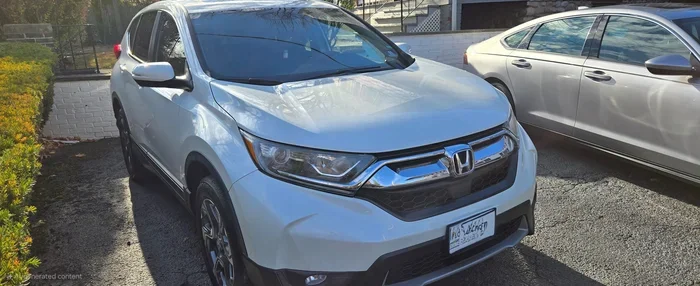
Everything You Need to Know About a 5 Year Old Car Today
A 5 year old car sits in a sweet spot between affordability and reliability. Most vehicles lose significant value in their first five years, making this age a prime time to buy or sell. Whether you are considering a purchase or already own one, understanding maintenance needs, insurance costs, and resale value is essential for making the best decision.
Thinking about a 5 year old car? You are not alone. Millions of buyers each year turn to vehicles that are a few years old instead of brand-new ones. There is a good reason for this. A 5 year old car offers a great balance of price, reliability, and modern features. By the time a vehicle hits five years, it has already gone through the steepest part of its depreciation curve. This means you can save thousands of dollars compared to buying new.
But owning a 5 year old car comes with its own set of questions. How much maintenance does it need? What is the resale value? Is the insurance cheaper? These are all valid concerns, and this guide will walk you through every one of them. Whether you want to buy, sell, or simply understand your current vehicle better, you are in the right place. Let us dive into everything you need to know about a 5 year old car today.
Key Takeaways
- Depreciation slows down: A 5 year old car has already lost much of its steepest value drop, making it a smart financial choice.
- Maintenance matters most: Staying on top of scheduled services keeps a 5 year old car running smoothly for years to come.
- Insurance costs drop: Older vehicles typically have lower premiums compared to brand-new models.
- Resale value is still strong: A well-maintained 5 year old car holds its value better than you might expect.
- Buying used saves money: You avoid the biggest depreciation hit by purchasing a pre-owned vehicle at this age.
- Check the vehicle history: Always request a full report before buying any used car, especially one that is five years old.
📑 Table of Contents
What Happens to a Car After 5 Years
Every vehicle goes through a natural aging process. Understanding this process helps you make smarter decisions about a 5 year old car. The first five years are the most dramatic in a car’s life.
The Depreciation Curve
New cars lose value fast. In the first year alone, a vehicle can drop 15% to 20% in value. By year five, most cars have lost about 40% to 50% of their original price. This is where the magic happens for buyers. A 5 year old car has already absorbed the biggest depreciation hit. From here, the value drops much more slowly. This makes the used car market at the five-year mark incredibly attractive.
Wear and Tear Realities
A 5 year old car has typically been driven between 50,000 and 75,000 miles. At this point, major components like the engine and transmission are still in good shape. However, smaller parts start showing wear. Brake pads, tires, and suspension components may need attention. Regular maintenance becomes even more important as the vehicle ages. Staying on top of these small fixes prevents bigger, costlier problems down the road.
Technology and Safety Features
Here is a big plus. A 5 year old car still has modern technology. Most vehicles from the last five years include backup cameras, blind-spot monitoring, and touchscreen infotainment systems. You do not have to sacrifice safety or convenience when you buy a pre-owned vehicle at this age. The technology gap between a brand-new car and a 5 year old car is much smaller than it used to be.
Maintenance You Need at the 5-Year Mark
Keeping a 5 year old car in top shape requires a solid maintenance routine. Let us break down what needs attention and when.
Essential Services at Five Years
At the five-year mark, your vehicle needs several key services. Here is a checklist of what to prioritize:
- Timing belt or chain inspection: Many manufacturers recommend replacing the timing belt around 60,000 to 100,000 miles. Check your owner’s manual for the exact interval.
- Brake fluid flush: Brake fluid absorbs moisture over time. Flushing it every two years keeps your braking system safe and responsive.
- Coolant system service: The cooling system prevents overheating. A flush at the five-year mark protects the engine and radiator.
- Transmission fluid change: Clean transmission fluid keeps shifts smooth and extends the life of the transmission.
- Tire rotation and alignment: Regular rotations ensure even wear. Alignment checks prevent the car from pulling to one side.
Common Repairs for a 5 Year Old Car
Even with good care, a 5 year old car may need some repairs. Here are the most common ones:
- Battery replacement: Car batteries typically last three to five years. If your vehicle is around five years old, the battery may need swapping soon.
- Tire replacement: Tires wear out over time, even with good tread depth. Check the manufacture date on the sidewall.
- Suspension parts: Shock absorbers and struts wear down over time. A bumpy ride is often the first sign.
- Rubber bushings and seals: These small parts dry out and crack with age. They affect ride comfort and can cause leaks.
DIY vs. Professional Maintenance
Some maintenance tasks you can handle yourself. Oil changes, air filter replacements, and windshield wiper swaps are straightforward. But more complex jobs like timing belt replacements or transmission services are best left to professionals. Always refer to your vehicle’s maintenance schedule for guidance. Following the manufacturer’s recommendations protects your warranty and keeps the car running reliably.
How Much Is a 5 Year Old Car Worth
Understanding the value of a 5 year old car helps you negotiate better deals. Whether you are buying or selling, knowing the market matters.
Factors That Affect Value
Several things determine how much a 5 year old car is worth:
- Mileage: Lower mileage generally means higher value. A car with 40,000 miles will cost more than one with 80,000 miles.
- Condition: Interior and exterior condition play a big role. A well-kept vehicle commands a premium price.
- Service history: A complete maintenance record builds trust with buyers. It shows the car has been cared for properly.
- Market demand: Popular models hold value better. Trucks, SUVs, and fuel-efficient cars tend to stay in demand.
- Accident history: Any past accidents significantly reduce value. Always get a vehicle history report before buying.
Average Depreciation at Five Years
On average, a 5 year old car retains about 40% to 55% of its original value. This varies by brand and model. Luxury brands tend to depreciate faster. Reliable brands like Toyota and Honda hold value much better. Here is a quick comparison:
- Toyota Camry: Retains about 50% of original value at five years.
- Honda Civic: Holds around 48% of its original price.
- Ford F-150: Depreciates to roughly 45% of original value.
- Luxury sedan: May drop to 35% or lower by year five.
How to Get the Best Price
If you are selling, clean the car inside and out. Fix any minor issues first. Gather all service records and the vehicle title. Use online tools like Kelley Blue Book or Edmunds to set a fair price. If you are buying, research the fair market value before negotiating. A vehicle history report gives you leverage in price discussions.
Buying vs. Selling a 5 Year Old Car
Deciding whether to buy or sell a 5 year old car depends on your situation. Both options have clear advantages.
Reasons to Buy a 5 Year Old Car
Buying a pre-owned vehicle at the five-year mark is a smart financial move. Here is why:
- Lower purchase price: You save thousands compared to a brand-new model.
- Slower depreciation: The steepest value drop is already behind the car.
- Modern features: Safety and tech features from recent years are still current.
- Lower insurance premiums: Insurers value older cars less, so your rates drop.
- Proven reliability: Five years of real-world data shows how the model performs over time.
Reasons to Sell a 5 Year Old Car
Selling at the five-year mark also makes sense for many owners:
- Strong resale market: Buyers actively seek out 5 year old cars for their value proposition.
- Still reliable: Most vehicles at this age are in excellent mechanical condition.
- Upgrade opportunity: Selling lets you put equity toward a newer or different model.
- Lower selling costs: Older cars cost less to list and less to insure while waiting for a buyer.
Which Option Fits You Best?
If you want to minimize long-term costs, buying a 5 year old car is hard to beat. If you want the latest technology and the newest warranty, selling and upgrading might be the better path. Consider your budget, driving habits, and how long you plan to keep the vehicle. Both options have strong merits, so choose based on your personal needs.
Insurance and Ownership Costs for a 5 Year Old Car
Owning any vehicle involves ongoing costs. A 5 year old car tends to be more affordable to run than a new one. Let us look at the numbers.
Insurance Rates
Insurance companies base premiums on the vehicle’s value. Since a 5 year old car is worth less, your coverage costs drop. Comprehensive and collision coverage become especially affordable. You may even consider dropping full coverage if the car’s value is low enough. Always compare quotes from multiple providers to find the best rate.
Fuel and Maintenance Costs
A well-maintained 5 year old car is generally fuel-efficient. Modern engines are designed to last well beyond 100,000 miles. Maintenance costs remain reasonable at this age. The biggest expenses you will face are routine services and occasional part replacements. Staying proactive with maintenance keeps costs predictable and manageable.
Registration and Taxes
Registration fees and property taxes are often based on the vehicle’s current value. A 5 year old car costs less to register than a new one. This adds up to meaningful savings over several years of ownership. Check your local DMV for exact fee schedules.
Is a 5 Year Old Car Worth Buying
The short answer is yes. A 5 year old car offers excellent value for most buyers. But there are a few things to keep in mind before you make the purchase.
What to Look for When Buying
Before you commit to a 5 year old car, follow these steps:
- Get a vehicle history report: Services like Carfax or AutoCheck reveal accident history, title status, and service records.
- Request a pre-purchase inspection: A trusted mechanic can spot hidden issues that are not visible on the surface.
- Test drive thoroughly: Pay attention to how the car handles, brakes, and accelerates. Listen for unusual sounds.
- Check the maintenance records: A complete service history tells you the previous owner cared for the vehicle.
- Compare prices: Look at multiple listings for the same model to understand the fair market price.
Models Known for Longevity
Some vehicles are built to last well past the 100,000-mile mark. When shopping for a 5 year old car, consider these reliable brands and models:
- Toyota Camry: Known for durability and low maintenance costs.
- Honda Accord: Offers strong resale value and proven reliability.
- Mazda3: A fun-to-drive compact with excellent build quality.
- Chevrolet Tahoe: A dependable full-size SUV with strong longevity.
- Ford F-150: The best-selling truck in America, built for lasting performance.
When a 5 Year Old Car Might Not Be the Right Choice
There are situations where a newer vehicle makes more sense. If you need the latest safety technology, a newer model might be better. If you want the full manufacturer warranty, buying new is the way to go. Also, if you plan to keep the car for only a year or two, the depreciation savings of a 5 year old car matter less. Always match your purchase to your specific needs and timeline.
Final Thoughts on a 5 Year Old Car
A 5 year old car represents one of the best values in the automotive market. The steep depreciation has already happened. The vehicle still has modern features and reliable performance. Whether you are buying or selling, understanding the ins and outs of this age group puts you in a strong position.
Stay on top of maintenance. Know the fair market value. Get a full history report before buying. These simple steps protect your investment and keep your car running strong for years to come. A 5 year old car can serve you well for another five, ten, or even fifteen years with the right care and attention.
The key is to be informed and proactive. Do your research before making any decision. A well-chosen 5 year old car can deliver thousands of dollars in savings while still offering the reliability and features you need. It is a smart choice for buyers who value both quality and practicality.
Frequently Asked Questions
How much should I pay for a 5 year old car?
The fair price depends on the make, model, mileage, and condition. On average, a 5 year old car costs between 40% and 55% of its original price. Use online valuation tools and compare multiple listings to ensure you are getting a fair deal.
Is a 5 year old car still under warranty?
Most new car warranties last three years or 36,000 miles. By year five, the factory warranty has likely expired. However, some manufacturers offer powertrain warranties that extend to five years or 60,000 miles. You can also purchase a warranty extension for added peace of mind.
What is the average mileage for a 5 year old car?
The average annual mileage in the United States is about 12,000 to 15,000 miles. A 5 year old car typically has between 60,000 and 75,000 miles. Lower mileage is always better, but a well-maintained vehicle at higher mileage can still be a great purchase.
Are 5 year old cars reliable?
Yes, most 5 year old cars are highly reliable. Modern vehicles are engineered to last well beyond 200,000 miles. Brands like Toyota and Honda are especially known for long-term reliability. Regular maintenance plays a huge role in keeping any vehicle dependable.
Should I buy a 5 year old car with high mileage?
High mileage is not always a bad thing. A car that has been driven regularly and maintained well is often in better shape than one that sat unused. Focus on the maintenance history and overall condition rather than the mileage number alone.
How does owning a 5 year old car affect my insurance?
Insurance premiums are typically lower for older vehicles. The car’s reduced value means less risk for the insurer. You may also qualify for discounts based on safety features still present in a 5 year old car. Always compare quotes to find the best coverage at the lowest price.
=== CONCLUSION ===
A 5 year old car is one of the smartest purchases you can make in the automotive world. It offers a unique combination of affordability, reliability, and modern features that newer models simply cannot match at the same price point. The steep depreciation curve has already flattened out, meaning your investment holds its value much better than a brand-new vehicle would.
Whether you are in the market to buy or thinking about selling, understanding the dynamics of a 5 year old car gives you a clear advantage. Stay on top of maintenance, know your numbers, and always do your homework before making a decision. With the right approach, a 5 year old car can serve you reliably for many more years to come. Take the time to research, inspect, and compare. Your perfect vehicle at this age is out there waiting for you.