Do Maseratis Have Ferrari Engines or Are They Different
So, do Maseratis have Ferrari engines? The short answer is no — modern Maseratis do not use Ferrari engines. While the two Italian luxury brands once shared powertrains under the same corporate umbrella, today each brand uses its own distinct engine technology. Understanding this difference is essential for anyone researching Maserati models, comparing Italian sports cars, or evaluating engine reliability and performance.
You have probably seen a Maserati on the road and thought, “That looks just like a Ferrari.” Maybe you have even wondered whether Maseratis actually use Ferrari engines under the hood. It is a fair question. Both brands come from Italy. Both scream with exotic engine sounds. Both sit in the luxury sports car category. But the truth about their engines is more complicated — and more interesting — than most people realize.
The relationship between Maserati and Ferrari has changed dramatically over the years. At one point, these two Italian icons actually shared engines. Today, they are completely separate when it comes to powertrains. If you are considering buying a Maserati or just love learning about car engines, understanding this history and the current state of affairs is essential.
In this guide, we will answer the question “Do Maseratis Have Ferrari Engines?” once and for all. We will explore the shared history, look at how Maserati engines work today, compare them side by side with Ferrari engines, and help you understand what all of this means for your next car purchase. Let us dive in.
Key Takeaways
- Maseratis do not use Ferrari engines today: Each brand now operates independently with its own powertrain technology.
- Historical connection exists: Maseratis and Ferraris shared engines during the Fiat era from the 1990s through the 2010s.
- Maserati uses twin-turbo V6 and V8 engines: These are designed in-house or derived from Stellantis/Fiat platforms.
- Ferrari builds its own engines: Ferrari designs and manufactures all its engines independently, including V8 and V12 configurations.
- Engine performance differs significantly: Ferrari engines prioritize raw speed, while Maserati engines focus on luxury touring.
- Maintenance matters: Understanding engine differences helps Maserati owners plan better car maintenance and service schedules.
- Buyers should compare both brands: Knowing the engine differences helps you make an informed decision when choosing between these Italian luxury sports cars.
📑 Table of Contents
- The Short Answer: Do Maseratis Have Ferrari Engines?
- A Brief History of Maserati and Ferrari’s Connection
- How Maserati Engines Work Today
- Ferrari Engines: What Makes Them Special
- Comparing Maserati and Ferrari Engine Performance
- What This Means for Maserati Owners and Buyers
- Key Takeaways
- Conclusion
The Short Answer: Do Maseratis Have Ferrari Engines?
The direct answer is no. Modern Maseratis do not use Ferrari engines. Maserati builds its own powertrains today, and Ferrari does the same. However, this was not always the case. For nearly two decades, Maseratis actually did use engines that were closely related to Ferrari engines. This shared history is what causes so much confusion.
Today, Maserati uses a range of twin-turbo V6 and V8 engines that are developed under the Stellantis umbrella (the parent company that also owns Fiat, Chrysler, and Alfa Romeo). Ferrari, on the other hand, designs and manufactures all of its engines independently. These engines power every Ferrari model, from the entry-level Roma to the track-focused SF90 Stradale.
So if you are shopping for a luxury sports car and engine origin matters to you, rest easy knowing that Maserati and Ferrari engines are distinct products today. But the story does not end there. Let us look at how we got here.
A Brief History of Maserati and Ferrari’s Connection
How the Two Brands Became Linked
To understand why people ask whether Maseratis have Ferrari engines, you need to know a bit of history. In 1993, Fiat acquired Maserati. At the time, Fiat also had a significant stake in Ferrari. This meant that both Italian luxury brands fell under the same corporate roof. And when two brands share a parent company, sharing parts and engines is a natural next step.
Starting in the early 2000s, Maserati began using engines that were closely derived from Ferrari powertrains. The Maserati Quattroporte, for example, used a Ferrari-sourced V8 engine. The Maserati GranTurismo also borrowed Ferrari engine architecture. For car enthusiasts, this was exciting news. A Maserati with a Ferrari engine sounded like a dream come true.
This arrangement lasted for many years. During this time, Maserati benefited from Ferrari’s engineering expertise. Ferrari gained a revenue stream from licensing its engines. And fans of both brands got to enjoy the Italian luxury experience at slightly different price points.
When Did the Split Happen?
The separation began in 2015 when Fiat Chrysler Automobiles (FCA) took full ownership of Ferrari and spun it off as a separate public company. This was a major corporate event. Ferrari became its own independent entity. Maserati stayed within FCA, which later became Stellantis.
After the split, Maserati started developing its own engines. The last Maserati model to use a Ferrari-derived engine was the Maserati Quattroporte (last generation). Once Stellantis took full control, Maserati shifted to its own powertrain lineup. Today, the connection between Maserati and Ferrari engines is purely historical.
Why This History Still Matters
Even though the split happened years ago, the legacy lives on. Many people still associate Maserati with Ferrari engines. This is especially true for older models from the 2000s and 2010s. If you are buying a used Maserati, knowing whether it has a Ferrari-derived engine or a modern Maserati engine matters for car maintenance and parts sourcing.
How Maserati Engines Work Today
The Current Maserati Engine Lineup
Today, Maserati offers a range of engines that are built in-house or developed in partnership with Stellantis and its other brands. Here is a quick look at what is currently under the hood of Maserati models:
- 2.0L Twin-Turbo Inline-4: Found in the Maserati Grecale. This engine produces around 300 horsepower and delivers a good balance of performance and efficiency.
- 3.0L Twin-Turbo V6: Used in the Maserati Levante and Ghibli. This engine is a Stellantis design and produces between 424 and 523 horsepower depending on the variant.
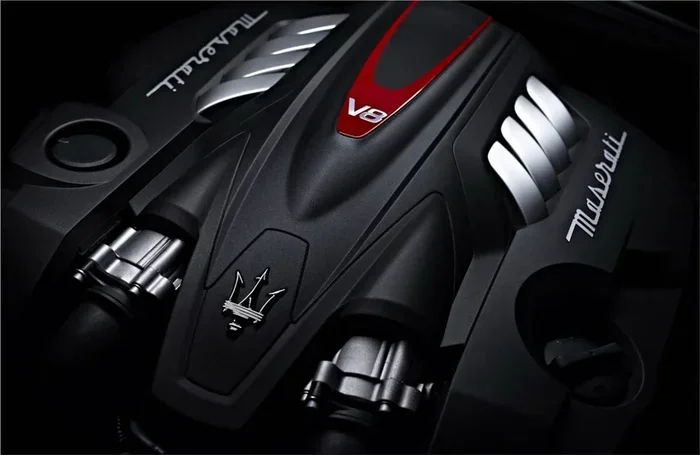
- 3.8L Twin-Turbo V8: The flagship engine in the Maserati Quattroporte and GranTurismo. It produces up to 523 horsepower and delivers a smooth, powerful driving experience.
All of these engines are developed and manufactured by Stellantis. They share some architecture with engines found in Chrysler, Dodge, and Alfa Romeo vehicles. This is a completely different approach from how Ferrari builds its engines.
What Makes Maserati Engines Unique?
Maserati engines are tuned for a specific character. They prioritize smooth power delivery and luxury touring comfort. The engine sound is deep and refined, but it is not as aggressive as a Ferrari engine. Maserati engines are designed to make long drives feel effortless. They are about grand touring, not track days.
The twin-turbo V6 in particular has become a signature for Maserati. It offers a great mix of performance and refinement. The twin-turbo V8 provides the brute force needed for the larger Maserati sedans and SUVs. Both engine types are reliable when properly maintained.
Engine Maintenance Tips for Maserati Owners
If you own a Maserati, keeping your engine in top shape is important. Here are some quick tips:
- Follow the manufacturer’s oil change schedule strictly. Use the recommended grade of synthetic oil.
- Check the coolant system regularly. Maserati engines run hot and need proper cooling.
- Replace spark plugs at the recommended intervals to maintain engine performance.
- Listen for unusual engine sounds. Early detection of problems saves money on repairs.
- Keep up with regular service at a qualified Maserati specialist or dealership.
Ferrari Engines: What Makes Them Special
The Ferrari Engine Philosophy
Ferrari takes engine building to an entirely different level. Every Ferrari engine is designed and manufactured by Ferrari itself. The company does not outsource engine production. Each engine is a bespoke creation built for maximum performance and the iconic Ferrari driving experience.
Ferrari currently offers two main engine types:
- V8 Engines: Used in models like the Ferrari 488 and Roma. These are twin-turbo V8 engines that produce between 612 and 720 horsepower.
- V12 Engines: Found in the Ferrari Roma Spider and the flagship Ferrari 12Cilindri. These naturally aspirated V12 engines produce up to 740 horsepower and are among the most powerful naturally aspirated engines in the world.
Ferrari also offers hybrid powertrains in models like the Ferrari SF90 Stradale. These combine a V8 engine with electric motors for incredible performance and efficiency. No Maserati currently offers a hybrid powertrain.
Ferrari vs Maserati: Engine Building Approach
The difference in engine philosophy is clear. Ferrari builds engines specifically for each model. Every cylinder, every valve, every component is optimized for that particular car. Ferrari engines are hand-assembled by skilled technicians in Maranello, Italy. The process is meticulous and exclusive.
Maserati engines, by contrast, are built on shared Stellantis platforms. They are mass-produced in higher volumes. This makes them more affordable to produce and maintain, but they lack the bespoke nature of a Ferrari engine. Both approaches have their merits. It just depends on what you value in a luxury sports car.
Engine Sound and Driving Feel
One area where the difference is most noticeable is engine sound. A Ferrari engine is a symphony of mechanical perfection. The V8s scream with a high-pitched intensity. The V12s roar with a deep, flat-plane crank character that is instantly recognizable. The sound is part of the Ferrari brand identity.
Maserati engines sound different. They are smoother and more refined. The V6 has a pleasant, muted growl. The V8 is impressive but not as theatrical as a Ferrari. For many drivers, this refined character is actually a plus. It makes Maseratis better daily drivers. The engine noise does not overpower conversations or cause fatigue on long trips.
Comparing Maserati and Ferrari Engine Performance
Let us put the two side by side. How do Maserati engines really stack up against Ferrari engines in terms of raw performance and driving experience?
| Feature | Maserati | Ferrari |
|---|---|---|
| Engine Types | Inline-4, V6, V8 | V8, V12, Hybrid V8 |
| Engine Origin | Stellantis / In-House | Ferrari (Bespoke) |
| Horsepower Range | 300 – 523 hp | 612 – 740+ hp |
| Top Speed (Best Model) | ~190 mph | ~211 mph |
| 0-60 mph (Best Model) | ~3.5 seconds | ~2.1 seconds |
| Engine Sound Character | Smooth and Refined | Aggressive and Dramatic |
| Daily Driving Comfort | Excellent | Firm and Sporty |
| Hybrid Available | No | Yes (SF90 Stradale) |
| Engine Production | Shared Platform | Hand-Built in Maranello |
As you can see from the comparison, Ferrari engines deliver significantly more power and performance. They are built for speed and track capability. Maserati engines focus more on balance and luxury. They give you enough power to feel fast without sacrificing comfort.
For most buyers, the choice comes down to priorities. If you want the ultimate engine performance and the Ferrari badge, go with Ferrari. If you want a luxury sports car that is more livable on a daily basis, Maserati is a compelling choice. Both are excellent Italian brands with rich histories.
Which Engine Is Better for You?
This is a subjective question, but here are some guidelines:
- Choose a Maserati if: You want a luxury car that is comfortable for daily driving, you value refinement over raw speed, or you want a more affordable entry point into Italian luxury.
- Choose a Ferrari if: You want the ultimate driving experience, you crave extreme performance, you love the Ferrari brand heritage, or you plan to use the car primarily for weekend fun.
What This Means for Maserati Owners and Buyers
Buying a Used Maserati: What to Check
If you are shopping for a used Maserati, knowing the engine history is critical. Here are some things to keep in mind:
- Pre-2015 models may have Ferrari-derived engines. These engines are well-regarded but require specialized maintenance.
- Post-2015 models use Stellantis-built engines. These are more common and parts are easier to find.
- Check the service records. A well-maintained Maserati engine will last a long time regardless of its origin.
- Get a pre-purchase inspection from a qualified mechanic who is familiar with Italian luxury cars.
Common Maserati Engine Problems to Watch For
Like any luxury car, Maserati engines can develop issues over time. Here are some common problems to watch for:
- Oil leaks: Older Maseratis, especially those with Ferrari-derived engines, can develop oil leaks around the valve cover and oil pan gaskets.
- Turbo failures: The twin-turbo engines can experience turbo wastegate issues if not properly maintained.
- Coolant system problems: Maseratis are prone to coolant leaks, which can lead to overheating if not addressed quickly.
- Ignition coil failures: These are relatively common and can cause rough idling or misfires.
Regular maintenance is the best way to prevent these issues. Stick to the service schedule and use quality parts. This will keep your Maserati engine running strong for years.
Future of Maserati Engines
Maserati has announced plans to go fully electric by 2028. This means all future Maserati models will use electric powertrains instead of combustion engines. The Maserati Folgore is already an all-electric SUV that marks the beginning of this transition. Ferrari has also announced plans for hybrid and electric models, but the brand identity remains deeply tied to combustion engines.
This shift will change the landscape entirely. The question “Do Maseratis have Ferrari engines?” may become a purely historical question in the coming years. Both brands are moving toward electrification, but they will take different approaches. Ferrari will likely continue to focus on high-performance hybrid systems. Maserati will aim for accessible electric luxury.
Key Takeaways
- Modern Maseratis do not use Ferrari engines: Each brand now has its own distinct powertrain technology and philosophy.
- Historical sharing occurred from the 1990s to the 2010s: Several Maserati models used Ferrari-derived engines during this period.
- Maserati engines are tuned for luxury touring: They prioritize smoothness, refinement, and daily comfort over raw track performance.
- Ferrari engines are built for extreme performance: They are hand-assembled in Maranello and deliver significantly more power.
- Engine maintenance is crucial for both brands: Regular service keeps these luxury engines running reliably for years.
- The market is shifting toward electrification: Both Maserati and Ferrari are transitioning to electric and hybrid powertrains in the coming years.
- Knowing the engine differences helps you buy smarter: Whether you choose Maserati or Ferrari, understanding what is under the hood empowers you as a buyer and owner.
Conclusion
So, do Maseratis have Ferrari engines? The answer today is a clear no. While the two brands once shared powertrains under the Fiat corporate umbrella, they have been fully separated for nearly a decade now. Maserati builds its own engines using Stellantis platforms, and Ferrari designs and manufactures every engine independently in Italy.
Their engines share a common Italian DNA, but that is where the similarities end. Ferrari engines are raw, powerful, and hand-built for the ultimate driving experience. Maserati engines are refined, balanced, and tuned for comfortable long-distance touring. Both approaches have their merits, and both serve different types of buyers.
If you are in the market for an Italian luxury car, understanding these engine differences is a great starting point. It helps you set realistic expectations, plan for maintenance costs, and choose the right car for your lifestyle. Whether you fall in love with the Maserati V6 or the Ferrari V8, you are investing in a piece of automotive history.
The most important thing is to buy from a reputable source, stay on top of car maintenance, and enjoy the drive. Both Maserati and Ferrari represent the pinnacle of Italian automotive engineering. And knowing the difference between their engines only deepens your appreciation for what makes each brand special.
Frequently Asked Questions
Do any current Maserati models use Ferrari engines?
No. All current Maserati models use engines developed under the Stellantis umbrella. The last Maserati model to use a Ferrari-derived engine was the previous-generation Quattroporte. Today, Maseratis use their own twin-turbo V6 and V8 engines.
Why do people think Maseratis have Ferrari engines?
This misconception comes from the 1990s through the 2010s when Fiat owned both brands and Maseratis shared engines with Ferraris. Many popular Maserati models from that era, including the Quattroporte and GranTurismo, used Ferrari-derived V8 engines. The association stuck even after the corporate split.
Are Maserati engines reliable?
Maserati engines are generally reliable when properly maintained. Regular oil changes, timely spark plug replacements, and prompt attention to coolant issues go a long way. Post-2015 Maseratis with Stellantis-built engines benefit from shared parts availability, which can lower maintenance costs compared to older Ferrari-derived engines.
How much more powerful is a Ferrari engine compared to a Maserati engine?
Ferrari engines are significantly more powerful. A top-tier Ferrari V8 produces around 720 horsepower, while the most powerful Maserati V8 produces around 523 horsepower. The difference is even more pronounced when comparing Ferrari V12 engines to any Maserati engine. However, Maserati engines still deliver strong performance for a luxury car.
Can I use Ferrari parts on a Maserati with a Ferrari-derived engine?
For older Maseratis that used Ferrari-derived engines, some parts may be interchangeable. However, this depends on the specific model and engine variant. It is best to consult with a qualified Maserati or Ferrari specialist before mixing parts. Modern Maseratis use completely different engines and parts from Ferrari.
Will Maseratis ever use Ferrari engines again?
It is unlikely. Maserati is now fully integrated into the Stellantis group and develops its own engines. Ferrari operates independently and manufactures all its own powertrains. Both brands are also moving toward electrification, which further reduces the chances of any future engine sharing between them.