How Many Miles Does a 2020 Toyota Camry Get on a Full Tank
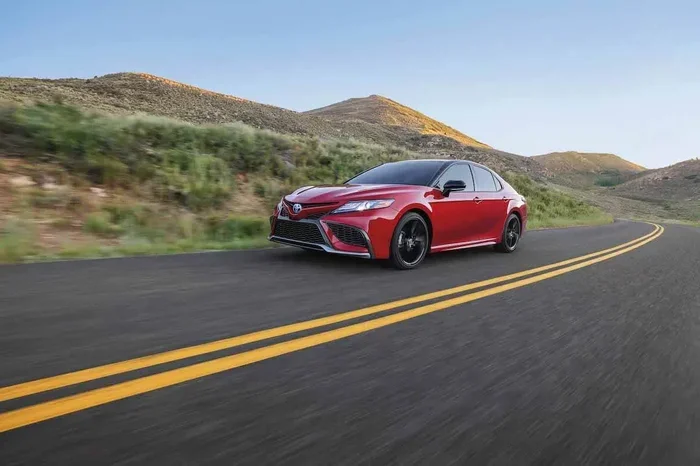
The 2020 Toyota Camry delivers an impressive EPA-estimated 28 to 32 MPG depending on the trim and engine, giving drivers a real-world range of roughly 440 to 550 miles on a full tank. Whether you drive the base L sedan or the hybrid XLE, understanding your Camry’s fuel economy helps you plan trips, save money, and avoid unexpected stops at the pump.
Key Takeaways
- Tank Size Matters: The 2020 Camry holds approximately 15.8 gallons, which directly impacts how far you can go before refueling.
- EPA Ratings Are Reliable: The base 4-cylinder engine earns 28 city / 39 highway MPG, while the hybrid achieves 44 city / 47 highway MPG.
- Real-World Range Varies: Driving habits, speed, terrain, and AC usage all affect actual mileage versus official estimates.
- Hybrid Models Go Further: The Camry Hybrid offers the best fuel economy in the lineup, making it ideal for long commutes and road trips.
- Simple Habits Boost MPG: Smooth acceleration, proper tire pressure, and removing excess weight can noticeably improve your Camry’s fuel efficiency.
- Maintenance Plays a Role: Regular oil changes and air filter replacements keep your Camry running at peak fuel economy.
- How Many Miles Does a 2020 Toyota Camry Get on a Full Tank?
- 2020 Toyota Camry Fuel Economy by Trim
- Understanding the Camry Gas Tank Size
- Real-World MPG: What Drivers Actually Experience
- Factors That Affect Your Camry’s Fuel Economy
- Tips to Maximize Your 2020 Camry’s Range
- How Does the 2020 Camry Compare to Competitors?
- How Far Can You Go on Empty?
- Final Thoughts
📑 Table of Contents
How Many Miles Does a 2020 Toyota Camry Get on a Full Tank?
The 2020 Toyota Camry remains one of the most popular sedans in America. Buyers love it for reliability, comfort, and strong fuel economy. But the real question most drivers ask is simple: how far can you go before you need to stop for gas?
Understanding your Camry’s range on a full tank helps you plan road trips, budget for fuel costs, and avoid those stressful moments when the low-fuel light flickers on. In this guide, we break down everything you need to know about 2020 Toyota Camry fuel economy, from official EPA ratings to real-world driving results.
The answer depends on several factors, including the engine type, driving conditions, and your personal habits behind the wheel. We will walk through each of these so you have a clear picture of what to expect. By the end, you will know exactly how many miles your Camry can travel and how to squeeze every last drop of fuel from the tank.
So let us dive in and explore the full picture of Camry gas mileage and range. Whether you drive the base model or the hybrid, this guide covers it all.
2020 Toyota Camry Fuel Economy by Trim
The 2020 Camry comes in several trims, each with different engine options. These engines directly affect how many miles per gallon you will see. Let us look at the numbers closely.
Base Engine: 2.5-Liter 4-Cylinder
The standard engine on most 2020 Camry trims is a 2.5-liter 4-cylinder. This engine produces about 203 horsepower and pairs with an 8-speed automatic transmission. The EPA estimates 28 MPG in the city and 39 MPG on the highway for this configuration.
With a full tank of 15.8 gallons, this means a theoretical range of about 440 miles in the city and 616 miles on the highway. Of course, real-world numbers will be lower, but these figures give you a solid baseline.
If you drive mostly around town, expect closer to 30 to 33 MPG in daily driving. Highway cruising at steady speeds often pushes the number toward 36 to 40 MPG. This is where the Camry really shines for commuters and road trippers alike.
XSE and XLE Trims: 2.5-Liter Engine
The sportier XSE and more upscale XLE trims also use the same 2.5-liter engine. Fuel economy numbers are essentially the same as the base trim. The difference lies in features, styling, and ride comfort rather than fuel consumption.
Some drivers report slightly lower MPG on XSE trims due to firmer suspension tuning and slightly different aerodynamics. But the difference is minimal, usually within 1 to 2 MPG.
Camry Hybrid: The Fuel Economy Champion
The 2020 Camry Hybrid takes fuel economy to another level. It pairs a 2.5-liter 4-cylinder engine with an electric motor to deliver an impressive 44 MPG in the city and 47 MPG on the highway.
On a full 15.8-gallon tank, the hybrid version can theoretically travel up to 690 miles on the highway. In city driving, you can still expect around 695 miles of range. These numbers make the hybrid Camry one of the most efficient sedans in its class.
For those who drive long distances regularly, the hybrid option pays for itself over time through fuel savings. The combined MPG rating of the hybrid sits around 45 MPG, which is remarkable for a midsize sedan.
Understanding the Camry Gas Tank Size
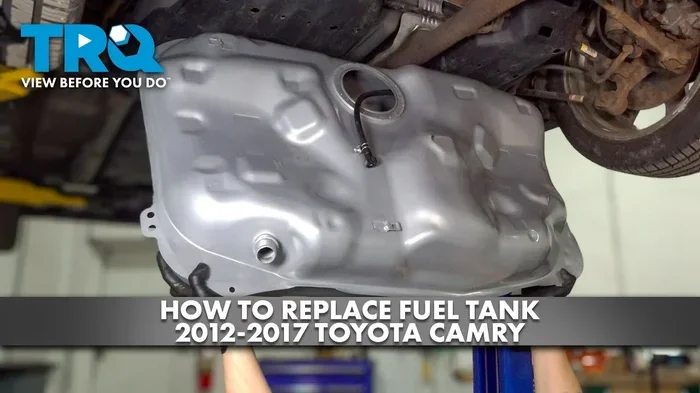
The 2020 Camry carries approximately 15.8 gallons of fuel. This tank size strikes a good balance between range and vehicle weight. A larger tank would add weight and reduce efficiency, while a smaller tank would require more frequent stops.
Knowing your tank size is essential for calculating real-world range. Simply multiply your average MPG by 15.8 gallons to estimate how far you can go. For example, if you average 35 MPG on a highway trip, you can expect about 553 miles of range.
Some drivers wonder about the Camry tank range when the fuel light comes on. Typically, you still have 2 to 3 gallons left after the light activates. This gives you roughly 60 to 100 additional miles of driving, depending on your MPG.
Understanding your fuel gauge behavior helps you avoid running out of gas in inconvenient locations. Always try to refuel when you hit a quarter tank, especially in unfamiliar areas or during winter weather.
Real-World MPG: What Drivers Actually Experience
EPA ratings provide a useful benchmark, but real-world driving often tells a different story. Many Camry owners report their actual mileage on forums and fuel-tracking apps. Here is what you can realistically expect.
City Driving MPG
City driving involves frequent stops, acceleration, and idling. These conditions reduce fuel efficiency compared to EPA estimates. Most 2020 Camry drivers report 25 to 30 MPG in city conditions.
Heavy traffic, short trips, and cold weather all contribute to lower city MPG. If you commute in a dense urban area, plan for the lower end of the range. Using cruise control at low speeds in traffic does not help either, since the engine stays in a less efficient operating range.
Highway Driving MPG
Highway driving is where the Camry excels. Steady speeds and fewer stops allow the engine to operate efficiently. Most owners report 35 to 42 MPG on highways, depending on speed and conditions.
Cruising at 65 mph typically yields the best fuel economy. Pushing speeds above 75 mph increases aerodynamic drag and noticeably reduces MPG. If you frequently drive long distances, highway fuel economy will dominate your overall average.
For those wondering how far can a Camry go on a single tank during highway driving, the answer is typically 500 to 600 miles for the standard engine and up to 700 miles for the hybrid.
Combined MPG Average
The combined MPG average gives you a balanced view of city and highway driving. The 2020 Camry base engine earns a combined rating of 32 MPG, while the hybrid achieves 45 MPG combined.
Most drivers who split their time between city and highway will land somewhere between these two figures. A realistic combined average for the base engine is around 30 to 34 MPG, and for the hybrid, around 42 to 46 MPG.
Factors That Affect Your Camry’s Fuel Economy
Several factors influence how many miles you get per gallon in your 2020 Camry. Understanding these can help you maximize your fuel efficiency and stretch every tank.
Driving Habits
Your driving style has the biggest impact on fuel economy. Aggressive acceleration, hard braking, and speeding all burn more fuel. Smooth, gradual acceleration and maintaining steady speeds improve MPG significantly.
Using cruise control on highways helps maintain a constant speed and reduces fuel consumption. However, avoid using cruise control in hilly or mountainous terrain, where the system may downshift and increase fuel usage.
Vehicle Weight and Cargo
Extra weight forces the engine to work harder. Carrying heavy loads on your roof rack or in the trunk reduces fuel economy. Remove unnecessary items from your Camry to keep it light and efficient.
Roof racks and cargo carriers create aerodynamic drag, which also hurts MPG. If you do not need them, take them off when not in use. Even a single roof rack can reduce highway fuel economy by 2 to 5 MPG.
Tire Pressure and Maintenance
Underinflated tires create rolling resistance, which lowers fuel economy. Check your tire pressure at least once a month and keep them at the recommended PSI listed on the driver’s door jamb.
Regular maintenance also plays a crucial role. Fresh engine oil, clean air filters, and properly functioning spark plugs all contribute to optimal fuel efficiency. Skipping maintenance may seem harmless, but it gradually erodes your Camry’s fuel economy over time.
Weather and Temperature
Cold weather reduces fuel economy in several ways. Engines take longer to reach operating temperature in winter, and heating the cabin uses additional energy. Short winter trips are especially inefficient because the engine never fully warms up.
Hot weather can also affect MPG, primarily through increased use of air conditioning. Running the AC at full blast puts extra load on the engine. On mild days, using the vents instead of AC can save fuel.
Tips to Maximize Your 2020 Camry’s Range
Want to get the most miles out of every tank? Here are practical tips that actually work.
Drive at Moderate Speeds
Speed is one of the biggest fuel economy killers. Driving at 65 mph instead of 75 mph can improve your MPG by 10 to 15 percent. Use the speed limit as a guide rather than a target.
Avoid Excessive Idling
Idling burns fuel without moving the car. If you expect to stop for more than 30 seconds, turn off the engine. Modern Camrys with start-stop technology handle this automatically, but older models benefit from manual shutoff.
Plan Your Routes
Avoid heavy traffic and frequent stops when possible. Choosing less congested routes, even if slightly longer, can save fuel overall. Navigation apps can help you find the most efficient path to your destination.
Keep Your Camry Well-Maintained
Follow the recommended maintenance schedule for your 2020 Camry. Regular oil changes, tire rotations, and air filter replacements keep the engine running smoothly and efficiently. A well-maintained Camry will consistently deliver better fuel economy than a neglected one.
Use the Right Fuel
The 2020 Camry recommends regular unleaded gasoline with an octane rating of 87. Using higher-octane fuel does not improve performance or fuel economy in this vehicle. Stick with regular gas to save money at the pump.
How Does the 2020 Camry Compare to Competitors?
The Camry faces stiff competition from other midsize sedans. Let us compare fuel economy with a few popular rivals.
| Vehicle | City MPG | Highway MPG | Combined MPG |
|---|---|---|---|
| 2020 Toyota Camry (base) | 28 | 39 | 32 |
| 2020 Toyota Camry Hybrid | 44 | 47 | 45 |
| Honda Accord (base) | 30 | 38 | 33 |
| Hyundai Sonata (base) | 28 | 38 | 32 |
| Nissan Altima (base) | 28 | 39 | 32 |
The Camry holds its own against competitors in fuel economy. The hybrid version clearly leads the pack, offering the best efficiency in the segment. The base Camry matches or exceeds most rivals in highway fuel economy, making it a strong choice for long-distance drivers.
If you are also considering how long your Camry can last overall, the vehicle’s strong build quality and proven reliability mean many owners push past 200,000 miles with proper maintenance. Check out how many miles a car can generally last for more context on Camry longevity.
For drivers interested in how much fuel costs over time, the Camry’s excellent fuel economy translates to lower annual fuel expenses compared to less efficient sedans and SUVs.
How Far Can You Go on Empty?
We have all been there: the fuel gauge hits empty, and you still have miles to go. The 2020 Camry, like most modern cars, has a reserve fuel mode that activates when the main tank is nearly depleted. This reserve typically holds about 2 to 3 gallons.
With the reserve, you can usually drive an additional 40 to 80 miles depending on your driving speed and conditions. However, relying on this reserve is not recommended. It can damage the fuel pump and leave you stranded if you cannot find a gas station quickly.
Always try to refuel before the tank gets too low. This protects your engine and ensures you are never caught off guard. If you frequently find yourself running low, consider tracking your fuel consumption more closely to understand your actual range.
Many drivers also ask about how many gallons are left when the light comes on in their vehicle. For the Camry, it is typically around 2.5 gallons remaining, giving you a small buffer to reach the nearest fuel station safely.
Final Thoughts
The 2020 Toyota Camry delivers outstanding fuel economy for a midsize sedan. Whether you choose the base 2.5-liter engine or the powerful hybrid variant, you will enjoy impressive range and low fuel costs. The base engine offers up to 600 miles of highway range, while the hybrid can push past 700 miles on a single tank.
Understanding your Camry’s fuel economy helps you drive smarter, save money, and plan trips with confidence. Simple habits like maintaining proper tire pressure, driving at moderate speeds, and keeping up with regular maintenance go a long way toward maximizing your MPG.
If you are curious about how your Camry compares to other Toyota models, check out how many miles a Toyota Camry can last over its lifetime for more insights on ownership costs and reliability.
The bottom line is clear: the 2020 Camry gives you excellent range, strong fuel economy, and the peace of mind that comes from owning a proven, reliable vehicle. Fill up, hit the road, and enjoy every mile.
Frequently Asked Questions
How many miles can a 2020 Toyota Camry go on a full tank?
The 2020 Camry can travel approximately 440 to 600 miles on a full tank with the base engine, and up to 700 miles with the hybrid version. The exact range depends on your driving habits, road conditions, and whether you drive mostly in the city or on the highway.
What is the fuel tank size of a 2020 Toyota Camry?
The 2020 Toyota Camry has a fuel tank capacity of 15.8 gallons. This tank size provides a good balance between range and vehicle efficiency, allowing for long road trips without excessive stops for refueling.
Is the 2020 Camry hybrid worth it for fuel savings?
Yes, the 2020 Camry Hybrid delivers 44 to 47 MPG, which is significantly better than the base engine’s 28 to 39 MPG. If you drive more than 15,000 miles per year, the hybrid can save you hundreds of dollars annually in fuel costs, making it a smart long-term investment.
How often should I fill up my 2020 Camry?
With a 15.8-gallon tank and average MPG of 32, you can expect to fill up every 400 to 500 miles for the base engine. The hybrid Camry can go 600 miles or more between fill-ups, depending on driving conditions and fuel economy.
Does the 2020 Camry require premium fuel?
No, the 2020 Toyota Camry runs perfectly well on regular unleaded gasoline with an octane rating of 87. Using premium fuel will not improve performance or fuel economy and will only cost you more at the pump.
Can I improve my Camry’s fuel economy beyond EPA estimates?
Yes, you can improve fuel economy through smooth driving habits, maintaining proper tire pressure, removing excess cargo, and keeping up with regular maintenance. These simple steps can add 2 to 5 MPG to your overall average, especially during highway driving.