How Long Will a Toyota Sequoia Engine Last Explained
A Toyota Sequoia engine can last 250,000 to 300,000 miles or more with proper maintenance. The 5.7L V8 powertrain is known for its durability and long engine life. Regular oil changes, timely spark plug replacements, and smart driving habits play a huge role in extending your Toyota engine life.
When you buy a Toyota Sequoia, one of the first questions that comes to mind is simple: how long will this engine actually last? The Toyota Sequoia has been a favorite among families and adventure seekers since its debut. Its big V8 engine and tough build make it a workhorse. But like any vehicle, the engine life depends on a lot of factors.
The good news is that the Toyota Sequoia engine is built to go the distance. With the right care and attention, owners can expect serious mileage from their SUV. In this guide, we will break down everything you need to know about Toyota Sequoia engine life. We will cover maintenance tips, common issues, and what you can do to get the most miles out of your ride.
Whether you just bought a Sequoia or are thinking about making the purchase, understanding engine longevity helps you make smart decisions. Let us dive into what makes the Toyota engine so durable and how you can keep it running strong for years to come.
Key Takeaways
- Engine Longevity: A well-maintained Toyota Sequoia engine can easily reach 250,000 to 300,000 miles.
- 5.7L V8 Power: The 5.7L V8 is one of the most reliable Toyota engines ever built.
- Maintenance Matters: Regular oil changes and scheduled service are the biggest factors in engine life.
- Driving Habits Count: Gentle driving and avoiding overheating help your engine last longer.
- Common Issues Exist: Knowing the weak points helps you prevent costly engine repairs.
- Toyota Brand Reliability: Toyota engines consistently outlast many competitors in the full-size SUV class.
📑 Table of Contents
- Understanding the Toyota Sequoia Engine
- How Many Miles Can a Toyota Sequoia Engine Last?
- Toyota Brand Reliability and Engine Durability
- Maintenance Schedule for Maximum Engine Life
- Common Engine Problems and How to Avoid Them
- Real-World Sequoia Engine Mileage Stories
- When to Consider an Engine Rebuild or Replacement
- Comparing the Sequoia Engine to Competitors
- Final Thoughts on Toyota Sequoia Engine Longevity
Understanding the Toyota Sequoia Engine
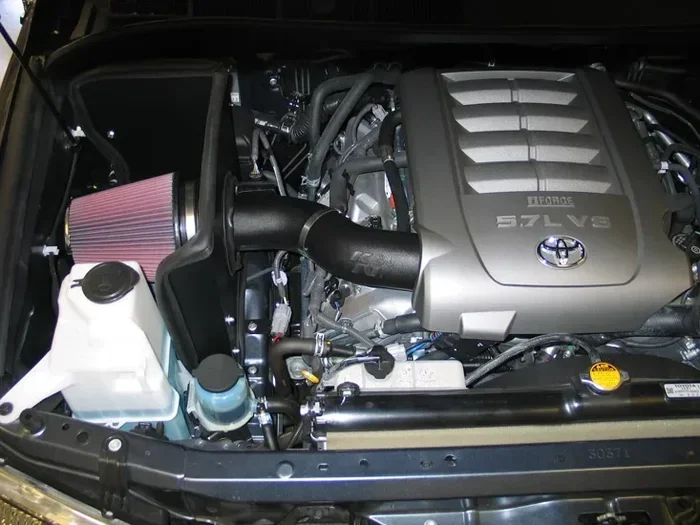
The Toyota Sequoia has been around since 2000. Over the years, Toyota has refined its powertrain to deliver both power and reliability. The current generation uses a 5.7L V8 engine that produces around 381 horsepower. This is the same engine family found in other Toyota models like the Tundra and the Lexus LX.
The 5.7L V8 uses a cast-iron block and aluminum heads. This combination gives it strength while keeping weight manageable. The engine also features Toyota’s D-4S fuel injection system. This dual injection setup helps with efficiency and performance.
Engine Specifications at a Glance
- Engine Type: 5.7L V8
- Horsepower: 381 hp
- Torque: 401 lb-ft
- Fuel System: D-4S Direct and Port Injection
- Block Material: Cast Iron
- Head Material: Aluminum
Toyota designed this engine with longevity in mind. The internal components are built to handle high stress and heavy loads. That is why many owners wonder how long will a Toyota Sequoia engine last and find the answer quite encouraging.
How Many Miles Can a Toyota Sequoia Engine Last?
The average lifespan of a Toyota Sequoia engine is between 250,000 and 300,000 miles. Some well-maintained examples have even pushed past 350,000 miles. This is well above the average for most full-size SUVs on the road today.
For comparison, how many miles a car can last varies widely depending on the make, model, and care. Toyota engines consistently rank among the longest-lasting powertrains in the industry. The Sequoia is no exception.
What Affects Engine Lifespan?
Several factors determine how long your Sequoia engine will run strong:
- Maintenance Schedule: Staying on top of oil changes and fluid replacements is critical.
- Driving Style: Aggressive driving puts more stress on engine components.
- Climate: Extreme heat or cold can affect engine health over time.
- Towing Habits: Heavy towing increases engine load and wear.
- Fuel Quality: Using clean, quality fuel prevents internal buildup.
- Cooling System Health: A working cooling system prevents overheating damage.
If you take care of your Sequoia, the engine will reward you with many years of reliable service. This is one reason why Toyota remains a top choice for buyers who want a vehicle that lasts.
Toyota Brand Reliability and Engine Durability
Toyota has built a reputation for building engines that just keep going. The brand consistently ranks at the top of reliability surveys. When people think of long-lasting vehicles, Toyota is almost always in the conversation.
Can a Toyota last 500,000 miles? The answer is yes, for many models and engines. The Sequoia shares its platform and engine architecture with other Toyota models that have proven track records. This shared engineering means the Sequoia benefits from decades of Toyota refinement.
Why Toyota Engines Last So Long
Several reasons explain why Toyota engines, including the Sequoia’s V8, tend to outlast the competition:
- Overbuilt Components: Toyota often uses heavier-duty parts than needed. This provides a safety margin for longevity.
- Proven Designs: Many Toyota engines use designs that have been tested and refined over decades.
- Quality Materials: The cast-iron block in the 5.7L V8 adds durability and heat resistance.
- Conservative Engineering: Toyota tends to rate components well below their actual failure points.
- Global Manufacturing Standards: Consistent quality control across all Toyota plants ensures reliability.
These factors all contribute to the strong Toyota Sequoia engine life that owners come to expect.
Maintenance Schedule for Maximum Engine Life
Regular maintenance is the single most important thing you can do to extend your engine’s life. A well-maintained Sequoia engine will easily surpass 250,000 miles. Neglecting maintenance, on the other hand, can lead to premature wear and costly repairs.
Essential Maintenance Tasks
Here are the key maintenance items that directly impact your engine’s longevity:
- Oil Changes: Change your oil every 5,000 to 7,500 miles. Use Toyota-recommended 0W-20 full synthetic oil. Clean oil lubricates engine parts and prevents harmful buildup.
- Spark Plug Replacement: Replace spark plugs every 60,000 to 90,000 miles. Worn plugs reduce efficiency and can cause engine misfires.
- Coolant Flushes: Flush and replace coolant every 60,000 to 100,000 miles. This prevents corrosion and keeps the cooling system working properly.
- Transmission Fluid: Change transmission fluid every 60,000 miles. Clean fluid ensures smooth shifting and reduces strain on the engine.
- Air Filter Replacement: Replace the engine air filter every 15,000 to 30,000 miles. A clean filter allows proper airflow for combustion.
- Timing Chain Inspection: Have the timing chain inspected around 100,000 miles. The 5.7L V8 uses a timing chain that can stretch over time.
Quick Tips for Engine Care
- Check your oil level at least once a month.
- Watch for any warning lights on the dashboard.
- Address unusual noises immediately.
- Keep up with the factory maintenance schedule.
- Use genuine Toyota parts for replacements.
Following these simple steps will help your Sequoia engine run strong for many years.
Common Engine Problems and How to Avoid Them
No engine is perfect, and the Toyota Sequoia is no exception. While the 5.7L V8 is generally very reliable, there are some known issues that owners should be aware of. Catching these problems early can prevent serious engine damage.
Timing Chain Stretch
One of the more common issues on the 5.7L V8 is timing chain stretch. Over time, the chain can elongate, causing rough idling and engine timing issues. This is more common in higher-mileage vehicles. The good news is that replacing a timing chain is far cheaper than replacing an entire engine. Regular inspections can catch this issue before it causes major damage.
Oil Consumption
Some Sequoia owners report higher-than-normal oil consumption. This can happen as the engine ages and internal seals wear. Checking your oil level frequently and topping it off as needed is a simple way to manage this. If you notice sudden drops in oil level, have a mechanic inspect the engine right away.
Coolant Leaks
Coolant leaks can develop from the water pump or radiator hoses over time. Coolant loss leads to overheating, which is one of the fastest ways to destroy an engine. Regularly check your coolant levels and look for any puddles under your vehicle. Early detection of leaks can save you from expensive repairs.
Carbon Buildup
Direct injection engines like the 5.7L V8 can experience carbon buildup on the intake valves. This can reduce performance and fuel efficiency. Using quality fuel and occasionally adding a fuel system cleaner can help minimize this issue.
How to Protect Your Engine
Prevention is always better than repair. Here are some habits that protect your Sequoia engine:
- Let the engine warm up gently before driving hard.
- Avoid prolonged idling.
- Do not tow beyond the vehicle’s rated capacity.
- Address warning signs immediately.
- Keep the cooling system in top shape.
How long can a car overheat before damage occurs? Even a few minutes of overheating can cause serious harm. Always take the temperature gauge seriously and pull over if it starts climbing.
Real-World Sequoia Engine Mileage Stories
The best proof of Toyota engine durability comes from real owners. Many Sequoia owners have shared their high-mileage stories online and in forums. These real-world examples show what is possible when you take care of your vehicle.
One common story is the owner who has driven over 250,000 miles on a 2005 Sequoia with the original engine still intact. Another popular example involves a 2010 model that has surpassed 300,000 miles with only routine maintenance. These stories are not rare. They are a testament to the strength of the Toyota powertrain.
Many of these high-mileage owners share a few common habits. They never skip oil changes. They address small issues before they become big problems. And they drive with care, avoiding unnecessary stress on the engine. These simple practices add up to serious mileage over time.
It is also worth noting that the 5.7L V8 horsepower rating has remained consistent across model years, which means Toyota has not compromised on engine quality to chase trends. The engine remains a proven design that balances power with durability.
When to Consider an Engine Rebuild or Replacement
Even the best engines eventually need major work. Knowing when to rebuild versus replace can save you time and money. Here are some signs that your Sequoia engine may need serious attention:
- Excessive Oil Consumption: If you are burning a quart of oil every 1,000 miles, internal wear may be significant.
- Knocking or Tapping Sounds: These sounds often indicate worn bearings or internal component failure.
- Loss of Power: A noticeable drop in performance can signal compression loss or other internal issues.
- Blue or White Smoke: Smoke from the exhaust can mean oil or coolant is entering the combustion chamber.
- Check Engine Light with Codes: Persistent engine codes that keep returning after repair may point to deeper problems.
If you face any of these issues, have a trusted mechanic perform a compression test. This test will tell you the overall health of your engine. In some cases, a rebuild can extend the life of your engine by another 100,000 miles or more. In other cases, a replacement engine may be the more cost-effective option.
It is also worth understanding your warranty coverage. Does car insurance cover a blown engine? In most cases, standard insurance does not cover engine failure due to wear and tear. However, if the damage is caused by an accident or specific covered event, you may have a claim. Always check your policy details.
Comparing the Sequoia Engine to Competitors
How does the Toyota Sequoia engine stack up against similar vehicles? Let us look at a few popular full-size SUVs and their expected engine lifespans.
| Vehicle | Engine | Expected Lifespan | Reputation |
|---|---|---|---|
| Toyota Sequoia | 5.7L V8 | 250,000 – 300,000+ miles | Excellent |
| Chevrolet Tahoe | 5.3L V8 | 200,000 – 250,000 miles | Good |
| Ford Expedition | 3.5L EcoBoost V6 | 200,000 – 250,000 miles | Good |
| Nissan Armada | 5.6L V8 | 200,000 – 250,000 miles | Average |
| GMC Yukon | 6.2L V8 | 200,000 – 250,000 miles | Good |
As you can see, the Toyota Sequoia holds its own in the full-size SUV class. The 5.7L V8 engine is one of the reasons the Sequoia retains its value so well. Buyers looking for a used Sequoia often seek out models with higher mileage because they know the engine has plenty of life left.
Final Thoughts on Toyota Sequoia Engine Longevity
The Toyota Sequoia engine is a durable, reliable powerhouse that can last well over 250,000 miles with proper care. The 5.7L V8 is a proven design that Toyota has refined over more than two decades. Whether you use your Sequoia for daily commuting, family hauling, or heavy towing, the engine is built to handle the work.
Your role in all of this is simple: stay on top of maintenance, drive with care, and address issues before they become big problems. The engine will take care of the rest. Toyota built the Sequoia to last, and with the right owner, it will.
If you are considering a Toyota Sequoia, know that you are looking at one of the most durable full-size SUVs on the market. The Toyota Sequoia engine life is impressive, and with your commitment to regular care, your Sequoia can easily become a vehicle that lasts for hundreds of thousands of miles.
Remember, the longevity of any engine comes down to how well it is maintained. Treat your Sequoia right, and it will reward you with years of dependable service. That is the Toyota promise, and the Sequoia delivers on it every time.
Frequently Asked Questions
How many miles can a Toyota Sequoia engine last?
With proper maintenance, a Toyota Sequoia engine can last between 250,000 and 300,000 miles. Some well-cared-for examples have even exceeded 350,000 miles. Regular oil changes and timely service are the biggest factors in reaching these high mileage numbers.
Is the Toyota Sequoia 5.7L V8 engine reliable?
Yes, the 5.7L V8 is considered one of Toyota’s most reliable engines. It uses a cast-iron block and aluminum heads for durability. The D-4S fuel injection system also contributes to long-term reliability and consistent performance.
What is the most common engine problem on a Toyota Sequoia?
The most common issue is timing chain stretch, which typically occurs in higher-mileage vehicles. Other concerns include oil consumption and coolant leaks. Regular inspections can catch these problems early and prevent expensive engine damage.
How often should I change the oil in my Toyota Sequoia?
Toyota recommends changing the oil every 5,000 to 7,500 miles for the Sequoia. Using full synthetic 0W-20 oil helps protect the engine and maintain peak performance. More frequent changes are beneficial if you tow heavily or drive in extreme conditions.
Can a Toyota Sequoia engine be rebuilt?
Yes, the Sequoia engine can be rebuilt if it has significant wear or damage. A rebuild can extend the engine’s life by another 100,000 miles or more. It is important to have the work done by a qualified mechanic using quality replacement parts.
Does a Toyota Sequoia hold its value over time?
Yes, Toyota Sequoias are known for holding their value very well. The strong engine reliability and Toyota brand reputation contribute to this resale strength. Even high-mileage Sequoias remain desirable in the used market because of their proven engine durability.