How Long Is the Battery Life on a 2013 Toyota Camry
The battery life on a 2013 Toyota Camry typically ranges from 3 to 5 years, depending on driving habits, climate, and maintenance. Regular checks and proper care can extend that lifespan significantly. Understanding the factors that drain your Camry battery helps you avoid unexpected breakdowns and costly replacements.
Key Takeaways
- Average Lifespan: A 2013 Toyota Camry battery lasts 3 to 5 years under normal conditions.
- Climate Matters: Hot and cold weather both shorten battery life faster than mild climates.
- Warning Signs: Slow cranking, dim lights, and the check engine light signal a dying battery.
- Maintenance Helps: Clean terminals and regular testing can add months or even years to battery life.
- Replacement Cost: Expect to pay between $150 and $300 for a new Camry battery.
- Hybrid Consideration: The hybrid battery system in some Camry models has a different lifespan than the standard starter battery.
- Driving Habits Count: Short trips and infrequent use drain the battery faster than regular long drives.
📑 Table of Contents
- How Long Is the Battery Life on a 2013 Toyota Camry
- What Affects Battery Life on a 2013 Toyota Camry
- How to Know When Your Camry Battery Is Failing
- How Long Does a 2013 Toyota Camry Battery Last Compared to Other Years
- Best Battery Brands for a 2013 Toyota Camry
- How to Extend Your 2013 Camry Battery Life
- How Much Does It Cost to Replace a Battery in a 2013 Toyota Camry
- Common Mistakes That Shorten Camry Battery Life
- When Should You Replace Your 2013 Camry Battery
- Final Thoughts on 2013 Toyota Camry Battery Life
How Long Is the Battery Life on a 2013 Toyota Camry
If you drive a 2013 Toyota Camry, you might be wondering when that battery is going to give out. The honest answer is that it depends on several factors. But most owners can expect their Camry battery to last somewhere between 3 and 5 years. That is the general range, anyway. Some people get more. Some people get less. Let us break down everything you need to know about 2013 Toyota Camry battery life so you are never caught off guard.
The 2013 Camry is a solid car. It has been for years. Toyota built this model with reliability in mind, and that includes the electrical system. But no battery lasts forever. Temperature changes, driving patterns, and age all take a toll. By the time you finish reading this guide, you will know exactly what to look for, how to extend your battery life, and when it is time to replace it. Let us get into it.
What Affects Battery Life on a 2013 Toyota Camry
Several things determine how long your Camry battery will last. Some you can control. Some you cannot. Here is a closer look at the biggest factors.
Climate and Temperature
Extreme heat is the number one killer of car batteries. If you live somewhere hot, your battery life on a 2013 Toyota Camry could be closer to 3 years. The heat causes the fluid inside the battery to evaporate, which damages the internal plates. Cold weather is not much better. It slows down the chemical reactions inside the battery and makes it work harder to start the engine.
If you live in a place with harsh winters or scorching summers, consider having your battery tested twice a year. A simple test at any auto parts store takes about five minutes and can save you a lot of trouble. Also check out how long a car wrap lasts in extreme weather, since environmental factors affect many car components similarly.
Driving Habits
How you drive matters more than you might think. If you take lots of short trips, your battery does not have enough time to fully recharge. The alternator needs about 30 minutes of driving to recharge the battery properly. Short trips around town keep the battery in a partial state of charge, which slowly degrades it over time.
On the other hand, if you drive your 2013 Camry regularly on longer trips, the battery stays healthier. Regular use keeps the charge balanced and the internal chemistry active. If you only drive your Camry on weekends, the battery may not last as long as it would for someone who commutes daily.
Age and Mileage
Time is not kind to batteries. Even if you drive your Camry every day, the battery slowly loses its ability to hold a charge over the years. Most Toyota Camry owners notice a decline in battery performance after the 3-year mark. By year 4 or 5, many batteries are starting to struggle. If you are unsure how old your battery is, look at the date code on the case. It tells you exactly when the battery was manufactured.
Mileage also plays a role. A Camry with 100,000 miles on the odometer has put more strain on the electrical system than one with 30,000 miles. For more on how mileage affects your Camry, check out this guide on what counts as high mileage for a Toyota Camry.
Electrical Load and Accessories
Every accessory you plug into your Camry draws power. Phone chargers, dash cameras, GPS units, and aftermarket sound systems all add to the electrical load. If you leave these plugged in when the engine is off, they create a parasitic drain that slowly kills the battery.
The 2013 Toyota Camry has a reasonably efficient electrical system, but it is not infinite. If you have multiple accessories drawing power, your battery works harder every time you start the car. Over time, this extra strain shortens the overall lifespan. Keep accessories to a minimum, especially when the engine is not running.
How to Know When Your Camry Battery Is Failing
Catching a weak battery early can save you from a frustrating morning of trying to start your car. Here are the most common warning signs that your 2013 Camry battery is on its way out.
Slow Engine Crank
This is the most obvious sign. When you turn the key and the engine cranks slowly or reluctantly, the battery is struggling. A healthy battery should start the engine quickly and smoothly. If it takes a few tries or the crank sounds sluggish, do not ignore it. That is your battery telling you something.
Dim Dashboard Lights and Headlights
Notice your dashboard lights looking dimmer than usual? Or your headlights seem less bright at idle? These are classic signs of a low battery. The electrical system needs a strong battery to power all the lights and electronics in your Camry. When the battery weakens, the lights are often the first thing to show it.
Battery Warning Light on the Dash
If the battery-shaped warning light comes on, take it seriously. This light can indicate a problem with the battery itself, the alternator, or the charging system. Either way, you need to get it checked. Driving with a charging problem can leave you stranded.
Corrosion on the Battery Terminals
Look at your battery terminals. If you see a white, blue, or greenish powdery substance, that is corrosion. Corrosion creates resistance between the battery and the cables, which reduces the power flowing to the starter. You can clean it off with a baking soda and water solution, but recurring corrosion often means the battery is failing.
Swollen or Bloated Battery Case
A battery case that looks swollen or rounded is a bad sign. Heat causes the battery acid to expand, which warps the plastic case. A swollen battery is damaged and will not last much longer. Replace it as soon as possible to avoid being stranded.
How Long Does a 2013 Toyota Camry Battery Last Compared to Other Years
The battery in a 2013 Toyota Camry is similar to what you find in other model years around that time. Toyota uses reliable battery technology across its lineup, and the Camry is no exception. Let us compare how battery life stacks up across a few Camry generations.
| Camry Model Year | Expected Battery Life | Battery Type |
|---|---|---|
| 2010-2011 | 3 to 5 years | Standard Lead-Acid |
| 2012-2013 | 3 to 5 years | Standard Lead-Acid |
| 2014-2016 | 3 to 5 years | Standard Lead-Acid |
| 2018+ (Hybrid) | 3 to 5 years (starter) / 8 to 10 years (hybrid) | Dual Battery System |
As you can see, the 2013 Camry falls right in line with the standard Toyota battery performance. The hybrid models that came later use a dual battery system, which is different. If you own a standard gas-powered 2013 Camry, you are looking at the same 3 to 5 year window that most Toyota owners experience. For more on how long Camrys last overall, including their electrical systems, you can read about whether a Toyota Camry can last 500,000 miles.
Best Battery Brands for a 2013 Toyota Camry
When it is time to replace your battery, not all options are equal. Here are some of the best battery brands that work well with the 2013 Toyota Camry.
- Toyota OEM Battery: The original equipment manufacturer battery is always a safe choice. It matches the specifications exactly and often comes with a warranty.
- Optima Batteries: Known for their durability and long lifespan, Optima batteries are a popular upgrade choice for Camry owners who want extra reliability.
- ACDelco: A trusted brand that offers solid performance at a fair price. Many mechanics recommend ACDelco for Toyota vehicles.
- DieHard: A classic American brand with a strong reputation. DieHard batteries offer good cold cranking amps and reliable performance.
- Interstate Batteries: Widely available and backed by strong warranties. Interstate is a solid choice for daily drivers like the Camry.
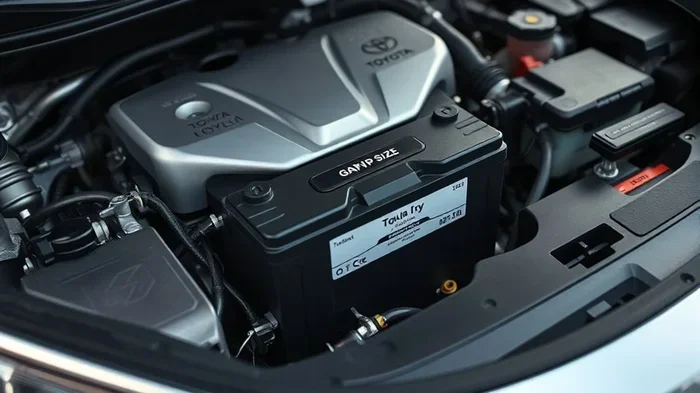
When choosing a replacement, make sure the battery size and cold cranking amps (CCA) match what your Camry needs. The 2013 model typically uses a group size 24F battery. Always double-check your owner’s manual or ask your mechanic if you are unsure. If you are also wondering about how much a brand new car costs versus maintaining your current Camry, keeping the battery healthy is one of the smartest ways to extend the life of your vehicle.
How to Extend Your 2013 Camry Battery Life
You cannot stop time, but you can take steps to make your Camry battery last as long as possible. Here are practical tips that actually work.
Keep the Battery Clean
Dirt and moisture accelerate corrosion. Wipe down your battery terminals and the top of the battery case every few months. A clean battery lasts longer because it can breathe and conduct electricity properly. Use a damp cloth and mild soap. Avoid getting water inside the battery ports.
Drive Your Camry Regularly
The battery recharges while you drive. If you go weeks without starting the car, the battery slowly loses its charge. Try to drive your Camry at least once every few days for 20 to 30 minutes. This gives the alternator time to replenish the battery fully. For tips on keeping your car running well, also see our guide on how to get the maintenance required light off on your Camry.
Turn Off Accessories Before Shutting Off the Engine
Make it a habit to turn off the headlights, radio, and any other electrical accessories before you shut off the engine. Leaving them on creates a drain that the battery has to overcome the next time you start the car. Small habits like this add up over thousands of miles.
Get Regular Battery Tests
Most auto parts stores will test your battery for free. Have it checked at least once a year, especially after the 3-year mark. A quick test can tell you if the battery is holding a good charge or if it is time to plan for a replacement. This simple step can prevent the inconvenience of a dead battery at the worst possible moment.
Avoid Extreme Temperatures When Possible
If you can, park your Camry in a garage or shaded area. Extreme heat and extreme cold both stress the battery. A temperature-controlled parking spot goes a long way toward preserving battery health. During winter, a battery blanket or insulated cover can help keep the battery warm and ready to go.
How Much Does It Cost to Replace a Battery in a 2013 Toyota Camry
Replacing the battery in a 2013 Toyota Camry is one of the more affordable maintenance jobs you will face. The price depends on the brand and type of battery you choose, but here is a general breakdown.
- Standard Lead-Acid Battery: $100 to $200 for the battery itself.
- Premium Brand Battery (Optima, DieHard): $150 to $300.
- Installation at a Shop: $20 to $50 for labor, if you do not do it yourself.
- Total Cost (Parts and Labor): Typically $150 to $300.
Some dealerships may charge more, but independent shops and chain auto parts stores often offer competitive pricing. If you are handy, you can replace the battery yourself in about 15 minutes. Just remember to disconnect the negative terminal first and reconnect it last. The 2013 Camry makes this process straightforward.
If you are trying to decide whether to invest in a new battery or consider a different vehicle altogether, knowing the cost of ownership helps. Replacing a battery every 4 years is a small price to pay for the reliability a Camry offers. And if you are thinking about how much down payment you should put on your next car, check out our guide on how much you should put down on a car.
Common Mistakes That Shorten Camry Battery Life
Avoid these common mistakes that many Camry owners make, which can significantly shorten battery life.
- Leaving Lights On Overnight: This is the classic mistake. Even a single overnight can drain a healthy battery to the point where it needs a jump start, and repeated deep drains damage the internal plates.
- Ignoring Warning Signs: A slow crank today becomes a dead battery tomorrow. Address warning signs immediately instead of hoping they go away.
- Using Cheap Batteries: Bargain batteries may save you money upfront but often fail faster and do not hold a charge as well as quality brands.
- Not Driving the Car Enough: Cars that sit for long periods lose charge and develop other issues. If you are not driving your Camry regularly, consider a battery maintainer.
- Overcharging the Battery: If your alternator is malfunctioning and overcharging, it can cook the battery from the inside. Have your charging system checked regularly.
When Should You Replace Your 2013 Camry Battery
The best time to replace your battery is before it fails completely. If your battery is more than 4 years old and you are noticing any of the warning signs we discussed, it is probably time for a new one. Waiting until the battery dies completely can leave you stranded and may also damage the alternator or other electrical components.
Spring and fall are the best times to have your battery tested and replaced if needed. These are the transition seasons when temperature swings put the most stress on batteries. Many shops offer free battery testing during these months, making it easy to stay ahead of any problems. If you are also considering selling or trading in your Camry, a fresh battery adds to the overall value of the car.
Final Thoughts on 2013 Toyota Camry Battery Life
The battery life on a 2013 Toyota Camry is something you can manage with a little awareness and regular care. Most owners will get 3 to 5 years out of their battery, and some even push past that with good habits. Pay attention to the warning signs, keep the terminals clean, and have the battery tested annually after the 3-year mark.
Your Camry is a reliable car, and its battery is no exception. Treat it well, and it will treat you well in return. Do not wait for the day you turn the key and nothing happens. Stay proactive, stay informed, and your 2013 Toyota Camry will keep starting strong for years to come.
Remember that battery health is just one piece of the puzzle. For more information on maintaining your Camry, check out how long a car wrap lasts for exterior protection, or explore our other resources on keeping your Toyota in top shape.
Frequently Asked Questions
How long should a 2013 Toyota Camry battery last?
Most 2013 Toyota Camry batteries last between 3 and 5 years. The exact lifespan depends on your climate, driving habits, and how well you maintain the battery. Regular testing and clean terminals can help you get the most out of it.
What are the signs that my Camry battery needs replacing?
Look for slow engine cranking, dim headlights, a battery warning light on the dashboard, corrosion on the terminals, or a swollen battery case. If you notice any of these signs, have your battery tested right away to avoid getting stranded.
Can I replace the Camry battery myself?
Yes, replacing the battery in a 2013 Toyota Camry is one of the easier DIY jobs. You just need a wrench, a new battery that matches the group size 24F specification, and about 15 minutes. Always disconnect the negative terminal first and reconnect it last.
How much does a Camry battery replacement cost?
The total cost typically ranges from $150 to $300, including parts and labor. Premium battery brands like Optima or DieHard may cost a bit more, but they often last longer and come with stronger warranties.
Does the 2013 Camry have a hybrid battery that lasts longer?
The standard 2013 Camry uses a regular lead-acid starter battery. The hybrid Camry models use a dual battery system where the hybrid battery is designed to last 8 to 10 years, but the starter battery still follows the same 3 to 5 year lifespan as the gas-only models.
What battery brand is best for a 2013 Toyota Camry?
Toyota OEM, Optima, ACDelco, DieHard, and Interstate are all excellent choices for the 2013 Camry. Pick one that fits your budget and make sure it matches the group size 24F and CCA specifications listed in your owner’s manual.