How Long Does Your Toyota Sienna Transmission Last
The Toyota Sienna transmission typically lasts between 150,000 and 250,000 miles with proper care. Your driving habits, maintenance schedule, and the specific Sienna generation all play a major role in how long your Toyota Sienna transmission will run smoothly. Regular fluid changes and timely repairs can push that lifespan even further.
The Toyota Sienna has been a staple in the family minivan segment for decades. Many owners love this vehicle for its spacious interior, reliable performance, and strong resale value. But one question keeps coming up: how long does the Toyota Sienna transmission actually last before it needs major work?
The short answer is that most Toyota Sienna transmissions last between 150,000 and 250,000 miles. Some well-maintained models have even surpassed 300,000 miles without a single transmission failure. That kind of durability is impressive and one of the reasons the Sienna remains a top pick among families.
However, transmission life is not automatic. It depends on how you drive, how well you maintain the vehicle, and which generation of Sienna you own. Neglecting fluid changes, driving in extreme conditions, or ignoring early warning signs can all shorten that lifespan considerably. In this guide, we will walk you through everything you need to know about your Toyota Sienna transmission. You will learn what affects its longevity, how to spot trouble early, and what steps you can take to keep it running strong for years to come.
Let us dive right in.
Key Takeaways
- Average Lifespan: Most Toyota Sienna transmissions last between 150,000 and 250,000 miles with consistent maintenance.
- Maintenance Is Everything: Regular fluid changes and flushes dramatically extend transmission life.
- Watch for Warning Signs: Slipping gears, strange noises, and delayed shifting signal trouble early.
- Replacement Cost: Expect to pay between $1,800 and $3,500 for a full transmission replacement or rebuild.
- Driving Habits Matter: Gentle driving and avoiding heavy towing help your transmission last significantly longer.
- Generation Differences: Newer Sienna models with updated drivetrain designs tend to offer improved reliability over older ones.
📑 Table of Contents
- How Long Does a Toyota Sienna Transmission Last?
- Understanding the Different Sienna Transmission Types
- Warning Signs Your Toyota Sienna Transmission Is Failing
- How to Extend the Life of Your Sienna Transmission
- Toyota Sienna Transmission Replacement Cost
- When to See a Mechanic About Your Transmission
- Conclusion
How Long Does a Toyota Sienna Transmission Last?
The lifespan of a Toyota Sienna transmission varies based on several key factors. Understanding these factors helps you set realistic expectations and take the right steps to protect your investment.
Transmission Life by Sienna Generation
Different Sienna generations used different transmission designs, and each has its own strengths. The earlier models from the early 2000s came with a conventional automatic transmission. These units were built with simplicity and durability in mind. With regular fluid changes, they often exceeded 200,000 miles without major issues.
The later generations introduced more advanced automatic transmissions with additional gear ratios. These newer designs offer smoother shifting and better fuel economy. However, they also have more complex internal components that can wear faster if not properly maintained. The added complexity means owners need to be more diligent about upkeep.
The Sienna has gone through several generations since its debut, and each brought improvements in the drivetrain and overall reliability. If you want to understand how the Sienna holds up over the long haul, you might also wonder Can a Toyota last 500,000 miles. The answer is yes, with proper care, many Toyota vehicles including the Sienna can reach impressive mileage milestones that surprise even experienced owners.
Factors That Affect Transmission Lifespan
Several factors determine how long your Toyota Sienna transmission will last. Understanding these can help you take proactive steps to protect your vehicle.
Driving Habits
Aggressive driving puts extra stress on the transmission. Hard acceleration and sudden braking generate more heat and wear on internal components. Smooth, steady driving helps the transmission last significantly longer. If you are the type of driver who loves to push the throttle, your transmission may wear faster than average.
Towing and Hauling
The Sienna is a capable hauler, and many owners use it to pull trailers or carry heavy cargo. But towing heavy loads regularly increases the workload on the transmission. The extra weight generates more heat and puts additional strain on internal parts. If you frequently tow, your transmission may need more frequent attention than a Sienna that only carries passengers.
Climate and Driving Conditions
Hot climates and stop-and-go traffic generate more transmission heat than mild conditions or highway driving. Extreme heat breaks down transmission fluid faster and accelerates wear on internal seals and clutch packs. If you live in a hot region or commute in heavy city traffic daily, your transmission may need more frequent maintenance.
Maintenance History
This is the single biggest factor. Owners who follow the recommended maintenance schedule consistently see far fewer transmission problems. Skipping fluid changes or ignoring small leaks can lead to costly repairs down the road. A well-maintained Sienna transmission will outlast a neglected one by a wide margin.
Understanding the Different Sienna Transmission Types
The Toyota Sienna has used different transmission types across its various generations. Knowing which type your Sienna has helps you understand its specific needs and potential issues.
Traditional Automatic Transmission
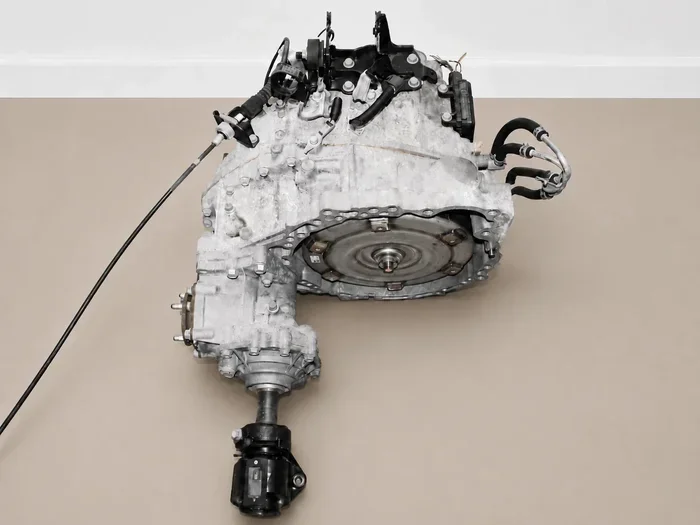
Earlier Sienna models used a traditional automatic transmission with a torque converter. These transmissions are simpler in design and generally very reliable. They use automatic transmission fluid to lubricate and cool internal components. The traditional automatic is easier and less expensive to maintain. Fluid changes are straightforward, and replacement parts are widely available. Many owners report these transmissions lasting well beyond 200,000 miles with basic care.
Advanced Automatic with Multi-Gear Ratios
Newer Sienna models feature more advanced automatic transmissions with multiple gear ratios. These transmissions offer smoother shifts and improved fuel efficiency. They also have more complex valve bodies and solenoids that can develop issues over time. The added complexity means these transmissions need more diligent maintenance. Regular fluid and filter changes become even more important. Ignoring maintenance on a multi-gear automatic can lead to premature wear on internal components.
All-Wheel Drive Considerations
Many Sienna models come with all-wheel drive. The AWD system adds an extra transfer case and driveshaft to the drivetrain. While this does not directly affect the transmission, the additional components add weight and stress to the overall powertrain. If you own an all-wheel drive Sienna, it is especially important to stay on top of transmission maintenance. The extra load means the transmission works harder, which can accelerate wear if fluid changes are neglected.
| Transmission Type | Generations | Reliability Rating | Maintenance Cost |
|---|---|---|---|
| Traditional Automatic | 1st, 2nd Gen | Excellent | Low |
| Multi-Gear Automatic | 3rd, 4th Gen | Good | Moderate |
| AWD Automatic | All Generations | Good | Moderate to High |
Warning Signs Your Toyota Sienna Transmission Is Failing
Catching transmission problems early can save you thousands of dollars. Here are the most common warning signs that your Toyota Sienna transmission may be wearing out.
Slipping Gears
Gear slipping is one of the most noticeable signs of transmission trouble. You may feel the Sienna hesitate or jerk when shifting between gears. In some cases, the transmission may unexpectedly slip out of gear while driving. This happens when the internal clutch packs or bands wear out. They can no longer hold the gears firmly in place. Slipping gears should never be ignored. Continued driving with a slipping transmission can cause complete failure and much more expensive repairs.
Delayed or Harsh Shifting
If your Sienna takes a long time to engage a gear, the transmission may be struggling. Delays when shifting from park to drive or reverse are common early symptoms. Harsh or jerky shifts are another red flag. The transmission should shift smoothly. If you feel a strong jolt or bang when the gear changes, the internal components may be worn or the fluid level may be low.
Unusual Noises
Strange noises coming from the transmission area warrant immediate attention. Grinding, whining, or buzzing sounds can indicate low fluid levels or damaged internal components. A healthy transmission should operate quietly. If you hear any unusual sounds, especially when in gear or during shifting, have a professional inspect it right away.
Transmission Fluid Leaks
Transmission fluid leaks are a clear sign of trouble. Look for reddish-brown fluid pooling under your Sienna, especially near the middle of the vehicle. Low fluid levels cause the transmission to overheat and wear faster. Even a small leak can lead to major problems if left unaddressed. Check your transmission fluid level regularly and address any leaks immediately.
Warning Lights on the Dashboard
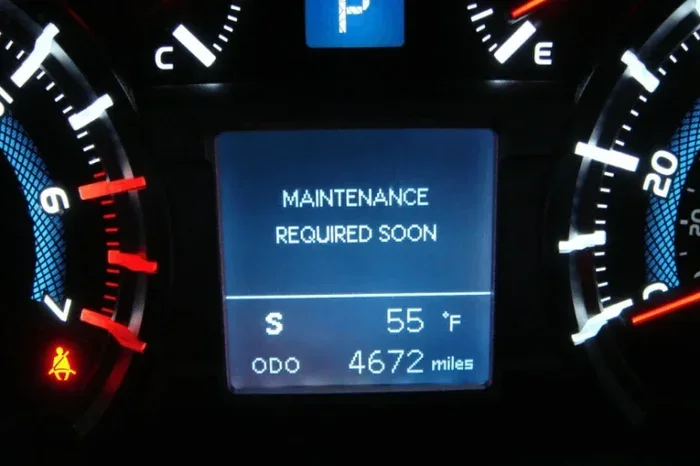
Modern Sienna models have transmission warning lights on the dashboard. If you see the check engine light or a specific transmission warning indicator, do not ignore it. These lights often trigger when the transmission control module detects a problem. You can have the codes read at most auto parts stores for free. This gives you an early heads-up about potential issues before they become serious.
How to Extend the Life of Your Sienna Transmission
Taking care of your Toyota Sienna transmission does not have to be complicated. A few simple habits can add tens of thousands of miles to its lifespan.
Follow the Recommended Maintenance Schedule
Toyota provides a detailed maintenance schedule for every Sienna model. The transmission fluid change interval is one of the most important items on that list. Most manufacturers recommend changing the fluid every 30,000 to 60,000 miles. Sticking to this schedule keeps the fluid clean and effective. Fresh fluid lubricates the internal components properly and helps dissipate heat. Old, dirty fluid loses its effectiveness and can cause accelerated wear on internal parts.
Check Transmission Fluid Regularly
Get in the habit of checking your transmission fluid level at least once a month. Low fluid is one of the leading causes of transmission problems. The fluid should be reddish in color and smell slightly sweet. If the fluid looks dark brown or smells burnt, it is time for a change. Dark, burnt fluid indicates the transmission has been running too hot for too long.
Warm Up Your Vehicle Before Driving
This is especially important in cold weather. Letting your Sienna idle for a minute or two allows the transmission fluid to circulate and reach the right temperature. Cold fluid is thicker and does not lubricate as effectively. You do not need to let it warm up for long. Just a minute or two is enough to get the fluid flowing properly and protecting the internal components.
Avoid Overloading Your Vehicle
Every Sienna has a maximum towing and payload capacity. Exceeding these limits puts excessive strain on the transmission. Check your owner’s manual for the specific weight limits for your model year. If you regularly carry heavy loads, consider upgrading to a transmission cooler. An auxiliary cooler helps keep the transmission temperature in the safe range, especially during towing or extended trips.
Address Small Problems Immediately
Do not wait for a big problem to visit a mechanic. Small issues like minor fluid leaks, slight shifting delays, or occasional hesitation are early warning signs. Addressing them quickly prevents more serious and expensive damage. Think of it this way: a small repair today can save you from a full transmission replacement tomorrow.
Toyota Sienna Transmission Replacement Cost
When transmission damage becomes unavoidable, the cost of replacement can be significant. Understanding what to expect helps you budget and make informed decisions.
Average Replacement Cost
The average cost to replace a Toyota Sienna transmission ranges from $1,800 to $3,500. This includes both the parts and labor. The exact cost depends on your Sienna model year, the type of transmission, and your local labor rates. If you catch the problem early and the transmission can be rebuilt rather than replaced, the cost may be lower. A transmission rebuild typically costs between $1,200 and $2,500.
New vs. Rebuilt vs. Remanufactured
You have several options when replacing a transmission. A new transmission comes directly from the manufacturer or a certified supplier. It is the most expensive option but offers the longest warranty and the best reliability. A rebuilt transmission has been disassembled, inspected, and repaired with worn parts replaced. It is a cost-effective option that still provides good performance. A remanufactured transmission is similar to a rebuilt unit but goes through a more thorough process. It is essentially restored to factory specifications. Each option has its pros and cons. Discuss them with a trusted mechanic to find the best choice for your situation and budget.
Warranty and Coverage
If your Sienna is still under warranty, the transmission may be covered. Toyota offers a bumper-to-bumper warranty that typically covers 3 years or 36,000 miles. The powertrain warranty is longer, usually 5 years or 60,000 miles. Some Sienna models may also have extended transmission coverage or recalls. Check with your dealer to see if your specific vehicle qualifies for any warranty repairs.
How Long Can You Drive with a Failing Transmission?
This is a common question, and the honest answer is: not long. Driving with a failing transmission can cause further damage to the drivetrain. In some cases, a small repair becomes a full replacement if you keep driving on a damaged transmission. If you notice any of the warning signs mentioned earlier, have the vehicle inspected as soon as possible. Continuing to drive a vehicle with transmission problems risks safety and increases repair costs significantly.
Many owners also wonder about overall vehicle longevity and how their Sienna compares to other models. If you are curious, you might find it helpful to learn how many miles a car can last on average. This broader context helps you understand where the Sienna stands among other reliable vehicles on the road today.
When to See a Mechanic About Your Transmission
Knowing when to seek professional help saves you time, money, and stress. Here are the situations where a mechanic visit is essential.
If you notice any of the warning signs discussed above, do not wait. Slipping gears, harsh shifting, and unusual noises will not fix themselves. They almost always get worse over time. The longer you delay, the more damage the transmission sustains.
If your transmission fluid level is consistently low, there is likely a leak somewhere in the system. A mechanic can locate the leak and repair it before the transmission runs dry. Running a transmission with low fluid is one of the fastest ways to cause catastrophic damage.
If your check engine light is on and you suspect a transmission issue, get the codes read professionally. A diagnostic scan can reveal transmission-specific trouble codes that point to the exact problem. Many auto parts stores offer free code reading, which can give you a starting point for further investigation.
Regular transmission inspections are also a good idea. Even if everything seems fine, having a professional check the fluid and components during routine maintenance catches potential issues early. Prevention is always cheaper than repair.
Some owners also compare the Sienna to other Toyota models for reliability insights. If you are interested, you might explore Can a Toyota Camry last 500,000 miles. While the Camry and Sienna serve different purposes, their transmission systems share some common design principles and maintenance needs.
Conclusion
The Toyota Sienna transmission is built to last. With an average lifespan of 150,000 to 250,000 miles, it is one of the most durable components of this popular minivan. The key to reaching that upper end of the range is consistent maintenance and prompt attention to any warning signs.
Follow the recommended maintenance schedule, check your fluid regularly, and drive with care. These simple habits go a long way in protecting your transmission and your wallet. A well-maintained Toyota Sienna transmission can easily outlast the vehicle itself, giving you years of reliable service.
If you ever need a transmission replacement or rebuild, work with a qualified mechanic who has experience with Toyota vehicles. They will know the specific needs of your Sienna and can recommend the best repair option for your situation and budget.
The Toyota Sienna has earned its reputation as a reliable family vehicle. With proper care, your Sienna transmission can keep you on the road for hundreds of thousands of miles. Take care of it, and it will take care of you.
If you are interested in the versatility of the Sienna beyond just reliability, you might enjoy learning about turning a Toyota Sienna into a camper. It is a popular modification that shows just how adaptable and durable this vehicle truly is.
Frequently Asked Questions
How often should I change the transmission fluid in my Toyota Sienna?
Most Toyota experts recommend changing the transmission fluid every 30,000 to 60,000 miles. However, if you tow frequently or drive in stop-and-go traffic, you may need to change it more often. Always check your owner’s manual for the specific interval recommended for your model year.
Can a Toyota Sienna transmission last 300,000 miles?
Yes, it is possible. Many well-maintained Sienna transmissions have surpassed 300,000 miles. The key is staying on top of fluid changes, addressing small issues early, and driving gently. Regular maintenance is the biggest factor in reaching that kind of mileage.
What is the average cost to rebuild a Toyota Sienna transmission?
A transmission rebuild typically costs between $1,200 and $2,500. This is usually less expensive than a full replacement, which can range from $1,800 to $3,500. The exact cost depends on the extent of the damage and your local labor rates.
Is it safe to drive a Toyota Sienna with a slipping transmission?
No, it is not safe. Driving with a slipping transmission can cause further damage to the drivetrain and may leave you stranded. The transmission could fail completely while you are driving, which creates a serious safety risk. Have the vehicle inspected immediately.
Does the Toyota Sienna transmission have a warranty?
Toyota offers a bumper-to-bumper warranty that typically covers 3 years or 36,000 miles. The powertrain warranty is longer, usually 5 years or 60,000 miles. Some Sienna models may also have extended transmission coverage or recalls. Check with your dealer for details specific to your vehicle.
What causes a Toyota Sienna transmission to fail early?
The most common causes are neglected fluid changes, aggressive driving, frequent towing, and ignoring early warning signs like slipping or delayed shifting. Hot climates and stop-and-go traffic also accelerate wear. Regular maintenance and gentle driving habits are the best ways to prevent early failure.