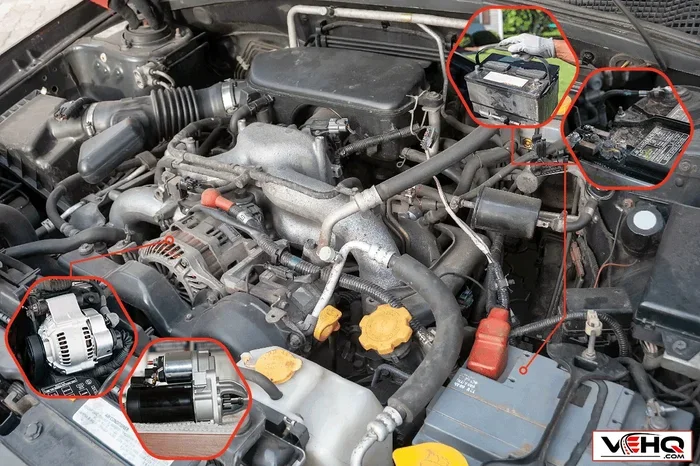
How Long Does a Toyota Alternator Last for Many Years
A Toyota alternator typically lasts between 80,000 and 150,000 miles, or about 7 to 10 years. Your driving habits, climate, and maintenance routine all play a big role. Knowing the early warning signs can save you from a costly breakdown and keep your Toyota running strong for many more miles.
This is a comprehensive guide about How Long Does a Toyota Alternator Last.
Key Takeaways
- Average Lifespan: Most Toyota alternators last 80,000 to 150,000 miles under normal conditions.
- Warning Signs Matter: Dim headlights, dead battery, and strange noises are early clues your alternator may be failing.
- Maintenance Helps: Regular inspections and clean connections can add years to your alternator’s life.
- Driving Style Counts: Short trips and extreme heat can shorten alternator life significantly.
- Replacement Cost: Expect to pay between $300 and $700 for parts and labor combined.
- Toyota Reliability: Toyota vehicles are known for long-lasting electrical systems when properly cared for.
[FEATURED_IMAGE_PLACEHOLDER]
How Long Does a Toyota Alternator Last for Many Years
Toyota vehicles are built to last. That is one of the main reasons millions of drivers trust the brand. But even the most reliable car has parts that wear out over time. The alternator is one of those parts. It keeps your electrical system running while the engine turns over. Without a working alternator, your Toyota simply cannot function properly.
So how long does a Toyota alternator last? The short answer is that most Toyota alternators last between 80,000 and 150,000 miles. That translates to roughly 7 to 10 years for the average driver. But this number is not set in stone. Several factors can push that lifespan shorter or longer. Let us dive deep into everything you need to know about your Toyota alternator and how to make it last for many years.
Understanding your alternator is not just for mechanics. Every Toyota owner should know the basics. It helps you spot problems early. It saves you money. And it keeps you safe on the road. Whether you drive a Camry, a Corolla, or a Highlander, this guide covers it all. You will learn what the alternator does, how long it lasts, what kills it early, and how to keep it healthy.
Toyota vehicles are known for their incredible longevity, and the alternator plays a quiet but important role in that reliability. When the alternator fails, it can cause a chain of electrical problems. That is why paying attention to this part matters so much. Think of the alternator as the heartbeat of your car’s electrical system. When it stops, everything else starts to suffer.
What Does a Toyota Alternator Do?
The alternator has one simple job. It converts mechanical energy into electrical energy. While your engine runs, the alternator charges the battery. It also powers all the electrical systems in your car. Think of the lights, the radio, the power windows, and the air conditioning. All of these rely on the alternator to work.
Without the alternator, your battery alone cannot keep up. The battery stores energy. But it needs the alternator to recharge it while you drive. This is a continuous loop. The engine runs, the alternator spins, and electricity flows through the system. It happens every single time you turn the key.
How the Alternator Works in Simple Terms
The alternator sits next to the engine. A serpentine belt connects it to the engine’s crankshaft. As the engine turns, the belt spins the alternator. Inside the alternator, a rotor spins inside a stator. This creates a magnetic field. That magnetic field generates electricity. The electricity then flows through wires to the battery and electrical systems.
It is a clever and simple design. Toyota engineers have refined this process over decades. The result is a part that is both durable and efficient. But like any mechanical component, it does wear out. The question is how fast that happens.
How Long Does a Toyota Alternator Typically Last?
The average Toyota alternator lasts somewhere between 80,000 and 150,000 miles. For most drivers, that means 7 to 10 years of service. But this range is wide for a reason. Your actual experience depends on several key factors.
Toyota cars are designed to go the distance, and the alternator is built to match that expectation. However, not every alternator reaches the upper end of that range. Let us look at what affects alternator lifespan the most.
Factors That Affect Alternator Lifespan
- Driving Habits: Frequent short trips can strain the alternator. The battery never fully charges during short drives.
- Climate: Extreme heat and cold both wear on electrical components. Hot climates are especially tough on alternators.
- Electrical Load: Running too many accessories at once puts extra demand on the alternator. High-powered audio systems and aftermarket lights are common culprits.
- Belt Condition: A worn serpentine belt causes the alternator to work harder. It can also slip, reducing charging efficiency.
- Battery Health: A weak battery forces the alternator to work overtime. This accelerates wear and tear.
- Maintenance: Regular inspections and clean connections keep the alternator running smoothly for longer.
Each of these factors plays a real role. A driver who takes care of their car and avoids extreme conditions can expect the upper end of the lifespan range. On the other hand, harsh driving conditions can cut that life in half.
Signs Your Toyota Alternator Is Failing
Catching alternator problems early is the key to avoiding a breakdown. The alternator does not usually fail without warning. Your car gives you plenty of clues. You just need to know what to look for.
Warning Light on the Dashboard
The battery warning light is the most obvious sign. It looks like a small battery icon on your dashboard. If this light comes on while driving, do not ignore it. It means the charging system is not working properly. The alternator may be failing, or there could be a loose connection.
Dim or Flickering Lights
Are your headlights dimming when you idle? Do the dashboard lights flicker at night? These are classic alternator symptoms. When the alternator cannot produce enough power, the electrical systems dim. This is especially noticeable at low RPMs when the alternator spins slower.
Dead or Weak Battery
A dead battery is often blamed for alternator problems. But the truth is, a failing alternator is usually the real cause. If you replace your battery and it dies again within a few weeks, the alternator is likely at fault. The alternator is supposed to keep the battery charged. When it cannot do that job, the battery suffers.
Strange Noises
Listen to your car. A whining or grinding noise coming from the engine area can signal alternator trouble. These sounds often mean the internal bearings are wearing out. A growling noise can also point to a misaligned alternator pulley.
Electrical Accessories Acting Up
Power windows slowing down? The radio cutting out? Seat warmers not working? These small electrical glitches can add up. They often mean the alternator is not delivering enough power. Your car prioritizes essential systems when power is low. Accessories are the first to go.
Just like overheating can damage other car parts, a failing alternator can cause electrical damage over time. That is why you should never delay alternator repairs.
How to Make Your Toyota Alternator Last Longer
The good news is that you can take steps to extend your alternator’s life. Simple habits and regular maintenance go a long way. Here is what you can do starting today.
1. Keep the Battery Healthy
Your battery and alternator work as a team. A weak battery puts extra stress on the alternator. Have your battery tested at least once a year. Replace it when it shows signs of age. Most Toyota batteries last 3 to 5 years. Staying ahead of battery problems protects the alternator too.
2. Check the Serpentine Belt Regularly
The serpentine belt drives the alternator. A cracked or loose belt reduces charging performance. Inspect the belt every few months. Look for cracks, glazing, or fraying. Replace the belt at the first sign of wear. A new belt costs very little compared to alternator damage.
3. Avoid Overloading the Electrical System
Aftermarket accessories can be fun. But they also draw extra power. High-wattage audio systems, LED light bars, and winches all increase the electrical load. If you add accessories, make sure your alternator can handle the demand. Upgrading to a higher-output alternator is a smart move for heavily modified Toyotas.
4. Drive Your Car Regularly
Short trips are tough on the charging system. The alternator does not have enough time to fully recharge the battery. If you can, take longer drives occasionally. This gives the alternator time to do its job properly. Even a 20-minute drive on the highway helps.
5. Keep Connections Clean
Corroded battery terminals and loose wiring cause all kinds of electrical problems. Check the battery terminals for greenish buildup. Clean them with a wire brush if needed. Make sure all alternator wiring connections are tight and secure. This simple step prevents many common alternator issues.
6. Follow the Toyota Maintenance Schedule
Toyota provides a detailed maintenance schedule for every model. Follow it. Regular service visits include electrical system checks. A trained technician can spot alternator problems before they become serious. Staying on top of scheduled maintenance is one of the best things you can do for your car.
Just like checking your transmission dipstick, regular alternator inspections should be part of your routine car care. Small checks lead to big savings over time.
Toyota Alternator Replacement Cost and Process
When your alternator does fail, you need to know what to expect. The replacement process is straightforward. The cost varies depending on your Toyota model and where you go for service.
How Much Does It Cost?
On average, a Toyota alternator replacement costs between $300 and $700. The parts alone run about $150 to $350. Labor adds another $100 to $350 depending on the model and location. Higher-end Toyota models or luxury trims may cost more. Always get a quote before committing to the repair.
Can You Replace It Yourself?
If you have basic mechanical skills, you can replace the alternator yourself. The process usually involves removing the serpentine belt, unplugging the wiring, and unbolting the alternator. It is a manageable job for most DIYers. However, if you are not comfortable working on your car, a professional mechanic is the safer choice.
How Long Does the Replacement Take?
A professional mechanic can replace a Toyota alternator in about 1 to 2 hours. DIYers may take a bit longer, especially if it is their first time. The process is not overly complex. Most of the time goes toward removing the old belt and accessing the alternator.
Common Mistakes That Shorten Alternator Life
Some habits silently kill your alternator. Knowing what to avoid is just as important as knowing how to care for it. Here are the most common mistakes Toyota owners make.
- Ignoring the Battery Warning Light: Many drivers see the light and keep driving. This is a huge mistake. A warning light means something is wrong now, not later.
- Jump-Starting Too Often: Frequent jump-starts strain the alternator. If you need jump-starts regularly, your battery or alternator has a deeper problem.
- Using Cheap Replacement Parts: Budget alternators may save money upfront. But they often fail much sooner. Investing in quality parts pays off in the long run.
- Neglecting Belt Tension: A loose belt causes the alternator to spin improperly. This leads to undercharging and premature wear.
- Running the Car with a Dead Battery: A dead battery forces the alternator to work at maximum capacity every time you drive. This is a recipe for early failure.
Just as a car wrap needs proper care to last, your alternator needs attention and maintenance to reach its full lifespan. Small efforts make a big difference.
Toyota Model-Specific Alternator Notes
Different Toyota models have different alternator specifications. Here is a quick look at some popular models and what owners should know.
- Toyota Camry: The Camry alternator is known for durability. Most Camry alternators last well beyond 100,000 miles with proper care.
- Toyota Corolla: The Corolla alternator is reliable but smaller. It handles less electrical load. Corolla owners should pay close attention to belt condition.
- Toyota RAV4: The RAV4 alternator powers more accessories due to the SUV features. Regular checks are important for RAV4 owners.
- Toyota Highlander: The Highlander has a larger alternator to support three-row seating and extra electronics. It generally lasts the full expected range.
- Toyota Tacoma: Tacoma alternators are built tough for truck use. Owners who tow frequently should upgrade to a high-output alternator.
Toyota Camry owners know the value of long-lasting parts, and the alternator is no exception. Each model has its own strengths. Understanding yours helps you take better care of it.
When to Replace Your Alternator vs. Repair It
Not every alternator problem requires a full replacement. Sometimes a simple repair fixes the issue. Knowing the difference saves you time and money.
Minor issues like loose wiring or a worn belt can often be repaired without replacing the alternator. A voltage regulator failure can sometimes be fixed separately. But if the alternator’s internal bearings are damaged or the stator is failing, replacement is usually the best option.
Mechanics can test your alternator with a multimeter. A healthy alternator should produce between 13.5 and 14.5 volts when the engine is running. If the reading is below 13 volts, the alternator is undercharging. Above 15 volts means it is overcharging. Both situations need attention.
Before replacing the alternator, make sure the battery is in good shape. A bad battery can mimic alternator symptoms. Testing both parts ensures you fix the right problem the first time.
Final Thoughts
Your Toyota alternator is a hardworking part that deserves your attention. Most Toyota alternators last between 80,000 and 150,000 miles. That is a long time. But it is not automatic. Your driving habits, maintenance routine, and climate all shape how long your alternator actually lasts.
Watch for the warning signs. Dim lights, dashboard warnings, and strange noises should never be ignored. Keep your battery healthy and your connections clean. Follow the Toyota maintenance schedule. These simple steps add years to your alternator’s life and keep your Toyota running smoothly.
A well-maintained alternator means a reliable car. It means fewer surprises and fewer expensive repairs. It means you can trust your Toyota to get you where you need to go. Take care of your alternator, and it will take care of you for many years to come.
Remember, your Toyota is an investment. Protecting every part of it, including the alternator, pays off in the long run. Drive smart, maintain regularly, and enjoy the road ahead.
FAQs
How do I know if my Toyota alternator is going bad?
Look for dim headlights, a battery warning light on the dashboard, strange grinding noises, or electrical accessories acting up. These are the most common signs that your alternator is failing and needs inspection.
Can I drive my Toyota with a bad alternator?
You can drive short distances on battery power alone. But once the battery dies, the car will stall and will not restart. Driving with a bad alternator is risky and can leave you stranded.
How much does it cost to replace a Toyota alternator?
The average cost ranges from $300 to $700. This includes both parts and labor. The exact price depends on your Toyota model and where you get the repair done.
Does the Toyota alternator warranty cover replacement?
Toyota’s factory warranty typically covers the alternator for 3 years or 36,000 miles, whichever comes first. Extended warranties may cover it longer. Check your specific warranty terms for details.
Can a bad alternator damage the battery?
Yes, absolutely. A failing alternator either undercharges or overcharges the battery. Both conditions can significantly shorten battery life and cause additional electrical problems in your Toyota.
How often should I have my alternator checked?
Have your alternator inspected at every regular service visit. Most Toyota owners should schedule an electrical system check at least once a year or every 15,000 miles. This catches problems before they become expensive repairs.
Frequently Asked Questions
What is How Long Does a Toyota Alternator Last?
How Long Does a Toyota Alternator Last is an important topic with many practical applications.