How Long Do Prius Batteries Last And What Affects Their Life
So, how long do Prius batteries last? Most Toyota Prius hybrid batteries last between 100,000 and 200,000 miles, with many drivers pushing past that range. Several factors play a role, including driving habits, climate, and maintenance. Understanding what affects Prius battery life can help you get the most out of your investment.
Owning a Toyota Prius comes with many perks. Great fuel economy, low maintenance costs, and a reputation for reliability top the list. But one question Prius owners always ask is: how long do Prius batteries last? The answer isn’t as simple as a single number. Many factors play into the hybrid battery longevity of your specific vehicle.
If you are considering buying a used Prius or already own one, understanding battery life is essential. A hybrid vehicle battery is the heart of the system. When it starts to fade, so does your fuel economy and overall driving experience. This guide breaks down everything you need to know about Prius battery life, what shortens it, and how you can make yours last longer.
The good news? Most Prius batteries far outlast what people expect. With proper care, many owners report hybrid battery longevity well beyond 150,000 miles. Some even hit the 200,000-mile mark without needing a replacement. Let us dive into the details.
Key Takeaways
- Average Lifespan: Most Prius batteries last 100,000 to 200,000 miles under normal conditions.
- Driving Habits Matter: Gentle driving and proper charging cycles significantly extend battery health.
- Climate Impact: Extreme heat and cold accelerate battery degradation over time.
- Replacement Cost: A new Prius battery typically costs between $2,000 and $4,000, but refurbished options exist.
- Warning Signs: Reduced fuel economy, dashboard warnings, and sluggish performance signal a failing battery.
- DIY Maintenance: Simple habits like avoiding full discharges can add years to your battery life.
📑 Table of Contents
How Long Do Prius Batteries Last Across Different Generations
The lifespan of a Prius battery depends heavily on which generation you own. Each model year brought improvements in battery technology and design. Here is a closer look at what to expect.
First Generation Prius (1997-2003) Battery Life
The original Prius used a nickel-metal hydride battery pack. These early batteries were groundbreaking but had limitations. Most first-generation owners see battery life in the range of 100,000 to 150,000 miles. Some lucky drivers have pushed past 200,000 miles, but that is less common.
If you own or are shopping for a first-gen Prius, keep an eye on battery health. Regular testing can catch early warning signs. Replacing a battery in these older models can be pricey, but refurbished battery options help bring costs down.
Second Generation Prius (2004-2009) Battery Life
The second generation saw major improvements. Toyota refined the nickel-metal hydride battery chemistry and cooling systems. Most second-gen Prius batteries last between 150,000 and 200,000 miles.
This generation is often considered the sweet spot for hybrid battery longevity. The batteries were more robust, and the cooling system was better designed. Many mechanics consider the second-gen Prius one of the most reliable hybrid vehicles on the road today.
Third Generation and Newer Prius Models (2010-Present) Battery Life
Starting in 2010, Toyota introduced updated battery systems with improved chemistry and thermal management. Third-generation and newer Prius models often see battery life exceeding 200,000 miles. Some owners report their batteries lasting the entire life of the car.
Toyota also extended battery warranties over the years. This gives owners peace of mind and highlights the company’s confidence in hybrid battery longevity. If you are wondering about how long does a Prius battery last in newer models, the answer is impressively long.
What Affects Prius Battery Life
Not all Prius batteries age the same way. Several key factors determine how quickly your battery degrades. Understanding these can help you take proactive steps to protect your investment.
Driving Habits and Usage Patterns
How you drive directly impacts battery health. Aggressive acceleration and hard braking put extra strain on the hybrid vehicle battery. Short trips with frequent stop-and-go traffic can also accelerate wear.
On the other hand, gentle driving with steady speeds helps the battery cycle more evenly. Highway driving is generally easier on the battery than constant city driving. If you want your battery to last, smooth and consistent driving is your best friend.
Climate and Temperature Extremes
Extreme temperatures are one of the biggest enemies of Prius battery life. High heat accelerates chemical degradation inside the battery pack. Cold weather reduces battery efficiency and forces the system to work harder.
Living in a hot climate? Your battery may degrade faster than someone in a moderate climate. Parking in shaded areas or a garage can help. In cold climates, keeping the car garaged also makes a difference. Temperature management is one of the simplest ways to protect your hybrid battery longevity.
Maintenance and Care Practices
Like any car component, your Prius battery benefits from regular care. Keeping the cooling system in good shape ensures the battery stays at optimal temperature. Checking for corrosion on battery terminals and connections also helps.
Many owners overlook the importance of hybrid battery maintenance. Simple steps like avoiding a fully depleted battery and not overcharging go a long way. Following Toyota’s recommended service schedule keeps everything running smoothly.
Signs Your Prius Battery Is Wearing Out
Nobody wants a dead battery on the highway. Fortunately, Prius batteries give plenty of warning before they fail completely. Recognizing these signs early can save you from unexpected breakdowns.
- Reduced Fuel Economy: One of the first signs of a fading battery. If your miles per gallon drop noticeably, the battery may be struggling to hold a charge.
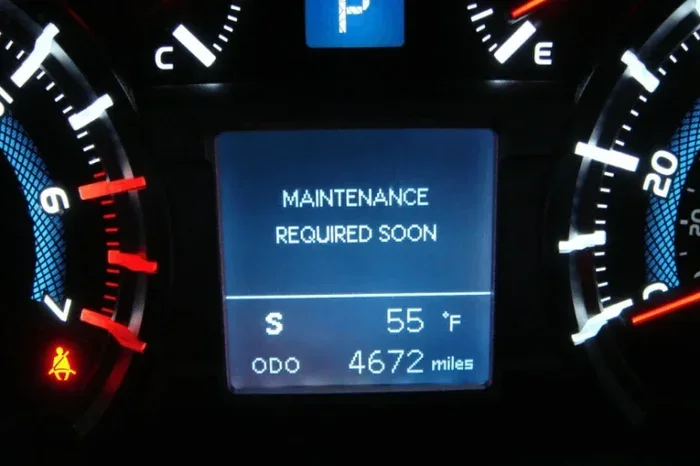
- Dashboard Warning Lights: The triangle warning light or a specific battery alert means something is off. Do not ignore these warnings.
- Sluggish Acceleration: A weak battery means less electric motor assist. You may notice your Prius feels slower, especially at low speeds.
- Battery State of Charge Fluctuates: If the battery indicator on your dashboard bounces around erratically, the battery cells may be unbalanced.
- Engine Runs More Often: A healthy hybrid battery handles more of the driving workload. When it fades, the gas engine kicks in more frequently.
Catching these signs early gives you time to plan for a replacement. Ignoring them can lead to more serious and expensive problems down the road.
Prius Battery Replacement Cost and Process
Nobody loves talking about replacement costs, but it is important to know what you are dealing with. The price of a new Prius battery can vary widely based on several factors.
A brand-new Toyota Prius battery replacement typically costs between $2,000 and $4,000. This includes the battery pack and labor. Prices can be higher for newer models with advanced battery technology. However, refurbished or remanufactured battery options can cut that cost by 30 to 50 percent.
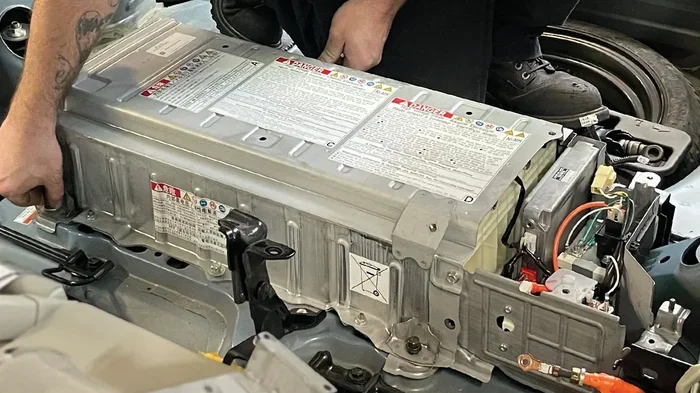
The replacement process itself usually takes a few hours. A qualified technician removes the old battery pack and installs the new one. Most shops also perform a system reset and calibration. This ensures the hybrid system recognizes the new battery and operates correctly.
One thing that surprises many owners: how long do Prius batteries last after a replacement? In most cases, the new battery comes with a warranty of 8 to 10 years or 100,000 miles. This means you are covered if something goes wrong early on.
Tips to Extend Your Prius Battery Life
Want to squeeze every last mile out of your Prius battery? These practical tips can help you maximize hybrid battery longevity and delay the need for a costly replacement.
- Avoid Fully Depleting the Battery: Letting the battery drain completely stresses the cells. Try to keep the state of charge above 20 percent whenever possible.
- Drive Smoothly: Gentle acceleration and braking reduce strain on the battery pack. Think of it as driving like you have an egg under the pedal.
- Keep It Cool: Park in the shade or a garage when possible. Heat is the number one killer of hybrid vehicle battery cells.
- Follow the Maintenance Schedule: Regular Toyota service appointments catch small problems before they become big ones. Stick to the recommended service intervals.
- Monitor Battery Health: Use an OBD-II scanner or visit a mechanic to check battery condition annually. Early detection of weak cells can prevent full failure.
- Use Regenerative Braking Wisely: Coasting to stops charges the battery gently. This is easier on the system than hard braking followed by heavy acceleration.
These habits take minimal effort but pay off significantly over time. Think of them as insurance for your Prius battery life.
Common Myths About Prius Battery Life
There is a lot of misinformation out there about Prius batteries. Let us clear up some of the most common myths.
Myth 1: Prius batteries always fail at 100,000 miles. This is simply not true. While 100,000 miles is an average estimate, many batteries last well beyond that. How long do Prius batteries last depends on your specific driving conditions and habits.
Myth 2: Hybrid batteries are too expensive to replace. Yes, replacement costs are high. But consider that a Prius battery can last 150,000 to 200,000 miles or more. Spread over that lifespan, the cost per mile is actually quite low. Plus, many owners never need a replacement at all.
Myth 3: You should drive your Prius in full electric mode all the time. The hybrid system is designed to manage power automatically. Forcing full electric mode constantly can actually strain the battery. Trust the system to do its job.
Myth 4: You cannot drive a Prius with a bad battery. A severely degraded battery will trigger a warning and limit performance. However, the car will still run on the gas engine. It just will not be as efficient. Still, you should address battery issues promptly to avoid further damage.
Understanding the facts helps you make informed decisions about your Prius battery health. Do not let myths scare you away from one of the most reliable hybrid vehicles ever built.
Final Thoughts on Prius Battery Longevity
So, what is the final verdict on how long do Prius batteries last? The answer is clear: most Prius hybrid batteries are built to go the distance. With proper care and smart driving habits, you can expect 150,000 to 200,000 miles or more from your battery pack.
What affects Prius battery life comes down to three main factors: driving style, climate, and maintenance. Control what you can, monitor what you cannot, and your battery will reward you with years of reliable service. Whether you drive a first-generation model or the latest release, these principles apply.
Remember, the Toyota Prius has earned its reputation as one of the most durable hybrid vehicles on the market. The battery is no exception. Treat it well, and it will treat you well in return. Start applying these tips today, and enjoy peace of mind on every drive.
If you are curious about overall vehicle longevity, check out how many miles a car can last for more insights. For Prius-specific longevity, read about whether a Toyota Prius can last 300,000 miles and whether a Prius battery can last 200,000 miles.
Frequently Asked Questions
How long do Prius batteries last on average?
Most Prius hybrid batteries last between 100,000 and 200,000 miles. Many drivers report their batteries going well beyond 150,000 miles with proper care. The exact lifespan depends on your driving habits, climate, and maintenance routine.
What is the cost of replacing a Prius battery?
A new Prius battery replacement typically costs between $2,000 and $4,000. Refurbished or remanufactured options can reduce that cost significantly. Toyota also offers warranty coverage that may apply if your battery fails within the warranty period.
Can a Prius battery last 200,000 miles?
Yes, many Prius owners have reported their batteries lasting 200,000 miles or more. This is more common in newer generations with improved battery technology. Regular maintenance and gentle driving habits contribute greatly to reaching this milestone.
What are the warning signs of a failing Prius battery?
Watch for reduced fuel economy, dashboard warning lights, sluggish acceleration, and erratic battery charge readings. The gas engine may also run more frequently than usual. If you notice any of these signs, have your battery tested promptly.
Does climate really affect Prius battery life?
Absolutely. Extreme heat accelerates battery degradation, while extreme cold reduces efficiency. Parking in a garage or shaded area helps protect your battery. Temperature management is one of the simplest ways to extend your battery’s lifespan.
How can I make my Prius battery last longer?
Avoid fully depleting the battery, drive smoothly, keep the car in a temperature-controlled environment, and follow Toyota’s maintenance schedule. Regular battery health checks and smart driving habits go a long way in maximizing Prius battery life.
=== CONCLUSION ===
How long do Prius batteries last is a question with a reassuring answer. Most Toyota Prius hybrid batteries deliver 100,000 to 200,000 miles of reliable service. With the right care, many exceed those numbers comfortably. The key factors that affect battery life are well within your control: how you drive, where you park, and whether you stay on top of maintenance.
Do not let battery concerns hold you back from enjoying the benefits of hybrid ownership. The Toyota Prius remains one of the smartest choices for drivers who want reliability, efficiency, and long-term value. Take the tips from this guide, apply them consistently, and your Prius battery will keep you rolling for miles to come.