How Long Do Struts Last on a Toyota Heres the Truth
Toyota struts typically last between 50,000 and 100,000 miles, but real-world conditions can shorten or extend that range significantly. Your driving habits, road conditions, and maintenance routine all play a major role in strut lifespan. This guide breaks down everything you need to know about how long do struts last on a Toyota, including warning signs, replacement costs, and simple tips to get the most miles out of your suspension.
Key Takeaways
- Average Strut Life: Most Toyota struts last between 50,000 and 100,000 miles depending on driving conditions.
- Warning Signs Matter: Bouncing, nose-diving, and uneven tire wear are clear signals your struts need attention.
- Driving Style Counts: Rough roads and aggressive driving wear struts out faster.
- Replacement Is Not Optional: Worn struts compromise safety, handling, and tire life.
- Toyota Longevity Helps: With proper care, a Toyota can last well over 200,000 miles, and struts are a key part of that equation.
- Cost Range: Expect to pay between $300 and $1,500 per axle for strut replacement.
- Preventive Maintenance: Regular inspections and smooth driving extend strut life significantly.
📑 Table of Contents
- How Long Do Struts Last on a Toyota
- What Do Struts Do and Why Do They Wear Out?
- How Many Miles Do Toyota Struts Typically Last?
- Warning Signs Your Toyota Struts Are Worn
- How Much Does It Cost to Replace Struts on a Toyota?
- Tips to Make Your Toyota Struts Last Longer
- How Strut Replacement Fits Into Overall Toyota Maintenance
- When to Replace Struts vs When to Wait
- Final Thoughts
How Long Do Struts Last on a Toyota
If you own a Toyota, you already know these vehicles are built to go the distance. But even the most reliable car needs parts replaced over time. Struts are one of those components that quietly do their job until they dont. So how long do struts last on a Toyota? The honest answer is it depends, but most drivers can expect a range of 50,000 to 100,000 miles.
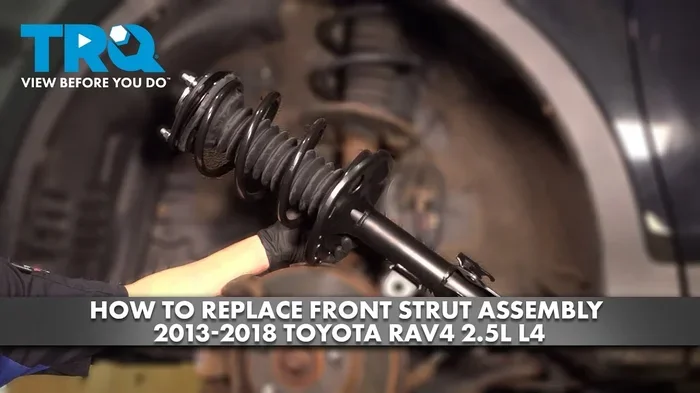
Struts are a vital part of your Toyotas suspension system. They absorb road impacts, keep your ride smooth, and help your tires maintain contact with the road. When they wear out, your comfort and safety take a hit. Lets dive deep into everything you need to know about strut lifespan, warning signs, and what you can do to get the most out of them.
Toyota has earned a reputation for building cars that last. Many owners push their vehicles well past 200,000 miles. But even the best Toyota needs regular attention to its suspension. Ignoring strut wear can lead to bigger problems down the road, including tire damage, handling issues, and unsafe driving conditions. Understanding how long your struts should last is the first step toward keeping your Toyota running strong for years to come.
What Do Struts Do and Why Do They Wear Out?
Struts combine several functions into one compact unit. They support the weight of your vehicle, absorb bumps from the road, and help control your cars steering and braking. Think of them as the shock absorbers and structural support system rolled into one. Without working struts, your Toyota would bounce uncontrollably and feel unsafe to drive.
Over time, the internal components of a strut degrade. The hydraulic fluid breaks down. The seals wear out. The coil spring loses tension. All of this happens gradually, which is why many drivers dont notice the decline right away. By the time symptoms become obvious, the struts may already be significantly worn.
Factors That Affect Strut Wear
Several factors determine how fast your struts wear down. Here are the biggest contributors:
- Driving Habits: Hard braking and aggressive cornering put extra stress on struts.
- Road Conditions: Potholes, gravel roads, and uneven surfaces accelerate wear.
- Load Weight: Frequently carrying heavy loads or towing strains the suspension.
- Climate: Salt, moisture, and extreme temperatures can corrode strut components.
- Maintenance: Skipping regular suspension inspections lets small problems grow.
If you drive your Toyota mostly on smooth highways, your struts will likely last closer to the 100,000-mile mark. But if you navigate rough city streets or live in an area with harsh winters, expect them to wear out sooner. Its also worth noting that a Toyota that has been driven carefully and maintained well over its lifespan, potentially reaching 200,000 miles or more, will have had struts replaced at least once or twice during that journey.
How Many Miles Do Toyota Struts Typically Last?
The general range for Toyota strut lifespan is 50,000 to 100,000 miles. But this is just an average. Some Toyotas go beyond 100,000 miles on original struts, while others need replacement at 40,000 miles. The variation comes down to the factors mentioned above.
Here is a quick breakdown by common Toyota models and typical strut life:
- Toyota Camry: 60,000 to 100,000 miles under normal conditions. The Camry is known for its durability, and with regular maintenance, its suspension components often last a long time.
- Toyota RAV4: 50,000 to 90,000 miles. The RAV4 handles various road conditions, and owners who frequently drive on rough terrain may see earlier wear.
- Toyota Corolla: 60,000 to 100,000 miles. The Corollas lighter weight puts less stress on struts, helping them last longer.
- Toyota Tacoma: 50,000 to 80,000 miles. Trucks that haul or tow tend to wear suspension parts faster.
- Toyota Highlander: 50,000 to 90,000 miles. The larger vehicle weight puts more demand on the front struts.
These numbers are estimates, not guarantees. The best way to know the true condition of your struts is to have them inspected regularly. A trusted mechanic can spot early signs of wear before they become expensive problems.
Front vs Rear Strut Lifespan
Front struts usually wear out faster than rear struts. Heres why: the front of your Toyota handles the bulk of steering, braking, and weight from the engine. This constant stress wears down the front struts more quickly. Rear struts, especially in rear-wheel-drive models, tend to last a bit longer because they face less strain.
However, this isnt always the case. If you frequently carry heavy cargo in the back, your rear struts may wear out faster than expected. Its important to inspect both sets of struts during routine maintenance checks.
Warning Signs Your Toyota Struts Are Worn
Catching strut wear early can save you money and keep you safe. Here are the most common signs that your Toyota struts need attention:
- Excessive Bouncing: Your Toyota continues to bounce several times after hitting a bump. Healthy struts should absorb the impact quickly and return the car to a stable ride.
- Nose-Diving During Braking: The front of your car dips significantly when you hit the brakes. This is a clear sign that the front struts are losing their damping ability.
- Uneven Tire Wear: You notice bald spots or cupping on your tires. Worn struts cause tires to lose consistent contact with the road, leading to premature and uneven wear.
- Bottoming Out: Your car hits the ground frequently over small bumps or potholes. This happens when the struts can no longer absorb the impact properly.
- Body Roll in Turns: Your Toyota leans heavily to one side when turning. The suspension feels loose or unstable.
- Visible Damage: You see oil leaking from the strut shaft or notice dents and corrosion on the strut body.
If you notice any of these symptoms, dont ignore them. Driving on worn struts is not just uncomfortable, it is dangerous. Your braking distance increases, your handling suffers, and your tires wear out faster. Replacing struts promptly keeps your Toyota safe and performing at its best.
How Much Does It Cost to Replace Struts on a Toyota?
Strut replacement cost varies depending on your Toyota model, the year, and whether you replace one strut or a pair. On average, you can expect to pay between $300 and $1,500 per axle. Here is a more detailed breakdown:
- Parts Only: $100 to $400 per strut, depending on whether you choose OEM or aftermarket parts.
- Labor Costs: $150 to $500 per axle, since strut replacement involves significant suspension work.
- Full Replacement (Both Struts): Most mechanics recommend replacing struts in pairs for balanced handling.
- Additional Costs: You may need new mounts, bearings, or alignment services, which can add $100 to $300 to the total.
While the cost may seem steep, replacing worn struts is essential. Driving on damaged struts leads to accelerated tire wear, reduced braking performance, and potential safety hazards. Think of it as an investment in the longevity and safety of your Toyota.
One thing to keep in mind is that Toyota vehicles are designed for long-term ownership. Many Toyotas can easily reach 200,000 miles or more with proper maintenance. Replacing struts at the right time is part of that long-term care plan. It keeps your vehicle reliable and preserves its resale value.
Tips to Make Your Toyota Struts Last Longer
You cant prevent strut wear entirely, but you can slow it down with smart driving and maintenance habits. Here are some practical tips:
1. Drive Smoothly
Avoid hard braking, sharp turns, and speeding over potholes. Gentle driving puts far less stress on your suspension components. Over thousands of miles, this adds up significantly.
2. Avoid Overloading Your Toyota
Carrying excessive weight strains your struts and other suspension parts. Stick to your Toyotas recommended load capacity, and if you tow frequently, make sure your suspension is up to the task.
3. Get Regular Inspections
During every oil change or tire rotation, ask your mechanic to inspect the struts and suspension. Catching minor issues early prevents costly replacements later.
4. Keep Tires Properly Inflated
Underinflated tires put extra stress on the suspension. Check your tire pressure monthly and keep it at the level recommended by Toyota.
5. Replace Struts in Pairs
Always replace struts on the same axle at the same time. This ensures balanced handling and prevents uneven wear on the new struts.
6. Address Suspension Issues Immediately
If you notice any warning signs, get your Toyota checked right away. Delaying repairs only makes the problem worse and can damage other components like tires and steering parts.
How Strut Replacement Fits Into Overall Toyota Maintenance
Replacing struts is just one part of keeping your Toyota in top shape. A well-maintained Toyota can last for hundreds of thousands of miles, and the suspension plays a big role in that. When you take care of your struts, you also protect your tires, your brakes, and your overall driving experience.
Many Toyota owners wonder how long their entire vehicle will last. The answer depends heavily on how well they maintain key components like the engine, transmission, and suspension. Struts may seem like a small part of the puzzle, but they directly affect safety, comfort, and tire longevity. Ignoring them can lead to a cascade of other problems that shorten the life of your Toyota.
Think of strut replacement as routine maintenance, similar to oil changes or brake pad replacements. It may not be cheap, but it is necessary. A Toyota that has had its struts replaced at the right intervals will continue to deliver the smooth, reliable driving experience that Toyota owners expect.
Another important consideration is the difference between struts and shock absorbers. Some vehicles use separate struts and shocks, while others like many Toyota models use a strut assembly that combines both functions. Understanding this difference helps you make informed decisions about maintenance and replacement. If you are unsure whether your Toyota uses struts or shocks, check your owners manual or ask your mechanic during your next service visit.
When to Replace Struts vs When to Wait
Not every sign of strut wear means you need immediate replacement. Here is a simple guide to help you decide:
- Replace Immediately: If your Toyota bottoms out frequently, leaks hydraulic fluid, or causes dangerous handling issues, replace the struts right away.
- Schedule Soon: If you notice mild bouncing, slightly uneven tire wear, or a slightly rougher ride, plan for replacement within the next few thousand miles.
- Monitor Closely: If you are at 80,000 miles and have not noticed any symptoms, get an inspection and keep an eye on things. Struts approaching 100,000 miles are nearing the end of their expected life.
Theres no shame in getting your struts checked regularly. In fact, proactive maintenance is one of the best things you can do for your Toyota. It keeps you safe, saves money in the long run, and ensures your vehicle continues to perform at its best for many miles to come.
Final Thoughts
So, how long do struts last on a Toyota? The answer is clear: with proper care and driving habits, most Toyota struts will last between 50,000 and 100,000 miles. But the real secret to long strut life is attention and prevention. Stay on top of inspections, drive smoothly, and never ignore the warning signs of wear.
Your Toyota is an investment, and the suspension is one of the most important systems to maintain. Struts affect everything from ride comfort to safety to tire longevity. Treat them well, and they will carry you smoothly for hundreds of thousands of miles. Replace them when needed, and your Toyota will continue to deliver the reliability and performance that made it famous in the first place.
Remember, a well-maintained Toyota can go well beyond 200,000 miles, and that includes keeping the suspension in great shape. Struts may not be the flashiest topic in car maintenance, but they are absolutely essential. Take care of them, and your Toyota will take care of you.
Frequently Asked Questions
How do I know if my Toyota struts need replacement?
Look for signs like excessive bouncing after bumps, nose-diving during braking, uneven tire wear, or a rough ride. If you notice any of these symptoms, have a mechanic inspect your struts as soon as possible. Early detection prevents further damage to your tires and suspension.
Can I drive on worn Toyota struts?
You can, but you shouldnt. Worn struts compromise your handling, increase braking distance, and cause unsafe driving conditions. They also wear out your tires prematurely. Replace them promptly to keep your Toyota safe and roadworthy.
How much does it cost to replace all four struts on a Toyota?
Replacing all four struts typically costs between $800 and $2,500, depending on your Toyota model and whether you choose OEM or aftermarket parts. Labor costs make up a significant portion of the total expense. Always get a detailed quote from a trusted mechanic before proceeding.
Do Toyota struts need to be replaced in pairs?
Yes, struts should always be replaced in pairs on the same axle. Replacing only one strut can lead to uneven handling and premature wear on the new strut. Most mechanics recommend replacing both front or both rear struts together for balanced performance.
Can bad struts damage other parts of my Toyota?
Absolutely. Worn struts accelerate tire wear, strain steering components, and increase stress on brakes. Over time, this leads to more expensive repairs. Keeping your struts in good condition protects your entire suspension system and saves you money in the long run.
How often should I have my Toyota struts inspected?
Have your struts inspected every 15,000 to 20,000 miles or during every tire rotation. Regular inspections help catch wear early before it causes bigger problems. If you frequently drive on rough roads, consider inspections more often. Your mechanic can give you a specific recommendation based on your driving conditions and Toyota model.