Find Out How Big the Gas Tank Is on a 2018 Toyota Camry
The 2018 Toyota Camry gas tank holds approximately 15.8 gallons of fuel, giving it a solid fuel tank capacity for daily driving. With an average combined fuel economy of around 32 miles per gallon, you can expect a driving range of roughly 500 miles on a full tank. Understanding your tank size helps you plan trips, estimate fuel costs, and avoid running low unexpectedly.
Have you ever wondered exactly how much gasoline your 2018 Toyota Camry can hold? It is a simple question, but the answer matters more than most people think. Your fuel tank capacity directly affects how far you can drive, how often you visit the pump, and even how much you spend on gas each month.
The 2018 Toyota Camry gas tank holds 15.8 gallons. That number might not sound exciting, but it is the foundation for everything else you need to know about fueling your car. Whether you commute to work every day or take weekend road trips, understanding your tank size gives you a real advantage. In this article, we will break down every detail about the gas tank on a 2018 Toyota Camry, from capacity and range to practical tips for getting the most out of every gallon.
So grab a coffee, settle in, and let us dive into everything you need to know about the fuel tank in your 2018 Camry. By the end, you will feel confident about your driving range, your fuel economy, and how to keep your car running efficiently.
Key Takeaways
- Tank Capacity: The 2018 Toyota Camry holds 15.8 gallons, a standard size for mid-size sedans.
- Driving Range: You can expect around 500 miles on a full tank depending on driving habits.
- Fuel Economy: The 2018 Camry delivers up to 29 city MPG and 41 highway MPG.
- Fuel Light Warning: The low fuel light typically activates with about 2 to 3 gallons remaining.
- Maximizing Range: Simple habits like smooth driving and proper tire pressure can boost your fuel efficiency significantly.
- Gas Tank Design: The tank is positioned under the rear seat area, a common layout for this model.
- Cost Awareness: Knowing your tank size helps you budget for refueling and compare costs across vehicles.
📑 Table of Contents
- The 2018 Toyota Camry Gas Tank Size Explained
- Understanding Your Driving Range
- Fuel Economy: What to Expect from the 2018 Camry
- Tips to Maximize Your 2018 Camry’s Fuel Tank
- Common Mistakes That Waste Fuel
- Expert Insights on Fuel Tank Maintenance
- Comparing the 2018 Camry to Other Vehicles
- How Many Miles Can a Car Last? The Big Picture
- Conclusion
The 2018 Toyota Camry Gas Tank Size Explained
Official Fuel Tank Capacity
The 2018 Toyota Camry comes equipped with a gas tank that holds 15.8 gallons. This is the factory-specified fuel tank capacity, and it applies to all trims of the 2018 model year. Whether you drive the base L, the mid-range SE, or the top-tier XSE, the tank size remains the same. Toyota kept this consistent across the board, which makes planning and comparisons straightforward.
Now, you might hear people say the tank holds a little more or a little less. Some drivers report filling up and getting slightly different numbers. This happens because of how the pump shuts off, how you position the nozzle, and even the temperature of the fuel. But the official rated capacity is 15.8 gallons, and that is the number you should use for all your calculations.
Where Is the Gas Tank Located?
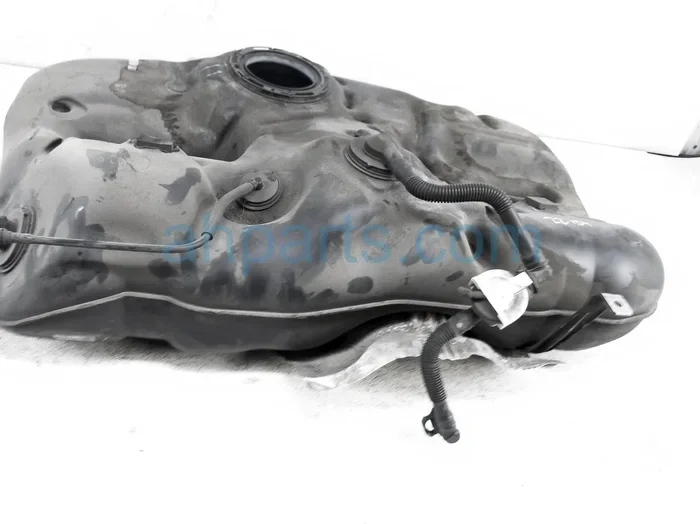
On the 2018 Camry, the fuel tank sits underneath the rear passenger area. This is a common design for sedans. It keeps the weight balanced and protects the tank in a rear collision. The fuel filler door is on the left side of the car, near the rear quarter panel. You will see a small icon on the dashboard near the fuel gauge that shows which side the tank is on.
This placement also means the tank is somewhat protected from road debris and impacts. However, it is still important to be mindful when parking over rough terrain or in areas where undercarriage damage is possible. Keeping your tank at least half full is a good habit for multiple reasons we will cover later.
Understanding Your Driving Range
How Far Can You Go on a Full Tank?
With a 15.8-gallon fuel tank capacity, the 2018 Camry offers a respectable driving range. On the highway, where the car achieves its best fuel economy, you can cover roughly 650 miles on a single tank. In city driving, where stop-and-go traffic reduces efficiency, expect around 460 miles.
A good average to remember is about 500 miles per full tank. This is a comfortable number for most drivers. It means you can drive from one city to another without worrying too much about finding a gas station. And if you are planning a long road trip, knowing your driving range helps you choose rest stops and fuel breaks wisely.
For comparison, some smaller cars have tanks around 12 gallons, while larger SUVs can hold 20 gallons or more. The 15.8-gallon size in the 2018 Camry hits a sweet spot. It is big enough for long drives but not so large that it adds unnecessary weight to the vehicle.
What Happens When the Fuel Light Comes On?
Most drivers ignore the fuel light until the very last second. But understanding what that light means can save you from getting stranded. On the 2018 Toyota Camry, the low fuel warning typically activates when you have about 2 to 3 gallons of fuel left in the tank. That means you still have roughly 50 to 80 miles of driving remaining, depending on your fuel economy.
If you want a more precise idea of how much fuel remains, you can check your trip meter. Reset it when you fill up fully, and then divide the miles driven by the gallons it took to refill. This gives you a real-world miles per gallon figure that is often more accurate than the number on the dashboard display.
That said, do not make a habit of running on empty. Consistently letting the tank drop very low can strain the fuel pump. The pump relies on fuel flowing through it for cooling. When the level gets very low, the pump can overheat and wear out faster. This leads to expensive repairs that are easy to avoid.
Fuel Economy: What to Expect from the 2018 Camry
City, Highway, and Combined MPG
The 2018 Toyota Camry offers solid fuel economy across the board. The base 4-cylinder engine delivers an estimated 29 miles per gallon in the city and 41 miles per gallon on the highway. The combined fuel economy rating comes in at around 32 miles per gallon. These numbers are impressive for a mid-size sedan and contribute to the car’s popularity among daily commuters and long-distance drivers alike.
Here is a quick breakdown of what you can expect:
- City MPG: 29 mpg
- Highway MPG: 41 mpg
- Combined MPG: 32 mpg
- Tank Capacity: 15.8 gallons
- Estimated City Range: 460 miles
- Estimated Highway Range: 650 miles
- Estimated Combined Range: 505 miles
These numbers assume you are driving under normal conditions. Aggressive acceleration, heavy cargo, high speeds, and extreme temperatures can all reduce your actual gas mileage. But even with less-than-ideal driving habits, the 2018 Camry remains a very efficient vehicle.
How Driving Habits Affect Your Range
Your personal driving style has a big impact on how far you can go on a full gas tank. If you drive aggressively, with rapid acceleration and hard braking, you will burn through fuel faster. On the other hand, smooth and steady driving can push your miles per gallon closer to the highway rating.
Here are a few habits that make a noticeable difference:
- Accelerate gently and smoothly
- Maintain a steady speed on the highway
- Use cruise control when appropriate
- Avoid idling for long periods
- Keep your windows up at highway speeds to reduce drag
- Remove unnecessary weight from the trunk
Small changes add up over time. A driver who practices fuel-efficient habits can easily gain 2 to 5 miles per gallon compared to an aggressive driver. Over the course of a full tank, that is the difference between stopping for gas twice or just once during a long trip.
Tips to Maximize Your 2018 Camry’s Fuel Tank
Keep Your Tires Properly Inflated
This is one of the simplest and most overlooked tips for improving fuel efficiency. Underinflated tires create more rolling resistance, which forces the engine to work harder and use more gasoline. Check your tire pressure at least once a month. The recommended pressure for the 2018 Camry is listed on a sticker inside the driver’s door frame.
Properly inflated tires not only improve your gas mileage but also extend tire life and improve safety. It is a win-win-win situation that takes just a few minutes.
Use the Right Grade of Gasoline
The 2018 Toyota Camry is designed to run on regular unleaded gasoline. You do not need premium fuel unless your specific driving conditions or owner’s manual recommend it. Using a higher octane fuel than necessary simply wastes money without providing any real benefit in terms of performance or fuel economy.
Stick with regular unleaded and save your money for other things. The engine tuning in the 2018 Camry is optimized for regular fuel, and it performs excellently on it.
Plan Your Refueling Stops
Knowing your driving range helps you plan refueling stops more effectively. Instead of waiting until the tank is nearly empty, try to fill up when you are down to a quarter of a tank. This keeps the fuel pump cool and gives you a buffer in case you get stuck in traffic or take a detour.
If you are curious about how much fuel you actually have left when the warning light comes on, check out this detailed guide on how many gallons are left when the light comes on. It is a helpful resource that applies to the Camry and many other vehicles.
Compare Fuel Costs with a Full Tank
Understanding your tank size makes it easy to compare fuel costs. If gas costs $3.50 per gallon and your tank holds 15.8 gallons, a full tank costs about $55.30. If you fill up once a week, that is roughly $220 per month in fuel. Tracking these numbers helps you budget and spot trends in fuel costs.
You can also use this knowledge when comparing the 2018 Camry to other vehicles. A car with a smaller tank might seem cheaper to fill up, but if it needs refueling twice as often, the savings disappear quickly.
Common Mistakes That Waste Fuel
Ignoring Maintenance
Skipping regular maintenance is one of the fastest ways to reduce your fuel efficiency. Dirty air filters, worn spark plugs, and old engine oil all force the engine to work harder. This means more gasoline burned and fewer miles per tank. Staying on top of your maintenance schedule keeps the engine running cleanly and efficiently.
Carrying Excess Weight
Every extra pound in your car requires more energy to move. If your trunk is full of heavy items you do not need, you are wasting fuel. Clean out your car regularly and only carry what you actually need. You might be surprised at how much a lighter load improves your gas mileage.
Relying Too Heavily on the AC
Air conditioning puts extra load on the engine, which increases fuel consumption. On hot days, try using the vents first and switching to AC only when necessary. At lower speeds, opening the windows can be a good alternative. But at highway speeds, the AC is actually more efficient than open windows because it reduces aerodynamic drag.
Expert Insights on Fuel Tank Maintenance
How to Protect Your Fuel Tank Long-Term
Your fuel tank is built to last the life of the vehicle, but it still needs some care. Here are a few expert tips to keep it in great shape:
- Avoid letting the tank drop to absolute empty too often
- Fill up at reputable stations to avoid contaminated fuel
- Keep the fuel cap tightened properly after refueling
- Address any fuel smell or leaks immediately
- Have the fuel system inspected during regular service intervals
These simple practices help prevent corrosion, contamination, and premature wear on the fuel pump and other components. A well-maintained tank means consistent performance and better fuel economy over the years.
When to Consider a Fuel System Cleaning
Over time, deposits can build up inside the fuel system. This can reduce fuel efficiency and cause rough idling. If you notice a drop in performance or gas mileage, a fuel system cleaning might be in order. Most experts recommend this every 30,000 to 50,000 miles, depending on your driving conditions and the quality of fuel you use.
Comparing the 2018 Camry to Other Vehicles
To put the 2018 Camry’s tank size in perspective, let us compare it to a few other popular vehicles. This helps you understand where the Camry stands in terms of fuel capacity and driving range.
| Vehicle | Tank Size | Combined MPG | Estimated Range |
|---|---|---|---|
| 2018 Toyota Camry | 15.8 gallons | 32 mpg | ~505 miles |
| 2018 Honda Accord | 15.8 gallons | 30 mpg | ~474 miles |
| 2018 Nissan Altima | 16.2 gallons | 31 mpg | ~502 miles |
| 2018 Ford Fusion | 14.0 gallons | 29 mpg | ~406 miles |
As you can see, the 2018 Camry holds a competitive amount of fuel and delivers excellent range. Its 15.8-gallon tank is on par with the Honda Accord and slightly larger than the Ford Fusion. This gives the Camry an edge for drivers who value long stretches between fill-ups.
If you are curious about how far a car can realistically go on fumes, check out this guide on how far can a car go on empty. It is a fascinating look at what happens when the tank hits rock bottom.
How Many Miles Can a Car Last? The Big Picture
The 2018 Toyota Camry is known for its durability and longevity. With proper care, including regular maintenance and smart fueling habits, a Camry can easily surpass 200,000 miles. Understanding your fuel tank capacity and fuel economy is just one piece of the puzzle when it comes to long-term ownership.
For more information on how long a Camry can truly last, you might enjoy reading about whether a Toyota Camry can last 500,000 miles. It is an inspiring read for anyone who wants to get the most out of their vehicle.
Knowing your gas tank size also helps you estimate long-term fuel costs. Over 100,000 miles, with an average of 32 miles per gallon, you will burn through about 3,125 gallons of gasoline. At $3.50 per gallon, that is roughly $10,938 in fuel costs. Awareness of these numbers helps you make informed decisions about your vehicle and your budget.
Conclusion
The gas tank on a 2018 Toyota Camry holds 15.8 gallons, and that single number opens the door to understanding your vehicle’s full potential. From driving range and fuel economy to fuel costs and maintenance, knowing your tank size empowers you as a driver. It helps you plan trips, budget for fuel, and avoid the stress of running low.
The 2018 Camry remains one of the best mid-size sedans on the road, and a big part of that reputation comes from its practical and efficient design. The 15.8-gallon tank is perfectly sized for daily commuting, weekend adventures, and everything in between. With good driving habits and proper maintenance, you can get the most out of every gallon and every mile.
Take what you have learned here and apply it to your daily routine. Check your tire pressure, fill up at the right time, and pay attention to how your car feels and performs. These small actions add up to big savings over time. Your 2018 Toyota Camry is a reliable companion, and understanding its fuel tank is one of the best ways to keep it running strong for years to come.
Frequently Asked Questions
How many gallons does a 2018 Toyota Camry gas tank hold?
The 2018 Toyota Camry has a fuel tank capacity of 15.8 gallons. This is the official factory rating and applies to all trims of the 2018 model year. This is a standard size for mid-size sedans and provides a comfortable driving range of around 500 miles on a full tank.
How far can I drive on a full tank of gas in a 2018 Camry?
On a full 15.8-gallon tank, you can expect to drive approximately 500 miles under mixed driving conditions. Highway driving can push that number closer to 650 miles, while city driving may reduce the range to around 460 miles. Your actual driving range depends on your driving habits, road conditions, and vehicle maintenance.
What MPG does the 2018 Toyota Camry get?
The 2018 Toyota Camry achieves an estimated 29 miles per gallon in the city and 41 miles per gallon on the highway, with a combined rating of around 32 mpg. These figures are based on standard driving conditions and may vary depending on your driving style, cargo load, and vehicle maintenance.
How do I check the exact fuel level in my 2018 Camry?
Your 2018 Camry has a fuel gauge on the dashboard that shows the approximate tank level. For a more precise reading, you can reset your trip meter when you fill up and then calculate your miles per gallon based on the miles driven and gallons used at the next fill-up. This gives you a real-world picture of your fuel consumption.
Can I improve the fuel efficiency of my 2018 Camry?
Yes, there are several ways to boost your fuel efficiency. Keep your tires properly inflated, drive smoothly and steadily, remove excess weight from the car, use cruise control on the highway, and stay current with maintenance like oil changes and air filter replacements. These simple steps can improve your gas mileage by several miles per gallon.
Is it bad to let the gas tank get very low?
Yes, consistently letting the tank drop to near empty can damage the fuel pump. The pump relies on fuel flowing around it for cooling, and running low starves it of that protection. It is best to refuel when the tank reaches about a quarter full. This keeps the pump cool and extends its lifespan, saving you from costly repairs down the road.