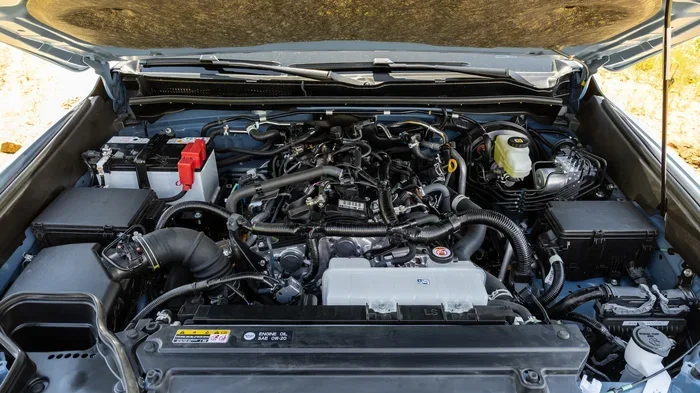
Does a 2004 Toyota 4Runner Have a Timing Belt or Chain
The 2004 Toyota 4Runner uses a timing chain, not a timing belt, in its 4.0L V6 engine. Timing chains are built to last the life of the engine in most cases, which is great news for owners. This means fewer scheduled replacements and lower long-term maintenance costs compared to belt-equipped engines. Understanding your engine’s timing system helps you plan proper upkeep and avoid costly repairs.
So you own a 2004 Toyota 4Runner, or maybe you are thinking about buying one. Either way, you have probably wondered about the engine and what kind of maintenance it needs. One question that comes up a lot is whether this truck uses a timing belt or a timing chain. The answer matters because it affects your maintenance schedule, repair costs, and how long the engine lasts.
The short answer is that the 2004 Toyota 4Runner comes with a timing chain. The engine under the hood is the 4.0L V6, known by Toyota as the 1GR-FE. This engine has been a workhorse in the Toyota lineup for years. It is known for being tough, reliable, and surprisingly long-lasting. The fact that it uses a chain instead of a belt is one reason why owners love this engine so much.
In this article, we will break down everything you need to know about the timing system in the 2004 Toyota 4Runner. We will cover what a timing chain does, why it matters, how it compares to a belt, and what you can do to keep your engine running strong. Whether you are a DIY mechanic or just someone who wants to understand their truck better, this guide has you covered.
Key Takeaways
- The 2004 Toyota 4Runner uses a timing chain, not a belt. The 4.0L V6 engine features a durable chain system designed for long life.
- Timing chains rarely need replacement. Unlike belts, chains are meant to last the life of the engine under normal conditions.
- Regular maintenance still matters. Even with a chain, oil changes and inspections keep the timing system running smoothly.
- Knowing your engine type helps with repairs. Understanding whether your 4Runner has a belt or chain saves time and money at the shop.
- The 2004 4Runner is known for reliability. Toyota built this model to last, and the timing chain is just one reason why.
- Watch for warning signs. Rattling noises or rough idling can signal timing chain issues that need attention.
- Check related maintenance items. Things like the transmission dipstick and other fluid levels are easy to inspect at home.
📑 Table of Contents
- What Is a Timing Chain and How Does It Work?
- Timing Belt vs. Timing Chain: What Is the Difference?
- Why Does the 2004 4Runner Use a Timing Chain?
- Common Timing Chain Problems in the 2004 4Runner
- How to Maintain the Timing Chain in Your 2004 4Runner
- How the 2004 4Runner Compares to Other Toyota Models
- Should You Worry About the Timing Chain in a 2004 4Runner?
- Final Thoughts on the 2004 Toyota 4Runner Timing Chain
What Is a Timing Chain and How Does It Work?
A timing chain is a metal chain that connects the crankshaft to the camshaft in your engine. It makes sure that the engine valves open and close at exactly the right time. This synchronization is what keeps your engine running smoothly. Without it, your engine would not run at all.
The timing chain wraps around gears on both the crankshaft and camshaft. As the crankshaft spins, it moves the chain, which then turns the camshaft. This is a simple but brilliant design. Metal chains are stronger and more durable than rubber belts. They do not stretch or wear out as quickly. That is why Toyota chose a chain for the 4.0L V6 engine in the 2004 4Runner.
The 4.0L V6 Engine in the 2004 4Runner
The 1GR-FE 4.0-liter V6 engine produces around 245 horsepower and 260 pound-feet of torque. It is a naturally aspirated engine, meaning it does not use a turbocharger. This engine has been used in many Toyota models over the years, including the Tacoma, FJ Cruiser, and of course the 4Runner.
One of the biggest advantages of this engine is its simplicity. It uses a chain-driven timing system rather than a belt. The 4.0L V6 also features dual overhead camshafts, which means there are two camshafts per cylinder head. The chain drives both of these camshafts. This setup gives the engine better performance and smoother operation.
When you compare the power output of this engine to something like the how much HP does a 5.7 liter V8 have in other Toyota models, the 4.0L V6 holds its own in the truck world. It is not the most powerful engine, but it is built for durability and steady performance. That is exactly what a 4Runner owner wants.
Timing Belt vs. Timing Chain: What Is the Difference?
Not all engines use the same type of timing system. Some use a belt, and others use a chain. Understanding the difference helps you make better decisions about maintenance and repairs.
What Is a Timing Belt?
A timing belt is a rubber belt with teeth on the inside. It connects the crankshaft to the camshaft, just like a chain. But because it is rubber, it wears out over time. Most manufacturers recommend replacing a timing belt every 60,000 to 100,000 miles. If a timing belt breaks, it can cause serious engine damage. In some engines, a broken belt lets the pistons hit the valves, which bends them. That is an expensive repair.
What Is a Timing Chain?
A timing chain is made of metal links, similar to a bicycle chain but much stronger. It is designed to last the life of the engine. In most cases, you will never need to replace the timing chain in a 2004 Toyota 4Runner. That is a huge advantage. Metal chains do not stretch or degrade like rubber belts. They are also less likely to fail suddenly.
Key Differences at a Glance
| Feature | Timing Belt | Timing Chain |
|---|---|---|
| Material | Rubber with teeth | Metal links |
| Lifespan | 60,000 to 100,000 miles | Engine lifetime (typically) |
| Replacement Cost | Lower parts cost, higher labor | Higher parts cost, less frequent |
| Failure Risk | Higher over time | Lower, but possible with wear |
| Maintenance | Scheduled replacement needed | Inspection only, rarely replaced |
| Noise | Quieter | Slightly louder |
As you can see, the timing chain in the 2004 Toyota 4Runner is the better option for long-term ownership. You save money on replacement intervals and avoid the risk of a sudden belt failure.
Why Does the 2004 4Runner Use a Timing Chain?
Toyota designs its engines with reliability in mind. The 4.0L V6 engine in the 2004 4Runner was built to handle tough conditions. Whether you are towing a trailer, hauling gear, or driving off-road, this engine can take a beating. A timing chain is better suited for these demands than a rubber belt.
Here are some reasons Toyota chose a chain for this engine:
- Durability: Metal chains last much longer than rubber belts. They can handle high temperatures and heavy loads without degrading.
- Lower Maintenance: You do not need to replace the chain at a set interval. This saves both time and money over the life of the truck.
- Better for Towing: The 4Runner is a capable tow vehicle. A chain-driven timing system is more robust and can handle the extra stress of towing.
- Longer Engine Life: The 4.0L V6 engine is known to last well beyond 200,000 miles. The timing chain is a big part of that longevity.
Toyota has built a reputation for making trucks that last a long time. If you are curious about how long a Toyota can actually go, check out can a Toyota last 500,000 miles. The answer might surprise you. The timing chain is just one piece of the puzzle, but it is an important one.
Common Timing Chain Problems in the 2004 4Runner
Even though timing chains are durable, they are not completely indestructible. Over time, wear and tear can cause issues. Here are some common problems to watch for in the 2004 Toyota 4Runner.
Timing Chain Stretch
After many miles, a timing chain can stretch slightly. When this happens, the chain may not keep perfect time between the crankshaft and camshaft. This can cause rough idling, misfires, or a check engine light. Chain stretch usually happens after 200,000 miles or more, so it is not a common issue for most owners.
Timing Chain Tensioner Failure
The chain tensioner keeps the chain tight. If the tensioner fails, the chain can become loose and skip teeth. This is a more serious problem that can lead to engine damage if not addressed quickly. Signs of a bad tensioner include a rattling noise when you start the engine.
Oil Contamination
Dirty or old oil can accelerate wear on the timing chain and its components. The chain relies on proper lubrication from the engine oil. If you skip oil changes or use low-quality oil, the chain and its guides can wear out faster. Staying on top of your oil changes is one of the best things you can do for your 4Runner’s engine.
Noise from the Timing Chain
Some owners report a slight rattling or ticking noise from the engine, especially on cold starts. This can be normal for some engines, but if the noise gets louder or persists, it is worth having a mechanic take a look. Early detection of timing chain issues can save you from expensive repairs down the road.
How to Maintain the Timing Chain in Your 2004 4Runner
The good news is that maintaining a timing chain is pretty straightforward. You do not need special services or expensive parts. Here is what you can do to keep your chain in great shape.
1. Keep Up with Oil Changes
This is the single most important thing you can do. Clean oil lubricates the timing chain and its components. Change your oil every 5,000 to 7,500 miles, or more often if you drive in severe conditions. Use the oil weight recommended by Toyota, which for the 2004 4Runner is typically 5W-30.
2. Use Quality Oil and Filters
Not all oil is created equal. Use a reputable brand of synthetic or conventional oil, and always pair it with a quality oil filter. Cheap oil can break down faster and leave deposits on the timing chain and its guides.
3. Listen for Unusual Noises
Get to know the normal sounds of your engine. If you hear a new rattling, ticking, or clattering noise, do not ignore it. Catching timing chain problems early can prevent them from turning into major repairs.
4. Follow the Maintenance Schedule
Toyota provides a detailed maintenance schedule for every model year. Follow it. The schedule covers not just the timing chain but all the other components that keep your engine running well. Things like spark plugs, air filters, and fluid changes all play a role in overall engine health.
5. Address Issues Promptly
If your check engine light comes on or you notice a change in engine performance, get it checked right away. A small problem with the timing chain or tensioner can become a big problem if left alone.
How the 2004 4Runner Compares to Other Toyota Models
The 2004 Toyota 4Runner is part of a long line of reliable Toyota trucks and SUVs. If you are curious about how the 4Runner stacks up against other Toyota models, there is a lot to consider.
For example, the Toyota Camry is a sedan that shares some of the same engineering philosophy. The Camry is known for lasting a long time, and many models have also used chain-driven timing systems. You can learn more about how long a Camry lasts in our guide on 000 miles a lot for a Toyota Camry.
The 4Runner is also related to the Toyota Tacoma in terms of durability and capability. Both trucks use similar engines and drivetrain components. The 4Runner simply adds a body-on-frame SUV platform on top of that solid foundation.
One thing that sets the 4Runner apart is its off-road capability. The 4.0L V6 engine with its chain-driven timing system provides reliable power whether you are on the highway or crawling over rocks. This is why the 4Runner has such a loyal fan base.
If you are also curious about the overall lifespan of the vehicle, the 2004 4Runner is well-known for lasting a very long time. Many owners report pushing well past 250,000 miles with proper maintenance. You can read more about how many miles a car can last in our how many miles can a car last guide.
Should You Worry About the Timing Chain in a 2004 4Runner?
The short answer is no. The timing chain in the 2004 Toyota 4Runner is designed to last a very long time. Most owners will never need to replace it. This is one of the many reasons why the 4Runner is such a popular choice for people who want a reliable, low-maintenance truck.
That said, you should not completely ignore the timing system. Regular oil changes and attentive driving habits go a long way. If you ever notice unusual engine noises, a rough idle, or a drop in performance, have a qualified mechanic inspect the timing chain and related components.
The 2004 Toyota 4Runner is a truck that rewards owners who take care of it. The timing chain is just one part of a well-engineered machine that Toyota built to last. As long as you follow the maintenance schedule and use quality fluids, your 4Runner should keep running strong for many years to come.
Final Thoughts on the 2004 Toyota 4Runner Timing Chain
Knowing whether your truck has a timing belt or chain is important for any vehicle owner. The 2004 Toyota 4Runner uses a timing chain in its 4.0L V6 engine, which is a big advantage for long-term ownership. Chains are durable, low-maintenance, and built to last the life of the engine.
By staying on top of oil changes, listening for unusual noises, and following the recommended maintenance schedule, you can keep your timing chain and entire engine in excellent shape. The 4Runner is a truck that will reward your care and attention with years of reliable service.
Whether you are a first-time 4Runner owner or a longtime fan, understanding your engine’s timing system gives you confidence. You know what is under the hood, what to watch for, and how to keep everything running smoothly. That is the kind of knowledge that makes you a better truck owner.
Frequently Asked Questions
Does the 2004 Toyota 4Runner have a timing belt or chain?
The 2004 Toyota 4Runner uses a timing chain, not a timing belt. The 4.0L V6 engine features a durable metal chain that connects the crankshaft to the camshaft. Chains are designed to last the life of the engine under normal driving conditions.
How long does a timing chain last in a 2004 Toyota 4Runner?
A timing chain in the 2004 Toyota 4Runner is designed to last the entire life of the engine. In most cases, owners will never need to replace it. However, chain stretch or tensioner failure can occur after 200,000 miles or more. Regular oil changes help extend the chain’s life significantly.
What engine does the 2004 Toyota 4Runner use?
The 2004 Toyota 4Runner comes with a 4.0-liter V6 engine, known as the 1GR-FE. This engine produces 245 horsepower and 260 pound-feet of torque. It uses a chain-driven timing system and is known for its reliability and durability in both on-road and off-road conditions.
How much does it cost to replace a timing chain on a 2004 4Runner?
If a timing chain replacement is needed on the 2004 Toyota 4Runner, the cost typically ranges from $1,000 to $2,500 depending on labor rates and parts. This is a major repair that involves removing engine components to access the chain. However, this is rarely needed and usually only happens after very high mileage.
What are the signs of a failing timing chain in a 4Runner?
Common signs include a rattling noise when starting the engine, rough idling, engine misfires, and the check engine light coming on. If you notice any of these symptoms, have your 4Runner inspected by a qualified mechanic as soon as possible to prevent further damage.
Can I replace the timing belt myself on a Toyota 4Runner?
Since the 2004 Toyota 4Runner uses a chain and not a belt, there is no timing belt to replace. The timing chain is located inside the engine and requires significant disassembly to access. This is a job best left to experienced mechanics with the right tools and workspace.
=== CONCLUSION ===
The 2004 Toyota 4Runner is equipped with a timing chain, not a timing belt, in its 4.0L V6 engine. This is great news for owners who want a low-maintenance, durable truck. Timing chains are built to last, and the 4Runner’s engine is no exception. By keeping up with regular oil changes and staying alert to any unusual engine sounds, you can enjoy years of reliable driving. The 4Runner is a truck that gives back what you put into it, and understanding its timing system is just one step toward being a smarter, more confident owner.


