How to Reset the Airbag Light on Your 2017 Nissan Altima
The airbag warning light on your 2017 Nissan Altima can feel scary, but resetting it is often simpler than you think. This guide covers the most common causes, the tools you need, and a clear step-by-step process to safely reset the airbag light on your vehicle. You will also learn when the problem is serious enough to warrant a trip to the mechanic.
That little red or yellow light on your dashboard shaped like a person with a circle in front of it can really spike your anxiety. If you own a 2017 Nissan Altima and the airbag light has come on, you are not alone. Many Altima owners face this issue, and the good news is that it is often fixable without a costly trip to the dealership.
Your car’s Supplemental Restraint System, or SRS, is one of the most important safety features you have. When the airbag light illuminates, it means the system has detected a fault and the airbags may not deploy in a crash. Resetting the airbag light is not just about clearing a warning. It is about making sure your safety system is fully operational.
This guide walks you through everything you need to know. From understanding what triggers the light to actually resetting it, you will find clear, practical steps that any car owner can follow. We will also cover when it is smart to call a professional and how to keep your airbag system healthy for the long haul.
Key Takeaways
- Know Your Warning Lights: The airbag light (SRS light) signals a problem with your safety system and should never be ignored.
- Common Causes Are Often Simple: Loose connectors, worn seat belt sensors, and faulty clock springs are frequent culprits.
- An OBD2 Scanner Is Essential: You need a diagnostic tool to read fault codes and complete the reset process.
- DIY Is Possible for Most Drivers: With basic tools and patience, you can reset the light yourself in under 30 minutes.
- Safety Comes First: If the airbag light stays on after resetting, see a professional immediately.
- Prevention Saves Money: Regular maintenance and prompt attention to warning lights keep your airbag system working reliably.
📑 Table of Contents
Understanding the Airbag Light on Your 2017 Nissan Altima
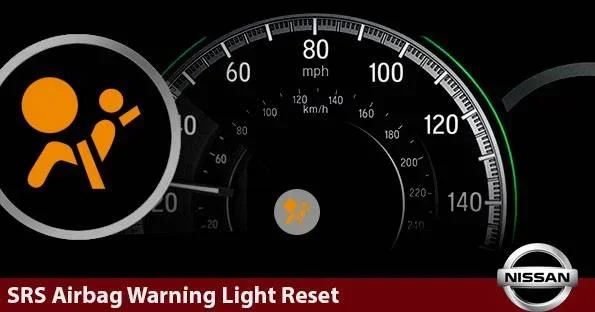
The airbag warning light is part of your dashboard cluster. It typically looks like a seated figure with a circle in front, which represents an airbag deployment. On the 2017 Nissan Altima, this light should briefly turn on when you start the engine and then shut off within a few seconds. This is the system performing a self-check.
If the light stays on or starts flashing, the SRS control module has stored a fault code. This code tells you something in the airbag system is not working correctly. The light could be yellow or red, depending on the severity of the issue. A steady yellow light usually means a non-critical fault, while a flashing or red light may indicate a more serious problem.
The SRS system includes the airbag control module, crash sensors, seat belt pretensioners, and wiring harnesses. Every single component must be functioning properly for the system to work. Even a loose connector under the seat can trigger the airbag light and keep it on.
What the SRS Light Is Telling You
Your Nissan Altima uses a series of diagnostic trouble codes, or DTCs, to communicate problems. When the airbag light comes on, the control module logs a specific code. Common codes include issues with the clock spring, seat belt switch, or crash sensor. You can read these codes with an OBD2 scanner, which is the first step in resetting the airbag light.
Ignoring the airbag warning light is never a good idea. In a collision, a faulty SRS system means your airbags might not deploy. That is a risk no one should take. Addressing the problem quickly keeps you and your passengers safe.
Common Causes of the SRS Warning Light
Several things can cause the airbag light to turn on in a 2017 Nissan Altima. Understanding the root cause helps you decide whether a DIY fix is possible or if you need professional help. Here are the most common reasons this light comes on.
Loose or Damaged Connectors
The most frequent cause of the airbag light is a loose connector under the front seats. The seat belt pretensioner connectors and crash pad connectors can work themselves loose over time. Vibration from daily driving can gradually disconnect these plugs, triggering the fault code.
Worn Seat Belt Sensors
Your Altima has seat belt sensors in the buckle and the latch plate. If the seat belt is not clicking in properly or the sensor is worn out, the SRS module will flag an error. A dirty or damaged buckle is an easy fix but a common one.
Faulty Clock Spring
The clock spring is a spiral ribbon cable under your steering wheel. It connects the airbag module to the steering column wiring. Over time, the clock spring can wear out or break. This is a more involved repair but a very common reason the airbag light stays on.
Previous Accident or Crash Sensor Damage
If your Altima has been in even a minor fender bender, the crash sensors may have been activated or damaged. The SRS module remembers these events until the system is properly reset. In some cases, the sensors need to be replaced entirely.
Corroded or Damaged Wiring
Moisture can enter the under-dash area and cause corrosion on the SRS wiring harness. Corroded wires create resistance in the airbag circuit, which the control module reads as a fault. This is more common in older vehicles or those that have been exposed to heavy rain or flooding.
| Cause | Severity | DIY Fixable? |
|---|---|---|
| Loose Connector | Low | Yes |
| Worn Seat Belt Sensor | Low to Medium | Yes |
| Faulty Clock Spring | Medium to High | With Experience |
| Crash Sensor Damage | High | No |
| Corroded Wiring | Medium | Sometimes |
Tools You Need to Reset the Airbag Light
Before you start, make sure you have the right tools on hand. You do not need anything fancy, but having the correct equipment makes the process smooth and safe.
OBD2 Diagnostic Scanner
An OBD2 scanner is the most important tool for resetting the airbag light. This device plugs into the diagnostic port under your steering column and reads the fault codes stored in the SRS module. Basic scanners cost around $20 to $50 and work well for most home mechanics.
Look for a scanner that supports SRS or airbag codes specifically. Not all generic scanners can read or clear airbag-related codes. Popular options include the Autel MX300 and the Innova 3160g. These scanners give you clear readings and easy code-clearing functions.
Basic Hand Tools
You will need a few common tools to access the connectors under your seats and dash. A set of screwdrivers, a 10mm socket, and a pair of needle-nose pliers will cover most jobs. A flashlight is also helpful for seeing into tight spaces under the dashboard.
Safety Equipment
Working around the airbag system requires caution. Always disconnect the negative battery terminal before touching any SRS wiring. Wait at least 10 minutes after disconnecting the battery to allow the capacitor to discharge. This prevents accidental airbag deployment, which can cause serious injury.
Accessing the Diagnostic Port
The OBD2 port on the 2017 Nissan Altima is located under the steering column on the left side. You may need to remove the lower panel or hubcap to access it comfortably. The port has a trapezoidal shape and a spring-loaded lid.
Step-by-Step Guide to Reset the Airbag Light
Now that you understand the causes and have your tools ready, let us walk through the actual process of resetting the airbag light on your 2017 Nissan Altima. Follow these steps carefully and in order.
Step 1: Disconnect the Battery
Open your hood and locate the negative battery terminal. Use a 10mm wrench to loosen the cable and pull it off the post. Place the cable away from the terminal so it cannot accidentally touch. This is the most important safety step in the entire process.
Wait at least 10 minutes before moving to the next step. This gives the SRS capacitor enough time to fully discharge. Skipping this step can result in accidental airbag deployment, which is dangerous.
Step 2: Locate and Inspect Connectors
Move to the driver’s side and look under the front seat. You will see several electrical connectors plugged into the seat rail and the floor pan. Unplug each one and inspect for corrosion, bent pins, or loose connections. Plug them back in firmly if they look clean and undamaged.
Also check the connector under the dashboard on the driver’s side. This connects to the crash pad module. A loose plug here is one of the most common reasons the airbag light comes on.
Step 3: Connect the OBD2 Scanner
Plug your OBD2 scanner into the diagnostic port under the steering column. Turn the scanner on and follow the on-screen prompts to read the SRS codes. Write down every code the scanner displays. These codes tell you exactly what fault the system has detected.
Common codes you might see include B0001 (driver airbag circuit), B0014 (seat belt switch), and B0090 (clock spring). Understanding these codes helps you know whether the problem is simple or complex.
Step 4: Clear the Fault Codes
If you have confirmed that the connectors are secure and there is no visible damage, you can clear the codes using your scanner. Navigate to the “Clear Codes” or “Erase DTCs” function on the scanner menu. Select the SRS or airbag system and confirm the deletion.
After clearing the codes, turn the ignition to the “ON” position without starting the engine. Wait for the airbag light to complete its self-check cycle. If the light turns off after a few seconds, the reset was successful.
Step 5: Reconnect the Battery
Go back to the hood and reconnect the negative battery terminal. Tighten the cable securely with your wrench. Start the engine and watch the dashboard. The airbag light should remain off if the reset worked properly.
Take your Altima for a short test drive. Pay attention to whether the light comes back on. If it stays off, congratulations. You have successfully reset the airbag light on your 2017 Nissan Altima.
Quick Tips for a Successful Reset
- Always write down your fault codes before clearing them. This helps if the problem returns.
- Do not rush the battery disconnect. The 10-minute wait is critical for safety.
- Take photos of connectors before unplugging them so you know exactly where everything goes back.
- If the light comes back on immediately, stop driving and investigate further.
Common Mistakes to Avoid When Resetting the Airbag Light
Resetting the airbag light seems straightforward, but there are mistakes that can waste your time or create safety risks. Here is what to watch out for.
Ignoring the Root Cause
The biggest mistake drivers make is clearing the code without fixing the underlying problem. The airbag light will return if the fault is not repaired. Clearing the code without addressing the cause is like turning off a smoke alarm without checking for fire.
Skipping the Battery Disconnect
Some people skip the battery disconnect step to save time. This is extremely dangerous. The SRS system stores enough energy in its capacitor to deploy the airbags. Always disconnect the battery and wait the full 10 minutes before working on any SRS component.
Using an Incompatible Scanner
Not every OBD2 scanner can read or clear airbag codes. Using a basic scanner that does not support SRS functions will not work. Make sure your scanner explicitly lists airbag or SRS code support before you begin.
Reconnecting the Battery Too Soon
After clearing the codes, you need to wait a full ignition cycle before reconnecting the battery. Reconnecting too early can interrupt the reset process and cause the light to return.
Keeping Your Airbag System in Top Shape
Once you have successfully reset the airbag light, you want to keep it from coming back. Regular maintenance and awareness go a long way toward protecting your SRS system.
Check Connectors During Routine Maintenance
Every time you have your oil changed or tires rotated, take a moment to look under the seats. A quick visual check of the SRS connectors can catch loose plugs before they become a problem. This simple habit can save you from unexpected warning lights.
Address Warning Signs Early
If you notice the airbag light flickering or coming on intermittently, do not ignore it. Early intervention prevents small problems from becoming expensive repairs. The same applies to any dashboard warning light. Just as you should not ignore issues like your car overheating before damage occurs, you should not ignore SRS warnings either.
Keep Your Wiring Harness Protected
The under-dash area is exposed to moisture, heat, and vibration. Use protective covers or conduit on exposed wiring sections. Keeping the wiring harness clean and dry prevents corrosion that can trigger the airbag light down the road.
Regular Diagnostic Scans
Even when the light is off, running a diagnostic scan once or twice a year can reveal hidden issues. Many auto parts stores offer free OBD2 scans. Catching a pending fault early can prevent the light from ever coming on while you are driving.
With proper care, your Altima can easily reach the mileage milestones that make this vehicle such a great investment. A healthy airbag system is a key part of keeping your car safe and reliable for years to come.
Conclusion
Resetting the airbag light on your 2017 Nissan Altima is a task most car owners can handle with basic tools and a little patience. The process starts with understanding what the light means, identifying the cause, and using an OBD2 scanner to clear the fault codes. By following the steps in this guide, you can get your SRS system back to working order and drive with confidence knowing your airbags are ready if you need them.
Remember that the airbag light is a safety warning. Clearing it is only the first step. If the underlying problem is not fixed, the light will return. Always address the root cause and do not skip the safety precautions. Your airbag system is one of the most important features in your car, and keeping it in top shape protects you and everyone on the road.
Take the time to care for your Altima’s SRS system. A few minutes of attention today can prevent a much bigger problem tomorrow. Drive safely, stay proactive, and keep that dashboard clear of warning lights.
Frequently Asked Questions
Can I drive my 2017 Nissan Altima with the airbag light on?
Technically yes, but it is not recommended. The airbag light means the SRS system has detected a fault, and your airbags may not deploy in a crash. Driving with the light on puts you and your passengers at serious risk. Have the issue diagnosed and fixed as soon as possible.
How much does it cost to reset the airbag light professionally?
Costs vary depending on the root cause. A simple connector fix might cost $50 to $100 in labor. A clock spring replacement can run $200 to $400. Diagnostic fees at a shop typically range from $50 to $150. Getting the fault codes read first helps you understand the real cost.
Will resetting the airbag light fix the underlying problem?
No. Clearing the code only turns off the warning light. If the actual fault is not repaired, the light will come back. Always diagnose the root cause using the fault codes before attempting a reset.
How long does it take to reset the airbag light?
The actual reset process takes about 15 to 30 minutes once you have the right tools. However, if the underlying issue requires parts replacement, the total repair time can be much longer. A simple connector fix is quick, while a clock spring or crash sensor replacement may take an hour or more.
What OBD2 scanner do I need to reset the airbag light?
You need a scanner that supports SRS or airbag-specific codes. Generic scanners like the Autel MX300 or Innova 3160g work well for most home mechanics. Make sure the scanner you buy explicitly lists airbag code reading and clearing capabilities on the packaging.
Can a dead battery cause the airbag light to come on?
Yes. A weak or dead battery can cause voltage drops that trigger the SRS module to store a fault code. If you recently had a dead battery or jump-started your Altima, the airbag light may come on temporarily. Replacing the battery and resetting the codes usually resolves this issue.