How to Open a Lexus Hood From Outside for Beginners
Knowing how to open a Lexus hood from outside is a must-have skill for every owner. Whether you need to check your engine, add washer fluid, or handle an emergency, this guide walks you through the entire process in simple steps. We cover mechanisms, tools, model differences, and common problems so you can pop that hood with confidence every time.
Have you ever stood in front of your Lexus, ready to check something under the hood, only to realize you have no idea how to open it from the outside? It happens more often than you might think. Many car owners go years without needing to access the engine compartment from the exterior. But when the moment comes, you want to be prepared.
This guide is here to help. We will walk you through how to open a Lexus hood from outside in plain, simple language. No jargon. No confusing diagrams. Just clear steps that work for beginners and experienced drivers alike. Whether you own a sleek Lexus ES, a rugged Lexus RX, or any other model in the lineup, the basics remain the same. Once you learn the process, you will never feel stuck again.
We also cover common problems, maintenance tips, and model-specific differences. By the end of this guide, you will have a solid understanding of the Lexus hood release system. You will know exactly where every latch and lever is located. And you will feel confident tackling any hood-opening situation.
Key Takeaways
- Every Lexus has a hood release system: Understanding how it works helps you troubleshoot issues fast.
- The primary release is inside the car: Look under the dashboard on the driver’s side for the hood release lever.
- A secondary latch holds the hood shut: You must release this latch after pulling the interior lever.
- Emergency hood release exists on most models: This feature lets you access the hood from outside if the normal method fails.
- Regular maintenance keeps the system working: Lubrication and inspections prevent sticky or stuck hood releases.
- Different Lexus models have slight variations: Knowing your specific model helps you find the release points faster.
- Safety first: Always use the hood prop rod or hydraulic strut to secure the hood while working.
📑 Table of Contents
- Why Knowing How to Open Your Lexus Hood From Outside Matters
- Understanding the Lexus Hood Release Mechanism
- Step-by-Step Guide to Opening Your Lexus Hood From Outside
- Common Lexus Hood Release Problems and How to Fix Them
- Tips for Maintaining Your Lexus Hood Release System
- Lexus Model Differences in Hood Release Systems
- Safety Tips When Opening Your Lexus Hood
- When to Seek Professional Help
- Key Takeaways
- Conclusion
Why Knowing How to Open Your Lexus Hood From Outside Matters
You might wonder why this skill is so important. After all, you can always open the hood from inside the car, right? That is true most of the time. But there are situations where you need or want to open the hood from the outside. Let us explore a few of them.
Emergency situations are the most obvious reason. If your car breaks down on the side of the road and you cannot get inside, you still need to check the engine. A dead battery, overheating engine, or low fluid levels might require immediate attention. Knowing the emergency hood release can save you time and stress during these moments.
Routine maintenance is another reason. Sometimes you need to top off washer fluid, check the engine oil, or inspect the belts. Doing this from outside is often faster and more convenient. You do not have to climb into the driver seat and fumble with levers.
Cold weather can also make the interior release harder to access. If ice builds up around the driver’s side door or dashboard, reaching the hood release lever becomes a challenge. The outside release method gives you a reliable backup plan.
Shared vehicles present yet another scenario. If someone else is driving your Lexus and does not know where the interior release is, they can still open the hood using the outside method. This makes your car more user-friendly for everyone.
Finally, understanding the hood release mechanism gives you a deeper appreciation for how your car works. Modern Lexuses use a combination of levers, cables, latches, and safety features. Each part plays a role in keeping the hood secure and easy to open. Once you understand this system, you become a more informed and capable car owner.
Understanding the Lexus Hood Release Mechanism
Before we dive into the steps, let us talk about how the system works. Every Lexus has a hood release mechanism that consists of two main parts. The first part is the primary release lever. The second part is the secondary safety latch. Together, they keep the hood securely closed while you drive.
The Primary Hood Release Lever
The primary release lever is located inside the car. On most Lexus models, you will find it under the dashboard on the driver’s side. It is usually near the bottom of the steering column. You pull this lever toward you to unlock the hood. When you do, you will hear a click or feel the hood pop slightly.
This lever connects to a cable that runs from the interior of the car to the engine compartment. The cable pulls on the primary latch, which releases the hood. However, the hood does not fully open at this point. The secondary latch still holds it in place.
Some Lexus models also have a hood release cable that can be accessed from outside. This cable is typically located near the front grille or bumper area. It serves as an alternative way to trigger the primary release without going inside the car.
The Secondary Safety Latch
The secondary latch is what keeps the hood from flying open while you are driving. After pulling the primary release lever, you need to go to the front of the car. You will feel a second latch holding the hood down. This latch is usually located near the center of the hood, just behind the Lexus logo or the front grille.
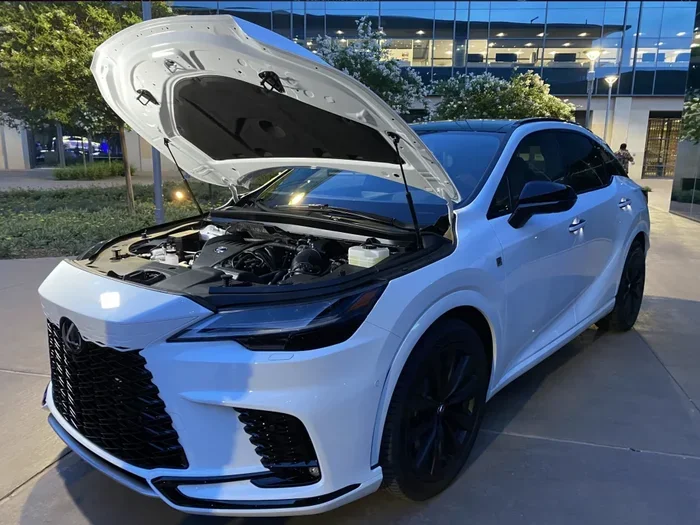
To fully open the hood, you must release this secondary latch. On most models, you push, pull, or slide this latch to the side. Once it releases, the hood lifts easily. You then secure it with the hood prop rod or a hydraulic strut, depending on your model.
The Emergency Hood Release
Most modern Lexus vehicles include an emergency hood release feature. This is a small handle or tab located on the outside of the car, usually near the front grille or bumper. It connects to the same cable system as the interior release. If the interior lever fails or is inaccessible, the emergency release gives you a way to open the hood from outside.
The emergency release is often hidden behind a small plastic cover or grille. You may need to feel around the front of the car to find it. Once located, you pull or slide it to trigger the primary latch. This is the same mechanism used in situations where the car has been in an accident and the interior is inaccessible.
Understanding these three components helps you troubleshoot problems. If your hood will not open, the issue is usually with one of these parts. A stuck cable, a broken latch, or a frozen mechanism can all prevent the hood from opening. We will cover troubleshooting in detail later in this guide.
Step-by-Step Guide to Opening Your Lexus Hood From Outside
Now that you understand the mechanism, let us walk through the process step by step. Follow these instructions carefully, and you will have that hood open in no time.
Step 1: Park on a Flat Surface and Turn Off the Engine
Before you do anything, make sure your Lexus is parked on a flat, stable surface. Turn off the engine and remove the key from the ignition. If your Lexus has a push-button start, make sure the car is fully off. This is a safety precaution that prevents accidental engine starts while you are working.
Engage the parking brake as well. This keeps the car from rolling, especially if you need to lean forward to reach the front of the vehicle. A little extra caution goes a long way in preventing accidents.
Step 2: Locate the Emergency Hood Release
Walk to the front of your Lexus. Look for the emergency hood release, which is typically located near the front grille or below the bumper. On some models, it is a small metal tab or handle. On others, it is a plastic lever hidden behind a cover.
Feel around the area with your hands if you cannot see it immediately. The release is usually on the driver’s side of the front fascia. It may be near the hood latch area or slightly off to the side. If you are unsure, consult your owner’s manual. It will have a diagram showing the exact location for your specific model.
Step 3: Pull or Slide the Emergency Release
Once you find the emergency release, pull it toward you or slide it to the side. You should feel some resistance at first, followed by a click. This click means the primary latch has been released.
You may hear a slight sound coming from the engine compartment. This is the hood popping up slightly, indicating that the primary latch has disengaged. Do not try to lift the hood yet. The secondary latch is still holding it shut.
Step 4: Release the Secondary Latch
Now go to the front of the hood. Run your fingers along the edge of the hood until you feel the secondary latch. On most Lexus models, it is located near the center of the hood, just behind the front grille.
The secondary latch usually requires a push, pull, or slide motion. Some Lexuses have a small lever that you push upward. Others have a tab that you pull toward you. Once you release the secondary latch, the hood will lift freely.
Lift the hood gently and use the hood prop rod to hold it open. The prop rod is usually located near the front of the engine compartment. Slide it into the designated hole on the underside of the hood to secure it in place.
Step 5: Secure the Hood and Complete Your Task
With the hood propped open, you now have full access to the engine compartment. You can check fluid levels, inspect belts, or perform any other maintenance task. When you are done, remove the prop rod and lower the hood slowly. Make sure it latches fully before walking away.
For a visual reference, you might also want to check out this guide on how to open the boot from outside, as the general approach to exterior car access is similar.
Common Lexus Hood Release Problems and How to Fix Them
Sometimes the hood release system does not work as it should. This can be frustrating, but most problems have simple solutions. Let us look at the most common issues and how to fix them.
Hood Will Not Open at All
If pulling the interior release lever does nothing, the cable may be disconnected or broken. The cable connects the interior lever to the primary latch. Over time, it can stretch, fray, or detach. A broken cable means the lever pulls but does not engage the latch.
To fix this, you will need to access the cable under the hood. Locate the cable end near the primary latch and check for damage. If the cable is broken, replacement is usually straightforward. However, if you are not comfortable working with cables, a mechanic can handle the repair quickly.
Hood Opens but Will Not Stay Propped
If the hood opens but keeps falling, the hood prop rod or hydraulic strut may be faulty. The prop rod could be too short or not inserted into the correct hole. Check that the rod is fully seated in its designated slot.
On models with hydraulic struts, the strut may have lost pressure over time. Hydraulic struts help lift and hold the hood open. If a strut fails, the hood will not stay up on its own. Replacing the strut is a relatively inexpensive fix that a mechanic or handy DIYer can handle.
Release Lever Feels Stiff or Stuck
A stiff or stuck release lever usually means the cable needs lubrication. Over time, dust, grime, and moisture can build up along the cable and in the lever mechanism. This causes friction that makes the lever hard to pull.
Spray a small amount of cable lubricant or white lithium grease onto the cable and lever. Work the lever back and forth several times to distribute the lubricant. This should restore smooth operation. If the lever still feels stiff, the cable may be frayed and need replacement.
Hood Release Does Not Work in Cold Weather
Cold weather can freeze the hood release mechanism, especially if moisture has gotten into the cable housing. Ice formation around the latch or cable can prevent the release from working properly.
To prevent this, spray a silicone-based lubricant on the cable and latch during fall and winter. If the mechanism is already frozen, pour warm (not hot) water over the latch area to melt the ice. Never use boiling water, as it can damage plastic components and paint.
Tips for Maintaining Your Lexus Hood Release System
Prevention is always better than repair. A little regular maintenance goes a long way in keeping your Lexus hood release system working smoothly. Here are some practical tips to follow.
- Lubricate the cable and latch every six months. Use a silicone-based spray or white lithium grease. This prevents stiffness and keeps the mechanism operating smoothly.
- Inspect the hood prop rod regularly. Make sure it is not bent, rusted, or too short to reach the designated hole. A damaged prop rod can cause the hood to fall unexpectedly.
- Check the hydraulic struts periodically. If your Lexus uses hydraulic struts instead of a manual prop rod, test them by lifting the hood. If the hood drops quickly or feels weak, the struts may need replacement.
- Keep the hood latch area clean. Debris, leaves, and dirt can accumulate around the latch and prevent proper engagement. A quick wipe-down during car washes helps prevent buildup.
- Address small problems immediately. If you notice the release lever feeling different or the hood not latching fully, get it checked right away. Small issues can become big problems if ignored.
Proper maintenance not only extends the life of your hood release system but also keeps your car running at its best. Think of it as a small investment that pays off in reliability and peace of mind.
Lexus Model Differences in Hood Release Systems
While the basic principles of hood release are the same across Lexus models, there are some differences worth noting. Let us look at how a few popular models vary.
| Model | Hood Release Location | Prop System | Emergency Release |
|---|---|---|---|
| Lexus ES | Under dashboard, driver side | Manual prop rod | Yes, near front grille |
| Lexus RX | Under dashboard, driver side | Hydraulic strut | Yes, below front bumper |
| Lexus IS | Under dashboard, driver side | Manual prop rod | Yes, near front grille |
| Lexus GX | Under dashboard, driver side | Hydraulic strut | Yes, below front bumper |
As you can see, most Lexuses follow the same general layout. The primary release lever is always inside the car on the driver’s side. The emergency release is always accessible from outside. The main difference lies in whether the car uses a manual prop rod or hydraulic struts to hold the hood open.
If you own a specific model and want more details, your owner’s manual is the best resource. It provides exact diagrams and instructions tailored to your vehicle. You can also consult a Lexus dealer or trusted mechanic for model-specific advice.
For more information on car maintenance and access, you might find this article on how to uncap gas helpful. It covers another common car access task that beginners often find confusing.
Safety Tips When Opening Your Lexus Hood
Safety should always come first when working on your car. Opening the hood exposes you to the engine compartment, which can be hot, have sharp edges, or contain moving parts. Here are some important safety tips to keep in mind.
- Never open the hood while the engine is hot. Wait at least 10 to 15 minutes after turning off the engine. This allows the engine to cool and reduces the risk of burns.
- Always secure the hood with the prop rod or strut. A hood that falls unexpectedly can cause injury or damage. Make sure the prop rod is fully seated before reaching into the engine compartment.
- Wear gloves if you are handling belts or fans. The serpentine belt and cooling fan can cause injuries if you accidentally touch them while they are still warm.
- Keep your face and hair away from moving parts. The cooling fan can turn on even when the engine is off. Be mindful of where your hands and head are at all times.
- Use the hood release correctly. Do not force the hood open if it does not release easily. Forcing it can damage the latch, hinges, or surrounding body panels.
Following these simple safety tips ensures that you can open and work under your Lexus hood without any accidents or injuries. Safety is not just about protecting yourself. It also protects your car from unnecessary damage.
When to Seek Professional Help
Most hood release problems are simple to fix. But some situations call for professional help. If you have tried the steps above and the hood still will not open, it may be time to consult a mechanic. Similarly, if you notice visible damage to the cable, latch, or hinges, a professional can assess the situation safely.
Lexus dealerships have trained technicians who know the specific hood release systems for each model. They have the right tools and diagnostic equipment to identify and fix problems quickly. If your car is still under warranty, visiting a dealer may also save you money on repairs.
For more complex issues, such as a damaged hood release cable or a broken secondary latch, professional diagnosis is always a good idea. Attempting to repair these components without the right knowledge can lead to further damage or safety risks.
You can also check out this guide on how to take a hubcap off for another beginner-friendly car maintenance task that shares similar principles of exterior access and component handling.
Key Takeaways
- Every Lexus has a hood release system: Understanding how it works helps you troubleshoot issues fast.
- The primary release is inside the car: Look under the dashboard on the driver’s side for the hood release lever.
- A secondary latch holds the hood shut: You must release this latch after pulling the interior lever.
- Emergency hood release exists on most models: This feature lets you access the hood from outside if the normal method fails.
- Regular maintenance keeps the system working: Lubrication and inspections prevent sticky or stuck hood releases.
- Different Lexus models have slight variations: Knowing your specific model helps you find the release points faster.
- Safety first: Always use the hood prop rod or hydraulic strut to secure the hood while working.
Conclusion
Learning how to open a Lexus hood from outside is a valuable skill that every car owner should have. It takes just a few minutes to understand the system, and the steps are simple enough for anyone to follow. Whether you need to check your engine fluids, handle an emergency, or just want to be more self-sufficient, this knowledge gives you confidence and independence.
Remember the three key components of the system: the primary release lever, the secondary safety latch, and the emergency outside release. Each one plays an important role in keeping your hood secure and accessible. With regular maintenance and a little attention, your Lexus hood release system will serve you well for years to come.
Do not wait until you are standing in front of a closed hood with no idea what to do. Practice these steps now while everything is working smoothly. That way, if you ever do encounter a problem, you will already know exactly what to do. Your future self will thank you for it.
Stay prepared, stay safe, and enjoy the satisfaction of handling car maintenance on your own. You have got this.
Frequently Asked Questions
Can I open a Lexus hood from outside without the emergency release?
Yes, you can still open the hood from outside by accessing the primary latch directly. However, this requires reaching into the front grille area and manually releasing the latch mechanism. The emergency release makes this process much easier and safer. If your emergency release is not working, check for a small cover or grille that may be hiding the release handle.
Why does my Lexus hood release lever feel loose or spongy?
A loose or spongy feel usually indicates a stretched or worn hood release cable. The cable connects the interior lever to the latch mechanism in the engine compartment. Over time, cables can stretch or fray, causing a loss of tension. Replacing the cable is a relatively simple and affordable repair that restores firm lever feel.
Is it safe to open the hood immediately after driving?
No, it is not safe to open the hood immediately after driving. The engine and surrounding components reach high temperatures during operation. Wait at least 10 to 15 minutes after turning off the engine before opening the hood. This cooling period prevents burns and protects you from hot steam or coolant if there is a leak.
What should I do if the hood release cable breaks?
If the hood release cable breaks, you can still access the engine compartment using the emergency hood release from outside. If that also fails, you may need to manually release the secondary latch from the front of the hood. In either case, it is best to have the cable replaced by a qualified mechanic as soon as possible. Driving without a functioning hood release can also fail safety inspections in some areas.
Do all Lexus models have an emergency hood release from outside?
Most modern Lexus models include an emergency hood release feature. However, the location and design vary between models and model years. Newer models tend to have more accessible emergency releases, while older models may have them hidden behind plastic covers. Always consult your owner’s manual for the exact location and operation of the emergency release on your specific Lexus model.
How often should I lubricate my Lexus hood release mechanism?
It is recommended to lubricate the hood release cable and latch every six months. Regular lubrication prevents stiffness, sticking, and corrosion. Use a silicone-based spray or white lithium grease for best results. If you live in an area with harsh winters or road salt, you may need to lubricate more frequently to prevent freeze-related issues.