How to Calibrate Subaru EyeSight for Maximum Safety
Calibrating your Subaru EyeSight system is essential for keeping your driver assist features working properly. This guide walks you through the full calibration process, from recognizing warning signs to professional service options. You will learn practical steps, costs, and maintenance tips to keep your EyeSight system running at peak accuracy.
Your Subaru comes loaded with smart safety tech. One of the best systems on the road is EyeSight. It helps you brake automatically, keeps your car centered in the lane, and even adjusts your cruise control to match traffic flow. But here is the thing most drivers miss. EyeSight needs regular calibration to work right. Without it, the system may not respond when you need it most. In this guide, we will show you exactly how to calibrate Subaru EyeSight and keep your safety features firing on all cylinders.
Whether you just got a new windshield replaced or you are seeing a warning light on your dash, calibration matters. A misaligned EyeSight system can lead to delayed braking or false alerts. That is not something you want on a rainy highway. We will walk you through every step in simple, plain language. No jargon. No confusion. Just clear steps to get your Subaru’s safety system back to peak performance.
Key Takeaways
- EyeSight calibration ensures your pre-collision braking and adaptive cruise control work accurately.
- Common signs of misalignment include dashboard warnings and inconsistent braking behavior.
- You can perform a basic reset at home, but full calibration often requires a dealer or specialist.
- Calibration costs typically range from $100 to $300 depending on the service needed.
- Regular maintenance and clean camera lenses help extend the life of your EyeSight system.
- Always address EyeSight warnings promptly to maintain your vehicle’s safety features.
📑 Table of Contents
- What Is Subaru EyeSight and Why Calibration Matters
- Signs Your EyeSight System Needs Calibration
- How to Calibrate Subaru EyeSight: Step-by-Step Guide
- When to Seek Professional Help for EyeSight Calibration
- EyeSight Calibration Cost and Time Estimates
- Tips to Keep Your EyeSight System in Top Shape
- Common Mistakes to Avoid with EyeSight Calibration
- Expert Insights on EyeSight Maintenance
- Final Thoughts
What Is Subaru EyeSight and Why Calibration Matters
EyeSight is Subaru’s advanced driver assist system. It uses two cameras mounted near the rearview mirror to see the road ahead. These cameras feed data to the car’s computer. The computer then controls braking, acceleration, and steering help. It is like having a second set of eyes on the road.
How the EyeSight System Works
The two cameras work together to create a 3D view of what is ahead. They detect cars, pedestrians, bikes, and even road markings. When the system spots a potential crash, it warns you first. If you do not react, it can apply the brakes on its own. The adaptive cruise control feature also uses this data to keep a safe distance from the car in front of you.
Now here is where calibration comes in. The cameras must be perfectly aligned. Even a tiny shift can throw off the whole system. That is why EyeSight calibration is so important. It ensures the cameras are pointed at the right spot and reading the road accurately.
Why Calibration Drifts Over Time
Over time, your EyeSight cameras can shift out of alignment. This happens for many reasons. A windshield replacement is one of the biggest culprits. Even a minor fender bender can knock the cameras slightly off. Temperature changes and normal road vibration also play a role. When the alignment drifts, the system becomes less reliable. That is when you need to recalibrate.
Think of it like your phone’s GPS. If the antenna shifts a little, your directions get off. EyeSight works the same way. Small misalignment leads to big problems over time. Keeping the system calibrated means your Subaru safety features work exactly when you need them.
Signs Your EyeSight System Needs Calibration
How do you know when EyeSight needs attention? Subaru makes it pretty easy to spot the signs. Your car will tell you when something is off. Here are the most common warning signals.
Dashboard Warning Lights
The most obvious sign is a warning light on your dash. You might see a yellow or red triangle with an exclamation mark. Sometimes the message reads “EyeSight Malfunction” or “Driver Assist Unavailable.” Do not ignore these lights. They mean the system has detected an alignment issue or sensor problem.
If you see this light, pull over safely and restart the car. Sometimes a simple reboot clears the issue. If the light stays on, you need to dig deeper. A persistent warning almost always points to a calibration or sensor problem.
Unusual Braking or Steering Behavior
Another sign is strange behavior from the driver assist features. Maybe your pre-collision braking kicks in for no reason. Or the adaptive cruise control suddenly brakes when traffic is clear. These are red flags that your cameras are not reading the road correctly.
Some drivers also notice the lane keep assist feels “off.” The car might drift or overcorrect. This usually means the cameras are not aligned properly. It is a clear signal that EyeSight recalibration is needed.
Recent Service or Accident History
Have you had a windshield replaced recently? Or maybe you got into a minor accident? Even low-speed fender benders can shift the camera housing. If your car has had any work done near the front windshield, it is smart to get the EyeSight system checked. Many shops will recommend calibration after a windshield swap. This is standard practice and a good idea.
Also, if you have ever hit a pothole hard or driven over a curb, the impact might have shifted things. These events do not always trigger immediate warnings. But over time, the misalignment can grow. Regular checks after these events help keep your system accurate.
How to Calibrate Subaru EyeSight: Step-by-Step Guide
Now let us get into the meat of the article. How do you actually calibrate Subaru EyeSight? There are two main approaches. You can try a basic reset at home, or you can take it to a professional for full calibration. We will cover both methods.
Method 1: Basic System Reset at Home
A basic reset is the easiest first step. It works when the system has a minor glitch or temporary fault. Here is how to do it.
- Park your Subaru on a flat, level surface. Make sure the engine is running.
- Turn the steering wheel left and right a few times to center the wheels.
- Locate the steering wheel controls. Find the EyeSight or driver assist button.
- Press and hold the button for about 10 to 15 seconds.
- The dashboard light should flash and then turn off. This means the system has reset.
- Drive slowly and check if the EyeSight warning light has cleared.
This simple reset fixes many minor issues. It is like restarting your phone when it acts up. If the warning light comes back after the reset, you need to move to the next step.
Method 2: Professional Full Calibration
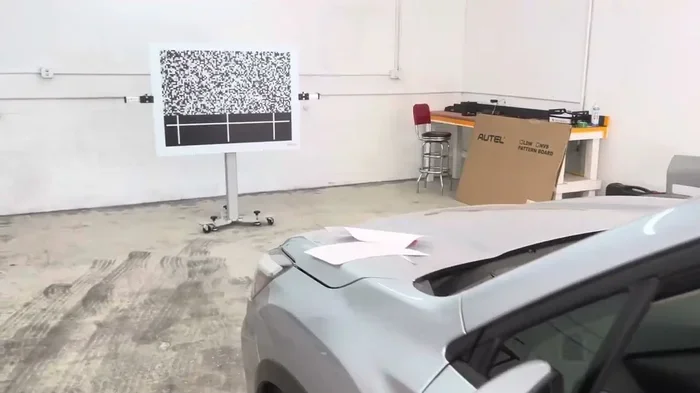
For a full calibration, you will need specialized equipment. This is the method used by Subaru dealers and qualified auto shops. They use a calibration target and a diagnostic tool to realign the cameras precisely.
Here is what the process typically looks like:
- The technician drives your Subaru to a flat, open calibration area.
- They set up a calibration target at a specific distance in front of the car.
- The diagnostic tool connects to the car’s computer system.
- The technician runs the calibration software. The cameras adjust to the target.
- The system is tested to confirm the cameras are reading correctly.
- A final test drive verifies everything is working as it should.
This process usually takes about one to two hours. It is thorough and reliable. If you have had a windshield replaced or any front-end work done, this is the recommended method. The basic reset alone will not fix a camera that has physically shifted.
Can You Do It Yourself?
Some Subaru owners wonder if they can do a full calibration themselves. The honest answer is no. Full calibration requires a Subaru-specific diagnostic tool and a controlled environment. You can do the basic reset at home, but the full process needs a professional. Attempting to calibrate the cameras without the right tools can make things worse.
That said, you can do a few things at home to keep the system healthy. We will cover those tips in a later section. For now, just know that a full calibration is a job for the experts.
When to Seek Professional Help for EyeSight Calibration
Not every calibration issue is the same. Some situations call for a trip to the dealer or a trusted auto shop. Knowing when to get help saves you time and keeps you safe on the road.
After a Windshield Replacement
This is the number one reason drivers need EyeSight recalibration. The cameras are mounted right behind the rearview mirror, close to the windshield. When a new windshield goes in, the camera position changes slightly. Even a millimeter of shift can affect the system’s accuracy. That is why Subaru and most glass shops recommend calibration after any windshield work.
If you have ever paid for labor to put a bumper on, you know auto repairs can shift things around. The same principle applies here. The camera housing may not be in the exact same spot after service. Calibration brings it back to factory specs.
After a Front-End Collision or Repair
Any work done to the front of your Subaru can affect EyeSight alignment. This includes bumper repairs, radiator replacements, or anything that changes the distance between the cameras and the road. If your car has been in an accident, even a small one, get the system checked.
A qualified technician will assess whether a full calibration is needed. They use special tools to measure camera alignment and adjust accordingly. This is not a DIY job. It requires precision equipment and Subaru-specific knowledge.
When Warning Lights Persist After a Reset
If you have tried the basic reset and the warning light keeps coming back, it is time to see a pro. Persistent lights usually mean a deeper issue. The cameras may be physically misaligned, or one of the sensors could be failing. A diagnostic scan at a shop will reveal the root cause.
Do not keep driving with a persistent EyeSight warning. The system is designed to help you avoid crashes. Driving without it working properly is a risk you do not want to take. Especially in bad weather or heavy traffic.
EyeSight Calibration Cost and Time Estimates
Let us talk numbers. How much does it cost to calibrate Subaru EyeSight, and how long does it take? These are fair questions, and the answers depend on a few factors.
Average Calibration Costs
A full EyeSight calibration at a Subaru dealer typically costs between $150 and $300. Independent shops may charge a bit less, sometimes starting around $100. The price depends on your location, the shop’s hourly rate, and whether additional diagnostics are needed.
For comparison, the cost of a basic system reset at home is free. But if the cameras need physical realignment, you will need the professional service. Think of it this way. A small investment now can prevent a big repair bill later. A misaligned EyeSight system could lead to brake failures or missed collision warnings.
How Long Does Calibration Take?
Most calibrations take one to two hours at a shop. The actual process is quick, but the setup and testing add time. Some shops can do it while you wait. Others may need your car overnight if their schedule is full.
If you are curious about what goes on during that time, the technician is doing careful work. They are not just pushing a button and walking away. Each camera needs to be aligned to exact specifications. The system then runs through multiple checks to confirm accuracy. It is a precise process that demands patience.
You might also wonder how this compares to other auto service costs. For context, the labor cost for bumper installation can run anywhere from $200 to $500 depending on the vehicle. EyeSight calibration is generally a smaller expense, and it is well worth it for the safety it provides.
Tips to Keep Your EyeSight System in Top Shape
Prevention is always better than repair. You can take simple steps to keep your EyeSight system working well between calibrations. These small habits add up over time and help you avoid unexpected issues.
Keep the Camera Lenses Clean
The EyeSight cameras sit behind the rearview mirror. They have small lenses that can get dirty. Dust, mud, snow, and even hard water spots can block the camera’s view. When the lenses are dirty, the system may give false warnings or stop working altogether.
Make it a habit to wipe the area near your rearview mirror when you wash your car. Use a soft cloth and gentle cleaner. Do not use harsh chemicals that could scratch the lens. A quick wipe during your regular car wash routine goes a long way.
Avoid Modifications Near the Windshield
Aftermarket accessories near the windshield can interfere with EyeSight. Things like dashcams, GPS mounts, or tinting near the camera area can block or distort the camera’s view. Always check with your Subaru dealer before installing anything near the front windshield.
If you have a Subaru FJ Cruiser Ultimate Edition or any other Subaru model, the camera placement may vary slightly. Check your owner’s manual for the exact camera location. Keeping that area clear helps the system work as designed.
Address Warning Lights Immediately
This one is simple. If a warning light comes on, do not ignore it. The longer you wait, the worse the problem can get. A small misalignment today can become a big safety issue tomorrow.
Many drivers put off dashboard warnings because the car still drives fine. But EyeSight is not just about driving comfort. It is about crash prevention. When the system is off or misaligned, you lose a layer of protection that could save your life in an emergency.
Follow Subaru’s Recommended Service Schedule
Subaru includes EyeSight checks in their regular maintenance schedule. During routine service visits, the technician can run a system diagnostic and check camera alignment. Staying on top of these services catches small problems before they become big ones.
You can also ask the technician about your specific model’s needs. For example, if you drive a GR86, the fluid capacity and maintenance requirements might differ slightly from other Subaru models. Always check with your dealer for model-specific guidance.
Drive Smoothly to Reduce Camera Stress
Harsh driving can jar the camera mounts and shift alignment over time. Aggorrect braking, fast cornering, and driving over rough terrain all put stress on the camera housing. Smooth, steady driving helps keep everything in place.
This does not mean you need to drive like your grandpa. Just be mindful of rough roads and sudden impacts. If you know there is a bad stretch of road ahead, slow down and take it easy. Your EyeSight system will thank you for it.
Common Mistakes to Avoid with EyeSight Calibration
Even well-meaning Subaru owners make mistakes when it comes to EyeSight calibration. Here are the most common ones and how to avoid them.
- Ignoring the warning light. Many drivers assume the light will go away on its own. It rarely does. Address it promptly.
- Trying a full DIY calibration. Without the right tools, you can damage the system or make the alignment worse.
- Skipping calibration after a windshield replacement. This is one of the most common oversights. Always get it checked after glass work.
- Using non-genuine parts near the camera area. Aftermarket windshields or mounts may not fit properly, affecting camera alignment.
- Delaying service too long. The longer you drive with a misaligned system, the more you risk missing a critical safety alert.
Avoiding these mistakes keeps your EyeSight system reliable. It also saves you money in the long run by preventing bigger issues from developing.
Expert Insights on EyeSight Maintenance
We asked a few Subaru service advisors about their top tips for EyeSight maintenance. Here is what they had to say.
Tip 1: Clean your cameras monthly. A dirty camera lens is the number one cause of false warnings. A quick wipe solves most issues.
Tip 2: Get a calibration check after any front-end work. Whether it is a bumper repair or a windshield swap, have the system verified.
Tip 3: Do not unplug or cover the cameras. Some owners cover the cameras to prevent tickets or privacy concerns. This disables the entire EyeSight system and is not recommended.
Tip 4: Keep your software up to date. Subaru occasionally releases software updates that improve EyeSight performance. Ask your dealer about the latest updates for your model.
Tip 5: Trust the professionals for full calibration. A dealer or certified shop has the tools and training to do the job right. It is worth the investment for your safety.
These tips come from real-world experience. They are practical and easy to follow. Incorporating even a few of them into your routine will keep your EyeSight system in great shape.
Final Thoughts
Calibrating Subaru EyeSight is one of the most important things you can do for your safety. This system works hard to keep you out of danger. But it can only do its job if it is properly aligned and maintained. Whether you perform a quick reset at home or visit a professional for a full calibration, the key is to act when you notice a problem.
Do not wait for a warning light to become a serious issue. A simple calibration check can make all the difference. Your Subaru is built with advanced safety in mind. EyeSight is one of the best features on the road today. Keeping it calibrated means you are getting the full benefit of that technology every time you drive.
Take a few minutes today. Check your EyeSight system. Clean the camera area. Address any warnings right away. These small steps add up to a safer ride for you and everyone on the road. Your Subaru was engineered to protect you. EyeSight calibration is how you make sure that protection never lets you down.
Frequently Asked Questions
How often should I calibrate my Subaru EyeSight system?
There is no set schedule for EyeSight calibration. You should calibrate it whenever you notice a warning light, after a windshield replacement, or following any front-end repair. Regular checks during routine Subaru service visits also help catch issues early.
Can I drive my Subaru if the EyeSight light is on?
You can still drive the car, but you lose the driver assist features. Pre-collision braking, lane keep assist, and adaptive cruise control will not work. It is best to get the system checked as soon as possible to restore your safety features.
What causes the EyeSight system to malfunction?
The most common causes are dirty camera lenses, camera misalignment after a windshield replacement, a minor collision, or a software glitch. Sometimes a dead battery or electrical issue can also trigger the malfunction light.
Is EyeSight calibration covered by Subaru warranty?
It depends on your warranty terms and the reason for calibration. If the calibration is needed due to a defect covered by warranty, Subaru may pay for it. If it is due to an accident or aftermarket work, you will likely need to cover the cost yourself.
How long does a Subaru EyeSight calibration take?
A full calibration typically takes one to two hours at a dealership or qualified shop. The actual process is quick, but setup and testing add time. Some shops can complete it while you wait.
Can I recalibrate EyeSight myself without special tools?
You can perform a basic system reset at home using the steering wheel controls. However, a full calibration requires Subaru-specific diagnostic tools and a calibration target. For best results, leave the full calibration to a professional technician.
=== CONCLUSION ===
How to calibrate Subaru EyeSight is a question every Subaru owner should know the answer to. Your EyeSight system is a powerful safety tool, but only when it is properly calibrated and maintained. From recognizing the warning signs to performing a basic reset or seeking professional help, you now have everything you need to keep your system working at its best. Take action today. Check your EyeSight system, clean those camera lenses, and schedule a calibration if needed. Your safety on the road depends on it.