How Suzuki Achieves Efficiency Through Smart Design
Suzuki achieves efficiency through a combination of smart design choices, lightweight materials, advanced hybrid systems, and aerodynamic engineering. The brand has mastered the art of delivering impressive fuel economy without sacrificing performance or affordability. From compact city cars to SUVs, Suzuki’s approach to vehicle efficiency sets a standard in the automotive industry.
When you think about how Suzuki achieves efficiency, you might picture a brand that simply makes smaller cars. But the truth goes much deeper than that. Suzuki has spent decades refining every detail of their vehicles to squeeze out every possible mile from each drop of fuel. The result is a lineup of cars and SUVs that deliver remarkable fuel economy without feeling cheap or underpowered.
If you have been shopping for a new ride and wondering what makes certain brands stand out in the efficiency game, Suzuki deserves a serious look. The company’s philosophy centers on smart design rather than expensive gimmicks. They focus on what actually matters: reducing weight, improving airflow, optimizing engines, and embracing hybrid technology. Let us break down exactly how Suzuki pulls this off.
What makes Suzuki different from other automakers? It comes down to a relentless focus on simplicity and practicality. While some brands chase horsepower numbers or add luxury features that add weight, Suzuki keeps things lean and purposeful. This approach has made Suzuki efficiency a hallmark of the brand, and it is something every driver can benefit from.
Key Takeaways
- Lightweight Construction: Suzuki uses lighter materials to reduce fuel consumption and improve handling.
- Hybrid Technology: Suzuki’s hybrid systems boost efficiency without compromising power.
- Aerodynamic Design: Thoughtful shaping reduces drag and improves fuel economy at highway speeds.
- Engine Optimization: Suzuki engineers smaller, smarter engines that deliver more with less.
- Affordability Meets Efficiency: Suzuki proves that efficient cars don’t have to break the bank.
- Real-World Results: Suzuki models consistently deliver strong mileage figures in everyday driving.
📑 Table of Contents
- The Engineering Behind Suzuki’s Fuel-Saving Technology
- Lightweight Design: Less Weight, More Efficiency
- Suzuki’s Hybrid and Eco-Friendly Innovations
- Aerodynamic Design That Reduces Drag
- Real-World Efficiency: Suzuki Models That Deliver
- Common Mistakes That Reduce Vehicle Efficiency
- Key Takeaways
- Conclusion
The Engineering Behind Suzuki’s Fuel-Saving Technology
At the heart of every Suzuki vehicle lies an engine designed with efficiency in mind. Suzuki engine optimization is not about making the biggest power output. It is about getting the most work from the least amount of fuel. The engineers at Suzuki have perfected the art of balancing performance with economy.
Small Displacement, Big Results
Suzuki has long championed smaller displacement engines. Instead of using large engines that guzzle fuel, Suzuki opts for compact powerplants that still deliver plenty of pep for daily driving. These engines use advanced technologies like direct fuel injection and variable valve timing to maximize every combustion cycle.
The benefit is clear. A smaller engine weighs less, uses less fuel, and costs less to maintain. For buyers checking how much is a brand new car and factoring in long-term ownership costs, Suzuki’s engine choices make a lot of sense.
Intelligent Transmission Systems
Suzuki pairs its engines with intelligent transmission systems that keep the engine running in its most efficient range. Whether it is a CVT (Continuously Variable Transmission) or a traditional automatic, the goal is the same: find the sweet spot between power and fuel consumption.
These transmissions shift seamlessly and keep the engine humming along at optimal speeds. The result is a driving experience that feels smooth and natural while sipping fuel rather than gulping it.
Start-Stop Technology
Many Suzuki models come equipped with start-stop technology. This system automatically shuts off the engine when the car is idling, such as at a traffic light. When you lift your foot off the brake, the engine restarts instantly. It is a simple feature that makes a real difference in city driving fuel economy.
Lightweight Design: Less Weight, More Efficiency
One of the most important factors in how Suzuki achieves efficiency is lightweight design. The less a car weighs, the less energy it needs to move. Suzuki has been a pioneer in using high-strength steel and lightweight materials that keep the body rigid without adding bulk.
The Weight Reduction Strategy
Suzuki engineers look at every component and ask a simple question: can we make this lighter without sacrificing safety or durability? The answer is often yes. By using advanced high-strength steel in key structural areas, Suzuki reduces overall weight while maintaining excellent crash protection.
Lighter vehicles also wear their brakes and tires more slowly. This means lower maintenance costs over time. If you are curious about how many miles can a car last, Suzuki’s lightweight approach plays a big role in extending vehicle lifespan.
Material Choices That Matter
Suzuki does not just use one type of material. They mix and match based on the needs of each component. For example, they might use aluminum for the hood or trunk lid to save weight, while keeping steel for the safety cage. This strategic material selection is a hallmark of Suzuki smart design.
Every pound saved translates into better fuel economy. Over thousands of miles of driving, those savings add up to real money at the pump. It is one of the reasons Suzuki vehicles consistently rank among the most fuel-efficient options on the market.
Suzuki’s Hybrid and Eco-Friendly Innovations
Suzuki has embraced hybrid technology as a key part of its efficiency strategy. The company’s hybrid systems are designed to be practical and affordable, not just impressive on paper. Suzuki believes that eco-friendly cars should be accessible to everyday buyers, not just luxury shoppers.
How Suzuki’s Hybrid System Works
Suzuki’s hybrid setup combines a traditional gasoline engine with an electric motor. The electric motor assists during acceleration, which means the gas engine does not have to work as hard. During cruising or low-speed driving, the electric motor can take over entirely, using zero fuel.
The battery is charged through regenerative braking, which captures energy normally lost during slowing down. This creates a self-sustaining system that improves fuel economy without requiring any plugging in. It is clever engineering that delivers real-world benefits.
Affordability and Accessibility
One of Suzuki’s strengths is making hybrid technology affordable. While some brands charge a premium for hybrid powertrains, Suzuki keeps prices reasonable. This makes efficient cars available to a wider range of buyers. When you compare how much is a car in Japan in US dollars, you can see that Suzuki’s home-market pricing philosophy carries over to their global offerings.
The company’s commitment to accessibility means that Suzuki efficiency is not reserved for wealthy buyers. Families, first-time car owners, and budget-conscious shoppers can all benefit from Suzuki’s hybrid lineup.
Aerodynamic Design That Reduces Drag
Have you ever stuck your hand out of a car window at highway speeds? You can feel the air pushing back. That force, called drag, makes the engine work harder and uses more fuel. Suzuki tackles this problem through careful aerodynamic design.
Shaping the Body for Efficiency
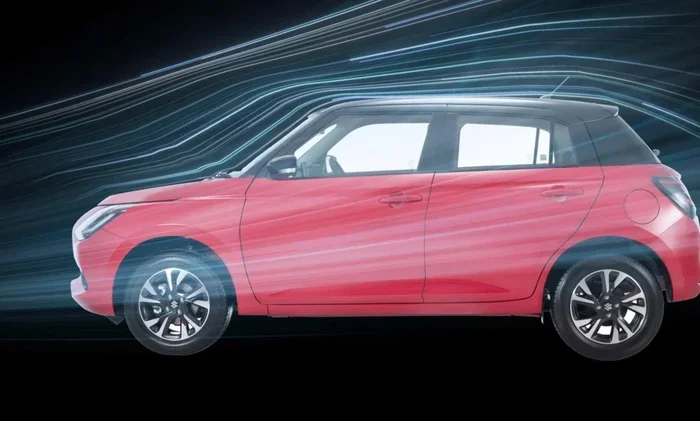
Every curve and line on a Suzuki vehicle is designed with airflow in mind. The body panels are shaped to let air flow smoothly over the car, reducing turbulence and drag. Even small details like mirror shapes, grille designs, and underbody panels are optimized for airflow management.
At highway speeds, aerodynamic drag is one of the biggest factors affecting fuel economy. By reducing drag, Suzuki allows the engine to work less to maintain speed. This is why Suzuki vehicles often deliver their best mileage on the highway.
The Role of the Underbody
Suzuki pays attention to what is underneath the car, too. A smooth underbody panel helps air flow underneath without creating turbulence. This might seem like a small detail, but it contributes to the overall vehicle efficiency that Suzuki is known for.
Some competitors ignore underbody aerodynamics, but Suzuki treats every surface as an opportunity to improve efficiency. It is this level of attention to detail that separates the brand from the competition.
Real-World Efficiency: Suzuki Models That Deliver
Theoretical efficiency numbers are great, but what really matters is how Suzuki vehicles perform in everyday driving. The company’s current lineup offers several models that showcase Suzuki engineering excellence in real-world conditions.
The Suzuki Swift: A Compact Efficiency Champion
The Swift is one of Suzuki’s most popular models worldwide, and for good reason. It is lightweight, aerodynamic, and powered by an efficient small-displacement engine. The Swift delivers impressive city and highway mileage, making it a favorite for commuters and daily drivers.
Its compact size also makes it easy to park and maneuver in tight spaces. For urban drivers looking for an efficient car that does not guzzle gas, the Swift hits the sweet spot.
The Suzuki Vitara: Efficiency Meets Versatility
The Vitara proves that you do not have to sacrifice efficiency for versatility. This compact SUV offers strong fuel economy for its class while still providing all-wheel drive capability and plenty of cargo space. Suzuki has managed to pack a lot of value into a relatively small package.
The Vitara’s efficiency comes from its lightweight construction and optimized engine. It is a great choice for families who want a practical vehicle without the fuel penalty of larger SUVs.
The Suzuki Baleno: Sedan Efficiency Done Right
The Baleno is a sedan that focuses on delivering excellent fuel economy in a comfortable package. It may not turn heads with flashy styling, but it gets the job done efficiently. The Baleno is proof that you do not need a luxury badge to achieve great mileage.
For buyers comparing options, the Baleno often undercuts competitors in both purchase price and running costs. When you factor in how much is a brand new car versus long-term fuel savings, Suzuki models like the Baleno make a compelling case.
Common Mistakes That Reduce Vehicle Efficiency
Even the most efficiently designed car will suffer if the driver does not take proper care of it. Suzuki builds vehicles that are efficient by design, but owners play a role too. Here are some mistakes that can undermine your Suzuki’s efficiency.
Ignoring Tire Pressure
Underinflated tires create more rolling resistance, which forces the engine to work harder. Check your tire pressure regularly and keep them at the manufacturer’s recommended levels. This simple habit can improve your fuel economy noticeably.
Carrying Excess Weight
Every extra pound in your car costs fuel. Remove roof racks when not in use, clean out your trunk of unnecessary items, and avoid hauling heavy loads when you do not need to. Keeping your Suzuki light helps it stay efficient.
Skipping Regular Maintenance
Fresh oil, clean air filters, and properly functioning sensors all contribute to engine efficiency. Skipping maintenance might save a few dollars short-term, but it will cost you in fuel economy over time. Stay on top of your service schedule to keep your Suzuki running at its best.
Key Takeaways
- Smart Engine Design: Suzuki uses smaller, optimized engines with direct injection and variable valve timing to maximize efficiency.
- Lightweight Materials: High-strength steel and strategic use of aluminum keep vehicles light without sacrificing safety.
- Hybrid Accessibility: Suzuki makes hybrid technology affordable and practical for everyday buyers.
- Aerodynamic Engineering: Every surface of a Suzuki vehicle is shaped to reduce drag and improve fuel economy.
- Real-World Results: Models like the Swift, Vitara, and Baleno deliver strong efficiency in practical, usable packages.
- Owner Responsibility: Proper maintenance and driving habits help Suzuki vehicles achieve their full efficiency potential.
Conclusion
How Suzuki achieves efficiency is a story of smart engineering, thoughtful design, and a commitment to practical value. From lightweight construction to hybrid technology, from aerodynamic shaping to engine optimization, every element of a Suzuki vehicle is designed with efficiency in mind.
Suzuki does not rely on expensive technology or flashy marketing. Instead, they focus on the fundamentals that actually make a difference in how far your car can go on a tank of gas. The result is a lineup of vehicles that are efficient, affordable, and genuinely enjoyable to drive.
Whether you are looking for a compact city car or a versatile SUV, Suzuki has options that deliver on the promise of efficiency. Next time you are in the market for a new vehicle, consider what Suzuki has to offer. You might be surprised at how much you can save at the pump without sacrificing the things you love about driving.
The automotive world is shifting toward greater efficiency, and Suzuki has been leading that charge for years. Their approach proves that smart design beats expensive technology every time. If you value fuel economy, practicality, and long-term savings, a Suzuki might be exactly what you need.
Frequently Asked Questions
What makes Suzuki cars so fuel efficient?
Suzuki achieves fuel efficiency through a combination of lightweight construction, small displacement engines, hybrid technology, and aerodynamic design. The company focuses on reducing weight and optimizing every component so the engine does not have to work as hard. This holistic approach to vehicle efficiency is what sets Suzuki apart from competitors.
Does Suzuki offer hybrid vehicles?
Yes, Suzuki offers hybrid powertrains across several models. Their hybrid systems combine a gasoline engine with an electric motor to boost fuel economy without sacrificing performance. The hybrid technology is designed to be affordable and practical, making efficient cars accessible to a wide range of buyers.
How does Suzuki’s lightweight design improve efficiency?
A lighter vehicle requires less energy to move, which directly improves fuel economy. Suzuki uses high-strength steel and aluminum strategically to reduce weight while maintaining safety and structural integrity. This smart design approach means you get a car that is both safe and efficient.
Are Suzuki vehicles expensive to maintain?
Suzuki vehicles are generally affordable to maintain. Smaller engines use less fuel and cheaper parts, and the lightweight design means brakes and tires wear more slowly. Overall, Suzuki efficiency extends beyond just fuel savings to include lower ownership costs over time.
Which Suzuki model is the most fuel efficient?
The Suzuki Swift is often considered the most fuel efficient model in the lineup. Its compact size, lightweight construction, and optimized engine deliver excellent mileage in both city and highway driving. However, the Suzuki Baleno and Vitara also offer strong efficiency for their respective categories.
Can I improve my Suzuki’s efficiency through driving habits?
Absolutely. Maintaining proper tire pressure, avoiding aggressive acceleration, keeping your vehicle well-maintained, and removing excess weight all contribute to better fuel economy. Suzuki smart design gets you far, but good driving habits help you get even more out of every tank.