Car Reverse Sensor Price and Installation Cost Guide
The car reverse sensor price typically ranges from $15 to $150 per sensor, while professional installation adds $50 to $200 depending on your vehicle type. DIY kits offer significant savings, but OEM systems deliver better integration and reliability. This guide breaks down every cost factor so you can make an informed decision.
Backing up a car can be stressful, especially in tight spaces. A car reverse sensor takes that stress away by alerting you to obstacles behind your vehicle. These small but powerful devices have become a must-have safety accessory for drivers of all ages.
If you have been searching for the car reverse sensor price, you have probably noticed a wide range of options. Prices vary based on the type of sensor, brand, number of sensors, and whether you choose DIY or professional installation. This guide covers everything you need to know about backup sensor cost and what to expect.
Understanding the reverse parking sensor price helps you make a smart buying decision. You do not need to overspend to get reliable performance. Let us walk through the costs, types, and installation options step by step.
Key Takeaways
- Basic sensor kits start at around $15 per sensor: affordable options are widely available online and at auto parts stores.
- Professional installation costs between $50 and $200: the price depends on your vehicle model and sensor type.
- OEM sensors cost more but offer seamless integration: they match your car’s factory design and display system.
- Aftermarket kits are budget-friendly and easy to install: most DIY enthusiasts can set them up in under an hour.
- Ultrasonic sensors are the most common type: they use sound waves to detect obstacles behind your vehicle.
- Additional features like display monitors increase the total cost: consider what you actually need before buying.
- Regular maintenance keeps your sensors working accurately: clean them periodically and check wiring connections.
📑 Table of Contents
- What Is a Car Reverse Sensor?
- Types of Car Reverse Sensors
- Car Reverse Sensor Price Breakdown
- Factors That Affect Car Reverse Sensor Price
- How to Choose the Right Reverse Sensor System
- Installation Tips for Car Reverse Sensors
- Common Mistakes to Avoid
- Maintenance Tips for Your Reverse Sensors
- Are Car Reverse Sensors Worth the Cost?
- Conclusion
What Is a Car Reverse Sensor?
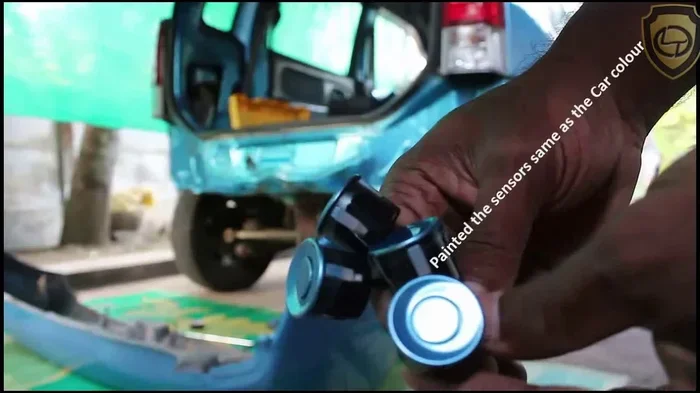
A car reverse sensor is a small device mounted on the rear bumper of your vehicle. It uses ultrasonic technology to detect objects behind your car when you shift into reverse. When an obstacle comes within range, the sensor sends an alert through a beeping sound or a visual display on your dashboard.
The parking sensor system has become standard on many new vehicles. However, older cars and budget models often do not include them. That is where aftermarket reverse alert systems come in handy. They are easy to add and significantly improve your parking safety.
How Do Reverse Sensors Work?
Each sensor emits ultrasonic sound waves. These waves bounce off objects and return to the sensor. The system calculates the distance based on the time it takes for the waves to return. As you get closer to an object, the beeping frequency increases. This gives you a clear sense of how close you are to obstacles.
Most parking assist systems use four sensors, one on each corner of the rear bumper. Some systems include six or eight sensors for wider coverage. The number of sensors you choose affects the total car reverse sensor price.
Types of Car Reverse Sensors
Not all backup sensor cost options are the same. Different types of sensors offer different features, accuracy levels, and price points. Let us look at the most common types available on the market today.
Ultrasonic Sensors
Ultrasonic sensors are the most popular type of reverse parking sensor. They use sound waves to detect objects and are reliable in most driving conditions. These sensors work well in rain, fog, and low-light situations because they do not depend on cameras or light.
The car reverse sensor price for ultrasonic sensors is very affordable. Basic kits with four sensors typically cost between $25 and $80. Higher-end ultrasonic systems with digital displays can go up to $150 or more.
Camera-Based Reverse Systems
Camera-based systems combine a rear-facing camera with sensors. The camera displays a live view of what is behind your car on a monitor or your infotainment screen. These systems offer a visual representation of your surroundings, which many drivers find more helpful than audio alerts alone.
The backup sensor cost for camera systems is higher. A basic rear camera with sensors can range from $50 to $200. Premium systems with high-resolution cameras and dynamic guidelines can cost $300 or more.
OEM vs. Aftermarket Sensors
OEM sensors come directly from your car manufacturer. They are designed to match your vehicle’s exact specifications. Aftermarket sensors are made by third-party companies and fit a wide range of vehicles.
OEM car reverse sensor price tends to be higher because of brand naming and dealer markup. However, OEM sensors often integrate better with your car’s existing systems. Aftermarket sensors offer great value and are easier to find in different styles and price ranges.
Car Reverse Sensor Price Breakdown
The car reverse sensor price depends on several factors. Understanding these factors helps you budget correctly and avoid overspending. Let us break down the costs by category.
Sensor Unit Costs
Individual reverse parking sensor price for a single sensor unit typically ranges from $10 to $50. Most kits include four sensors, bringing the total sensor cost to between $25 and $150. Here is a quick look at what you can expect:
- Budget sensor kits (4 sensors): $20 to $50
- Mid-range sensor kits (4 sensors): $50 to $100
- Premium sensor kits (4-6 sensors): $100 to $200
- OEM replacement sensors (per unit): $25 to $75 each
Installation Costs
If you choose professional installation, expect to pay between $50 and $200. The cost depends on your vehicle’s make and model. Some cars have bumpers that are easier to work with, while others require more labor. Here are the main installation cost factors:
- Simple installation (standard bumper): $50 to $100
- Complex installation (curved or plastic bumpers): $100 to $200
- Adding a display monitor: $50 to $150 extra
- Wiring through the vehicle: $30 to $80 additional
DIY vs. Professional Installation Cost Comparison
Many car owners wonder whether they should install car reverse sensors themselves or hire a professional. Both options have pros and cons. Here is a comparison to help you decide:
- DIY installation: Saves labor costs. Most kits come with instructions and all necessary hardware. Total cost is usually just the price of the kit.
- Professional installation: Ensures proper fit and wiring. Recommended if you are not comfortable working with car electronics. Total cost includes parts and labor.
For most people, a DIY kit is the most cost-effective way to add backup sensor cost savings. However, if your vehicle has complex wiring or a difficult bumper design, professional installation may be worth the extra expense.
Factors That Affect Car Reverse Sensor Price
Several factors influence the final car reverse sensor price you will pay. Knowing these factors helps you compare options and find the best value.
Number of Sensors
The more sensors you buy, the higher the total cost. Most kits come with four sensors, which cover the standard rear bumper area. Six- and eight-sensor kits provide wider coverage but increase the reverse parking sensor price accordingly.
Sensor Quality and Brand
Well-known brands often charge more for their parking sensor systems. This does not always mean they perform better, but they usually come with warranties and reliable customer support. Budget brands can still offer solid performance at a lower car reverse sensor price.
Display Monitor
Sensors that connect to a visual display cost more than basic audio-only systems. A dashboard display monitor shows you the exact distance to obstacles using color-coded zones. This feature adds convenience and safety but increases the total backup sensor cost.
Vehicle Compatibility
Some car reverse sensor price options are universal, meaning they fit most vehicles. Others are designed for specific makes and models. Universal kits are usually cheaper, but model-specific kits may offer a better fit and easier installation.
Additional Features
Features like multi-color LED indicators, adjustable sensitivity, and auto-on/off functionality add to the car reverse sensor price. Consider which features matter most to you. Basic audio alerts work well for most drivers, but advanced features can enhance your parking experience.
How to Choose the Right Reverse Sensor System
Choosing the right car reverse sensor price option can feel overwhelming with so many choices available. Here are some practical tips to guide your decision.
Assess Your Needs
Think about where and how you park. If you frequently park in tight spaces or crowded areas, a sensor system with more sensors and a display monitor will serve you well. If you only need occasional assistance, a basic audio-only kit may be enough.
Set a Budget
Decide how much you are willing to spend before shopping. Car reverse sensor price ranges from as low as $20 for a basic kit to over $300 for a premium system with a camera. Having a clear budget helps you narrow down options quickly.
Check Compatibility
Make sure the sensor kit you choose is compatible with your vehicle. Check the bumper size, mounting hole diameter, and wiring requirements before purchasing. Most kits list compatible vehicle models on the product page.
Read Reviews
Customer reviews give you real-world insights into sensor performance. Look for reviews that mention accuracy, ease of installation, and durability. Avoid kits with consistently negative feedback about false alerts or poor build quality.
Installation Tips for Car Reverse Sensors
Installing car reverse sensors is a straightforward project for most DIY enthusiasts. Here are some tips to make the process smooth and successful.
Tools You Will Need
- Drill with appropriate bit size for sensor holes
- Screwdriver set
- Wire stripper and crimping tool
- Electrical tape and zip ties
- Multimeter for testing connections
Step-by-Step Installation Process
- Plan sensor placement: Mark the drilling positions on your rear bumper. Most kits recommend placing sensors evenly spaced across the bumper.
- Drill mounting holes: Use the correct drill bit size. Go slowly to avoid cracking the bumper material.
- Mount the sensors: Insert the sensors through the holes and secure them with the provided brackets and screws.
- Run the wiring: Route the wiring harness along the inside of the bumper toward the front of the vehicle. Use zip ties to keep wires secure.
- Connect to the control unit: Attach the wiring to the main control box. Follow the wiring diagram included in your kit.
- Connect to the reverse light: Most systems tap into the reverse light wire for power. Use a multimeter to identify the correct wire.
- Mount the display or control box: Place the control unit in a discreet location inside the vehicle. Connect it to the display if your kit includes one.
- Test the system: Put the car in reverse and walk around the vehicle to test each sensor. Adjust sensitivity if needed.
Quick Tips for a Clean Installation
- Clean the bumper surface before drilling to ensure a secure fit.
- Use sealant around sensor holes to prevent water intrusion.
- Keep wiring away from moving parts and heat sources.
- Test the system thoroughly before driving the car.
Common Mistakes to Avoid
Avoiding common mistakes saves you time, money, and frustration when installing car reverse sensors.
- Skipping the wiring diagram: Always follow the included wiring diagram carefully. Incorrect connections can damage your vehicle’s electrical system.
- Drilling too large holes: Use the exact drill bit size recommended by the sensor manufacturer. Oversized holes cause sensors to fit loosely and let in moisture.
- Ignoring sensor compatibility: Not all sensors work with all control units. Make sure the sensors and the main unit are from the same kit.
- Hiding the control box too well: While aesthetics matter, make sure the control box is accessible for future adjustments or repairs.
- Forgetting to test before driving: Always test the full system in a safe, open area before relying on it in real parking situations.
Maintenance Tips for Your Reverse Sensors
Once your car reverse sensor price investment is installed, keeping the sensors in good condition ensures long-term performance. Regular maintenance is simple and only takes a few minutes.
- Clean sensors regularly: Dirt, mud, and snow can block ultrasonic sensors. Wipe them down with a soft cloth after washing your car.
- Check wiring connections: Inspect the wiring every few months. Loose connections cause intermittent alerts or system failure.
- Replace damaged sensors promptly: A cracked or loose sensor gives inaccurate readings. Replace it as soon as you notice damage.
- Update firmware if applicable: Some advanced parking sensor systems have updatable firmware. Check the manufacturer’s website for updates.
Are Car Reverse Sensors Worth the Cost?
The car reverse sensor price is a small investment compared to the potential cost of a parking accident. A minor bumper dent or scratch can cost hundreds of dollars to repair. A reverse alert system helps you avoid these expensive repairs entirely.
Beyond financial savings, reverse sensors give you confidence and peace of mind. They are especially helpful for new drivers, older drivers, and anyone who parks in tight or crowded spaces. The backup sensor cost is quickly justified by the safety and convenience they provide.
Whether you choose a basic audio-only kit or a premium system with a camera and display, you are making a smart choice for your vehicle. The wide range of car reverse sensor price options means there is a solution for every budget and every driving need.
Conclusion
Understanding the car reverse sensor price and what goes into the total cost helps you make a confident buying decision. From affordable DIY kits to premium OEM systems, there is a reverse parking sensor price option for everyone. The key is to assess your needs, set a budget, and choose a system that delivers reliable performance.
Whether you install the sensors yourself or hire a professional, the safety benefits are clear. A car reverse sensor is one of the most practical and cost-effective safety upgrades you can make to your vehicle. Take your time, compare options, and invest in a system that gives you peace of mind every time you park.
Frequently Asked Questions
What is the average car reverse sensor price for a basic kit?
A basic car reverse sensor price for a four-sensor kit ranges from $20 to $50. These kits include everything you need for installation and typically come with audio alerts only. They are the most affordable option for adding parking assistance to your vehicle.
How much does professional installation cost for reverse sensors?
Professional installation for car reverse sensors typically costs between $50 and $200. The exact backup sensor cost for labor depends on your vehicle model and the complexity of the bumper design. Some shops include installation in the sensor kit price, so always ask before booking.
Can I install car reverse sensors myself?
Yes, most reverse parking sensor price kits are designed for DIY installation. The process takes about one to two hours and requires basic tools like a drill and screwdriver. If you are comfortable with simple car electronics, DIY installation can save you significant money compared to professional service.
Do reverse sensors work in all weather conditions?
Most parking sensor systems use ultrasonic technology, which works reliably in rain, snow, and fog. Unlike cameras, sensors do not depend on clear visibility. However, heavy snow or mud buildup on the sensors can temporarily reduce accuracy, so regular cleaning is recommended.
What is the difference between OEM and aftermarket reverse sensors?
OEM sensors are made by your vehicle’s manufacturer and are designed to match factory specifications. Aftermarket sensors are made by third-party companies and fit a wider range of vehicles. The car reverse sensor price for OEM units is usually higher, but aftermarket options often provide excellent performance at a lower cost.
How long do car reverse sensors last?
Quality car reverse sensors typically last between five and ten years with proper maintenance. Factors like exposure to road debris, extreme temperatures, and moisture can affect their lifespan. Keeping sensors clean and checking wiring connections regularly helps maximize their durability.
=== CONCLUSION ===
The car reverse sensor price is a worthwhile investment for any driver looking to improve parking safety and avoid costly bumper damage. With options ranging from budget-friendly DIY kits to premium OEM systems, there is a solution that fits every need and budget. By understanding the costs, types, and installation options, you can choose the right system with confidence. Take action today and make your parking experience safer and stress-free.