Have You Ever Wondered What the Fuel Cap Door Is Called
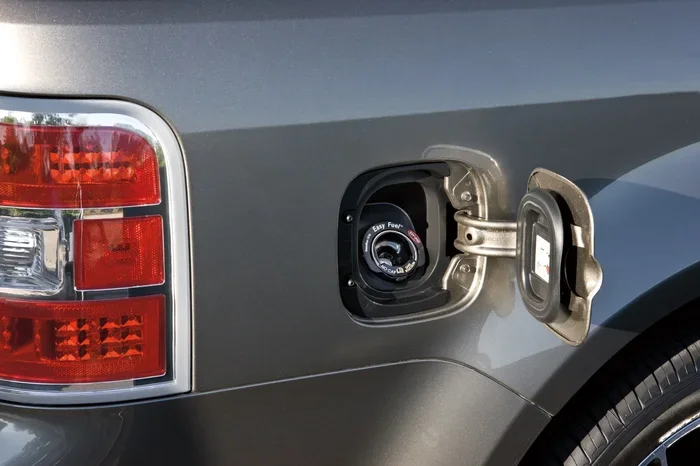
The fuel cap door is commonly called the fuel filler door, fuel door, or gas cap door. It protects the fuel inlet and keeps debris out of your tank. Understanding its parts and types helps you maintain your vehicle better and avoid costly repairs.
Have you ever stood at the gas pump, reached for the little door on the side of your car, and wondered what it’s actually called? You’re not alone. Many drivers use the term fuel cap door without knowing the proper name or why it matters. In this article, we’ll break down everything you need to know about this small but essential part of your vehicle.
The fuel cap door goes by several names, and each one tells you something different about how it works. Whether you call it a fuel filler door, a gas door, or a fuel hatch, this component plays a big role in keeping your car running safely and efficiently. Let’s dive into the details and explore what makes this part so important.
Key Takeaways
- Fuel cap door is also known as the fuel filler door, gas door, or fuel hatch.
- There are several types of fuel doors, including manual, automatic, and remote-release designs.
- A stuck or misaligned fuel door can cause safety and fuel efficiency issues.
- Regular maintenance keeps the fuel door mechanism working smoothly for years.
- Replacing a damaged fuel cap door is usually simple and affordable.
- Knowing your fuel door type helps you troubleshoot problems faster.
- Always close the fuel door securely to prevent fuel vapor leaks.
📑 Table of Contents
What Is the Fuel Cap Door Called?
The fuel cap door has a few official names depending on who you ask. Most mechanics and car manufacturers refer to it as the fuel filler door. Some call it the fuel door or the gas cap door. You might also hear people use the term fuel hatch or fuel inlet door. All of these terms describe the same thing: the cover that shields the fuel inlet on your vehicle.
The fuel filler door is more than just a cosmetic cover. It serves a real purpose. It keeps dirt, water, and debris out of the fuel tank. It also helps maintain proper pressure inside the tank, which is essential for fuel efficiency and safety. When the door is damaged or doesn’t close properly, it can lead to bigger problems down the road.
Why Do Different Names Exist?
The reason there are so many names for the fuel cap door comes down to how people use their vehicles. Someone who drives a truck might call it the gas door. A car enthusiast might say fuel filler door. A casual driver might just call it the gas cap cover. No matter what you call it, the function stays the same. It protects the opening where you pour fuel into your tank.
Car manufacturers use different names in their owner’s manuals too. Some brands refer to it as the fuel filler cap assembly. Others simply list it as the fuel door. This can make things confusing when you’re trying to look up replacement parts or search for help online. Now you know the most common terms, so you’ll never have trouble finding the right information.
Why Does the Fuel Cap Door Matter?
You might think the fuel cap door is just a small plastic or metal flap. But it does a lot more than you’d expect. Let’s look at why this part deserves your attention.
Safety First
The fuel filler door keeps fuel vapors contained. Gasoline vapors are flammable and can be dangerous if they escape. A properly sealed fuel door prevents leaks and reduces the risk of fire. It also keeps harmful fumes out of the passenger cabin. If your fuel door is cracked or doesn’t latch correctly, you should address the issue right away.
Fuel Efficiency
Believe it or not, a loose or damaged fuel cap door can hurt your gas mileage. When the seal isn’t tight, fuel vapors escape, and your engine has to work harder. The check engine light might even come on because of a faulty fuel door seal. Something as simple as making sure your fuel door closes fully can save you money at the pump.
Protecting the Fuel System
Dirt, leaves, water, and other debris can enter the fuel tank if the fuel filler door is missing or broken. Contaminated fuel can clog your fuel filter and damage the engine over time. The fuel door acts as a first line of defense against these contaminants. Keeping it in good shape is a small step that protects your entire fuel system.
Types of Fuel Cap Doors
Not all fuel cap doors are the same. Different vehicles use different types of fuel doors, and each has its own pros and cons. Here’s a closer look at the most common types.
Manual Fuel Doors
A manual fuel cap door requires you to open it by hand. You usually have to pull or lift the door from the outside. These are the most traditional type and can be found on many older vehicles and some newer models. They’re simple, reliable, and easy to replace. The downside is that you need to remember to close them after fueling.
Automatic Fuel Doors
Many modern cars come with automatic fuel doors that pop open when you press a button or pull a lever inside the vehicle. These are convenient because you don’t have to touch the door directly. They also tend to seal more tightly, which helps with fuel vapor containment. The mechanism is a bit more complex, so repairs can cost a little more if something goes wrong.
Remote-Release Fuel Doors
Some luxury and newer vehicles offer remote-release fuel doors. You can open the fuel filler door from the key fob or the car’s infotainment system. This is a nice premium feature that adds convenience. If you’ve ever wondered how to open your fuel door without getting out of the car, this is the type you have.
Comparison Table: Types of Fuel Cap Doors
| Type | How It Opens | Pros | Cons |
|---|---|---|---|
| Manual | Hand pull or lift from outside | Simple, easy to replace, reliable | Easy to forget to close |
| Automatic | Button or lever inside car | Convenient, better seal | More complex mechanism |
| Remote-Release | Key fob or infotainment system | Most convenient, premium feel | Higher repair cost if broken |
Which Type Do You Have?
You can usually find out what type of fuel cap door your vehicle has by checking the owner’s manual. You can also look at the outside of the car near the fuel inlet. If there’s a small button or lever on the door panel, you likely have an automatic or remote-release type. If the door is just a flat piece that you pull open by hand, it’s a manual type. Knowing your type helps you troubleshoot problems faster.
Common Fuel Cap Door Problems
The fuel cap door doesn’t last forever. Over time, wear and tear can cause issues. Here are the most common problems drivers face with their fuel doors.
Stuck or Jammed Fuel Door
A stuck fuel door is one of the most frustrating problems you can encounter at the gas station. The door might be frozen shut due to ice, rust, or a broken latch. In cold weather, ice buildup around the hinge is a common culprit. You can try gently wiggling the door or using a small amount of lubricant on the hinge. If the door is still stuck, it might need professional attention.
Broken Fuel Door Latch
The latch is what keeps the fuel cap door securely closed. Over time, the latch can wear out or break, especially if the door is slammed too hard. A broken latch means the door won’t stay shut, which can trigger the check engine light and cause fuel vapor leaks. Replacing a fuel door latch is usually inexpensive and straightforward.
Misaligned Fuel Door
Sometimes the fuel filler door becomes misaligned after a minor accident or from repeated use. A misaligned door won’t seal properly, which leads to fuel vapor leaks and reduced fuel efficiency. You might notice a fuel smell near the rear of the car. If the door looks crooked or doesn’t sit flush with the body panel, it’s time to get it realigned or replaced.
Missing Fuel Door
It sounds surprising, but some drivers drive around with a missing fuel cap door. This can happen after a minor collision or if the door breaks off. Driving without a fuel door exposes the fuel inlet to dirt and moisture. It also allows fuel vapors to escape into the atmosphere. If your fuel door is missing, replace it as soon as possible.
Some of these issues can overlap with other car problems. For example, if you’re dealing with electrical issues related to your fuel door release, it might be worth checking whether you can drive a car if the key fob battery dies, since a dead key fob battery can sometimes cause confusion with remote-release systems. Similarly, understanding broader fuel system issues like flooding can help you see how the fuel cap door fits into your vehicle’s overall fuel system health.
How to Maintain Your Fuel Cap Door
Good maintenance keeps your fuel cap door working smoothly for years. Here are some simple tips you can follow.
Inspect the Door Regularly
Make it a habit to check your fuel door every time you fill up. Look for cracks, rust, or signs of wear. Make sure the door opens and closes easily. Catching small problems early can prevent bigger and more expensive repairs later.
Keep the Hinge Lubricated
The hinge on your fuel filler door can dry out over time, especially in cold or wet climates. Apply a small amount of silicone-based lubricant to the hinge once or twice a year. This keeps the door moving smoothly and prevents it from getting stuck.
Check the Seal and Gasket
The seal around the fuel door keeps vapors from escaping. Over time, the gasket can become brittle or cracked. Inspect it regularly and replace it if you notice any damage. A new gasket is cheap and easy to install, and it helps maintain your fuel system’s integrity.
Don’t Slam the Door
It’s tempting to shut the fuel cap door quickly, but slamming it can damage the latch and hinge over time. Close the door gently but firmly. You should feel it click into place. If it doesn’t close properly, check for obstructions or misalignment before forcing it shut.
Clean the Door and Surrounding Area
Dirt and grime can build up around the fuel door, especially in winter when roads are salted. Clean the area with a mild soap and water regularly. This prevents corrosion and keeps the door looking good. A clean fuel door also makes it easier to spot damage early.
Replacing Your Fuel Cap Door
If your fuel door is damaged beyond repair, replacing it is usually a straightforward process. You can often buy a replacement fuel filler door directly from the dealership or from aftermarket parts suppliers. The cost varies depending on your vehicle’s make and model, but most replacements are affordable.
For manual fuel doors, the replacement process typically involves removing a few screws or clips and disconnecting the latch mechanism. Automatic and remote-release doors may require a bit more work since they have additional wiring and components. If you’re not comfortable doing it yourself, a mechanic can handle the replacement quickly and affordably.
Keep in mind that some fuel door issues are actually caused by a different problem. For instance, if your fuel cap door won’t open, the issue might be with the release cable or actuator rather than the door itself. Always check the full system before replacing parts. And if you’re experiencing other car troubles, it might be worth looking into related issues like whether a bad starter could be causing problems in your vehicle’s electrical system.
Expert Insights on Fuel Cap Doors
Automotive experts agree that the fuel cap door is one of the most overlooked parts of a vehicle. Most drivers don’t think about it until something goes wrong. But taking care of this small component can save you from bigger headaches down the road.
According to experienced mechanics, the most common mistake drivers make is ignoring a slightly loose or misaligned fuel door. What starts as a minor annoyance can turn into a check engine light, reduced fuel economy, or even fuel leaks. The fix is usually simple when caught early, but waiting too long can lead to more serious and expensive repairs.
Another expert tip is to always use the correct fuel door for your specific vehicle model. Aftermarket doors may seem like a good deal, but they don’t always fit perfectly or seal properly. OEM (original equipment manufacturer) doors are designed to match your vehicle exactly and are the safest choice for replacement.
Key Takeaways
- Fuel cap door is also known as the fuel filler door, gas door, or fuel hatch.
- There are several types of fuel doors, including manual, automatic, and remote-release designs.
- A stuck or misaligned fuel door can cause safety and fuel efficiency issues.
- Regular maintenance keeps the fuel door mechanism working smoothly for years.
- Replacing a damaged fuel cap door is usually simple and affordable.
- Knowing your fuel door type helps you troubleshoot problems faster.
- Always close the fuel filler door securely to prevent fuel vapor leaks.
Conclusion
The fuel cap door might seem like a small and insignificant part of your car, but it does a lot of important work. It protects your fuel system, keeps vapors contained, and contributes to your vehicle’s overall safety and efficiency. Now that you know what it’s called and how to take care of it, you can keep your fuel door in great shape for years to come.
Whether your vehicle has a manual, automatic, or remote-release fuel door, the maintenance principles are the same. Inspect it regularly, keep it clean, and don’t ignore small problems. A little attention to your fuel cap door goes a long way toward keeping your car running at its best. So the next time you pull up to the pump, take a moment to appreciate that little door and all the work it does behind the scenes.
Frequently Asked Questions
What is another name for a fuel cap door?
The fuel cap door is also commonly called the fuel filler door, gas door, fuel hatch, or fuel inlet door. All of these terms refer to the same component that covers the fuel inlet on your vehicle.
Can you drive with a broken fuel cap door?
You can technically drive with a broken fuel cap door, but it’s not recommended. A damaged door can allow fuel vapors to escape and debris to enter the tank. It may also trigger the check engine light. Replace or repair the door as soon as possible.
How much does it cost to replace a fuel cap door?
The cost of replacing a fuel filler door typically ranges from $50 to $200 for parts, depending on your vehicle. Labor costs are usually minimal since the replacement is straightforward. OEM parts may cost a bit more but offer a better fit and seal.
Why does my fuel cap door keep popping open?
A fuel door that keeps popping open usually has a broken or worn latch, a loose hinge, or a misaligned door. Check the latch mechanism first, as this is the most common cause. Lubricating the hinge can also help if the door is sticking.
Is a fuel cap door the same as a fuel cap?
No, the fuel cap door and the fuel cap are two different parts. The fuel door is the cover that opens to reveal the fuel inlet. The fuel cap is the piece you twist on top of the fuel filler neck inside the tank. Both are important for proper fuel system function.
Can cold weather cause fuel door problems?
Yes, cold weather can cause the fuel cap door to stick or freeze shut. Ice buildup around the hinge or latch is a common issue in winter. Applying a silicone lubricant and keeping the door clean can help prevent cold-weather problems.