What Happens If You Dont Change the Air Filter in a Truck
Neglecting to change your truck’s air filter leads to reduced fuel economy, poor engine performance, and potentially costly repairs. A clogged air filter restricts airflow, starves the engine, and forces it to work harder. This simple maintenance item is cheap to replace and easy to do yourself.
Your truck works hard every single day. It hauls loads, pulls trailers, and handles whatever you throw at it. But there is one small part that often gets overlooked in all that hard work. The air filter. It is a tiny component that plays a massive role in how your engine runs. And when you skip replacing it, things start to go wrong fast. So what happens if you don’t change the air filter in a truck? Let us break it down in plain terms.
The engine air filter catches dirt, dust, pollen, and debris before they enter your combustion chambers. Think of it as a shield for your engine. Over time, that shield gets clogged. When it does, your engine cannot breathe properly. This leads to a chain reaction of problems that no truck owner wants to deal with. The good news is that changing the filter is one of the easiest and cheapest maintenance tasks you can do.
In this article, we will cover everything you need to know. From the warning signs of a dirty filter to the long-term damage caused by neglect. We will also walk you through how often to replace it and how to do it yourself. By the end, you will never skip an air filter change again.
Key Takeaways
- Engine Suffers Without Clean Air: A dirty air filter restricts airflow, causing your truck’s engine to run rich and lose power.
- Fuel Economy Drops Significantly: A clogged filter can reduce gas mileage by up to 10%, costing you money at the pump.
- Check Engine Light May Appear: Restricted airflow can trigger sensor warnings and illuminate your dashboard warning lights.
- Replacement Is Cheap and Easy: A new engine air filter costs between $15 and $50 and takes minutes to install.
- Neglect Leads to Expensive Repairs: Ignoring the air filter long-term can cause accelerated wear on engine internals.
- Know the Signs: Reduced acceleration, black exhaust smoke, and unusual engine sounds all point to a dirty filter.
- Follow the Maintenance Schedule: Most manufacturers recommend changing the air filter every 12,000 to 15,000 miles.
📑 Table of Contents
- Why Your Truck’s Air Filter Matters
- Signs Your Air Filter Needs Changing
- What Happens If You Don’t Change the Air Filter in a Truck
- How Often Should You Change Your Truck’s Air Filter
- The Cost of Ignoring Your Air Filter vs. Replacing It
- How to Change Your Truck’s Air Filter Yourself
- Long-Term Benefits of Regular Air Filter Changes
- Final Thoughts
Why Your Truck’s Air Filter Matters
Your truck’s engine needs air to run. Specifically, it needs clean air. The combustion process mixes fuel with air to create the small explosions that power your engine. If that air is dirty, those explosions become inefficient. A clogged air filter restricts the amount of air reaching the engine. This creates an imbalance in the fuel-to-air ratio.
Modern trucks use something called a mass airflow sensor to measure incoming air. When the sensor detects less air because of a dirty filter, it tells the engine to add more fuel. This is called running rich. Running rich wastes fuel and creates a buildup of carbon deposits. Over time, those deposits cause real damage.
The Role of Clean Air in Engine Performance
Clean air is essential for complete combustion. When your engine air filter is clean, it allows maximum airflow into the intake manifold. This means every cylinder gets the right amount of oxygen. The result? Smooth power, better throttle response, and improved fuel economy.
When the filter gets dirty, airflow drops. Your engine has to work harder to produce the same amount of power. You might notice that your truck feels sluggish when you press the gas pedal. That is your engine literally gasping for air through a clogged filter.
Signs Your Air Filter Needs Changing
Catching the signs early can save you from bigger problems down the road. Here are the most common symptoms of a dirty air filter in your truck:
- Reduced Acceleration: Your truck hesitates or struggles when you step on the gas. This happens because the engine cannot get enough air for combustion.
- Black Exhaust Smoke: A rich fuel mixture from a clogged filter often produces dark smoke from the tailpipe.
- Unusual Engine Sounds: You might hear popping, sputtering, or coughing sounds coming from under the hood.
- Check Engine Light: A severely restricted filter can trigger oxygen sensor codes and illuminate your dashboard warning light. In some cases, this may even lead to issues similar to what happens when you run diagnostics without a check engine light, as the restricted airflow confuses the engine sensors.
- Strong Smell of Fuel: Unburned fuel from a rich mixture creates a noticeable gasoline smell around your truck.
- Lower Fuel Economy: You notice you are filling up more often without changing your driving habits.
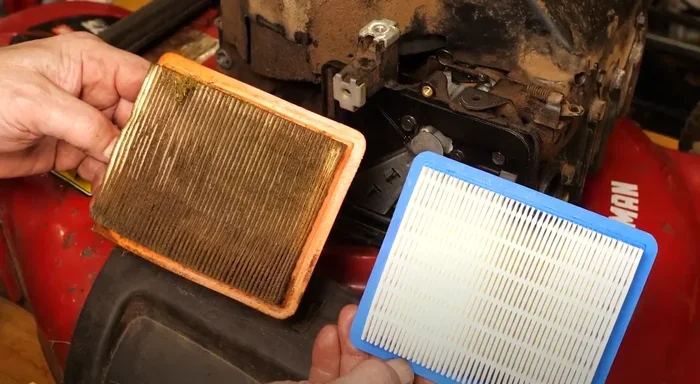
If you notice any of these signs, check your air filter immediately. It is a quick visual inspection that takes just a few seconds. Pull out the filter and hold it up to a light source. If you cannot see light through it, it is time for a replacement.
What Happens If You Don’t Change the Air Filter in a Truck
Now let us get to the heart of the question. What actually happens when you ignore that dirty air filter? The consequences range from minor annoyances to serious engine damage.
Reduced Fuel Economy
This is one of the first and most noticeable effects. A clogged engine air filter forces your engine to burn more fuel than it needs. Studies show that a dirty filter can reduce fuel efficiency by up to 10 percent. For a truck driver who logs thousands of miles each month, that adds up fast at the fuel pump.
The reason is simple. Your engine computer compensates for low airflow by injecting more fuel. This creates an overly rich mixture that does not burn completely. The result is wasted fuel and money leaving your wallet.
Loss of Engine Power
A starved engine cannot perform at its best. You will notice a lack of power when towing, climbing hills, or accelerating quickly. Your truck was built to work hard, and a dirty air filter holds it back. Many drivers report feeling like their truck is dragging or sluggish long before they think to check the filter.
Engine Damage Over Time
This is the most serious consequence. When dirt and debris bypass a clogged filter, they enter the combustion chamber. These particles can scratch cylinder walls, damage piston rings, and contaminate spark plugs. Over months and years, this wear adds up. What started as a $25 filter replacement can turn into a thousands-of-dollars engine rebuild.
In extreme cases, a severely neglected air filter can cause engine failure. The debris enters the cylinders and scores the internal surfaces. This leads to compression loss and eventual engine breakdown. Replacing a filter regularly is a fraction of the cost of engine repair.
Increased Emissions and Environmental Harm
A rich fuel mixture from a dirty filter produces higher levels of harmful emissions. Your truck will release more hydrocarbons, carbon monoxide, and particulate matter into the atmosphere. This is bad for the environment and can cause your truck to fail emissions testing in states that require it.
Impact on the Check Engine Light and Sensors
Modern trucks rely on a network of sensors to run efficiently. The mass airflow sensor and oxygen sensors both depend on proper airflow. A clogged filter throws off these readings and can trigger false codes. You might end up replacing sensors that are actually fine, just because the air filter was dirty. This is an easy and preventable expense.
Some drivers experience issues similar to what happens when you drive with a dirty air filter that causes overheating, as restricted airflow affects the engine’s ability to regulate temperature properly.
How Often Should You Change Your Truck’s Air Filter
The general recommendation is to replace your truck’s engine air filter every 12,000 to 15,000 miles. However, this can vary based on several factors. Your owner’s manual is the best place to start.
Here are some factors that may require more frequent air filter replacement:
- Driving in Dusty or Rural Areas: Gravel roads and construction zones expose your filter to more debris.
- High Traffic Conditions: Stop-and-go city driving exposes the filter to more exhaust and urban pollutants.
- Off-Road Driving: If you take your truck off the paved road, dirt and mud can clog the filter much faster.
- High Mileage: Trucks that regularly log over 15,000 miles per year may need more frequent changes.
A good habit is to inspect your filter every time you check your oil. Most people can do this in under five minutes. If the filter looks dark and clogged, do not wait for the next scheduled change. Replace it right away.
The Cost of Ignoring Your Air Filter vs. Replacing It
Let us talk numbers. A new engine air filter for most trucks costs between $15 and $50. You can buy one at any auto parts store or online. The replacement process takes about 10 minutes for most truck models.
Now compare that to the cost of ignoring the filter. A clogged filter that reduces fuel economy by 10 percent could cost you an extra $200 to $400 per year in fuel, depending on your driving habits and fuel prices. And that is just the fuel cost. Add in the potential for sensor damage, carbon buildup, and engine wear, and the costs multiply quickly.
Some drivers wonder if they can just clean and reuse their old filter. While this is possible with certain reusable air filter types, it requires proper cleaning and oiling. A cheap disposable filter is far more practical for most truck owners. The small investment pays for itself many times over.
Quick Tips for Air Filter Maintenance
- Keep a spare filter in your truck bed. You never know when you will need it.
- Check the filter after driving on dusty roads or in construction zones.
- Do not wait for symptoms to appear. Replace the filter on schedule.
- Use the correct filter for your specific truck model and year.
- If you notice any of the warning signs listed above, check the filter first before assuming something bigger is wrong.
How to Change Your Truck’s Air Filter Yourself
Changing your truck’s air filter is one of the easiest maintenance tasks you can do at home. You do not need any special tools or mechanical experience. Here is a simple step-by-step guide.
Step 1: Open the hood and locate the air filter box. It is usually a black rectangular box near the top of the engine, connected to the intake duct by a large hose.
Step 2: Release the clips or screws holding the air filter box cover in place. Most trucks use simple metal clips or wing nuts.
Step 3: Remove the old filter. Take note of how it sits inside the box so you can orient the new one correctly.
Step 4: Inspect the air filter box for any debris or dirt. Use a clean cloth to wipe out any loose particles.
Step 5: Insert the new filter, making sure it fits snugly and sits flat in the housing.
Step 6: Replace the cover and secure the clips or screws. Double-check that everything is sealed properly.
That is it. You just saved yourself a trip to the shop and anywhere from $25 to $75 in labor costs. Most truck owners can complete this task in under 15 minutes.
Common Mistakes to Avoid
Here are a few things that truck owners get wrong when it comes to air filter maintenance:
- Waiting Too Long: Some drivers change their filter only when they start experiencing problems. By then, damage may already be occurring.
- Using the Wrong Filter: Not all filters fit all trucks. Always check your owner’s manual or use a parts catalog to find the correct part number.
- Forgetting to Check the Filter Housing: Dirt and debris in the housing can contaminate a new filter. Always clean the housing before installing the new filter.
- Ignoring the Cabin Air Filter: Many trucks also have a cabin air filter that cleans the air entering the interior. A clogged cabin filter can cause musty odors and reduce airflow from your vents. If you are dealing with AC issues, it is worth checking whether a dirty cabin filter could be stopping your AC, since this is a common overlooked cause.
Long-Term Benefits of Regular Air Filter Changes
Making air filter replacement a regular part of your truck maintenance routine pays off in many ways. A clean filter allows your engine to breathe freely and operate at peak efficiency. Here are the long-term benefits you can expect:
- Better Fuel Economy: A clean filter ensures the correct fuel-to-air ratio, saving you money at the pump.
- Extended Engine Life: Keeping debris out of your combustion chambers protects sensitive internal components.
- Smoother Operation: Your truck will run more smoothly with consistent power delivery across all RPM ranges.
- Fewer Repair Bills: Preventing sensor issues and carbon buildup saves you from costly unexpected repairs.
- Lower Emissions: A properly running engine produces fewer harmful pollutants.
- Better Resale Value: A well-maintained truck with documented maintenance history fetches a higher price when you sell.
These benefits all come from one simple, inexpensive action. Changing your air filter on schedule is one of the best returns on investment you will ever get from truck maintenance.
Final Thoughts
The answer to what happens if you don’t change the air filter in a truck is clear. Neglect leads to reduced performance, worse fuel economy, and potential engine damage. A clean engine air filter is the simplest and most cost-effective way to protect your truck. It costs just a few dollars and takes minutes to replace.
Do not wait for symptoms to show up. Make air filter inspection part of your regular maintenance routine. Your truck will run better, last longer, and save you money in the long run. The next time you are at the auto parts store or browsing online, grab a spare filter and keep it in your garage. Your future self will thank you when your truck keeps running strong for years to come.
Frequently Asked Questions
Can a dirty air filter cause my truck to overheat?
Yes, a severely clogged air filter can contribute to engine overheating. Restricted airflow means less oxygen for combustion, which causes the engine to work harder and generate more heat. This can be especially problematic during hot weather or heavy towing.
How much does a truck air filter cost?
A standard truck engine air filter costs between $15 and $50. You can find them at any auto parts store, online retailer, or dealership. Some specialty filters for heavy-duty trucks may cost a bit more, but they are still very affordable compared to engine repairs.
Can I clean and reuse my old air filter?
It depends on the type of filter. Traditional paper filters are designed for single use and should be replaced. Some aftermarket filters are reusable and can be cleaned and re-oiled according to the manufacturer’s instructions. However, for most truck owners, a fresh disposable filter is the simplest and most reliable option.
Will a dirty air filter trigger the check engine light?
It can. A severely clogged filter may cause the mass airflow sensor or oxygen sensor to send incorrect readings to the engine computer. This can trigger the check engine light and store diagnostic trouble codes. Before assuming a sensor failure, always check the air filter first.
What is the difference between an engine air filter and a cabin air filter?
The engine air filter cleans air before it enters the combustion chambers. The cabin air filter cleans air that enters the truck’s interior through the ventilation system. Both are important and require regular replacement, but they serve different purposes. A dirty cabin filter can cause musty smells and reduced airflow from your vents.
How often should I check my truck’s air filter?
It is a good practice to inspect your air filter every time you check your oil, which is typically every 3,000 to 5,000 miles. In dusty conditions or high-traffic areas, you may need to check it more frequently. A quick visual inspection takes only a few seconds and can prevent bigger problems down the road.