How Often Should You Replace Your Hybrid Battery Today
Most hybrid batteries last between 80,000 and 150,000 miles, but several factors can shorten or extend that range. Knowing the warning signs early saves you money and prevents unexpected breakdowns. This guide covers everything you need to know about hybrid battery replacement timing, costs, and maintenance.
Your hybrid battery is the heart of your vehicle. It powers the electric motor, works alongside the gas engine, and helps you get amazing fuel economy. But like every battery, it does not last forever. So how often should you replace your hybrid battery? That is the question every hybrid owner should know the answer to.
The short answer is most hybrid batteries last somewhere between 80,000 and 150,000 miles. However, that range can shift quite a bit depending on how you drive, what kind of car you own, and how well you maintain it. Some owners push their batteries well past 200,000 miles, while others face replacement much earlier.
In this guide, we will walk you through everything you need to know. We will cover the average lifespan, the warning signs that tell you replacement is near, what the replacement process looks like, and how much it costs. By the end, you will feel confident about your next steps.
Key Takeaways
- Typical Lifespan: Most hybrid batteries last 80,000 to 150,000 miles before needing replacement.
- Warning Signs Matter: Reduced fuel economy, erratic charging, and dashboard warnings signal battery degradation.
- Warranty Coverage: Many manufacturers cover hybrid batteries for 8 to 10 years, which can save you thousands.
- Replacement Cost Varies: Expect to pay between $1,000 and $6,000 depending on your vehicle model and battery type.
- Maintenance Helps: Regular driving habits and proper care can significantly extend battery life.
- Professional Diagnosis Is Key: Always get a professional battery test before committing to a full replacement.
📑 Table of Contents
- Understanding Hybrid Battery Lifespan
- Warning Signs Your Hybrid Battery Needs Replacement
- The Hybrid Battery Replacement Process
- How Much Does Hybrid Battery Replacement Cost?
- How to Extend Your Hybrid Battery Life
- Warranty and Replacement Coverage
- Common Mistakes to Avoid
- When to Replace vs. When to Repair
- Final Thoughts
Understanding Hybrid Battery Lifespan
Before we dive into replacement timing, let us talk about what a hybrid battery actually is and how it works. Most hybrid cars use a high voltage battery pack made up of many individual cells. These cells work together to store energy and deliver power to the electric motor.
How Hybrid Batteries Age
Over time, the chemical reactions inside the battery cells slow down. This means the battery holds less charge and delivers less power. This process is called battery degradation. It happens gradually, and you may not even notice at first.
Several factors speed up this degradation. Extreme temperatures, both hot and cold, take a toll. Frequent short trips where the battery never fully charges can also wear it down faster. And if you always drive in a very aggressive way, that adds stress too.
Average Replacement Intervals by Vehicle Type
Different hybrid vehicles have different battery lifespans. Here is a general breakdown of what you can expect:
| Vehicle Type | Average Battery Life (Miles) | Typical Replacement Cost |
|---|---|---|
| Toyota Prius | 100,000 – 150,000 | $2,000 – $4,000 |
| Ford Escape Hybrid | 80,000 – 120,000 | $2,500 – $5,000 |
| Honda Accord Hybrid | 100,000 – 150,000 | $2,000 – $4,500 |
| Chevrolet Volt | 100,000 – 150,000 | $3,000 – $6,000 |
| Lexus Hybrid | 100,000 – 200,000 | $2,500 – $5,500 |
These numbers are just averages. Your actual experience may differ. Some Toyota owners report their batteries lasting well beyond 200,000 miles. You can read more about Prius battery longevity here if you want real-world examples.
Warning Signs Your Hybrid Battery Needs Replacement
The good news is your car will usually tell you when something is wrong. You just need to know what to look for. Catching these signs early can save you from a sudden breakdown and from spending more money than you need to.
Reduced Fuel Economy
This is often the first sign that something is off. If you notice your miles per gallon dropping significantly, the hybrid battery might not be holding a charge as well as it used to. When the battery struggles, the gas engine picks up more of the slack, and that eats more fuel.
Dashboard Warning Lights
Most hybrids have a specific warning light for the battery system. If you see a red or yellow triangle, a battery icon, or a check engine light, do not ignore it. These lights mean your car’s computer has detected a problem with the hybrid battery health.
Unusual Battery Behavior
Does the battery charge and discharge erratically? Does it seem to drain faster than normal when you are parked? These are red flags. A healthy hybrid battery should maintain a steady charge level during normal driving and idle.
Decreased Electric-Only Range
Many hybrids can run on electric power alone at low speeds or in stop-and-go traffic. If you notice your electric-only range shrinking, the battery is likely losing capacity. This is one of the most common signs of a fading battery.
Strange Noises or Smells
In rare cases, a failing battery can make clicking sounds, humming noises, or even produce a sweet chemical smell. If you notice anything unusual under the hood, get your car inspected right away.
Quick Tip: Keep a log of your fuel economy each month. A sudden drop of 10% or more is often the first clue that your battery is degrading. Catching it early gives you time to plan and budget.
The Hybrid Battery Replacement Process
If your mechanic confirms that your battery needs replacing, what happens next? Let us walk through the process step by step so you know what to expect.
Step 1: Diagnostic Testing
Before any work begins, a technician will run a full diagnostic on your hybrid battery. They measure each cell’s voltage, check the overall state of charge, and look for error codes. This tells them exactly how degraded the battery is and whether replacement is truly necessary.
Sometimes what looks like a battery problem is actually a sensor issue or a wiring problem. A proper diagnosis saves you from replacing a battery that is still perfectly good. If you are wondering whether a dead battery can even be saved, check out our guide on whether a dead hybrid battery can be recharged.
Step 2: Choosing the Right Battery
You generally have three options when replacing a hybrid battery:
- OEM (Original Equipment Manufacturer): This is the exact battery that came with your car. It is the most expensive option but comes with a warranty and guarantees compatibility.
- Aftermarket Battery: A third-party replacement that is often much cheaper. Quality varies, so buy from a reputable supplier.
- Refurbished Battery: A used battery that has been tested and rebuilt. This can be a cost-effective middle ground, but the lifespan is harder to predict.
Step 3: Installation
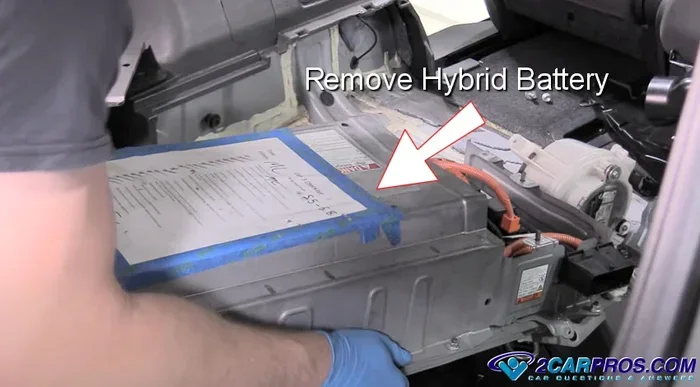
Installation typically takes anywhere from 2 to 6 hours depending on your vehicle model. The technician disconnects the high voltage system, removes the old battery pack, installs the new one, and then runs calibration and testing procedures. Some vehicles also need a software update after a new battery is installed.
Step 4: Post-Installation Checks
After installation, the technician will verify that the battery charges correctly, the dashboard warning lights are off, and the vehicle is operating normally. It is a good idea to have a follow-up check after 500 to 1,000 miles to make sure everything is holding steady.
How Much Does Hybrid Battery Replacement Cost?
The cost of replacing a hybrid battery can vary widely. Several factors come into play, and understanding them helps you make a smart decision.
Factors That Affect Cost
- Vehicle Make and Model: Luxury hybrids and larger vehicles tend to have more expensive batteries.
- New vs. Refurbished: A new OEM battery costs more than a refurbished one, but it also lasts longer.
- Labor Costs: Dealerships charge more for labor than independent shops. However, dealerships often provide better warranties on the work.
- Location: Prices can vary by region. Shops in major cities tend to charge more than rural mechanics.
Is It Worth It?
This is the big question for many hybrid owners. If your car is older and has high mileage, spending $4,000 to $6,000 on a new battery might not make sense. In that case, you might want to consider selling the car or looking at a refurbished battery instead.
On the other hand, if your car is still in good shape otherwise, a new battery can give you many more years of reliable service. Some owners have gotten 100,000 additional miles out of their car after a battery replacement. And if you are wondering whether you can still drive with a failing battery, the answer is it depends. Some hybrids can run on gas alone, but performance and fuel economy will suffer. You can learn more about driving with a bad battery here.
How to Extend Your Hybrid Battery Life
The best way to avoid an early replacement is to take good care of your battery from day one. Here are some proven strategies that really work.
Drive Regularly
Hybrid batteries love regular use. When you drive frequently, the battery cycles through normal charge and discharge patterns, which keeps the cells balanced. Sitting idle for weeks at a time can actually cause the battery to lose capacity faster.
Avoid Extreme Temperatures When Possible
Both extreme heat and extreme cold stress the battery. If you live in a very hot climate, try to park in the shade or a garage. In cold weather, a garage parking spot helps keep the battery temperature more stable.
Do Not Let the Battery Fully Drain
Running the battery all the way down on a regular basis wears it out faster. Try to keep the charge level between 20% and 80% for optimal health. This is similar to how you should care for your phone battery.
Get Regular Maintenance
Stick to your manufacturer’s recommended maintenance schedule. During regular service, ask the technician to check the battery health and the cooling system. A well-functioning cooling system is essential for battery longevity.
Use Regenerative Braking Wisely
Hybrid cars use regenerative braking to recharge the battery. Smooth, steady driving maximizes this benefit. Hard braking wastes energy and puts extra strain on the battery cells over time.
Expert Insight: Many hybrid owners do not realize that their driving habits have a huge impact on battery life. Gentle acceleration, steady speeds, and smooth braking can add tens of thousands of miles to your battery’s lifespan. Think of it like fuel efficiency, the smoother you drive, the more you save.
Warranty and Replacement Coverage
One of the best things about owning a hybrid is that many manufacturers offer strong battery warranties. In the United States, federal regulations require hybrid battery warranties to cover at least 8 years or 100,000 miles, whichever comes first.
Some states, like California, extend this to 10 years or 150,000 miles. Toyota, Honda, and Ford all offer warranty coverage that meets or exceeds these minimums.
If your battery fails within the warranty period, the replacement is typically covered at no cost to you. Even if the warranty has expired, some dealerships offer extended battery coverage plans that are worth looking into.
It is also worth noting that you do not always need to go to a dealership for warranty work. Many independent shops are certified to handle hybrid battery replacements and can still honor your manufacturer warranty. Just make sure to ask about warranty terms before any work is done.
If you are curious about whether a hybrid can even run without a functioning battery, we have covered that topic in detail. You can read about it in our article on whether you can still drive a hybrid without the battery.
Common Mistakes to Avoid
Even the best car owners can make mistakes when it comes to their hybrid battery. Here are some common ones to watch out for:
- Ignoring Warning Signs: Dismissing a dashboard light or a slight drop in fuel economy can lead to a bigger problem down the road. Address issues early.
- Skipping Regular Maintenance: Routine service catches small problems before they become big ones. Do not skip your scheduled checkups.
- Choosing the Cheapest Option: A very low-cost battery replacement might save money upfront but could leave you with a low-quality battery that fails sooner.
- Not Getting a Second Opinion: If one shop tells you the battery needs replacing, it is okay to get a second opinion. Sometimes the issue is simpler and cheaper to fix.
- Neglecting the Cooling System: The battery cooling system plays a huge role in battery health. If it is not working properly, your battery will degrade faster.
When to Replace vs. When to Repair
Not every hybrid battery problem requires a full replacement. Sometimes a repair can solve the issue for a fraction of the cost. Here is a simple way to think about it:
- Replace the battery if multiple cells are degraded, the battery capacity has dropped below 60%, or you are getting consistent warning lights and poor performance.
- Repair the battery if only one or two cells are failing, the issue is with a sensor or control module, or the battery still holds a reasonable charge.
A good technician will help you understand which option makes the most sense for your specific situation. Always ask for a detailed diagnostic report before making a decision.
Final Thoughts
So how often should you replace your hybrid battery? For most owners, the answer is somewhere between 80,000 and 150,000 miles. But the real answer is it depends on your driving habits, your climate, your vehicle model, and how well you maintain the battery.
The best thing you can do is stay proactive. Watch for warning signs, keep up with regular maintenance, and get your battery tested if anything feels off. A little attention goes a long way toward avoiding a surprise breakdown and a big repair bill.
If you are facing a battery issue right now, do not panic. Get a proper diagnosis, explore your options, and make the decision that makes the most sense for your wallet and your car. With the right care, your hybrid battery can serve you well for many miles to come.
Frequently Asked Questions
How do I know if my hybrid battery needs replacing?
Watch for reduced fuel economy, dashboard warning lights, decreased electric-only range, and erratic battery behavior. These are the most common signs that your battery is degrading and may need replacement. A professional diagnostic test can confirm the issue for sure.
Can I drive my hybrid with a bad battery?
In most cases, yes, but your car will rely more on the gas engine, which reduces fuel economy and performance. Some hybrids may go into a protective mode that limits power. It is best to address battery issues sooner rather than later to avoid getting stranded.
How long does a hybrid battery replacement take?
Most replacements take between 2 and 6 hours depending on the vehicle model and the complexity of the battery access. Some vehicles require more extensive work, which can add time. Always ask your technician for a time estimate before they begin.
Is it cheaper to replace a hybrid battery at a dealership or an independent shop?
Independent shops typically charge less for labor, but dealerships often offer better warranties on both parts and workmanship. Compare total costs including warranty coverage before deciding where to go.
Can a hybrid battery be recharged instead of replaced?
In some cases, yes. If the battery is only slightly degraded or has a specific fault like a failed cell module, reconditioning or repair may be possible. However, a fully failed battery usually needs complete replacement. You can learn more about recharging options here.
How can I make my hybrid battery last longer?
Drive regularly, avoid extreme temperatures, do not let the battery fully drain, keep up with maintenance, and use smooth driving habits. These simple practices can add significant years and miles to your hybrid battery life.