How Long Does It Take for Service Engine Light to Reset
The service engine light typically resets within 10 to 50 driving cycles after the underlying issue is fixed. In some cases, you may need a diagnostic scan tool or simply wait a few days of normal driving for the light to turn off on its own. Understanding the reset process helps you avoid unnecessary trips to the shop and keeps your check engine light from coming back.
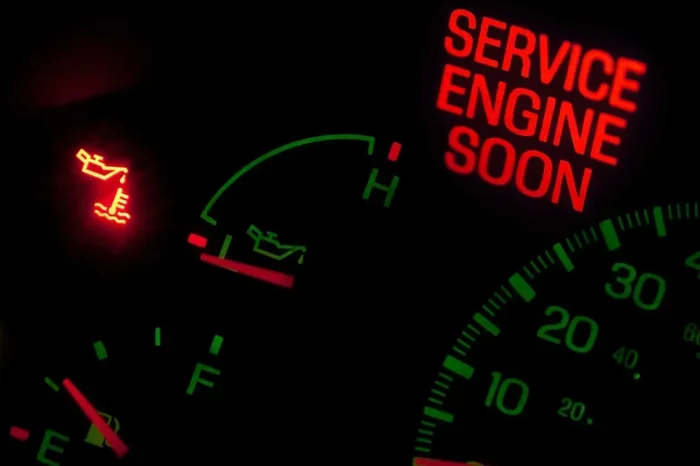
You are driving down the road when suddenly a yellow or orange light pops up on your dashboard. It looks like an engine. Maybe it even says “Service Engine Soon.” Your first thought? How long does it take for service engine light to reset? This is a question that trips up a lot of car owners, and honestly, the answer is not as simple as you might hope.
The truth is, the reset time depends on several factors. It could take a few days of normal driving. Or it could happen almost instantly if you use the right tool. Either way, understanding the process saves you time, money, and a lot of stress. This guide walks you through everything you need to know about resetting your service engine light the right way.
Key Takeaways
- Reset Time Varies: The service engine light usually clears after 10 to 50 driving cycles once the problem is resolved.
- Driving Cycles Matter: Each ignition-on and ignition-off sequence counts as one cycle, and the car needs to complete them to fully reset.
- OBD Scanner Speeds Things Up: Using a diagnostic tool can clear the light immediately instead of waiting for cycles.
- Don’t Ignore the Light: Driving with the service engine light on can lead to bigger problems and failed emissions tests.
- Battery Disconnect Can Work: Disconnecting the battery for 15 minutes may reset the light, but it also erases other settings.
- Persistent Light Means Deeper Issue: If the light comes back after resetting, there is likely an unresolved problem that needs professional attention.
📑 Table of Contents
- What Triggers the Service Engine Light?
- How Long Does It Take for Service Engine Light to Reset?
- What Happens After You Reset the Light?
- Common Mistakes People Make When Resetting the Light
- When Should You See a Professional?
- Preventing the Service Engine Light From Coming Back
- Can a Bad Battery Cause the Wrench Light to Come On?
- Final Thoughts
What Triggers the Service Engine Light?
Before you can reset the light, you need to understand why it came on in the first place. The service engine light is part of your car’s onboard diagnostics system. This system, often called OBD-II, monitors dozens of sensors and components in your vehicle. When something falls outside its expected range, the computer stores a diagnostic trouble code and illuminates the warning light.
Common Reasons the Light Comes On
- Loose or Faulty Gas Cap: A loose fuel cap is one of the most common triggers. It lets fuel vapors escape and messes with the emission system.
- Oxygen Sensor Failure: The oxygen sensor measures unburned oxygen in your exhaust. When it fails, your engine runs less efficiently.
- Catalytic Converter Issues: A failing catalytic converter is a serious problem that can cause the light to stay on.
- Mass Airflow Sensor Problems: This sensor measures the air entering your engine. Dirt or damage can throw off the reading.
- Spark Plug or Ignition Coil Issues: Worn spark plugs or faulty coils cause misfires, which the system detects immediately.
- Dirty Air Filter: A clogged air filter restricts airflow and can trigger the engine warning light over time.
Each of these issues stores a specific code in your car’s computer. The check engine light is just the messenger. It tells you something needs attention. Ignoring it rarely makes the problem go away on its own.
How Long Does It Take for Service Engine Light to Reset?
This is the big question, and the answer depends on the method you use and the nature of the problem. Let us break it down by different reset approaches.
Reset Through Driving Cycles (10 to 50 Cycles)
After you fix the issue that triggered the light, your car needs to complete several driving cycles to fully reset. A driving cycle means turning the ignition on, letting the car idle for a few seconds, and then driving for a few minutes. Each complete on-off sequence counts as one cycle.
Most vehicles require between 10 and 50 cycles before the service engine light turns off by itself. This process can take anywhere from a few days to a week of normal driving. The car needs to test all its systems and confirm that everything is working properly before it clears the code.
Quick Tip: If you want the light to reset faster through driving cycles, take your car on a mix of city and highway driving. This gives the onboard computer a wider range of conditions to monitor.
Reset Using an OBD Scanner (Instant)
Using an OBD scanner is the fastest way to reset the service engine light. These diagnostic tools plug directly into your car’s OBD-II port, which is usually located under the dashboard on the driver’s side. Once connected, the scanner reads and clears the stored codes.
With a quality scanner, the light can turn off in under a minute. You do not need to drive anywhere. However, keep in mind that if the underlying problem is not fixed, the light will almost certainly come back within a few days or driving cycles.
Quick Tip: You can buy a basic OBD scanner for under $30 at most auto parts stores. It is a great investment for any car owner who wants to handle minor issues at home.
Reset by Disconnecting the Battery (15 to 30 Minutes)
Some people reset the light by disconnecting the car battery. You simply remove the negative cable, wait for about 15 to 30 minutes, and reconnect it. This drains the computer’s memory and clears the stored codes.
However, this method comes with downsides. It can reset your radio presets, clock, and other personalized settings. On some newer vehicles, it may also require you to re-enter a security code for the stereo system. Use this method as a last resort.
Quick Tip: Before disconnecting your battery, make sure you have your radio security code handy. You can usually find it in your owner’s manual or by calling your dealership.
Reset by Turning the Ignition On and Off (3 Cycles)
Another simple method involves turning the ignition key to the “on” position, waiting a few seconds, and then turning it back to “off.” Repeat this three times in a row. Some vehicles respond to this by clearing minor codes from memory.
This method does not work on all cars, and it is not as reliable as using a scanner. But it is worth trying if you do not have a scanner handy and the issue was minor, like a loose gas cap.
What Happens After You Reset the Light?
Resetting the light is not the end of the story. Your car’s computer stores pending codes even after the light goes off. These codes are like a memory of past problems. If the same issue happens again, the computer will re-trigger the light.
The Role of Pending Codes
Pending codes are stored when a problem is detected but is not severe enough to immediately trigger the check engine light. The computer monitors the same issue over two or more driving cycles. If the problem persists, the light comes back on and the code becomes a confirmed code.
This is why simply clearing the light without fixing the root cause is a bad idea. The light will return, and you will be back to square one. Always diagnose the problem first before attempting any reset.
Can You Run Diagnostics Without a Check Engine Light?
Yes, you can. Even if the service engine light is not on, your car’s computer may still store pending codes. A diagnostic scanner can pull these codes and give you early warning of potential problems. This is a smart practice for routine car maintenance and can help you catch issues before they become expensive repairs.
Regular diagnostics are especially useful for vehicles with high mileage or older models. Catching a small sensor issue early can prevent a cascade of problems down the road.
Common Mistakes People Make When Resetting the Light
Resetting the service engine light seems simple, but many people make avoidable mistakes. Here are the most common ones.
- Resetting Without Fixing the Problem: This is the number one mistake. The light comes back every single time, and you end up at the shop anyway.
- Using a Cheap or Incompatible Scanner: Not all scanners work with all vehicles. Buy a scanner that is compatible with your car’s make and model.
- Ignoring Flashing Lights: A flashing engine warning light is different from a steady light. A flashing light usually indicates a severe problem like an engine misfire. Stop driving and get help immediately.
- Disconnecting the Battery Without Preparation: As mentioned earlier, this can erase important settings. Always check your owner’s manual first.
- Not Clearing Codes After Repair: Even after fixing the problem, you may need to manually clear the codes. The light will not always turn off on its own right away.
When Should You See a Professional?
There is a big difference between a minor trigger and a serious problem. Some situations call for professional help, no matter how handy you are.
- The Light Flashes Instead of Stays Steady: A flashing light usually signals a severe misfire that can damage your catalytic converter.
- You Notice Poor Performance: If your car is stalling, hesitating, or losing power, do not just reset the light. Get a proper diagnosis.
- The Light Keeps Coming Back: If you reset the light and it returns within a day or two, the problem is not fully resolved.
- You Have Multiple Codes: Several codes at once can indicate a complex issue that needs professional tools and expertise.
A professional mechanic has access to advanced diagnostic equipment and years of training. They can pinpoint the exact cause and fix it correctly the first time. Sometimes, paying for a diagnosis saves you hundreds of dollars in unnecessary parts and repairs.
Preventing the Service Engine Light From Coming Back
Once you have successfully reset the service engine light, you probably want to keep it off. Prevention is always better than cure, and the same applies to your car’s dashboard warnings.
Follow Your Maintenance Schedule
Stick to your vehicle’s recommended service interval schedule. Regular oil changes, spark plug replacements, and air filter cleaning go a long way in keeping your engine healthy. A well-maintained car is far less likely to trigger warning lights.
Pay Attention to Early Warning Signs
Your car often gives you subtle hints before the service engine light appears. Watch for decreased fuel economy, unusual sounds, or slight changes in performance. Catching these early can prevent the light from coming on at all.
Keep Your Gas Cap Tight
It sounds too simple, but a loose gas cap is responsible for a huge number of service light triggers. Always make sure your gas cap clicks tightly after refueling. If the cap is worn or cracked, replace it. A new gas cap costs just a few dollars and can save you a trip to the mechanic.
If you are dealing with a wrench-shaped warning light specifically, a bad battery can also cause it to illuminate. Before assuming the worst, check your battery condition. Sometimes a weak battery sends erratic signals that mimic more serious engine problems.
Can a Bad Battery Cause the Wrench Light to Come On?
Yes, it can. The wrench light on some vehicles, particularly Toyotas and other Japanese brands, is closely tied to the service engine light. A weak or failing battery can cause voltage irregularities that confuse the car’s computer. This can trigger both the wrench light and the check engine light simultaneously.
If you recently replaced your battery or noticed slow cranking, dim lights, or electrical issues, the battery might be the culprit. Have it tested at your local auto parts store. Most stores offer free battery testing, and a simple replacement can clear up multiple warning lights at once.
On the other hand, if you have already addressed the battery and the light persists, there may be a deeper issue at play. In that case, running a full diagnostic scan is the best next step to identify any stored trouble codes.
Final Thoughts
So, how long does it take for service engine light to reset? The short answer is anywhere from a few minutes with a scanner to several days of driving cycles. The method you choose and whether you have actually fixed the underlying problem both play a huge role in the timeline.
The best approach is always to diagnose first, fix second, and reset last. Rushing to clear the light without understanding the cause is a recipe for frustration. Take your time, use the right tools, and your car will reward you with reliable performance.
Remember, the service engine light is your car’s way of communicating with you. Listen to it. Address the problem promptly, and you will keep your vehicle running smoothly for years to come. And if you ever find the light persists despite your best efforts, do not hesitate to reach out to a trusted mechanic for help.
With the right knowledge and a little patience, you can handle most service engine light situations confidently. You now know the reset timelines, the methods, and the common pitfalls. Use this information wisely, and you will be ahead of most car owners when it comes to basic vehicle care.
Frequently Asked Questions
Can a check engine light go off by itself?
Yes, in some cases the check engine light can turn off on its own if the issue was temporary, such as a loose gas cap or a brief sensor glitch. The car’s computer monitors the problem over several driving cycles, and if it does not reoccur, it may clear the code and shut off the light automatically.
How long should I drive before the service engine light resets?
Most vehicles need between 10 and 50 complete driving cycles for the service engine light to reset after the problem is fixed. A driving cycle includes turning the ignition on, idling briefly, and then driving for a few minutes. This process typically takes a few days of normal driving.
Will disconnecting the battery reset the service engine light?
Disconnecting the battery for 15 to 30 minutes can reset the light by clearing the computer’s memory. However, this method also erases other settings like your radio presets and clock. It is best used as a last resort and only after the underlying problem has been properly fixed.
What is the difference between a steady and flashing service engine light?
A steady service engine light usually indicates a minor issue like a loose gas cap or sensor problem. A flashing light, however, signals a more serious condition, often an engine misfire that can damage your catalytic converter. If your light flashes, reduce your speed and seek professional help immediately.
Can I drive my car with the service engine light on?
Driving with a steady service engine light is generally safe for short distances if the car is running normally. However, a flashing light means you should stop driving and get the vehicle inspected. Continuing to drive with a flashing light can cause serious and expensive damage to your engine and emission system.
Do I need a special tool to reset the service engine light?
You do not necessarily need a special tool. Many service engine light resets happen naturally after the problem is fixed and the car completes its driving cycles. However, an OBD scanner makes the process faster and allows you to read and clear diagnostic codes manually. Basic scanners are affordable and widely available at auto parts stores.
=== CONCLUSION ===
Resetting your service engine light does not have to be a mystery. Whether you choose to wait for driving cycles, use an OBD scanner, or try the battery disconnect method, the key is to address the root cause first. Understanding the timeline and the reset process empowers you as a car owner and saves you from unnecessary stress and expense.
Keep these tips in mind for your next dashboard warning, and you will be well prepared to handle the service engine light with confidence and ease.