Indiana Window Tint Law Everything You Need To Know
Indiana window tint law sets specific rules for how dark or reflective your car windows can be. The state requires at least 30% visible light transmission on front side windows, while rear windows can be tinted to any darkness. Understanding these Indiana tint law rules helps you avoid fines, failed inspections, and unnecessary headaches. Whether you are upgrading your aftermarket tint or replacing old film, this guide covers everything you need to stay legal and protected.
Key Takeaways
- Front side windows must allow at least 30% VLT in Indiana to comply with state regulations.
- Rear side windows and rear window can be any tint darkness, giving you more flexibility.
- Windshield tint is only allowed on the top 5 inches and must be non-reflective.
- Medical exemptions are available for those with specific health conditions that require darker tint.
- Tint violations can result in fines and may cause your vehicle to fail inspection.
- No certification or sticker is required for legal window tint in Indiana.
- Choosing the right tint film ensures you stay compliant while enjoying UV protection and heat rejection.
📑 Table of Contents
- What Are Indiana’s Window Tint Laws?
- Understanding VLT and Tint Darkness Levels
- Medical Exemption for Window Tint in Indiana
- Common Tint Violations and What They Cost
- Choosing the Right Tint Film for Your Vehicle
- Tips to Stay Compliant with Indiana Tint Regulations
- Frequently Asked Questions About Indiana Window Tint Law
- Conclusion
What Are Indiana’s Window Tint Laws?
If you own a car in Indiana, you have probably wondered about the rules around window tinting. The Indiana window tint law is not overly complicated, but it does have specific limits that every vehicle owner should know. Whether you are buying a new car, installing aftermarket tint, or simply curious about what is legal, this section breaks it all down for you.
The state of Indiana regulates tint darkness based on a measurement called Visible Light Transmission, or VLT. VLT tells you how much light passes through your window film. The lower the VLT percentage, the darker the tint. Indiana sets different VLT requirements depending on which window you are tinting. The front side windows have stricter rules than the rear windows, which gives drivers some flexibility in how they customize their vehicles.
Indiana also has rules about tint reflection and the type of tint materials you can use. Reflective tint, metallic tint, and mirrored finishes are all restricted. The state wants to ensure that tinted windows do not interfere with a driver’s visibility or create glare problems for other drivers on the road. These rules are part of the broader state regulations that aim to keep everyone safe.
Windshield Tint Rules
The windshield tint strip is the only area on your front windshield where tint is allowed in Indiana. The law permits a non-reflective tint on the top five inches of the windshield. Everything below that strip must remain clear. This rule helps maintain good visibility while driving, especially during nighttime or bad weather conditions. The non-reflective requirement means you cannot use mirror-like or metallic finishes on your windshield at all.
Front Side Window Requirements
For the driver and passenger front side windows, Indiana requires a minimum VLT of 30%. This means your tint film must let at least 30% of outside light pass through the glass. Any tint darker than 30% VLT on the front side windows is considered illegal. This rule applies to sedans, SUVs, and trucks alike. The purpose of this regulation is to ensure that the driver has clear visibility from the front seats, which is essential for safe driving.
Rear Side and Rear Window Rules
Here is where Indiana offers more flexibility. The rear side windows and the rear window can be tinted to any darkness level. You can go as dark as you want on these windows without breaking the law. This is great news for people who want maximum privacy, sun protection, or heat rejection in the back of their vehicle. However, if your rear window is tinted, you must have functioning rearview mirrors on both sides of the car to compensate for reduced visibility.
Understanding VLT and Tint Darkness Levels
Visible Light Transmission, or VLT, is the key concept behind Indiana’s tint regulations. VLT measures the percentage of light that passes through your window and the tint film combined. A higher VLT means more light gets through, which means a lighter tint. A lower VLT means less light gets through, which means a darker tint.
When you buy tint film, the manufacturer will list the VLT of the film. For example, a 50% VLT film lets half of the light through, while a 5% VLT film, often called “limo tint,” lets through only a tiny amount of light. In Indiana, you need to make sure your front side windows stay at or above 30% VLT. For the rear windows, you have complete freedom to choose any VLT level you want.
It is also important to understand that VLT is measured on the film itself, not on your car’s factory glass. Some vehicles come with slightly tinted windows from the factory. When you add aftermarket tint on top of that, the combined VLT drops. This means a 35% VLT film on a factory-tinted window might actually result in a combined VLT below 30%, which would put you in violation of the Indiana tint law. Always check your factory window tint before purchasing new film.
How VLT Affects Your Driving Experience
The tint darkness you choose affects more than just legality. Darker tints reduce glare from the sun and headlights, which can make driving more comfortable. They also block more UV rays, which protects your skin and keeps your car interior from fading. However, darker tints can reduce visibility at night or in tunnels. This is why Indiana keeps the front side windows at 30% VLT or lighter. You get good sun protection while still maintaining safe visibility for the driver.
Tint Darkness Comparison Table
| Window | Legal VLT Limit in Indiana | Tint Allowed? |
|---|---|---|
| Windshield | Top 5 inches only, non-reflective | Yes (limited) |
| Front Side Windows | Must be above 30% VLT | Yes (restricted) |
| Rear Side Windows | Any VLT allowed | Yes (unrestricted) |
| Rear Window | Any VLT allowed | Yes (unrestricted) |
Medical Exemption for Window Tint in Indiana
Not everyone can tolerate standard tint darkness levels. Some people have medical conditions that make them extremely sensitive to sunlight or UV radiation. For these individuals, Indiana offers a medical exemption that allows darker window tint than what the standard law permits.
To qualify for a medical exemption, you must obtain a written statement from a licensed physician. The statement must explain your condition and why darker tint is medically necessary. Common conditions that qualify include lupus, photosensitivity disorders, melanoma, and other skin conditions worsened by sun exposure. The exemption must be carried in your vehicle at all times and presented to law enforcement if requested.
The medical exemption is not a free pass to tint every window as dark as you want. The exemption typically specifies which windows can be tinted and to what level. It is important to work with your doctor and understand exactly what the exemption allows. If you are stopped by police, you need to have the documentation with you to show that your tint darkness is legally permitted under the exemption.
How to Apply for a Medical Exemption
Applying for a medical exemption in Indiana is straightforward but requires proper documentation. Start by visiting your doctor and explaining your condition and your need for darker window tint. Your doctor will provide a written statement that includes their license number, the specific condition, and the recommended VLT level for each window. Keep this document in your glove box or with your registration at all times.
There is no special form you need to file with the state for a medical exemption. However, police officers may ask to see the documentation during a traffic stop. Without the paperwork, you could be cited for a tint ticket even if you have a legitimate medical need. It is also a good idea to inform your aftermarket tint installer about the exemption so they can apply the correct VLT levels from the start.
Common Tint Violations and What They Cost
Breaking Indiana’s window tint regulations can lead to real consequences. The most common violation is having front side windows that are too dark. If an officer pulls you over and determines your tint darkness does not meet the 30% VLT requirement, you will likely receive a citation.
A tint ticket in Indiana is typically classified as a minor infraction, but it still comes with fines. The exact fine amount can vary by county and the circumstances of the stop. In most cases, you can expect to pay anywhere from $100 to $500 for a first offense. Repeat violations may result in higher fines or even a court appearance.
Another common issue is having reflective or metallic tint on the windshield or front side windows. This type of tint film is not allowed in Indiana and can result in a citation just like overly dark tint. Officers use specialized tint meters to measure the VLT of your windows during traffic stops. If your tint fails the test, you will be issued a violation.
What Happens If You Get a Tint Ticket?
Receiving a tint ticket is not the end of the world, but it does require action. You will typically have the option to pay the fine or contest the ticket in court. Paying the fine is the quickest resolution, but it does result in a point on your driving record in some cases. If you choose to contest the ticket, you will need to present evidence that your tint meets the legal requirements.
One of the best ways to avoid a tint ticket is to have your tint installed by a professional who understands Indiana’s legal tint limits. A reputable installer will know the correct VLT levels and can provide documentation of the film they used. This can be invaluable if you are ever pulled over and questioned about your window tint.
Choosing the Right Tint Film for Your Vehicle
Selecting the right tint film is about more than just aesthetics. You want a film that looks great, keeps you comfortable, and stays within the bounds of the law. With so many options on the market, choosing the right one can feel overwhelming. But it does not have to be.
Start by deciding what you want from your car window tinting experience. Are you looking for maximum heat rejection? Do you prioritize UV protection for your skin and your car’s interior? Or is privacy your main concern? Understanding your priorities will help you narrow down the options and choose a film that meets both your needs and Indiana’s state regulations.
Types of Tint Film
There are several types of tint film available, and each has its own benefits. Dyed film is the most affordable option and provides basic heat rejection and privacy. However, it tends to fade over time. Metalized film offers better heat rejection and durability, but it can interfere with electronic signals like GPS and cell phone reception. Ceramic film is the premium choice, providing excellent heat rejection, UV protection, and clarity without interfering with electronics. It is also the most expensive option.
For most drivers in Indiana, a medium-grade ceramic or carbon film strikes the best balance between performance and price. These films typically offer VLT levels that can be customized to meet the 30% requirement for front side windows while providing excellent sun protection for the rear windows.
Working with a Professional Installer
When you are ready to install aftermarket tint, choose a professional who is familiar with Indiana’s laws. A good installer will ask about your VLT requirements upfront and recommend films that keep you compliant. They should also be able to provide documentation of the film’s VLT rating, which can be helpful if you ever need to prove your tint is legal.
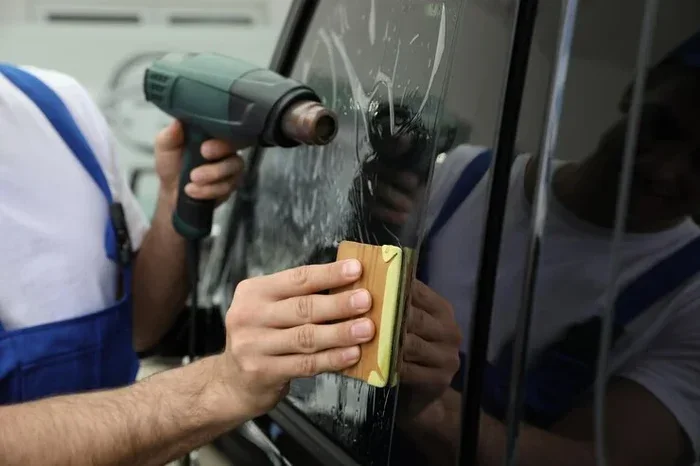
Professional installation also ensures that your tint film is applied correctly without bubbles, peeling, or wrinkles. A poorly installed tint not only looks bad but can also interfere with your visibility, which defeats the purpose of staying safe on the road. Always ask for warranties on both the film and the installation work before you commit.
Tips to Stay Compliant with Indiana Tint Regulations
Staying on the right side of the Indiana window tint law does not have to be difficult. With a little knowledge and some careful planning, you can enjoy all the benefits of tinted windows without worrying about fines or violations. Here are some practical tips to help you stay compliant.
First, always ask your tint installer for a written record of the VLT levels they have applied to each window. This documentation can serve as proof of compliance if you are ever stopped by law enforcement. Second, avoid the temptation to go too dark on your front side windows, even if you think you will not get caught. The 30% VLT limit exists for safety reasons, and staying within it protects both you and other drivers.
Third, keep your medical exemption documentation updated and accessible if you have one. Fourth, inspect your tint regularly for fading or peeling, as degraded film can change its VLT over time and potentially put you out of compliance. Fifth, if you are buying a used car with existing tint, have the VLT measured before you drive it on Indiana roads. You might be surprised to learn that a previous owner installed illegal tint without your knowledge.
Finally, stay informed about any changes to Indiana’s vehicle codes and tint regulations. Laws can be updated, and what was legal last year might not be legal today. Checking with your local DMV or a trusted tint professional is always a smart move before making any changes to your vehicle’s windows.
Quick Tips for Legal Window Tinting in Indiana
- Always verify the VLT of your tint film before installation.
- Keep your medical exemption paperwork in your vehicle at all times.
- Choose a reputable installer who knows Indiana’s regulations.
- Request written documentation of VLT levels from your installer.
- Inspect your tint annually for fading or degradation.
- Test your rearview mirror visibility after tinting your rear windows.
- Avoid reflective or metallic finishes on your windshield.
Frequently Asked Questions About Indiana Window Tint Law
Many drivers have questions about window tinting in Indiana. Here are answers to the most common questions people ask about the state’s tint regulations.
Can I tint my front windshield in Indiana?
Yes, but only the top five inches of the windshield can be tinted, and the tint must be non-reflective. The rest of the windshield must remain clear. This rule is designed to maintain good visibility for the driver, especially during nighttime driving and in adverse weather conditions.
What is the legal tint darkness for front side windows in Indiana?
Front side windows must allow at least 30% of visible light to pass through, meaning the VLT must be 30% or higher. Any tint darker than this is considered illegal and can result in a citation. This rule applies to both the driver and passenger front side windows on all vehicle types.
Are there medical exemptions for window tint in Indiana?
Yes, Indiana does offer a medical exemption for individuals with conditions that make them sensitive to sunlight. You will need a written statement from a licensed physician explaining your condition and the recommended VLT levels. This documentation must be carried in your vehicle at all times.
Can I get a tint ticket for illegal window tint in Indiana?
Yes, law enforcement officers can issue a citation if your window tint does not meet Indiana’s legal requirements. Fines typically range from $100 to $500 depending on the circumstances. It is always best to ensure your tint is compliant before driving on Indiana roads.
Do I need a sticker or certificate to prove my tint is legal in Indiana?
No, Indiana does not require a sticker or certificate to identify legal window tint. However, it is a good practice to keep documentation from your tint installer that shows the VLT levels of the film applied to each window. This can be helpful if you are ever questioned by law enforcement.
What type of tint is not allowed in Indiana?
Reflective, metallic, and mirrored tint finishes are not allowed on any windows in Indiana. These types of tint film can create glare and visibility problems for other drivers. Additionally, any tint on the windshield must be limited to the top five inches and must be non-reflective.
Conclusion
Understanding the Indiana window tint law is essential for every vehicle owner in the state. The rules are clear: keep your front side windows at 30% VLT or above, allow any darkness on your rear windows, limit your windshield tint to the top five inches, and avoid reflective or metallic finishes. With these guidelines in mind, you can enjoy the benefits of car window tinting including sun protection, heat rejection, UV protection, and added privacy without running into legal trouble.
If you are considering adding or replacing tint film on your vehicle, take the time to work with a knowledgeable professional who understands Indiana’s state regulations. Keep your documentation handy, stay informed about any changes to the law, and always prioritize safety on the road. By following these simple steps, you can make sure your vehicle stays compliant and your driving experience stays comfortable and enjoyable for years to come.