Is Maserati a Good Car or Simply Overpriced Luxury
Is Maserati a good car? The answer depends on what you value most. Maserati delivers stunning Italian design, powerful engines, and a luxurious driving experience that few brands can match. However, high maintenance costs, reliability concerns, and steep depreciation make ownership a real commitment. This guide breaks down the true cost of owning a Maserati so you can decide if the prestige is worth the price.
Key Takeaways
- Italian luxury at a price: Maserati offers breathtaking design and performance, but ownership costs are significantly higher than mainstream brands.
- Reliability is a concern: Maserati models often face electrical issues, transmission problems, and costly repairs compared to German rivals.
- Depreciation hits hard: Maseratis lose value faster than many luxury competitors, which affects resale and long-term ownership value.
- Maintenance is expensive: Routine services and parts cost more due to low production volume and specialized labor requirements.
- Not for everyone: Maserati suits enthusiasts who prioritize style and driving pleasure over practicality and long-term savings.
- Pre-owned can be a smart play: Buying a used Maserati reduces the initial hit from depreciation and can offer better value.
📑 Table of Contents
What Makes Maserati So Special?
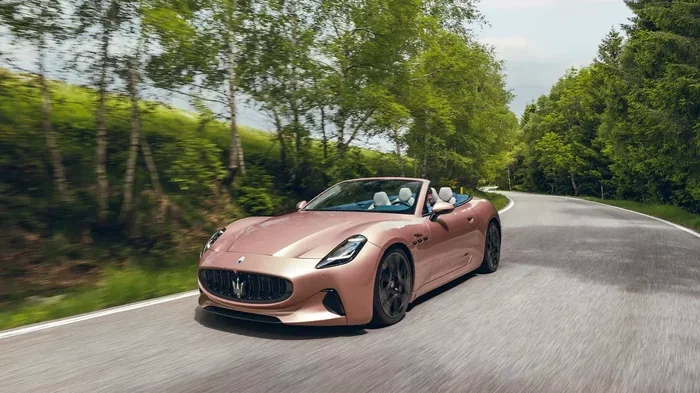
Maserati has been turning heads since 1914. The Italian brand built its reputation on combining racing heritage with elegant design. When you see a Maserati on the road, you notice it. The sleek lines, the distinctive trident logo, and the rumble of the engine all work together to create an emotional connection that few other cars can match.
But what really sets Maserati apart? It is the blend of performance and luxury. Maserati cars come with powerful engines, refined interiors, and a sense of occasion every time you turn the key. The brand positions itself between mainstream luxury and ultra-exclusive supercars. That means you get a taste of the exotic without the Ferrari price tag.
The Italian Luxury Legacy
Maserati’s history is rooted in motorsport. The brand has competed in Formula 1, endurance racing, and grand tourer events for decades. This racing DNA flows into every model they produce. You feel it in the responsive steering, the throaty exhaust notes, and the aggressive yet elegant styling.
The Italian design philosophy emphasizes beauty as much as function. Every curve on a Maserati body panel serves a purpose, but it also looks stunning. The interior materials are top-notch, with leather, carbon fiber, and aluminum accents creating an atmosphere of refined luxury. When you sit inside a Maserati, you feel like you are in a cockpit built for the open road.
Popular Maserati Models Worth Considering
Maserati offers a range of models, each with its own character. The Grecale is a compact luxury SUV that blends practicality with sportiness. The Levante is a larger SUV that offers more space and comfort. The Ghibli is a midsize sedan that delivers sporty performance with everyday usability. And the Quattroporte is a full-size luxury sedan that competes with the BMW 7 Series and Mercedes S-Class.
Each model carries the Maserati signature. You get powerful engines, rear-wheel-drive platforms (or all-wheel-drive options), and a driving experience that feels engaging and alive. If you are looking for a car that turns heads and delivers excitement, Maserati has something to offer.
Maserati Reliability and Common Issues
Here is where the Maserati story gets complicated. The brand is known for reliability issues that can frustrate owners. Electrical gremlins, transmission hiccups, and engine concerns pop up more often than you would expect from a car in this price range. Understanding these problems is essential before you commit to ownership.
Engine and Transmission Concerns
Maserati engines are powerful, but they can be temperamental. The brand has used engines from Ferrari in the past, which sounds great on paper. However, these powertrains can develop expensive problems over time. Transmission issues are also common, especially in older models. Some owners report rough shifting, delayed engagement, or complete transmission failure.
Can you drive a car with transmission problems? In some cases, yes, but it is risky and expensive. Transmission repairs on a Maserati can cost thousands of dollars. If you are considering a Maserati, factor in the potential for major drivetrain repairs when budgeting for ownership.
Electrical and Sensor Problems
Electrical issues plague many Maserati models. Faulty sensors, flickering dashboards, and malfunctioning infotainment systems are common complaints. These problems can be difficult to diagnose and expensive to fix. Unlike a simple fuse replacement on a mainstream car, Maserati electrical repairs often require specialized tools and expertise.
One area where electrical issues can be particularly serious is the battery and starting system. A failing battery or starter can leave you stranded. Can a car battery kill you? While it is rare, a dead battery in an unsafe location can create hazardous conditions. Can you tell if a starter is going bad? Common signs include grinding noises, slow cranking, and intermittent starting failures. Regular testing of your battery and starter can help prevent unexpected breakdowns.
Can You Test Your Maserati Battery at Home?
Testing your battery is one of the simplest ways to avoid starting problems. Can you test a car battery with a multimeter? Absolutely. A multimeter lets you check voltage and health quickly. A fully charged battery should read around 12.6 volts. Anything below 12.2 volts suggests the battery is weak and may need charging or replacement.
Can you jump start a car with a bad alternator? Yes, but it is only a temporary fix. A failing alternator will drain the new battery quickly. If your Maserati requires frequent jumps, the alternator is likely the real culprit. Address the root cause rather than relying on jump-starts over and over.
The True Cost of Maserati Ownership
The sticker price is just the beginning. Maserati ownership comes with ongoing costs that can surprise buyers who are used to more affordable luxury brands. Understanding the full financial picture helps you make an informed decision.
Maintenance and Repair Expenses
Routine maintenance on a Maserati costs significantly more than on a BMW or Mercedes. Oil changes, brake pads, and scheduled services all carry a premium. The reason is simple: Maserati produces fewer cars, which means parts are more expensive and specialized labor is harder to find.
Major repairs can be devastating to your wallet. An engine rebuild, transmission replacement, or electrical repair can easily cost several thousand dollars. Unlike mainstream brands where you can visit any mechanic, Maserati repairs often require authorized dealers or specialists who know the brand inside and out.
Insurance and Depreciation
Insurance costs for Maserati are higher than average. The brand is considered a luxury exotic car, which means insurers charge more for coverage. Theft risk, repair costs, and the value of the vehicle all factor into your premiums.
Depreciation is another major factor. Maseratis lose value faster than many competitors. A new Maserati can lose 30% or more of its value within the first three years. This steep depreciation means that if you plan to sell, you will likely take a significant financial hit. Buying pre-owned is often a smarter financial move for Maserati buyers.
Parts Availability and Cost
Because Maserati sells fewer cars than BMW or Mercedes, parts are not as widely available. OEM parts can take weeks to arrive, and aftermarket options are limited. This scarcity drives up costs and can extend the time your car spends in the shop if something goes wrong.
Can you use 5W20 instead of 5W30 in a Toyota? That question comes up often for Toyota owners, but Maserati engines have their own specific oil requirements. Always follow the manufacturer’s recommendations for your specific model. Using the wrong oil can lead to engine damage and costly repairs.
Maserati vs. Other Luxury Brands
How does Maserati stack up against the competition? Let us look at the key comparisons that matter to potential buyers.
| Factor | Maserati | BMW | Mercedes-Benz | Audi |
|---|---|---|---|---|
| Starting Price | $45,000 – $75,000 | $40,000 – $70,000 | $45,000 – $75,000 | $42,000 – $70,000 |
| Reliability Rating | Below Average | Average | Average | Average |
| Maintenance Cost | High | Moderate | Moderate | Moderate |
| Depreciation Rate | Steep | Moderate | Moderate | Moderate |
| Driving Experience | Sporty and Emotional | Sporty and Refined | Comfortable and Luxurious | Technical and Precise |
| Interior Quality | Excellent | Very Good | Excellent | Very Good |
| Resale Value | Poor | Fair | Fair | Fair |
The table tells a clear story. Maserati excels in driving emotion and interior design but falls behind in reliability, maintenance costs, and resale value. If you prioritize the driving experience and do not plan to keep the car long-term, Maserati can be a great choice. If you want a luxury car that holds its value and costs less to own, German brands may be a better fit.
Some buyers also compare Maserati to Jaguar and Land Rover. Both brands share similar strengths and weaknesses. They offer stunning design and engaging driving dynamics but struggle with long-term reliability and ownership costs. The choice often comes down to personal preference and brand appeal.
Who Should Buy a Maserati?
Maserati is not for everyone, and that is okay. The brand serves a specific type of buyer who values certain things above all else. Understanding whether you fit that profile is the key to making a smart purchase.
Buy a Maserati if: You love Italian design and want a car that turns heads. You enjoy spirited driving and appreciate a raw, emotional connection with your vehicle. You have the budget to cover higher maintenance and repair costs. You plan to keep the car for a short time or treat it as a weekend toy rather than a daily driver.
Think twice if: You need a reliable daily driver with minimal downtime. You want low ownership costs and strong resale value. You prefer a car that is easy and affordable to service at any shop. You are buying your first luxury car and are not familiar with the higher costs of exotic ownership.
Can you lease a used Toyota? That question highlights how practical some buyers prefer to be. Maserati ownership requires a similar mindset. Leasing a pre-owned Maserati can reduce your financial risk while still giving you the experience of driving an Italian exotic.
Maserati Maintenance Tips for Owners
If you already own a Maserati or are planning to buy one, proper maintenance is your best defense against costly repairs. Staying on top of service intervals and addressing small issues before they become big problems can save you thousands over the life of the vehicle.
Follow the Maintenance Schedule Strictly
Maserati recommends specific service intervals for oil changes, brake inspections, fluid flushes, and belt replacements. Skipping or delaying these services can lead to premature wear and expensive breakdowns. Keep detailed records of every service and repair. This documentation is invaluable when selling the car or diagnosing future problems.
Find a Specialist
Not every mechanic can work on a Maserati. Look for shops or technicians who specialize in Italian luxury cars. They have the training, tools, and experience to diagnose and fix issues correctly the first time. While specialist labor rates may be higher, the quality of work often justifies the cost.
Address Small Problems Immediately
Do not ignore warning lights, unusual noises, or minor performance changes. A small electrical issue today can become a major wiring harness problem tomorrow. A slight transmission slip today can signal a failing clutch or solenoid tomorrow. Early intervention is always cheaper than waiting for a breakdown.
Final Verdict: Is Maserati a Good Car?
So, is Maserati a good car? The answer is nuanced. Maserati makes beautiful, exciting, and luxurious cars that deliver an unforgettable driving experience. The design is world-class, the performance is thrilling, and the brand carries a prestige that is hard to match.
But Maserati also comes with significant drawbacks. Reliability is below average for the luxury segment. Maintenance and repair costs are high. Depreciation is steep. And finding qualified service can be a challenge depending on where you live.
If you buy a Maserati with open eyes and a realistic budget, you can enjoy the experience for years. If you expect German-level reliability and low ownership costs, you will likely be disappointed. Maserati is a car for enthusiasts who value passion and style over practicality and long-term savings.
Before you sign on the dotted line, test drive multiple models. Compare them to rivals from BMW, Mercedes, and Audi. Get insurance quotes. Research local service options. The more prepared you are, the better your Maserati ownership experience will be.
Frequently Asked Questions
Is Maserati reliable compared to German luxury brands?
Generally, no. Maserati ranks below BMW, Mercedes-Benz, and Audi in reliability surveys. Electrical issues, transmission problems, and electrical gremlins are more common. However, newer models have improved, and proper maintenance can reduce the frequency of problems.
How much does it cost to maintain a Maserati annually?
Annual maintenance costs for a Maserati typically range from $1,000 to $3,000 or more, depending on the model and age. Major repairs can push costs significantly higher. Always budget more than you think you will need for unexpected issues.
Can I find a mechanic who works on Maserati near me?
It depends on your location. In major cities, independent shops specializing in Italian cars are common. In rural areas, you may need to travel to find a qualified technician. Always verify that the shop has specific experience with Maserati models before committing.
Does Maserati hold its value well?
No. Maserati depreciates faster than most luxury brands. A new Maserati can lose 30% or more of its value in the first three years. This steep depreciation is one of the biggest financial drawbacks of Maserati ownership.
Is it better to buy new or pre-owned Maserati?
For most buyers, a pre-owned Maserati offers better value. You avoid the steepest depreciation hit and often get a well-maintained car at a significantly lower price. Just make sure to get a thorough inspection and full service history before purchasing.
What is the best Maserati model for daily driving?
The Ghibli sedan and Grecale SUV are the most practical options for daily driving. They offer enough comfort, space, and refinement for everyday use while still delivering the Maserati driving experience. The Quattroporte is also excellent but comes with a higher price tag.
=== CONCLUSION ===
Is Maserati a good car or simply overpriced luxury? The truth lies somewhere in between. Maserati delivers an emotional, beautiful, and thrilling driving experience that few brands can match. The Italian design, powerful engines, and luxurious interiors make every drive feel special. But the high ownership costs, reliability concerns, and steep depreciation mean that Maserati is not for the faint of heart.
If you are an enthusiast who understands the costs and accepts the trade-offs, a Maserati can be a rewarding purchase. If you want a hassle-free luxury car with strong resale value, you may want to explore other options. The key is to go in with realistic expectations and a budget that accounts for the true cost of ownership. Do your research, get a pre-purchase inspection, and enjoy the journey that Maserati ownership can be.